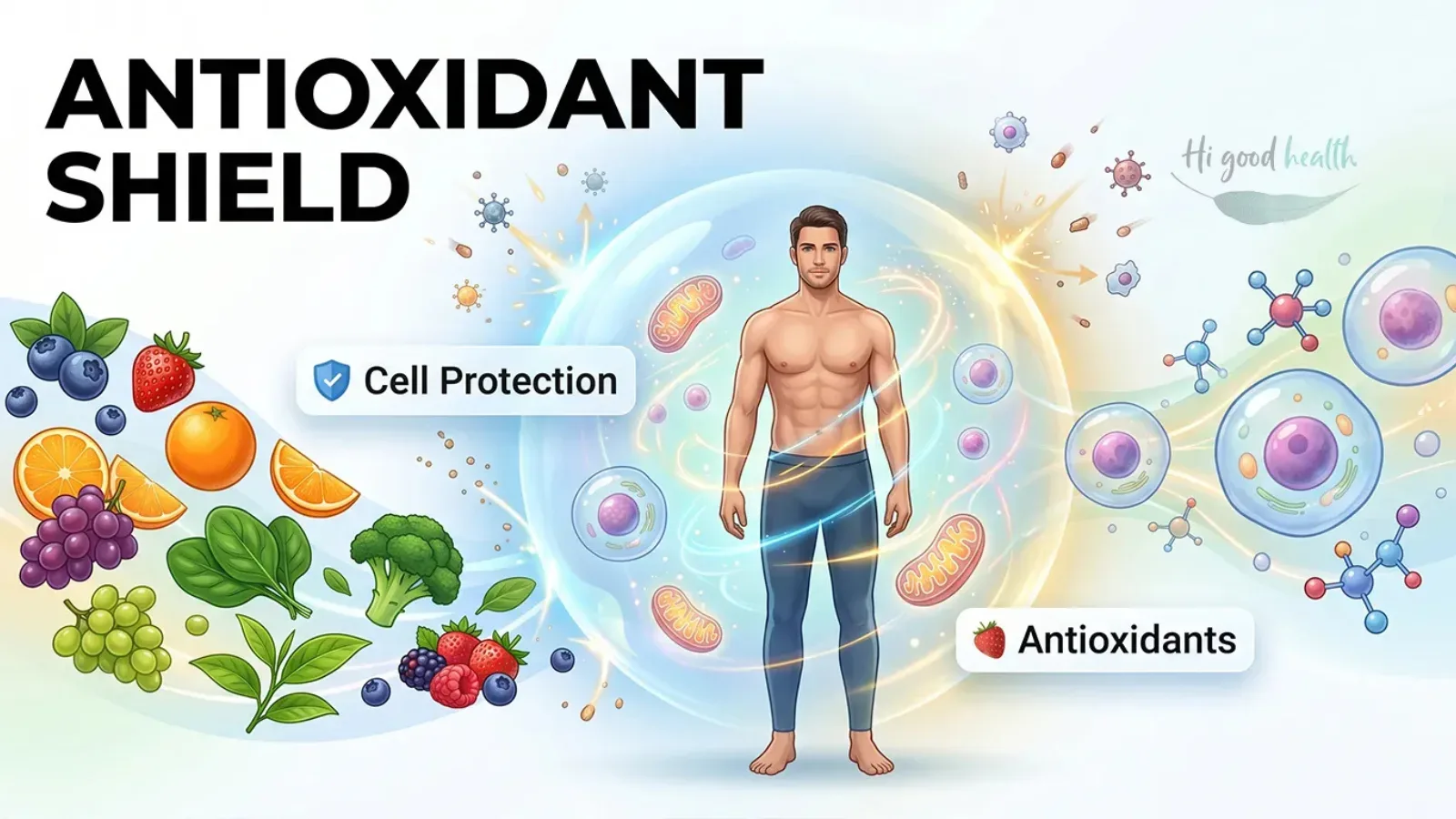
Every day, your body is exposed to various stressors like air pollution, unhealthy food choices, smoking and drinking, emotional stress, and even natural internal processes like digestion. These triggers produce unstable molecules called free radicals [1] which can damage your cells and accelerate aging, and contribute to chronic diseases over time. Thankfully, your body has a built-in defence system known as antioxidants.
At a glance
Antioxidant rich foods, like amla, jamun, spinach, nuts, and turmeric, help your body neutralise free radicals and lower oxidative stress. A daily, colourful mix of fruits and vegetables supplies antioxidant vitamins such as Vitamin C and E, so most people stay protected without pills. For most adults, a balanced Indian diet is enough to keep this natural defence system strong.
These powerful compounds help neutralise free radicals and keep your cells safe. You can get them through a healthy diet rich in fruits, vegetables, and whole foods.
In this blog, we’ll explore what antioxidants are, how they work, signs your body might be lacking them, and simple ways to restore this natural protection.
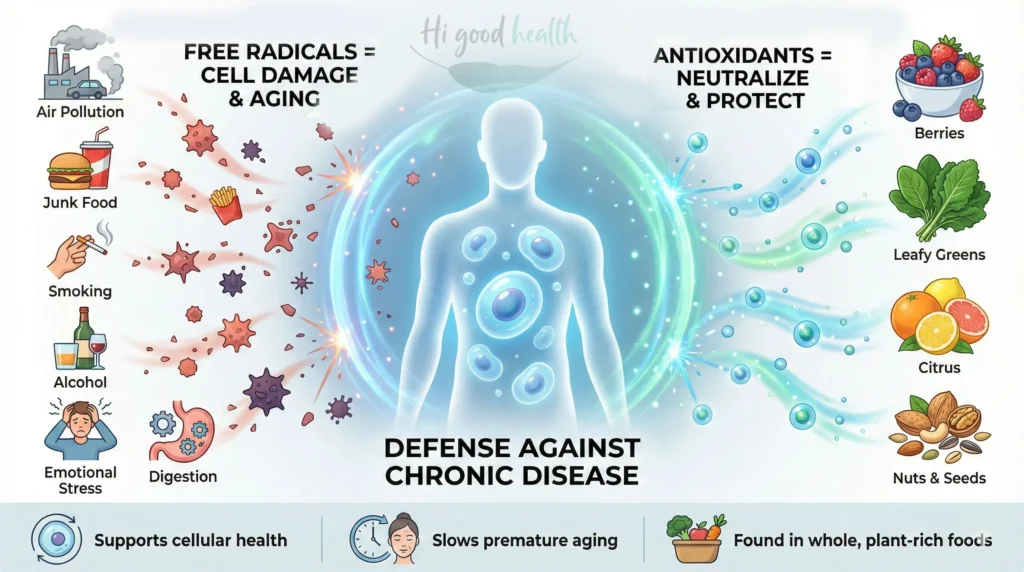
What are free radicals?
Free radicals are unstable molecules that your own body produces all day long. The US National Cancer Institute puts it in one line: they are “highly reactive chemicals that have the potential to harm cells” [18]. When a free radical contains oxygen it is called a reactive oxygen species, or ROS — the phrase you may have seen on a lab report or a supplement label.
They are not something that invades you from outside. Harvard’s Nutrition Source notes that the body makes free radicals as “the inevitable byproducts of turning food into energy”, and that more are formed “after exercising or exposure to cigarette smoke, air pollution, and sunlight” [19]. For anyone commuting through Delhi, Kanpur or Mumbai air, that third source is not a minor one.
A free radical is not a disease, and the goal is not to have none. Your immune cells deliberately produce them to destroy bacteria. The trouble starts with quantity, not existence — which is exactly what oxidative stress means.
What is oxidative stress?
Oxidative stress is what happens when free radicals outnumber the antioxidants available to neutralise them. Harvard defines it as follows: “An excessive chronic amount of free radicals in the body causes a condition called oxidative stress, which may damage cells and lead to chronic diseases” [19].
Two words in that sentence carry the meaning: excessive and chronic. A hard workout or one smoky evening produces a burst of free radicals and a healthy body absorbs it without difficulty. Oxidative stress is the long-running version — the imbalance that persists for months and years.
It helps to think of it as a balance sheet rather than a poison. On one side, free radicals produced by normal metabolism, pollution, tobacco, ultraviolet light, poor sleep and highly processed food. On the other, the antioxidants your body makes plus the ones you eat. Oxidative stress is a persistent deficit between the two, and it is the reason the rest of this article is about food rather than about a single supplement.
Antioxidant meaning — and the other words on the label
Most of these words are read off a bottle, a food packet or a test report rather than heard from a doctor. Here is what each one actually means.
| Term | What it means in plain English |
|---|---|
| Antioxidant | A chemical that, in the National Cancer Institute’s words, “interacts with and neutralizes free radicals, thus preventing them from causing damage”. Vitamin C, vitamin E and beta-carotene are the familiar ones. |
| Antiox | Simply a shortened form of “antioxidant” used on packaging and in product names. It is not a separate substance. |
| Free radical | An unstable molecule that reacts easily with the parts of a cell and can damage them. |
| ROS (reactive oxygen species) | Free radicals that contain oxygen. The commonest kind in the body. |
| Oxidative stress | A long-running excess of free radicals relative to the antioxidants available to handle them. |
| Polyphenol | A large family of plant compounds, many of which act as antioxidants. Tea, coffee, spices, berries and whole grains are rich in them. |
| Flavonoid | The biggest group of polyphenols. Found in citrus, onions, apples, tea and dark chocolate. |
| Carotenoid | The pigments that make carrots, tomatoes, papaya and pumpkin orange or red. Beta-carotene and lycopene are carotenoids. |
| Glutathione | An antioxidant your body manufactures itself, concentrated in the liver. It is also present in foods such as spinach, avocado and okra. |
| Superoxide dismutase (SOD) | An enzyme your body makes that converts one of the most common free radicals into less harmful substances. One of your built-in defences rather than something you eat. |
What Each Antioxidant Does: Roles and Responsibilities
Your body uses a variety of antioxidants, each with a unique function. Nevertheless, their roles vary based on where they act and how they support different systems in the body. Here are some of the key antioxidants:
- Vitamin C acts in water-based areas of the body, like blood and tissues. It neutralises free radicals, supports the immune system, helps regenerate other antioxidants, and aids in collagen formation for skin and tissue repair.
- Vitamin E functions in fat-rich areas like cell membranes. It protects cells from lipid peroxidation and works alongside Vitamin C to reduce oxidative stress and inflammation.
Over-supplementing with isolated nutrients can sometimes do more harm than good. Find out about the most commonly misdosed vitamins and how to use supplements safely, for detailed information, read our article.
- Beta-Carotene (Provitamin-A) is converted into Vitamin A in the body. It supports vision, enhances immune defence, and acts as a powerful antioxidant in skin and epithelial tissues.
- Selenium supports antioxidant enzymes like glutathione peroxidase. It defends against oxidative stress, regulates thyroid function, and supports immune health.
- Zinc plays a role in stabilising cell membranes and activating antioxidant enzymes. It reduces oxidative stress, promotes wound healing, and supports healthy immune responses.
- Glutathione is often called the body’s “master antioxidant.” [4] It’s made by the body and detoxifies harmful compounds, supports liver health, and regenerates other antioxidants like Vitamins C and E.
- Coenzyme-Q10 (CoQ10) Coenzyme Q10 produces energy in cells and also acts as an antioxidant. It protects the heart and muscles from oxidative stress and supports cellular energy metabolism.
- Polyphenols-Flavonoids are plant-based compounds that have anti-inflammatory and antioxidant effects throughout the body. They support heart health, brain function, and cellular protection from oxidative stress.
How to Tell If Your Body Is Lacking Antioxidants?
When your body doesn’t have enough antioxidants, it starts to show in small but noticeable ways. These signs are often easy to miss at first, but can become more obvious over time.
Common signs and symptoms include:
- Feeling tired more often than usual
- Skin looking dull, dry, or aging faster
- Slow healing from cuts, wounds, or infections
- Frequent colds or low immunity
- Unexplained aches or muscle soreness
- Trouble focusing or feeling mentally foggy
- More inflammation, puffiness, or redness in the body
These symptoms may suggest that your cells aren’t getting enough protection and may be under constant stress.
Read more: https://www.nhp.gov.in/antioxidants
Antioxidant Rich Foods: Natural Sources You Should Be Eating
The best way to boost your antioxidant levels is through a healthy, balanced diet. Nature provides plenty of powerful antioxidant rich foods that help your body fight off damage and stay strong. Many of the best foods high in antioxidants come straight from your own kitchen.
Some top vegetarian sources include:
- Fruits: Amla (Indian gooseberry), jamun (Indian blackberry), strawberries, oranges, grapes, pomegranates
- Vegetables: Spinach, methi (fenugreek leaves), bathua (chenopodium), broccoli, carrots, red cabbage
- Nuts & Seeds: Almonds, walnuts, sunflower seeds, flaxseeds
- Whole Grains: Oats, brown rice, ragi (finger millet), bajra (pearl millet), jowar (sorghum)
- Legumes: Kidney beans, chana (chickpeas), moong dal, lentils
- Spices & Herbs: Turmeric, cinnamon, ginger, garlic
- Beverages: Green tea, black tea, coffee
- Dark Chocolate: Rich in flavonoids and a delicious antioxidant boost
Eating a mix of colourful, whole foods daily ensures you’re giving your body the antioxidant support it needs, naturally.
According to the ICMR-NIN Dietary Guidelines for Indians (2024), a diverse diet rich in locally available fruits, vegetables, and millets provides adequate antioxidant protection for most adults.
Diseases and Health Issues Linked to Antioxidant Deficiency
When your body lacks enough antioxidants, it struggles to fight off the damage caused by free radicals. Over time, this may increase your risk of chronic illnesses and may speed up the aging process.
Different antioxidant deficiencies affect different parts of the body, and the impact can range from low immunity to serious conditions like heart disease or cognitive decline.
Here’s a breakdown:
| Antioxidant | Deficiency causes | How it affects the body |
| Vitamin C | Frequent infections, scurvy1,9, and slow wound healing | Weakens immune defence10, causes bleeding gums & fatigue |
| Vitamin E | Nerve and muscle damage, vision problems11 | Affects nerve signals, leading to weakness and coordination issues |
| Beta-carotene | Night blindness, dry skin, low immunity12 | Reduces Vitamin A levels needed for eye and skin health10 |
| Selenium | May contribute to hypothyroidism13, heart disease risk13 | Impairs thyroid hormone function14 and antioxidant enzyme activity |
| Zinc | Skin issues, hair loss, poor immunity10,15 | Slows wound healing and weakens immune responses15 |
| Glutathione | Fatigue, poor detoxification, and increased oxidative stress4 | Lowers the body’s ability to repair and detoxify4 |
| CoQ10 | Muscle weakness, heart issues, low energy16 | Affects energy production in cells, especially the heart |
| Polyphenols | Chronic inflammation, cognitive decline17 | Less protection for the brain and body from oxidative damage |
Neutralizing free radicals is your primary defense against premature neural decay. Review the early symptoms of brain decline and natural steps for cognitive protection, for detailed information, read our article.
Note: these are general signs that require professional diagnosis
Read more: https://www.nhp.gov.in/disease/non-communicable-disease/oxidative-stress
Supporting Your Antioxidant Levels Naturally
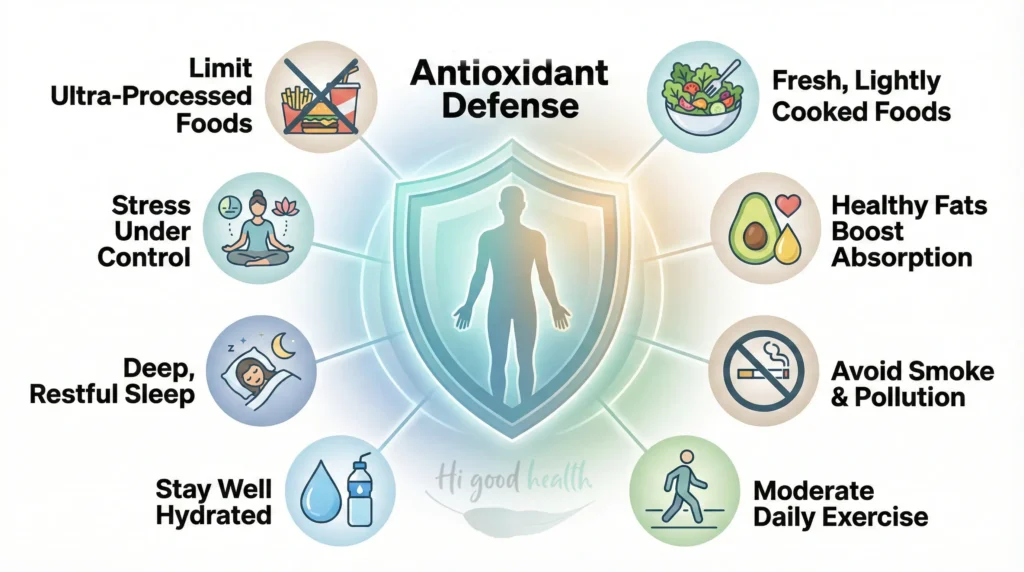
Boosting your antioxidant levels is not just about what you eat. It’s also about how you live. Small, consistent changes to your daily routine can enhance your body’s ability to absorb and use antioxidants more effectively.
Here’s how you can naturally support your antioxidant levels without relying on supplements:
If you are considering supplements or wondering what your body might be missing, it is important to approach them with the right knowledge. To know more about supplements, click here (15+ Essential Minerals That Protected Our Ancestors but Are Missing from Your Multivitamin)
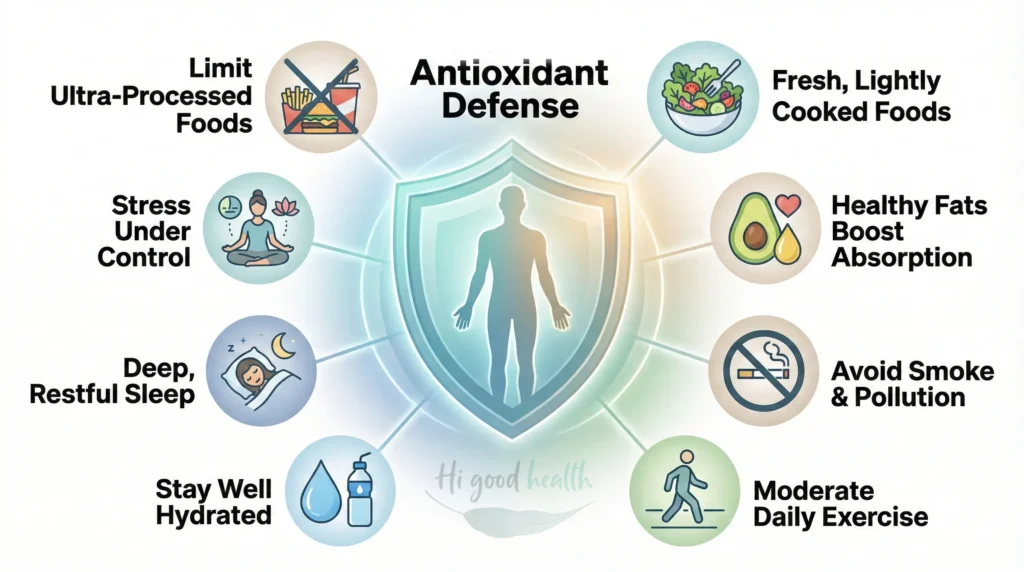
- Choosing fresh and minimally cooked meals. Overcooking can destroy antioxidants like Vitamin C and polyphenols. Light steaming or raw options preserve more nutrients.
- Combine antioxidants with healthy fats. Fat-soluble antioxidants like Vitamin E and beta-carotene are better absorbed when eaten with good fats like groundnut oil, coconut oil, or ghee.
- Avoid smoking and exposure to pollutants. These significantly increase free radical production in the body, putting more pressure on your antioxidant defences.
- Practice moderate, regular exercise. Physical activity stimulates the body’s natural antioxidant enzymes, but avoid overtraining, which can have the opposite effect. However, excessive or intense overtraining may temporarily increase oxidative stress.
- Stay hydrated. Proper hydration helps cells function well and supports antioxidant activity throughout the body.
- Get restful sleep. Quality sleep is when your body repairs itself. Antioxidant defence systems, including enzyme activity, are closely linked to circadian rhythms and may peak during deep sleep. [5]
- Manage daily stress levels. Chronic stress produces more free radicals. Simple habits like walking, yoga, pranayama, or mindfulness can help restore balance.
- Cut back on ultra-processed foods. These not only lack antioxidants, but they often contain preservatives and additives that increase oxidative stress. [3]
By aligning your lifestyle with these small but impactful habits, you allow your body to naturally rebuild its antioxidant shield, no pills required.
Smart Eating Tips: Cooking, Timing & Absorption Hacks for Maximum Antioxidant Power
Beyond eating, it’s about how you prepare, pair, and time your food, which affects how well your body can use antioxidants. Here are science-backed strategies to get the most out of every bite: [2]
Maximizing nutrient bio-availability often depends on the specific enzymes present in your tract. Understand the differences between digestive enzymes and probiotics for nutrient absorption, for detailed information, read our article.
Cook with care
- Light steaming, sautéing, or blanching helps retain water-soluble antioxidants like Vitamin C and folate.
- Avoid deep frying or prolonged high-heat cooking because it destroys delicate compounds.
- For tomatoes and carrots, gentle cooking actually increases antioxidant availability (like lycopene and beta-carotene).
Time your meals wisely
- Regular, well-spaced meals may help your digestive system better absorb nutrients.
- Eating antioxidant-rich foods during the day (especially breakfast and lunch) helps fuel your body when metabolic activity and environmental exposure are typically higher.
- Avoid heavy antioxidant meals late at night when your metabolism slows down.
Pair with healthy fats for better absorption
- Some antioxidants (like beta-carotene, Vitamin E, and lutein) are fat-soluble, meaning they need dietary fat to be absorbed.
- Add groundnut oil, coconut oil, ghee, nuts, or seeds to meals containing leafy greens, spinach, or orange veggies like carrots.
Add a citrus punch
- A little nimbu (lemon) juice or vinegar improves antioxidant activity and helps release iron and polyphenols from plant foods.
Avoid aluminium cookware
- Using stainless steel, cast iron, or ceramic cookware is safer, as some studies suggest that aluminium utensils may interfere with antioxidant compounds over time. [6]
By making small, intentional adjustments in your kitchen and daily routine, you can significantly improve how your body absorbs and utilises antioxidants—without drastically changing your diet.
Read more: https://pubmed.ncbi.nlm.nih.gov/19397724/
Final Thoughts: Keep Your Body in Balance with Antioxidants
Antioxidants play a powerful, often overlooked role in your health. They are your body’s internal defence team. They work constantly to repair damage, reduce inflammation, and keep illness at bay. When your antioxidant levels are strong, your body is more resilient, your energy is steadier, and your risk of chronic disease may be lower over time.
You do not need drastic changes or expensive fixes. Simple, daily choices like eating fresh, seasonal produce, minimising stress, sleeping well, and staying active can naturally restore balance.
Think of antioxidants not as a trend, but as a long-term health strategy. Start today with one small habit. Your future self will thank you.
Concerned about brain health? Explore our blog: Is Your Brain Getting Tired? Spot Early Signs & Prevent Alzheimer’s and Parkinson’s, to learn how to detect early warning signs and take preventive steps.
Key Takeaways
- Free radicals from pollution, fried and processed food, smoking, and stress cause oxidative stress that slowly damages your cells.
- Antioxidant rich foods such as amla, jamun, spinach, nuts, and turmeric are the safest and most effective way to boost your defences.
- The main antioxidant vitamins are Vitamin C, Vitamin E, and beta-carotene, backed by minerals like zinc and selenium.
- Your body makes glutathione, its “master antioxidant”; foods with glutathione and its building blocks, like spinach and sulphur-rich vegetables, support detox and repair.
- Whole foods beat supplements, a varied diet with plenty of antioxidants in vegetables and fruit usually covers your needs.
- How you cook, pairing with healthy fats, good sleep, and regular exercise all change how well your body uses antioxidants.
Frequently Asked Questions
1. What are free radicals in simple words?
Free radicals are unstable molecules your body produces as a normal by-product of turning food into energy. The National Cancer Institute calls them highly reactive chemicals that have the potential to harm cells. Pollution, tobacco smoke and strong sunlight add more on top of what your body already makes.
2. What causes oxidative stress?
Oxidative stress builds up when free radicals persistently outnumber the antioxidants available to neutralise them. The usual contributors are air pollution, smoking, alcohol, ultraviolet light, chronic poor sleep, ongoing psychological stress and a diet low in fruits and vegetables. A single hard workout or one polluted commute does not cause it — the definition turns on the imbalance being excessive and chronic.
3. What does antioxidant mean?
An antioxidant is a chemical that interacts with free radicals and neutralises them, so they cannot damage your cells. Some are made by your body, such as glutathione and superoxide dismutase, and others come from food, such as vitamin C, vitamin E and beta-carotene.
4. Are free radicals always bad for you?
No. Your immune cells produce free radicals deliberately to destroy bacteria, and they play a part in normal cell signalling. The aim is not to have zero free radicals, which is not possible, but to avoid the long-term excess that is called oxidative stress.
5. What are the best foods for antioxidants?
Focus on colourful whole foods. Top vegetarian sources include amla (Indian gooseberry), jamun, strawberries, dark leafy greens like methi (fenugreek) and palak (spinach), nuts, and spices such as turmeric. Even beverages like green tea and coffee provide a natural boost.
6. Can I take antioxidant supplements instead of eating vegetables?
It is better to get them from food. Whole foods provide a mix of nutrients that pills cannot replicate. Unless advised by a doctor, simply eating a balanced diet is the safest and most effective method.
7. How do I know if I need more antioxidants?
Common signs include constant fatigue, dull skin, slow wound healing, and frequent colds. If you feel mentally foggy or have unexplained muscle soreness, your body might be struggling to fight oxidative stress.
8. Do antioxidants help with anti-aging?
Yes. While they cannot stop aging entirely, they neutralise free radicals that damage cells. This helps slow down visible signs like skin aging and reduces the risk of age-related chronic diseases.
9. Does cooking destroy antioxidants in food?
High heat and deep frying can destroy nutrients, so opt for light steaming. However, cooking tomatoes and carrots actually helps your body absorb their specific antioxidants, like lycopene and beta-carotene.
10. Do I need to eat fat with antioxidants?
Yes, for some. Fat-soluble antioxidants like Vitamin E and beta-carotene need healthy fats to be absorbed. Pairing leafy greens or carrots with groundnut oil, coconut oil, ghee, or nuts helps you get the most nutrients.
11. Is it possible to have too many antioxidants?
Yes, but usually only from megadose supplements, which can cause an imbalance. It is best to get antioxidants naturally from whole foods, where the risk of “overdosing” is minimal and the benefits are higher.
12. How fast will I see results from eating more antioxidants?
Some people notice improved energy or clearer skin within a few weeks. However, antioxidants are a long-term strategy; their biggest benefit is building your body’s resilience and lowering disease risk over time.
13. Which fruits and vegetables are highest in antioxidants?
Among fruit with antioxidant power, amla (Indian gooseberry), jamun, pomegranate, oranges, and berries rank high. For antioxidants in vegetables, choose spinach, methi, beetroot, red cabbage, broccoli, and carrots. Eating a colourful mix each day gives you the widest range of protection.
14. Which foods are high in glutathione?
Your liver makes most of your glutathione, but foods with glutathione and its building blocks can help. Good choices include spinach, asparagus, okra (bhindi), avocado, and sulphur-rich vegetables like garlic and onion. A protein-adequate diet also supports your body’s own glutathione production.
15. What are the most important antioxidant vitamins?
The key antioxidant vitamins are Vitamin C, Vitamin E, and beta-carotene (which the body turns into Vitamin A). These vitamins and antioxidants work with minerals like zinc and selenium, so a mixed diet of fruit, vegetables, nuts, and whole grains covers them naturally.
All reference links valid and accessible on 10 April 2026
- Bassioni, G., Mohammed, F. S., Al Zubaidy, E., & Kober, I. (2012). Risk assessment of using aluminium foil in food preparation. International Journal of Electrochemical Science, 7, 4498–4509.
- National Institutes of Health, Office of Dietary Supplements. Selenium — Fact sheet for health professionals. https://ods.od.nih.gov/factsheets/Selenium-HealthProfessional/
- Pandey, K. B. & Rizvi, S. I. (2009). Plant polyphenols as dietary antioxidants in human health and disease. Oxidative Medicine and Cellular Longevity, 2(5), 270–278. PMCID: PMC2835915.
- National Cancer Institute. Antioxidants and Cancer Prevention.
- Harvard T.H. Chan School of Public Health, The Nutrition Source. Antioxidants.
Disclaimer
The content provided on higoodhealth.com is for general informational purposes only. While we strive to offer accurate and up-to-date content, much of the information is derived from publicly available sources and personal research. We do not make any warranties about the completeness, reliability, or accuracy of this information.
