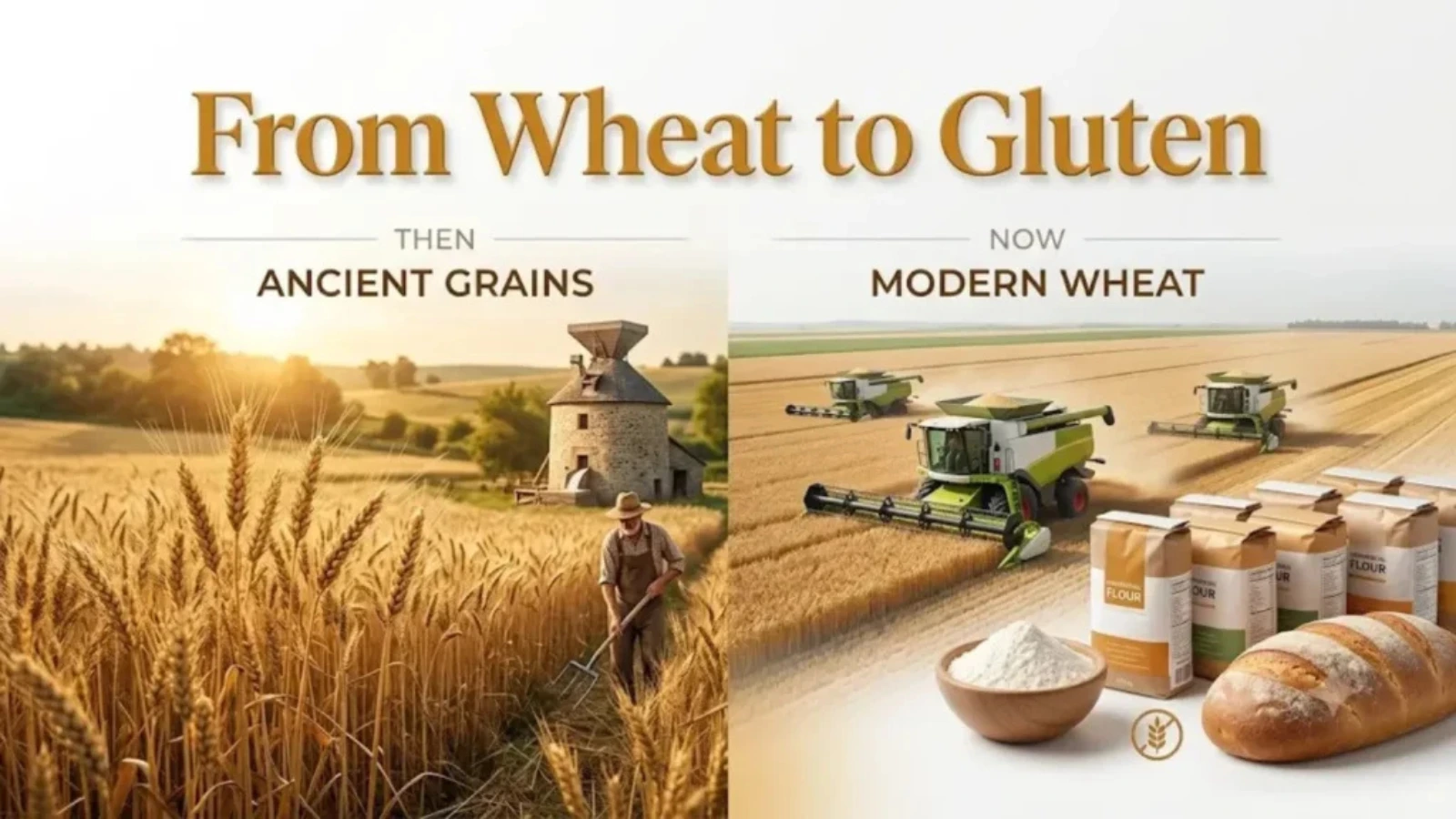
Wheat has anchored human civilisation for centuries, feeding people all over the world. But the wheat we eat today is not much like its ancient ancestor. Modern, industrialised farming has turned this formerly healthy grain into one that, for many, is linked to health problems such as gluten sensitivity, insulin resistance and digestive problems.
At a Glance: Has Wheat Changed, and Is That Why Gluten Problems Rose?
Wheat has changed, but probably not in the way the headlines say. Modern high-yield varieties do carry measurably less zinc, iron and copper than the wheats they replaced. What they do not appear to carry is more gluten — analyses of samples across the last century have not found the increase that the popular story depends on.
What changed far more than the grain is what we do with it. Vastly more of it is eaten as refined maida, in packaged food, and in bread fermented in ninety minutes rather than overnight.
Coeliac disease is also being diagnosed much more often, which is not the same as occurring much more often — the blood test only became widely available in recent decades.
The one thing to take away if you read nothing else: emmer, einkorn and khapli are not gluten-free. They are wheat. If you have coeliac disease, switching to an ancient variety does not help you and can harm you.
If you do not, gluten is not something you need to avoid, and the more useful question is how much of your wheat arrives already refined.
This article takes a closer look at the history of the transformation of wheat: Ancient Emmer wheat vs. Modern-day varieties in use today. We are going to touch on the differences nutritionally, reasons why Emmer may be a good return back to ancient grains, and what the health implications are for you!
The Original Wheat: Emmer, Einkorn and Khapli
Emmer wheat (Triticum dicoccum), also known as Khapli wheat in India, is one of the earliest cultivated forms of wheat, dating back over 10,000 years. It was a staple in ancient civilisations, including Egypt and Mesopotamia, and remains integral to traditional diets in parts of India and the Middle East.
Nutritional Profile of Emmer Wheat
Emmer wheat boasts a rich nutritional profile:
- Protein Content: Approximately 13.6–15.8%, providing essential amino acids.
- Fibre: Emmer wheat contains substantial dietary fibre (10.7-14.83g per 100g), (though comparative studies show mixed results depending on processing methods and wheat varieties tested) which aids in digestion and promotes satiety.
- Micronutrients: Rich in magnesium, zinc, and iron, which are vital for various bodily functions.
- Antioxidants: Contains higher levels of antioxidants like lutein, which support eye health and reduce inflammation.
These attributes make Emmer wheat a wholesome choice, contributing to overall health and well-being.
Ancient vs Modern Wheat: What the Green Revolution Changed
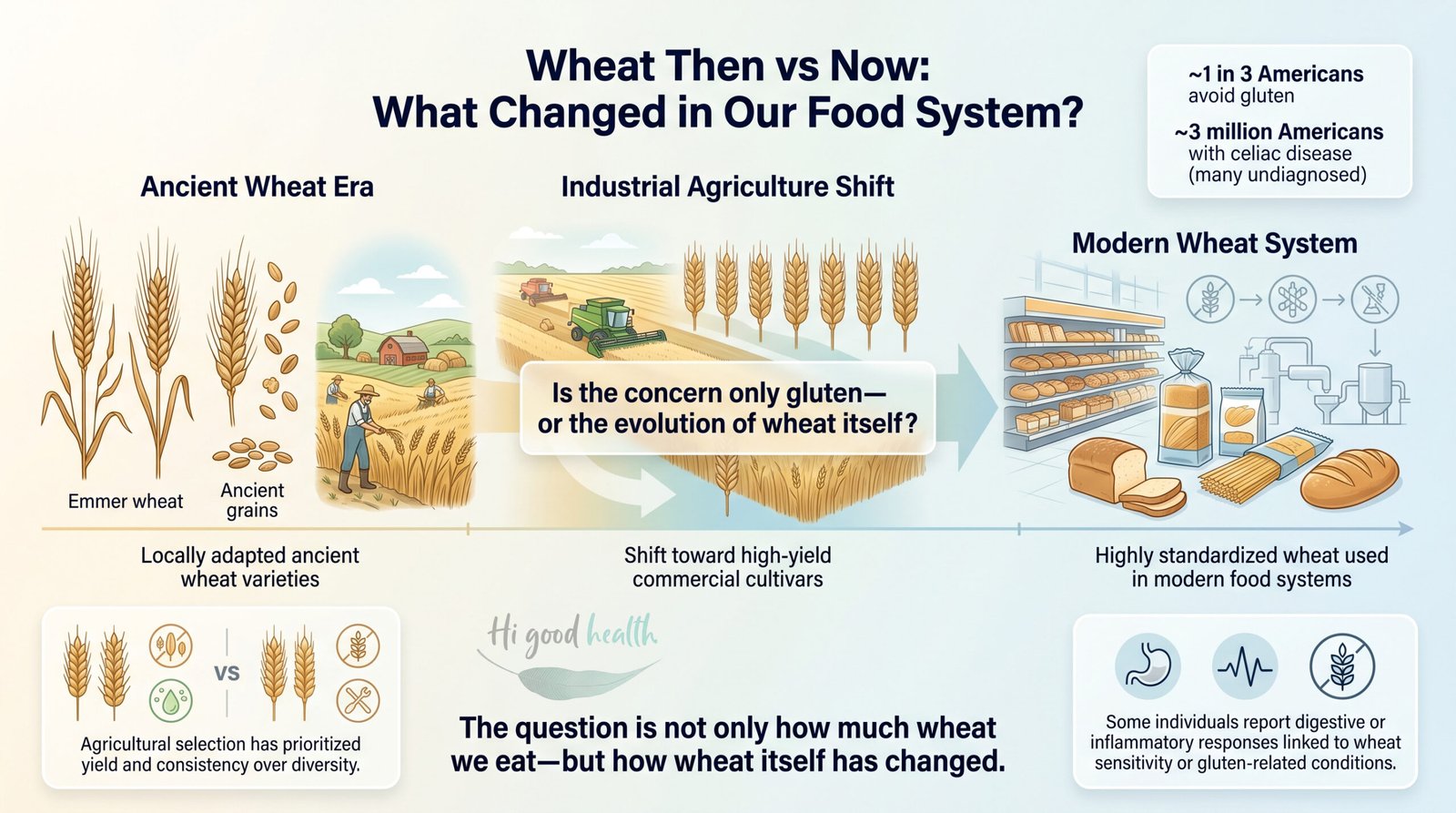
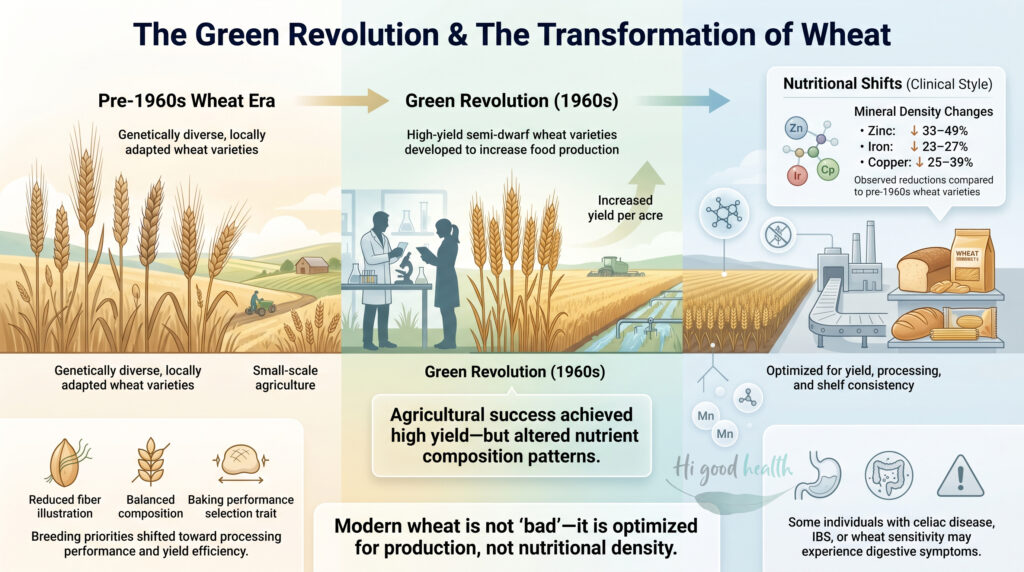
The alteration of wheat started during the Green Revolution in the mid-20th century. For feeding a growing population, agriculture was modified to have high-yielding, pest-resistant wheats. This resulted in the current modern varieties of wheat grown today, which are more productive but not anything like their ancient ancestors.
What Modern Wheat Lost: Minerals, Fibre and Variety
The focus on yield and resistance came at a cost.
- Reduced Nutritional Value: Modern wheat has significantly lower levels of zinc (33-49% reduction), iron (23-27% reduction), and copper (25-39% reduction) compared to pre-1960s varieties.
- Increased Gluten Content: Breeding for baking qualities led to higher gluten levels, which can be problematic for sensitive individuals.
- Digestive Issues: The altered protein structures in modern wheat added to digestive discomfort and inflammation.
- Reduced Fibre Density: Modern wheat varieties contain less dietary fibre compared to ancient grains, affecting gut health and satiety. These changes have raised concerns about the health implications of consuming modern wheat varieties.
The Modern Wheat You Eat Today
Today’s common wheat, primarily Triticum aestivum, is prevalent in processed foods and baked goods. While it offers certain advantages in terms of yield and baking properties, but it is the nutritional profile which raises concerns.
Nutritional Profile of Modern Wheat
- Protein Content: Approximately 15.9–18.4%, but with a higher proportion of gluten proteins.
- Fibre: Lower fibre content compared to ancient grains, which can affect digestive health. Ancient wheat varieties like einkorn and emmer contain 5.03-5.19% crude fibre compared to modern wheat, though research shows mixed results. Some studies indicate ancient wheats in whole grain form actually have slightly lower dietary fibre than modern whole wheat, while others show higher fibre density depending on processing methods
- Micronutrients: Reduced levels of essential minerals like magnesium and zinc. Modern wheat contains significantly reduced micronutrient levels since the 1960s:
- Zinc: Decreased by 33-49% in modern varieties compared to pre-1960s wheat
- Magnesium: Decreased by 20-27%
- Copper: Decreased by 25-39%
- Iron: Decreased by 23-27%
- These decreases occurred after the introduction of semi-dwarf, high-yielding wheat cultivars during the Green Revolution, while soil mineral concentrations remained stable.
To know more about essential minerals, refer to our detailed blog (60+ Essential Minerals That Protected Our Ancestors — but Are Missing from Your Multivitamin)
- Glycaemic Index: Higher glycaemic index, leading to rapid spikes in blood sugar levels, the difference is modest but significant:
- Modern wheat bread: Glycaemic Index of approximately 94.61
- Einkorn-enriched bread: Glycaemic Index reduced to 89.23 (about 5-6% lower)
- Ancient wheats like einkorn typically range from 83.0-85.7 GI, still in the high glycaemic index class but better than modern wheat for blood sugar management
- The improved glycaemic response in ancient wheats is attributed to their starch composition, with higher proportions of slowly digested amylose molecules.
These factors contribute to various health issues associated with modern wheat consumption.
What Gluten Actually Is, and Why It Gets Blamed
Gluten is not one substance. It is what forms when two families of wheat protein, gliadin and glutenin, meet water and are worked — kneading builds them into an elastic network, and that network is what lets dough stretch, trap gas and rise.
Every wheat has it. Barley and rye carry closely related proteins. Rice, maize, jowar, bajra, ragi and every other millet do not.
For most people gluten is simply food, digested and forgotten. For a minority it is a genuine problem, and the three ways that happens are different enough that treating them as one thing is where most of the confusion on the internet comes from.
Coeliac disease is autoimmune, affects roughly one person in a hundred worldwide, and shows up in Indian studies at broadly comparable rates — highest in the wheat-eating north. It is diagnosed with a blood test and usually confirmed by biopsy, and it requires lifelong, strict gluten avoidance.
Wheat allergy is a true allergy, immediate, and can be severe. It is rare, and it is not the same condition as coeliac disease even though both involve wheat.
Non-coeliac gluten sensitivity is the large, blurry middle. Real symptoms, no autoimmune damage, no allergy, and no test that confirms it.
It is diagnosed by exclusion, and there is good evidence that for many people the trigger is not gluten at all but the fermentable carbohydrates that travel with it — the FODMAPs — which is why some people who feel terrible after two slices of bread are fine with roti made from the same flour.
Gluten Intolerance, Gluten Sensitivity and Coeliac Disease: What Is Actually Linked to Wheat
The consumption of modern wheat has been linked to several health concerns:
1. Coeliac Disease
Coeliac disease is an autoimmune condition. In people who carry the genes for it, gluten triggers an immune reaction that damages the lining of the small intestine and impairs nutrient absorption. It is not caused by modern wheat, and it is not new — it has been described for centuries.
One point here is more important than everything else on this page. Emmer, einkorn, khapli and every other ancient wheat contain gluten. They are not safe for anyone with coeliac disease.
If you have coeliac disease, switching from modern wheat to an ancient variety does not help you; the only established treatment is a strictly gluten-free diet, which excludes all wheat, barley and rye.
Anyone who tells you otherwise is selling something.
You will also read that modern wheat contains more gluten than old varieties. The best available evidence does not support that. Analyses of wheat protein content in samples spanning the last century have found no meaningful increase in gluten.
What has changed a great deal is how much wheat we eat and in what form — far more of it refined, far more of it in packaged food, and far more of it in fast-fermented bread that skips the long proving traditional methods used.
- Autoimmune disorder
- Causes diarrhoea, weight loss, fatigue
- Triggered by gluten in genetically predisposed individuals
2. Non-Coeliac Gluten Sensitivity (NCGS)
Even without an autoimmune response, some individuals experience symptoms after consuming gluten, such as bloating, brain fog, or joint pain. This condition is called non-coeliac gluten sensitivity and may be more common due to the gluten profile of modern wheat.
- No intestinal damage like coeliac
- Symptoms mimic IBS, headaches, fatigue
- Improves on a gluten-free diet
3. Type 2 Diabetes & Insulin Resistance
Modern wheat has a high glycaemic index, It spikes blood sugar levels quickly, straining the pancreas and contributing to insulin resistance—a precursor to type 2 diabetes.
- Promotes blood sugar spikes
- Encourages belly fat storage
- Increases risk for metabolic syndrome
4. Irritable Bowel Syndrome (IBS)
Modern wheat contains FODMAPs (fermentable carbs) and altered gluten proteins, which trigger bloating, gas, and abdominal discomfort in IBS sufferers.
- Worsens symptoms in sensitive guts
- Linked to low-fibre intake and high gluten
- Emmer wheat may be better tolerated
5. Obesity
Frequent consumption of refined modern wheat (white bread, pasta, pastries) contributes to excess calorie intake with little satiety, leading to weight gain and obesity. it is also due to low satiety of modern wheat which leads to higher consumption.
- High in empty carbs, low in fibre
- Triggers frequent hunger
- Linked to inflammation and fat gain
5. Leaky Gut Syndrome (Increased Intestinal Permeability)
Some studies suggest modern gluten proteins can contribute to gut barrier dysfunction. This may allow toxins and undigested particles to enter the bloodstream, triggering systemic inflammation.
- Associated with chronic inflammation
- Worsens autoimmune conditions
- Not fully accepted in conventional medicine, but supported by emerging research
Signs of Gluten Intolerance, and How It Is Actually Tested
The symptoms overlap almost completely with a dozen other things, which is exactly why self-diagnosis goes wrong so often. Digestive signs are bloating, wind, loose motions or constipation, and abdominal pain, usually within hours of eating.
Beyond the gut, people report fatigue, brain fog, headache, joint aches and low mood. In coeliac disease specifically there may be unexplained weight loss, iron-deficiency anaemia that will not correct with tablets, mouth ulcers, an itchy blistering rash, and in children delayed growth or delayed puberty.
The single most important rule about testing: do not stop eating gluten before you are tested. Both the blood test and the biopsy look for the damage gluten is doing right now.
If you have been gluten-free for weeks, they can come back normal in someone who genuinely has coeliac disease, and you will be sent away with the wrong answer and no explanation for your symptoms. Get tested first, then change your diet.
- Blood test (tTG-IgA), plus total IgA. The first-line test, widely available in India and inexpensive. Total IgA is measured alongside it because people with IgA deficiency give a false negative otherwise.
- Endoscopy with a small-bowel biopsy. Still the confirmation in adults where the blood test is positive or the picture is unclear.
- Genetic testing (HLA-DQ2 / DQ8). Useful mainly to rule coeliac disease out. A large share of the population carries these genes and never develops the condition, so a positive result on its own means very little.
- Home gluten-intolerance kits. There is no validated home test for gluten sensitivity, and IgG food-intolerance panels are not recommended by any major allergy body. They generate long lists of foods to avoid and no reliable information.
- For suspected non-coeliac sensitivity, once coeliac disease and wheat allergy have been excluded, the honest method is a supervised elimination and structured reintroduction — ideally with a dietitian, because doing it alone tends to end in a diet that is narrower than it needs to be.
Is Gluten Bad for You? The Short, Unexciting Answer
If you do not have coeliac disease, a wheat allergy or demonstrated gluten sensitivity, there is no good evidence that gluten harms you, and no evidence that cutting it out makes a healthy person healthier.
Going gluten-free without a reason usually means eating fewer whole grains and less fibre, and gluten-free packaged products are frequently more refined, lower in fibre and more expensive than the foods they replace.
What is worth questioning is not the protein but the product. Maida in everything, bread proved in ninety minutes instead of overnight, biscuits and namkeen as everyday food rather than occasional food.
That is a real change in the Indian diet over two generations, it is measurable, and it has nothing to do with whether the wheat is ancient or modern.
Millets: The Alternative India Already Had
Long before gluten-free became a shelf in the supermarket, most of India ate grains that never contained gluten in the first place. Jowar, bajra, ragi, kodo, foxtail and little millet are naturally gluten-free, drought-hardy, and were the staple across large parts of the Deccan and the dry belt until wheat and rice displaced them.
For someone with coeliac disease this matters practically: a millet roti is not a substitute product bought at a premium, it is ordinary food with a long history, and ragi in particular carries more calcium than wheat while bajra carries more iron.
For everyone else, rotating millets into the week is a reasonable way to widen the diet without buying anything labelled gluten-free.
Two cautions worth stating. Millet flours behave differently from wheat and need either a binder or a different technique, so the first few attempts at a roti tend to crumble.
And commercial multigrain or millet atta very often contains wheat — sometimes as the main ingredient. If you are avoiding gluten for a medical reason, the ingredients list matters more than the word on the front of the packet.
What Traditional Indian Wheat Practices Got Right
- Stone grinding (chakki) retained wheat germ and bran, leaving essential nutrients in place , not always the case with today’s roller milling that strips these away.
- This process of soaking wheat overnight before grinding made wheat proteins easier to digest and also reduced gut irritation.
- In traditional fermentation (dosa, idli), antinutrients were automatically broken down in, thus increasing the nutrient availability.
- Rotis slow-cooked on clay chulhas retained more nutrients than those cooked fast in industry.
- Mixed cropping of millets and legumes increases soil fertility and quality of wheat.
- High altitude wheat (such as that from Himachal Pradesh and Kashmir) naturally contained higher protein due to better atmosphere and soil.
- Rain-fed wheat grew stronger roots when organic, taking up more minerals for better nutrition.
- Modern wheat breeding uses accelerated generation cycles of approximately 3-4 months using speed breeding protocols, compared to traditional single annual harvests, restricting the genetic stability and nutrient content.
- Glyphosate contamination in non-organic wheat can selectively kill beneficial gut bacteria while leaving opportunistic pathogens resistant.
- Old generation wisdom advocated consuming wheat with ghee to facilitate the absorption of fat soluble vitamins.
- When it was eaten together with lentils, a legume, it formed complete proteins for better nutrition.
- Rotate seasons with grains (wheat during the winter and rice in summer) that meet the digestive requirements of your body in different seasons.
Source:https://acrobat.adobe.com/id/urn:aaid:sc:AP:c8627668-06b2-4394-bae5-034f6a510b0f
To know more about grains, refer to our detailed blog (Are You Sure Wheat & Rice Are Good for Your Health – What’s the Best Grain in the World
Is Switching Back to Emmer or Khapli Wheat Worth It?
Reintroducing ancient grains like Emmer wheat into your diet can offer several health benefits:
- Improved Digestive Health
Higher fibre content aids in digestion, promotes regular bowel movements, and supports a healthy gut microbiome.
- Better Blood Sugar Control
Lower glycaemic index helps in maintaining stable blood sugar levels, reducing the risk of insulin resistance and type 2 diabetes.
- Enhanced Nutrient Intake
Rich in essential minerals and antioxidants, Emmer wheat contributes to overall nutritional adequacy.
- Reduced Inflammation
Antioxidants like lutein present in Emmer wheat have anti-inflammatory properties, which can help in reducing chronic inflammation.
Nutritional Comparison: Emmer Wheat vs. Modern Whole Wheat Flour (per 100g)
Nutrient | Emmer Wheat(Triticum dicoccum) | Modern Whole Wheat Flour(Triticum aestivum) |
Calories | 340 kcal | 339 kcal |
Protein | 14.5 g | 13.2 g |
Total Carbohydrates | 70.0 g | 72.0 g |
Dietary Fibre | 14.83 g | 10.7 g |
Fat | 2.4 g | 2.5 g |
Glycaemic Index (GI) | 45 | 71 |
Iron | 4.0 mg | 3.6 mg |
Magnesium | 128 mg | 137 mg |
Zinc | 4.8 mg | 2.6 mg |
Phosphorus | 387 mg | 357 mg |
Potassium | 407 mg | 363 mg |
Calcium | 35 mg | 34 mg |
Vitamin B1 (Thiamine) | 0.42 mg | 0.5 mg |
Vitamin B2 (Riboflavin) | 0.12 mg | 0.17 mg |
Vitamin B3 (Niacin) | 8.5 mg | 5.0 mg |
Folate | 43 µg | 44 µg |
Source:https://pdfs.semanticscholar.org/fa94/60c3a2684e2ec5d6921546f760a358a18bd1.pdf
Note: Nutrient values are approximate and can vary based on cultivation and processing methods.
Key Takeaways:
- Protein Content: Emmer wheat has a higher protein content, which is beneficial for muscle maintenance and overall health.
- Dietary Fibre: Emmer wheat contains more dietary fibre, aiding in digestion and promoting satiety.
- Glycaemic Index: Emmer wheat has a significantly lower GI, making it a better option for blood sugar management.
- Mineral Content: Emmer wheat is richer in zinc and phosphorus, essential minerals for immune function and bone health.
- Vitamin B3 (Niacin): Higher in Emmer wheat, supporting energy metabolism and nervous system health.
Key Takeaways
- Emmer, einkorn and khapli contain gluten. They are not safe for anyone with coeliac disease, and no ancient variety is.
- Modern wheat does not appear to contain more gluten than the varieties it replaced. It does contain measurably less zinc, iron and copper.
- Three different conditions get called the same thing — coeliac disease (autoimmune, testable, lifelong), wheat allergy (rare, immediate), and non-coeliac gluten sensitivity (real symptoms, no test, often FODMAPs rather than gluten).
- Do not go gluten-free before being tested. Both the blood test and the biopsy can read normal in someone who has already stopped eating gluten.
- Home IgG food-intolerance kits are not a diagnosis. No major allergy body recommends them.
- If you have no diagnosed reason to avoid gluten, avoiding it will not make you healthier — and gluten-free packaged food is usually more refined, lower in fibre and more expensive.
- Millets were India’s gluten-free staple long before the label existed. Ragi carries more calcium than wheat, bajra more iron. Check the ingredients on commercial multigrain atta, which very often contains wheat.
- The change worth worrying about is refining, not ancestry — maida in everything, and bread proved in ninety minutes instead of overnight.
Conclusion
The story of wheat, its ancient origins and the varieties we consume today illustrates the significance of what we do with the land we work on our well-being. Modern wheat is bred for yield and baking properties, but it is also often lower in nutritional content and less digestible.
Emmer wheat and its nutritional and health-promoting value represent an attractive alternative. Adding ancient grains, such as Emmer wheat, to your diet will modestly raise its mineral and fibre content. Claims that ancient grains correct digestion, lower inflammation or bring blood sugar back on track rest on small studies, and should be read as possibilities rather than results.
Emmer has a different gluten composition rather than less gluten, and a lower glycaemic index. Some people with non-coeliac gluten sensitivity report tolerating it better than modern wheat. In selecting Emmer wheat, you ‘get reacquainted’ with a grain that has a long place in Indian cooking.
One last repetition, because this is the part that can actually hurt someone: emmer contains gluten. If you have coeliac disease, no ancient wheat is an option for you, however it is marketed. The treatment is a strictly gluten-free diet, and millets are the traditional Indian grains that genuinely fit it.
More on Emmer and Khapli Wheat
1. Is Emmer wheat gluten-free?
No, Emmer wheat is not gluten-free and is unsafe for Coeliac disease. Emmer wheat has a different gluten composition with a higher gliadin-to-glutenin ratio, which some individuals with non-coeliac gluten sensitivity may tolerate better than modern wheat’s gluten structure.
2. Can Emmer wheat help manage blood sugar levels?
Emmer wheat has a lower glycaemic index than modern wheat (approximately 10-15% lower), though exact values vary based on processing methods.
3. Can switching to Emmer wheat help with weight loss?
Yes. Emmer wheat has higher protein and fibre than modern wheat, which improves satiety and reduces frequent hunger. Conversely, refined modern wheat is often linked to empty calories and belly fat storage.
4. Why does modern wheat cause bloating and digestive issues?
Modern wheat is bred for high gluten and contains fermentable carbohydrates (FODMAPs) that can trigger gas and bloating. Ancient Emmer wheat lacks these aggressive modern modifications, often making it easier to digest.
5. Is “Khapli” wheat the same as Emmer wheat?
Yes. “Khapli” is the Indian name for Emmer wheat (Triticum dicoccum). It is one of the earliest cultivated grains, dating back 10,000 years, and is prized for its rich nutrient profile.
6. Does Emmer wheat have more nutrients than regular wheat?
Yes. Emmer wheat is richer in essential minerals like zinc, magnesium, and iron compared to modern flour. It also contains higher levels of antioxidants like lutein, which support eye health and reduce inflammation.
7. Does soaking Emmer wheat make it healthier?
Yes. Traditional practices like soaking wheat overnight reduce gut irritation and make proteins easier to digest. This process also helps break down antinutrients, increasing the availability of essential vitamins and minerals.
8. How much zinc is in ancient wheat vs modern wheat?
Ancient Emmer wheat contains 4.8mg zinc per 100g, while modern wheat has only 2.6mg—85% more zinc in ancient varieties.
- Can diabetics eat Emmer wheat?
Emmer wheat has a 10-15% lower glycaemic index than modern wheat, making it a better option for blood sugar management, though portion control is still important.
Frequently Asked Questions
What are the signs of gluten intolerance?
Bloating, wind, loose motions or constipation and abdominal pain within a few hours of eating are the common digestive signs. Outside the gut, people report fatigue, brain fog, headache, joint aches and low mood. In coeliac disease specifically there may also be unexplained weight loss, iron-deficiency anaemia that does not correct with tablets, mouth ulcers, an itchy blistering rash, and in children delayed growth or delayed puberty. None of these is specific to gluten on its own, which is why the symptom list is a reason to get tested rather than a reason to change your diet.
Is emmer or khapli wheat gluten-free?
No. Emmer, einkorn, khapli, spelt and khorasan are all wheat, and all contain gluten. This is the single most important correction to make about ancient grains, because they are frequently marketed in a way that implies otherwise. If you have coeliac disease, switching from modern wheat to an ancient variety does not help you and can cause real harm. The only established treatment is strict avoidance of wheat, barley and rye.
How is gluten intolerance tested?
For coeliac disease, a tTG-IgA blood test with total IgA measured alongside it, usually confirmed in adults by an endoscopy with a small-bowel biopsy. Genetic testing for HLA-DQ2 and DQ8 is useful mainly to rule the condition out, since many people carry those genes and never develop it. There is no validated test for non-coeliac gluten sensitivity: it is diagnosed by excluding coeliac disease and wheat allergy first, then doing a supervised elimination and reintroduction. Critically, do not stop eating gluten before being tested. Both the blood test and the biopsy look for damage that is happening now, and going gluten-free first can produce a normal result in someone who genuinely has the condition.
Is gluten bad for you if you do not have coeliac disease?
On the current evidence, no. There is no good reason to think gluten harms people who do not have coeliac disease, a wheat allergy or demonstrated sensitivity, and no evidence that removing it makes a healthy person healthier. In practice a gluten-free diet adopted without a reason tends to mean fewer whole grains and less fibre, and gluten-free packaged products are usually more refined and more expensive than what they replace. The part of the modern diet worth questioning is the amount of refined flour in it, not the protein.
Does modern wheat contain more gluten than old varieties?
Probably not. This claim is repeated constantly, but analyses comparing wheat protein in samples spanning the last century have not found a meaningful increase in gluten content. What has measurably changed is mineral density, with modern high-yield varieties carrying substantially less zinc, iron and copper, and what has changed far more is how wheat is processed and how much of it we eat refined. The rise in coeliac diagnoses is also partly a rise in diagnosis rather than in disease, because the blood test only became widely available in recent decades.
What is the difference between coeliac disease and gluten sensitivity?
Coeliac disease is an autoimmune condition in genetically predisposed people, in which gluten damages the lining of the small intestine. It is confirmed by testing, it affects roughly one person in a hundred, and it requires lifelong strict avoidance because the damage continues whether or not you feel symptoms. Non-coeliac gluten sensitivity produces real symptoms without that autoimmune damage and without an allergy. It has no confirmatory test, and there is good evidence that for many people the trigger is the fermentable carbohydrates that travel with gluten rather than gluten itself. The practical difference is that coeliac disease is a medical diagnosis with a fixed treatment, while sensitivity is a working description that needs individual testing by trial.
Which Indian flours are naturally gluten-free?
Jowar, bajra, ragi, kodo, foxtail and little millet, along with rice flour, besan (gram), rajgira (amaranth), kuttu (buckwheat, despite the name) and singhara. Ragi carries more calcium than wheat and bajra more iron, so these are not merely substitutes. Two practical cautions: millet flours behave differently in the pan and usually need a binder or a different technique, and commercial multigrain or millet atta very often contains wheat, sometimes as the main ingredient. If you are avoiding gluten for a medical reason, read the ingredients rather than the front of the packet, and check that the mill or brand handles the flour separately from wheat.
Should I switch my atta to emmer or khapli wheat?
If you have coeliac disease, no. It contains gluten and will not help you. If you do not, it is a reasonable choice but a modest one. Ancient varieties are generally higher in some minerals and are usually sold stone-ground and less refined, which is most of where any benefit comes from, and they cost noticeably more. You would get a larger return for less money by shifting from maida to whole atta, keeping some bran in it, and rotating millets into the week. Buy khapli because you like it and can afford it, not because you have been told it is a different substance from wheat.
Glossary: Scientific and Medical Terms
Amylose
A type of starch molecule that digests slowly, leading to gradual blood sugar release rather than rapid spikes. Ancient wheats contain higher proportions of amylose compared to modern varieties.
Amino Acids
Building blocks of protein. There are nine “essential” amino acids the body cannot produce on its own and must obtain from food.
Antinutrients
Natural compounds in grains and legumes (like phytic acid) that can bind to minerals and reduce their absorption in the digestive system. Soaking, fermenting, and sprouting reduce antinutrients.
Autoimmune Reaction
A condition where the body’s immune system mistakenly attacks its own healthy tissues. In coeliac disease, gluten triggers an immune attack on the small intestine lining.
Coeliac Disease
An autoimmune disorder where consuming gluten causes the immune system to damage the small intestine’s lining, preventing proper nutrient absorption.
Cultivar
A plant variety that has been deliberately bred and selected for specific agricultural characteristics, such as yield, pest resistance, or baking quality.
FODMAPs (Fermentable Oligosaccharides, Disaccharides, Monosaccharides, and Polyols)
Short-chain carbohydrates that are poorly absorbed in the small intestine and ferment in the colon, causing gas, bloating, and digestive discomfort in sensitive individuals.
Gliadin
A component of gluten protein found in wheat. Gliadin is particularly responsible for triggering immune responses in coeliac disease and causing intestinal permeability issues.
Gluten
A group of proteins found in wheat (and related grains) that gives dough its elastic, chewy texture. Composed mainly of gliadin and glutenin proteins.
Gliadin-to-Glutenin Ratio
The proportion of gliadin proteins to glutenin proteins in wheat. Ancient wheats have a different ratio than modern wheat, which may affect digestibility and immune response.
Glutenin
One of the two main protein components of gluten, providing strength and elasticity to dough. Works alongside gliadin to create gluten structure.
Glycaemic Index (GI)
A numerical scale (0-100) that measures how quickly a food raises blood sugar levels after eating. High GI foods (70+) cause rapid spikes; low GI foods (55 or less) cause gradual increases.
Green Revolution
A period from the 1960s-1980s when agricultural practices were dramatically transformed through high-yield crop varieties, chemical fertilisers, and pesticides to increase food production globally.
Glyphosate
A widely used herbicide (weed killer) that is sometimes sprayed on wheat crops before harvest to speed drying. Residues can remain in grain and may affect gut bacteria.
Immunogenic
Capable of triggering an immune system response. Certain gluten peptides are highly immunogenic and provoke strong reactions in people with coeliac disease.
Insulin Resistance
A condition where the body’s cells become less responsive to insulin, requiring more insulin to move glucose from blood into cells. A precursor to type 2 diabetes.
Intestinal Permeability (Leaky Gut)
A condition where the lining of the small intestine becomes damaged, allowing undigested food particles, toxins, and bacteria to “leak” through into the bloodstream, triggering inflammation.
Irritable Bowel Syndrome (IBS)
A common digestive disorder characterised by abdominal pain, bloating, gas, diarrhoea, and/or constipation, often triggered by certain foods including wheat.
Lutein
A yellow-orange antioxidant pigment found in plants. Supports eye health by filtering harmful blue light and reducing oxidative stress in the retina.
Metabolic Syndrome
A cluster of conditions (high blood pressure, high blood sugar, excess belly fat, abnormal cholesterol) that increase the risk of heart disease, stroke, and type 2 diabetes.
Micronutrients
Vitamins and minerals needed in small amounts for proper body function, including zinc, iron, magnesium, and B vitamins.
Non-Coeliac Gluten Sensitivity (NCGS)
A condition where individuals experience symptoms similar to coeliac disease after consuming gluten, but without the autoimmune intestinal damage or positive coeliac blood tests.
Peptides
Short chains of amino acids. Gluten breaks down into peptides during digestion, some of which trigger immune responses in susceptible individuals.
Satiety
The feeling of fullness and satisfaction after eating. High-fibre, high-protein foods provide greater satiety and reduce hunger between meals.
Semi-Dwarf Wheat
Modern wheat varieties bred to have shorter stalks to prevent falling over (lodging) under heavy grain loads and fertiliser application. Widely adopted during the Green Revolution.
Systemic Inflammation
Widespread, chronic inflammation throughout the body (not just localised). Linked to many chronic diseases including obesity, diabetes, heart disease, and autoimmune conditions.
Tight Junctions
Microscopic seals between intestinal cells that control what passes from the gut into the bloodstream. When disrupted, they contribute to intestinal permeability (leaky gut).
Zonulin
A protein that regulates intestinal tight junctions. Gliadin (from gluten) triggers zonulin release, which loosens tight junctions and increases intestinal permeability.
Agricultural & Traditional Terms
Chakki
A traditional Indian stone mill used to grind wheat into flour. The slow grinding process preserves nutrients and keeps the wheat germ and bran intact.
Chulha
A traditional Indian clay or brick stove used for slow cooking. Retains more heat evenly and is gentler on nutrients compared to high-heat modern cooking methods.
Khapli Wheat
The Indian regional name for Emmer wheat (Triticum dicoccum), an ancient grain variety cultivated for over 10,000 years.
Roller Milling
Modern industrial milling process that removes bran and germ from wheat to create white flour. Faster than stone grinding but strips away nutrients and fibre.
Speed Breeding Protocols
Modern agricultural techniques that use controlled environments (extended light, temperature control) to grow multiple wheat generations per year (3-4 months per cycle instead of one annual harvest).
Wheat Germ
The nutrient-rich embryo of the wheat kernel, containing B vitamins, vitamin E, healthy fats, and minerals. Removed during roller milling of white flour.
Wheat Bran
The outer protective layer of the wheat kernel, rich in fibre, B vitamins, and minerals. Removed during processing of refined white flour.
Scientific Classification Terms
Triticum aestivum
The scientific name for common bread wheat, the most widely cultivated wheat species today.
Triticum dicoccum
The scientific name for Emmer wheat (Khapli wheat), an ancient wheat species with a diploid genome structure.
Disclaimer
The content provided on higoodhealth.com is for general informational purposes only. While we strive to offer accurate and up-to-date content, much of the information is derived from publicly available sources and personal research. We do not make any warranties about the completeness, reliability, or accuracy of this information.
