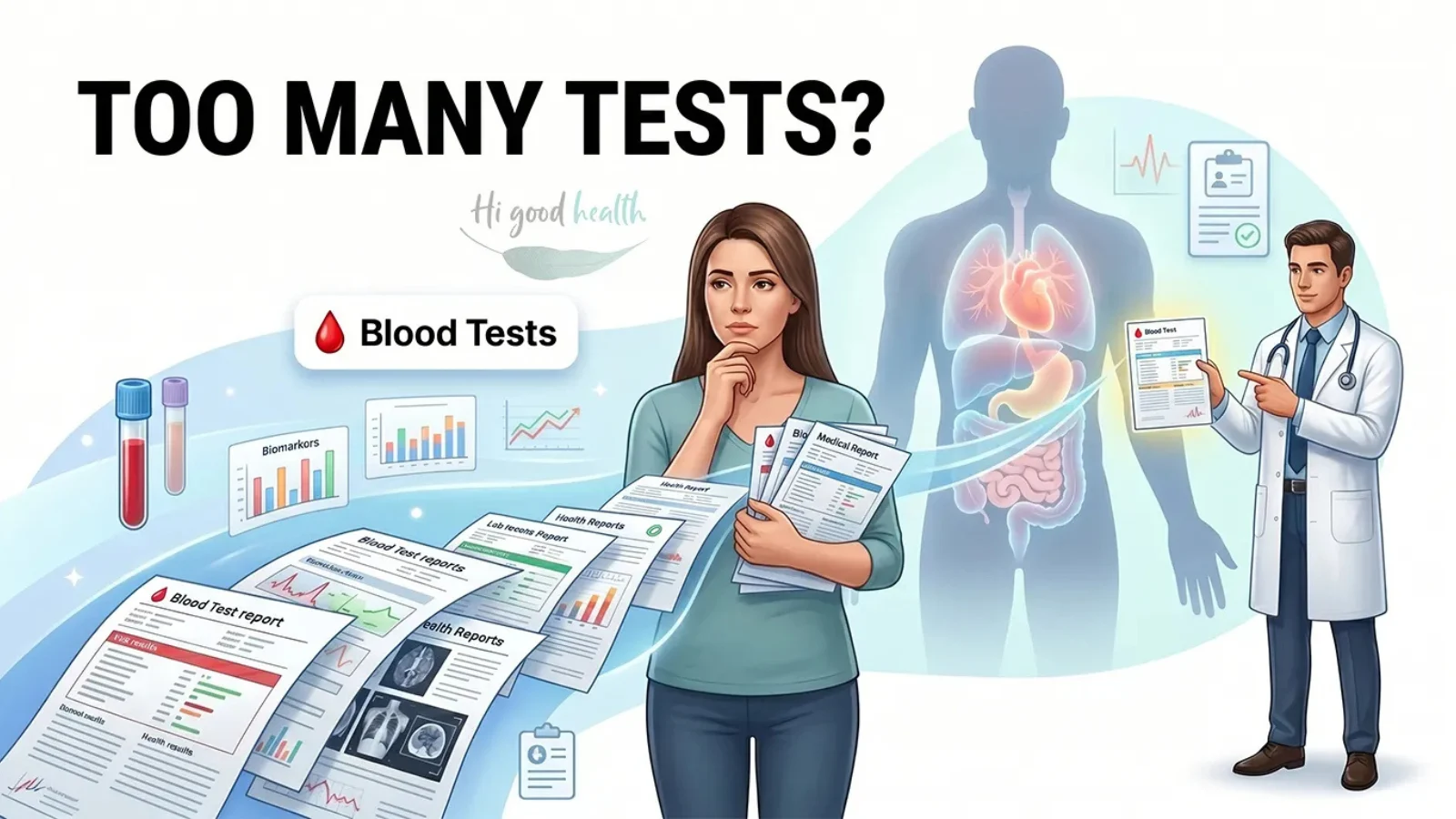
The Role of Diagnostic Tests in Modern Healthcare
At a glance
Frequent blood and diagnostic tests are only necessary when there is a clear clinical reason for them, not as an automatic routine. For everyday monitoring you can now use a blood test at home through home sample collection, a sugar test at home with a glucometer, or non-invasive wearables that track your heart rate, blood sugar trends and sleep. Talk to your doctor about which tests you actually need, keep your past results, and use a blood test at home to fill the gaps between visits [9].
In today’s healthcare landscape, blood tests and various other diagnostic examinations have become commonplace. From routine physicals to identifying the root cause of complex ailments, these tests — including blood panels, urine analyses, imaging scans like X-rays, MRIs, and CT scans, and specialized tests like EKGs or biopsies — serve a crucial purpose.
They provide a snapshot of our internal health, helping doctors detect diseases early, monitor chronic conditions, assess organ function, and tailor treatment plans. While undeniably valuable, the increasing frequency and types of tests advised can sometimes leave people wondering about their true necessity — and whether a simple blood test at home or a non-invasive wearable could do the job instead [3].
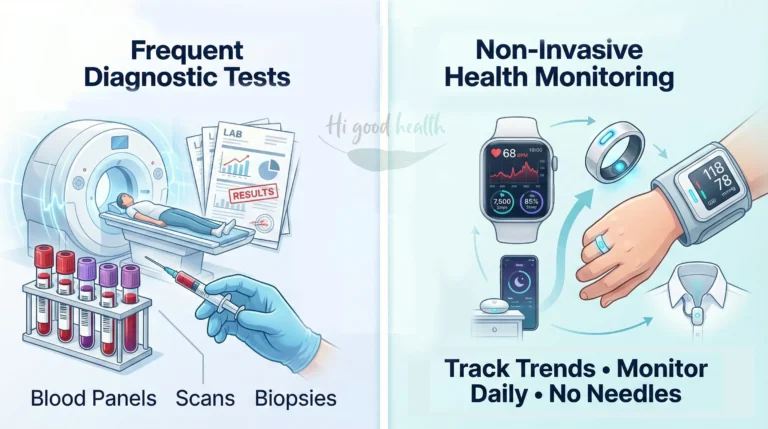
A Brief History and Evolution of Diagnostic Practices
The history of medical diagnostics is a fascinating journey from rudimentary observations to highly sophisticated technological marvels. Ancient physicians relied heavily on observing symptoms, examining urine, and even tasting it for signs of disease.
The 19th and 20th centuries saw significant advancements with the advent of microscopy, X-rays, and the isolation of blood components, paving the way for modern pathology. Today, we stand at the edge of personalized medicine, where diagnostic tools are becoming increasingly precise, capable of identifying genetic predispositions and even individual cellular anomalies. This evolution has undeniably improved our ability to diagnose and treat, yet it also prompts us to consider the balance between thoroughness and potential over-testing.
Routine screenings like the eGFR and creatinine tests are the “whispers” that allow you to catch kidney decline before it becomes a serious medical emergency. For insights on kidney-friendly foods and dietary habits that support kidney health, for detailed information, read our article.
The Value of Diagnostic Tests: Are Your Past Results Still Relevant?
Diagnostic tests, when judiciously used, are indeed invaluable tools. They offer objective data that complements a physician’s clinical assessment.
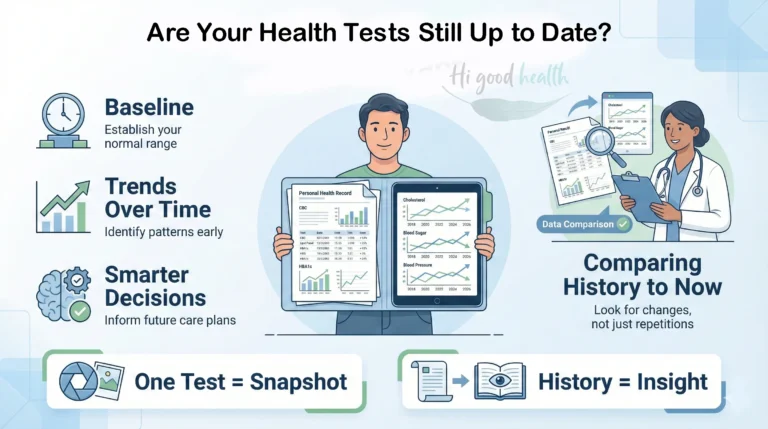
However, a common question arises: should you keep records of your previous test results, and are they still relevant? Absolutely! Maintaining a personal health record, including past test results, is highly recommended [5]. These records provide a crucial baseline and allow healthcare providers to track trends over time, which can be far more informative than a single snapshot. While some doctors may not always explicitly ask for past results, sharing them proactively can lead to more informed decisions and prevent unnecessary repeat tests.
Repeat Tests: How to Advocate for Yourself
It can be frustrating when a hospital or doctor insists on redoing tests, especially if you’ve recently had them done elsewhere. This often stems from various factors, including institutional policies, a desire for their own lab’s validated results, or simply a lack of access to your previous records.
To avoid duplicate costs and unnecessary procedures, proactive communication is key. Before any test, ask your doctor directly if previous results can be used. If they insist on a repeat, politely inquire about the specific reasons. You can also request that your previous results be transferred to the new facility. If you simply need routine bloodwork repeated, booking a blood test at home and carrying your earlier reports can help you avoid duplicate lab visits and costs. Being an informed and assertive patient, while maintaining respect, is crucial in handling such situations. Remember, your health and financial well-being are paramount.
More isn’t always better. To better understand how incorrect vitamin dosing can affect health, for detailed information, read our article.
Common Blood Tests in India: What They Check, Normal Ranges and Typical Cost
If you have been advised a blood test, it helps to know what each one actually measures, what a healthy result looks like, and what it typically costs in India. The table below covers the tests Indians are asked for most often — from a complete blood count (CBC) to a lipid profile, HbA1c, thyroid (TSH) and vitamin D.
| Test | What it checks | General healthy range | Typical cost (India) |
|---|---|---|---|
| CBC (complete blood count) | Haemoglobin, white cells and platelets — anaemia, infection, clotting | Haemoglobin ~13–17 g/dL (men), ~12–15 (women) | ₹150–400 |
| Fasting blood sugar | Blood glucose after fasting — diabetes screening | 70–100 mg/dL normal; 100–125 prediabetes | ₹80–150 |
| HbA1c | Average blood sugar over about 3 months | Below 5.7% normal; 5.7–6.4% prediabetes | ₹300–600 |
| Lipid profile | Cholesterol and triglycerides — heart risk | LDL below 100; HDL above 40 (men)/50 (women); triglycerides below 150 mg/dL | ₹400–800 |
| TSH (thyroid) | Thyroid function | About 0.4–4.0 mIU/L | ₹200–500 |
| Vitamin D | Vitamin D status (deficiency is very common in India) | 30–100 ng/mL sufficient; below 20 deficient | ₹800–1,800 |
These reference ranges are a starting point, not a diagnosis. Normal values differ slightly between laboratories, and results should always be read alongside your symptoms and history by a doctor. Costs also vary between cities, labs and home-collection services.
Blood Test at Home: A Convenient Alternative to Frequent Lab Visits
One of the biggest reasons people skip routine testing is the hassle of travelling to a lab, and a blood test at home removes that hurdle. Most major diagnostic labs in India now offer a blood test at home, where a trained phlebotomist visits to collect your sample.
You can book a lab test at home online or search for a “blood test at home near me”, choose a blood test at home package, and pick a slot that suits you. For seniors, busy families, and anyone managing a chronic condition, a blood test at home means regular bloodwork without repeated clinic trips [9].
So what can a blood test at home actually cover? It handles most of the everyday checks your doctor is likely to order:
- Sugar test at home: A finger-prick glucometer gives an instant blood sugar reading, and a continuous glucose monitor (CGM) tracks blood sugar through the day.
- HbA1c test (a1c home test): Shows your average blood sugar over about three months, useful if you are watching for or managing diabetes.
- At home cholesterol test: A lipid profile checks total, LDL and HDL cholesterol, either through home sample collection or a self-test kit.
- Thyroid test: A simple TSH check is part of almost every home blood-test package.
- CBC test: A complete blood count screens for anaemia, infection, and other common issues and is a staple of full-body home packages.
How to book a blood test at home in India
- Pick a lab and a blood test at home package that matches what your doctor ordered.
- Book your blood test at home slot online or by phone, and note any fasting instructions.
- A phlebotomist visits for sample collection; your blood test at home reports usually arrive digitally within a day or two.
Cost is another reason a blood test at home has become popular in India. Home-collection packages are often priced the same as walk-in tests, with the visit fee waived above a minimum order, so a blood test at home can work out cheaper once you factor in travel and time off work.
For many families, a blood test at home has quietly become the default way to get routine bloodwork done.
A word of caution: a blood test at home is only as reliable as the lab behind it.
Choose an NABL-accredited provider for your blood test at home, follow fasting instructions where needed, and treat any blood test at home or self-test result that looks off as a prompt to see your doctor rather than a final diagnosis [10]. A blood test at home makes monitoring easier and cheaper, but it does not replace clinical judgement.
What Every Individual Should Know and Discuss with Their Doctor
As an empowered individual, understanding your health journey is paramount. You should always feel comfortable discussing your health history, including past diagnostic tests and medications, with your doctor.
If you have concerns about the necessity of a particular test or wish to explore alternatives — such as a blood test at home or a wearable monitor — voice them clearly and respectfully. A good physician will appreciate your engagement and be open to discussing your concerns. They should explain the rationale behind their recommendations and address your questions. Remember, healthcare is a partnership, and your active participation leads to better outcomes. Don’t be afraid to ask “why” or seek a second opinion if you feel it’s necessary for your peace of mind.
The Rise of Non-Invasive Alternatives: Wearable Diagnostic Devices
The landscape of health monitoring is rapidly expanding beyond traditional clinical settings. The advent of wearable diagnostic devices offers exciting non-invasive alternatives for continuously tracking various physiological parameters.
These devices, ranging from smartwatches to specialized patches, can provide real-time data on heart rate, sleep patterns, activity levels, oxygen saturation, and even aspects of stress and recovery. They empower people to take a more active role in their health management, detect anomalies early, and understand the impact of their lifestyle choices on their wellbeing.
Reliability and Features of Wearable Health Devices
The reliability of wearable devices has significantly improved, with many now offering clinical-grade accuracy for specific metrics [4].
While they are not a substitute for professional medical diagnosis, they serve as excellent tools for continuous monitoring and early detection. Here’s a comparative overview of some popular wearable health devices and their features that are widely available today:
| Device Type | Popular Makes/Models | Key Features | Approximate Cost (USD) |
| Smartwatches | Apple Watch (Series 9, Ultra 2), Samsung Galaxy Watch (6, Classic), Fitbit Sense 2 | Heart rate tracking, ECG, SpO2, sleep tracking, activity monitoring, fall detection, temperature sensing | $250 – $800+ |
| Fitness Trackers | Fitbit Charge 6, Garmin Vivosmart 5, Whoop 4.0 | Activity tracking, sleep stages, heart rate, stress monitoring, recovery insights | $100 – $300 (Whoop is subscription-based) |
| Smart Rings | Oura Ring Gen3, Ultrahuman Ring Air | Sleep analysis, heart rate variability (HRV), body temperature, activity tracking, recovery insights | $300 – $400 |
| Continuous Glucose Monitors (CGM) | Dexcom G7, Abbott FreeStyle Libre 3 (prescription required) | Real-time glucose readings, trend analysis, alerts for highs/lows | Varies with plan; typically $60-$100 per sensor (2-week supply) |
| Smart Scales | Withings Body Cardio, Renpho Smart Scale | Weight, BMI, body composition (body fat, muscle mass, bone mass, water percentage) | $30 – $180 |
Note: Costs are approximate and can vary based on retailer, sales, and specific model. CGM devices typically require a prescription.
For senior citizens, these devices offer a critical safety net by providing immediate alerts during medical emergencies. Explore the life-saving benefits and accuracy of wearable health technology for the elderly, for detailed information, read our article.
Safety and Risks of Wearable Devices
A common concern regarding wearable devices is their safety, particularly concerning radiation exposure from continuous wear. The good news is that these devices typically operate using very low-power wireless technologies like Bluetooth, which emit non-ionizing radiation far below levels considered harmful by regulatory bodies.
Major health organizations, including the World Health Organization (WHO) [1] and the U.S. Food and Drug Administration (FDA) [2], have not found conclusive evidence of health risks from typical exposure levels from these devices when used as intended. It’s always wise to buy devices from reputable manufacturers and follow their usage guidelines.
The Wisdom of “Good Old Physicians” and Modern Practice
It’s a valid point to reflect on the era of “good old physicians” who seemingly relied more on keen observation and a thorough physical examination rather than an extensive battery of tests. While the value of clinical acumen remains paramount, modern medicine has advanced significantly.
Diagnostic tests, when used appropriately, are not a waste of time or money. They provide objective data that can confirm a diagnosis, identify underlying issues not apparent through observation alone, and guide targeted treatments. The ideal approach combines the best of both worlds: a physician’s observational skills and full patient history, supported by strategic and necessary diagnostic testing. The challenge lies in avoiding over-testing and ensuring every test ordered serves a clear purpose.
How Far to Rely on Self-Monitoring Devices: An Advisement to Patients
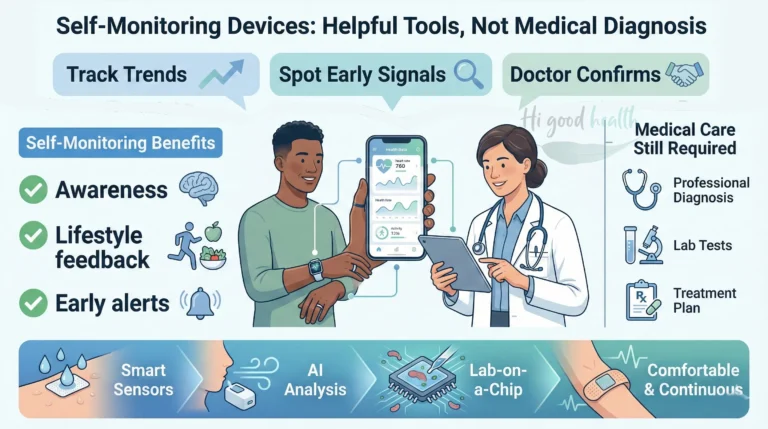
Wearable devices are powerful tools for self-health monitoring, promoting awareness and empowering people to take a more proactive role in their wellbeing. They can provide valuable insights into trends, identify potential issues early, and help you understand the impact of lifestyle changes.
However, it’s crucial to remember that these devices are monitoring tools, not diagnostic tools. They should complement, not replace, professional medical advice. If a wearable device indicates a concerning anomaly, it’s a signal to consult your doctor for a proper diagnosis and treatment plan. Always discuss the data from your wearables with your healthcare provider to gain the most benefit and ensure accurate interpretation. When a wearable flags something, a follow-up blood test at home is an easy way to get the actual numbers checked.
Latest Scientific Developments in Non-Invasive Diagnostics
The field of non-invasive diagnostics is a rapidly evolving area of scientific research. Innovations are continuously emerging to make health monitoring more accessible, accurate, and less intrusive. Some exciting developments include:
- Advanced Biometric Sensors: Next-generation sensors capable of detecting a wider range of biomarkers from sweat, tears, or even breath, potentially allowing for non-invasive glucose monitoring, electrolyte balance, and stress hormone tracking.
- AI and Machine Learning Integration: Artificial intelligence is being used to analyze vast amounts of data from wearables, identify subtle patterns, and predict health risks more accurately.
- Miniaturization and Integration: Devices are becoming smaller, more comfortable, and seamlessly integrated into everyday items, making continuous monitoring less obtrusive.
- “Lab-on-a-Chip” Technologies: These microfluidic devices aim to perform complex laboratory tests on a tiny chip, potentially allowing for rapid, point-of-care diagnostics with minimal sample requirements.
These advancements hold immense promise for the future of personalized and preventive healthcare, potentially reducing the reliance on frequent invasive tests while enhancing our ability to understand and manage our health proactively.
The Bottom Line: Smarter Testing, Not More Testing
While traditional blood and diagnostic tests remain indispensable components of modern medicine, a balanced perspective is essential. Frequent testing should always be purposeful, driven by clinical need, and discussed openly between patient and physician.
The emergence of reliable, convenient options — from a blood test at home to safe non-invasive wearable technologies — offers a powerful complement, empowering people with continuous self-monitoring. By understanding the purpose of tests, advocating for informed decisions, and wisely using innovative health tech, we can manage our health journeys more effectively, making choices that truly serve our wellbeing without unnecessary procedures. The future of health monitoring lies in smart integration, personal empowerment, and a collaborative approach between people and their healthcare providers.
Key Takeaways
- Frequent testing isn’t automatically better — every test should have a clear purpose you discuss with your doctor.
- A blood test at home through home sample collection saves clinic trips for routine checks like a sugar test at home, thyroid test, or at home cholesterol test.
- Wearables — smartwatches, CGMs, and smart rings — are monitoring tools, not diagnostic ones; they flag trends, not diagnoses.
- Keep your past results: trends over time tell your doctor more than a single snapshot.
- A blood test at home package can cover blood sugar, HbA1c (a1c home test), cholesterol, and a CBC test, but confirm anything abnormal with a lab or physician.
- Non-invasive testing is growing fast, yet it complements — it does not replace — professional medical advice.
FAQ Section
1. How often should a healthy person get blood tests?
Frequent testing isn’t always necessary; it should be purposeful and driven by clinical need. While annual check-ups are common, extensive routine testing depends on your specific health history. Discuss the necessity of specific tests with your physician.
2. Can smartwatches and health trackers replace a doctor’s diagnosis?
No. While many devices now offer clinical-grade accuracy for specific metrics, they are strictly monitoring tools, not diagnostic ones. They should complement professional advice, not replace it. Always consult a doctor for a proper diagnosis.
3. Are wearable health devices safe to use daily?
Yes. These devices generally operate using low-power wireless technologies like Bluetooth. They emit non-ionizing radiation far below harmful levels, and organizations like the FDA and WHO have not found conclusive evidence of health risks.
4. Are wearable devices covered by health insurance?
Most consumer smartwatches are not covered. However, medical-grade devices like Continuous Glucose Monitors (CGMs) typically require a prescription and may be covered depending on your specific insurance plan. Check with your provider for details.
5. How accurate are wearable heart monitors compared to an EKG?
Wearables are excellent for tracking trends and detecting anomalies early , but they are not a substitute for a medical-grade EKG. If your device indicates an irregularity, use that data as a signal to see a doctor.
6. Can I refuse a diagnostic test ordered by my doctor?
Yes, you should feel comfortable discussing your concerns or asking about alternatives. A good physician will explain the rationale behind the recommendation. Ask “why” to ensure the test is necessary for your peace of mind.
7. How can I avoid unnecessary repeat blood tests?
Proactive communication is key. Before a test, ask if previous results can be used and request that your records be transferred to the new facility. This can avoid duplicate costs and procedures.
8. Is it worth keeping my own past medical results?
Absolutely. Maintaining a personal health record provides a crucial baseline for tracking trends over time. Sharing historical data with your doctor often leads to more informed decisions than looking at a single snapshot of your health
9. Can I get a blood test at home in India?
Yes. Most major diagnostic labs in India offer a blood test at home. You book a slot online or by phone, a trained phlebotomist visits to collect your sample, and your reports usually arrive digitally within a day or two.
10. What tests are included in a blood test at home package?
A typical blood test at home package covers blood sugar, an HbA1c test, a lipid profile (at home cholesterol test), a thyroid test (TSH) and a CBC test. You can also add specific tests your doctor recommends.
11. Is a sugar test at home as accurate as a lab blood sugar test?
A sugar test at home with a good glucometer is reliable for day-to-day tracking of blood sugar, but it can vary slightly from a lab reading. For a diagnosis or a change in medication, confirm with a lab HbA1c test or a fasting blood sugar test.
12. Is a blood test at home safe and reliable?
A blood test at home is safe and reliable when you use an NABL-accredited lab and follow any fasting instructions. Treat it as convenient sample collection, and always confirm an abnormal result with your doctor.
All reference links valid and accessible on 7 July 2026
- World Health Organization (WHO): https://www.who.int/ (For general health guidelines and information on medical technologies)
- U.S. Food and Drug Administration (FDA): https://www.fda.gov/ (For information on approved medical devices and regulatory guidance)
- American Academy of Family Physicians (AAFP): https://www.aafp.org/ (Offers patient-focused information and guidelines on preventive care)
- Harvard Health Publishing: https://www.health.harvard.edu/ (Reliable source for evidence-based health information and articles on diagnostic tests and health technology)
- Mayo Clinic: https://www.mayoclinic.org/ (Detailed information on various medical conditions, diagnostic tests, and health topics)
- Journal of the American Medical Association (JAMA): https://jamanetwork.com/journals/jama (For scientific articles on medical practices and research)
- “Deep Medicine: How Artificial Intelligence Can Make Healthcare Human Again” by Eric Topol, MD (Explores the role of technology and AI in transforming healthcare and empowering patients.)
- “The Patient Will See You Now: The Future of Medicine Is in Your Hands” by Eric Topol, MD (Discusses how digital technologies are shifting power to patients.)
- Indian Council of Medical Research (ICMR): https://www.icmr.gov.in/ (National guidelines on preventive screening and diagnostic testing in India)
- All India Institute of Medical Sciences (AIIMS): https://www.aiims.edu/ (Clinical guidance and patient information from India’s leading medical institute)
Disclaimer
The content provided on higoodhealth.com is for general informational purposes only. While we strive to offer accurate and up-to-date content, much of the information is derived from publicly available sources and personal research. We do not make any warranties about the completeness, reliability, or accuracy of this information.