Nutritional Science & Supplementation
Vitamin D and B12 deficiency are both common in India, and so is supplementing for either without ever testing. These guides cover what the nutrients do, what falling short looks like, and when a supplement is genuinely the answer. Browse the latest guides below.
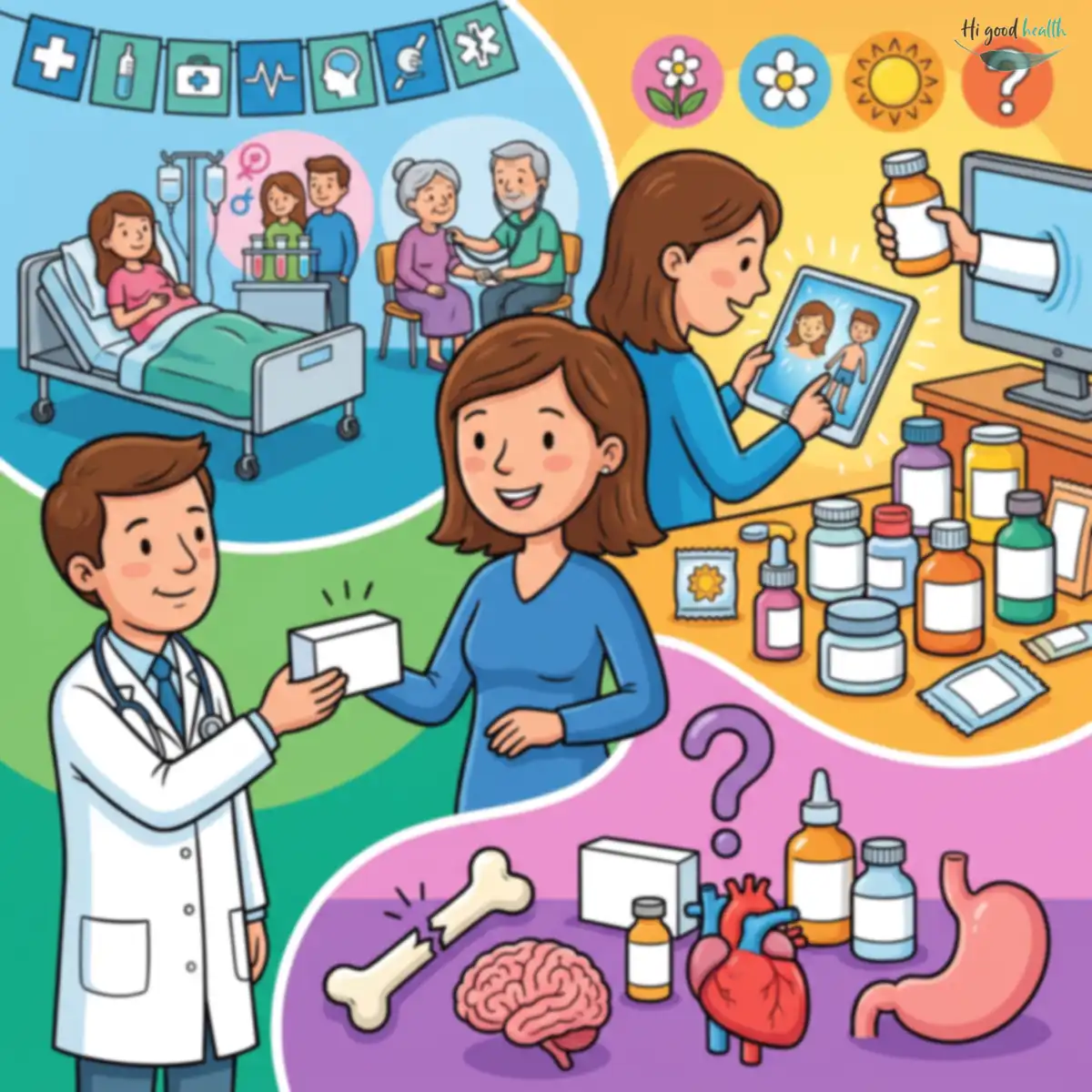
Peptides in Women’s Health in India: What’s Approved, What’s Marketed
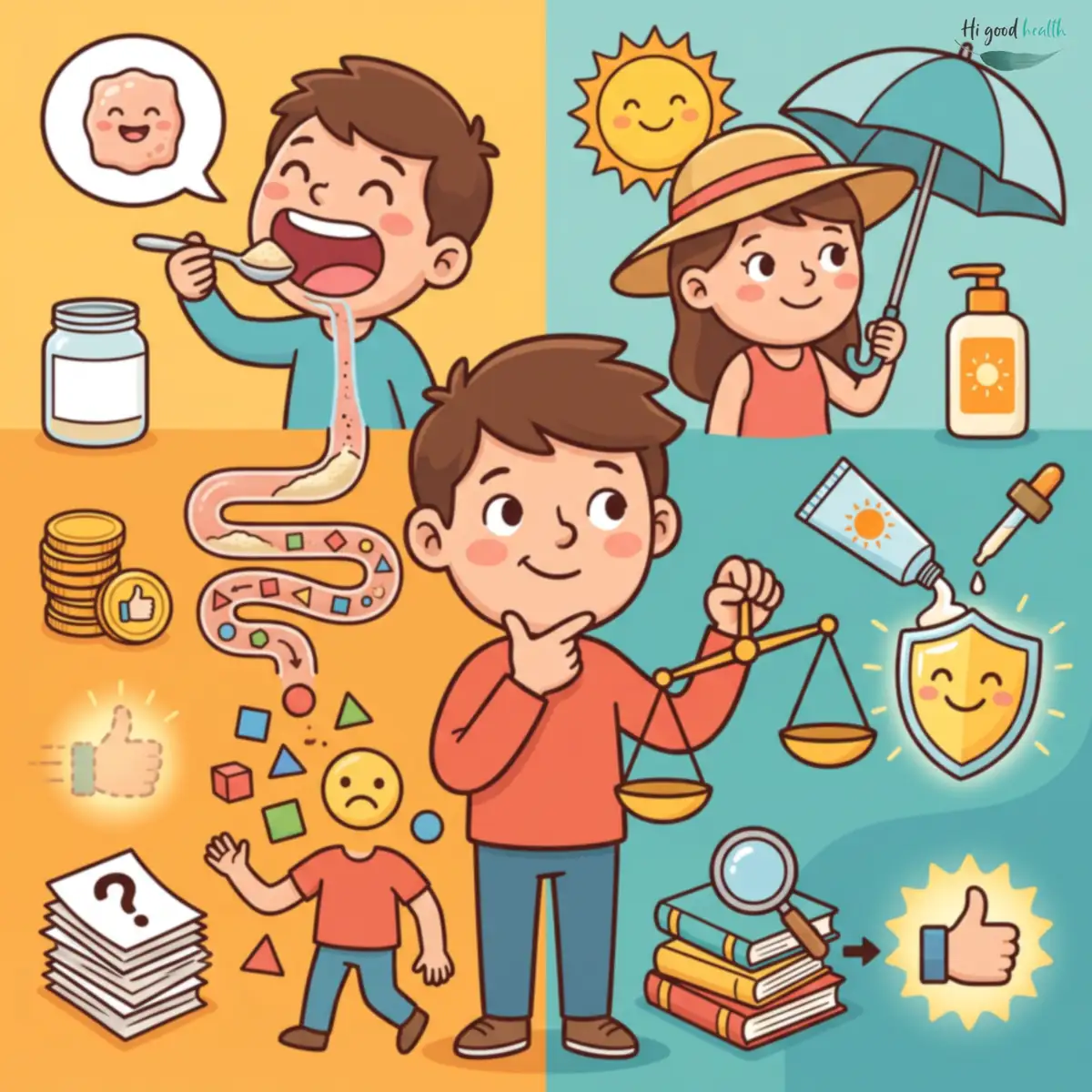
Collagen Peptides in India: What the Evidence Actually Shows for Skin, Hair and Nails
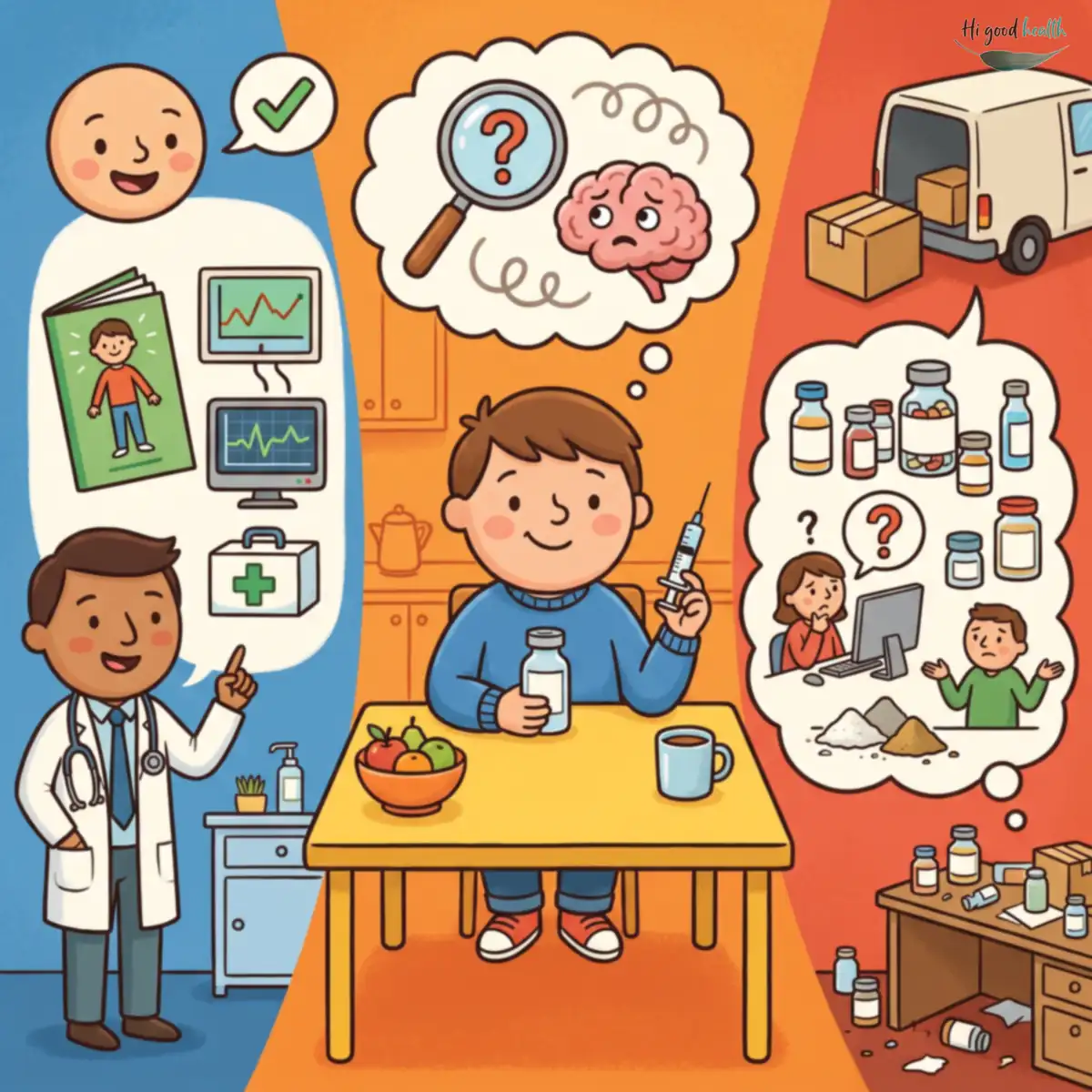
Peptide Side Effects and Risks in India: What the Research Actually Shows
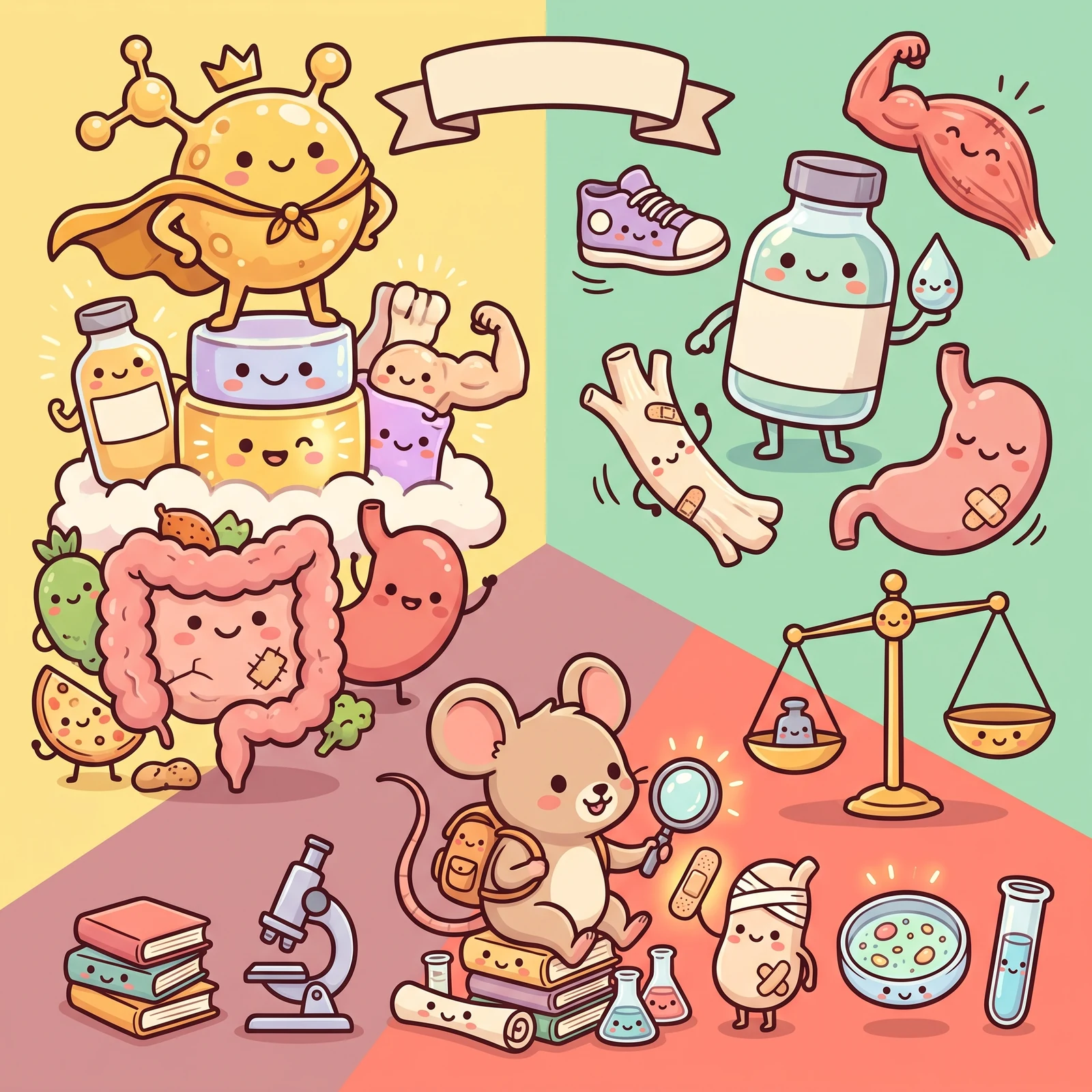
BPC-157 in India: What the Evidence Actually Shows, and Where It Stands
TB-500 in India: What It Is, What the Evidence Shows, and Why Athletes Cannot Touch It
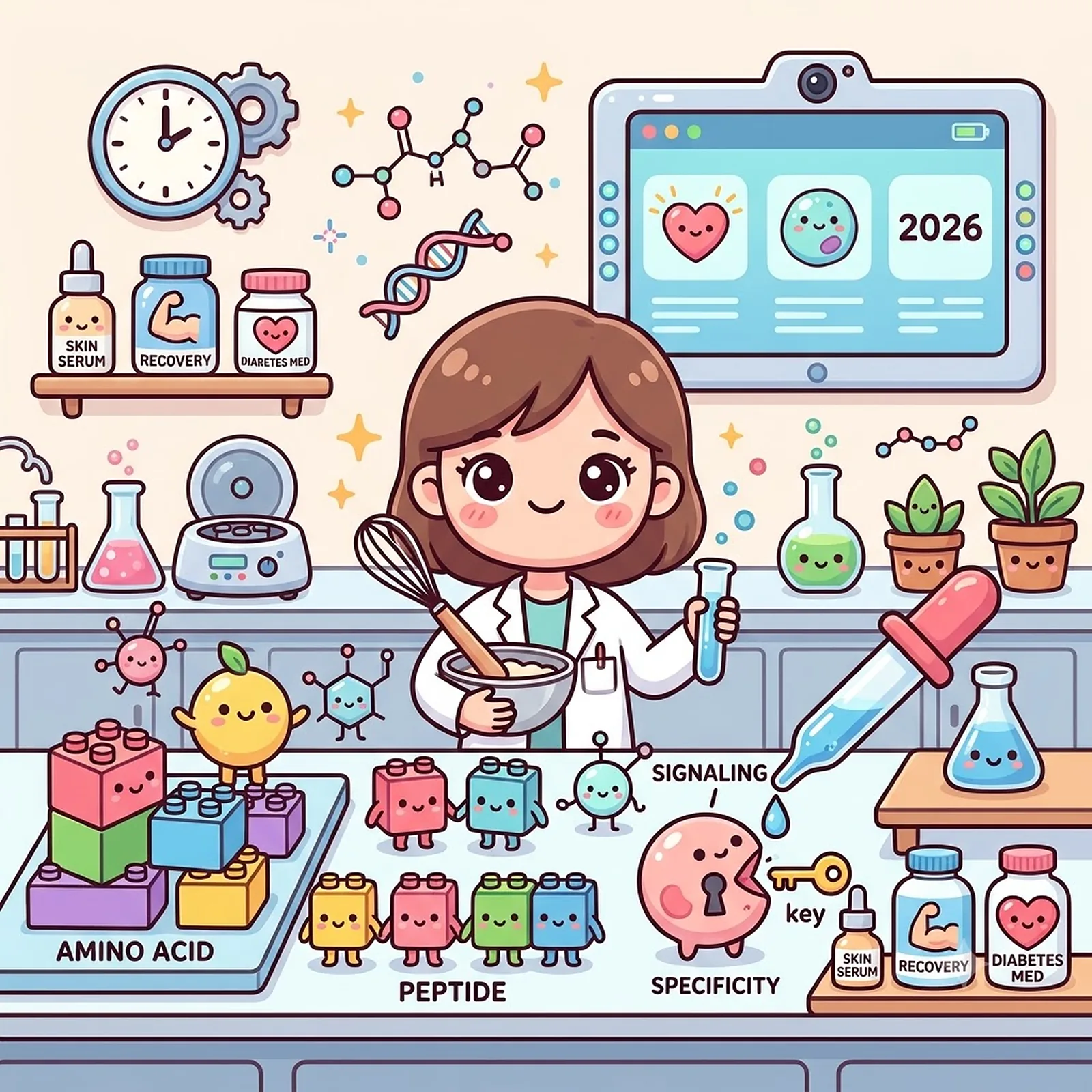
Peptides in India: What They Are, Which Ones Are Real Medicines, and What Is Being Sold to You
Most Indians already take a peptide. It is called insulin, and about a hundred million…
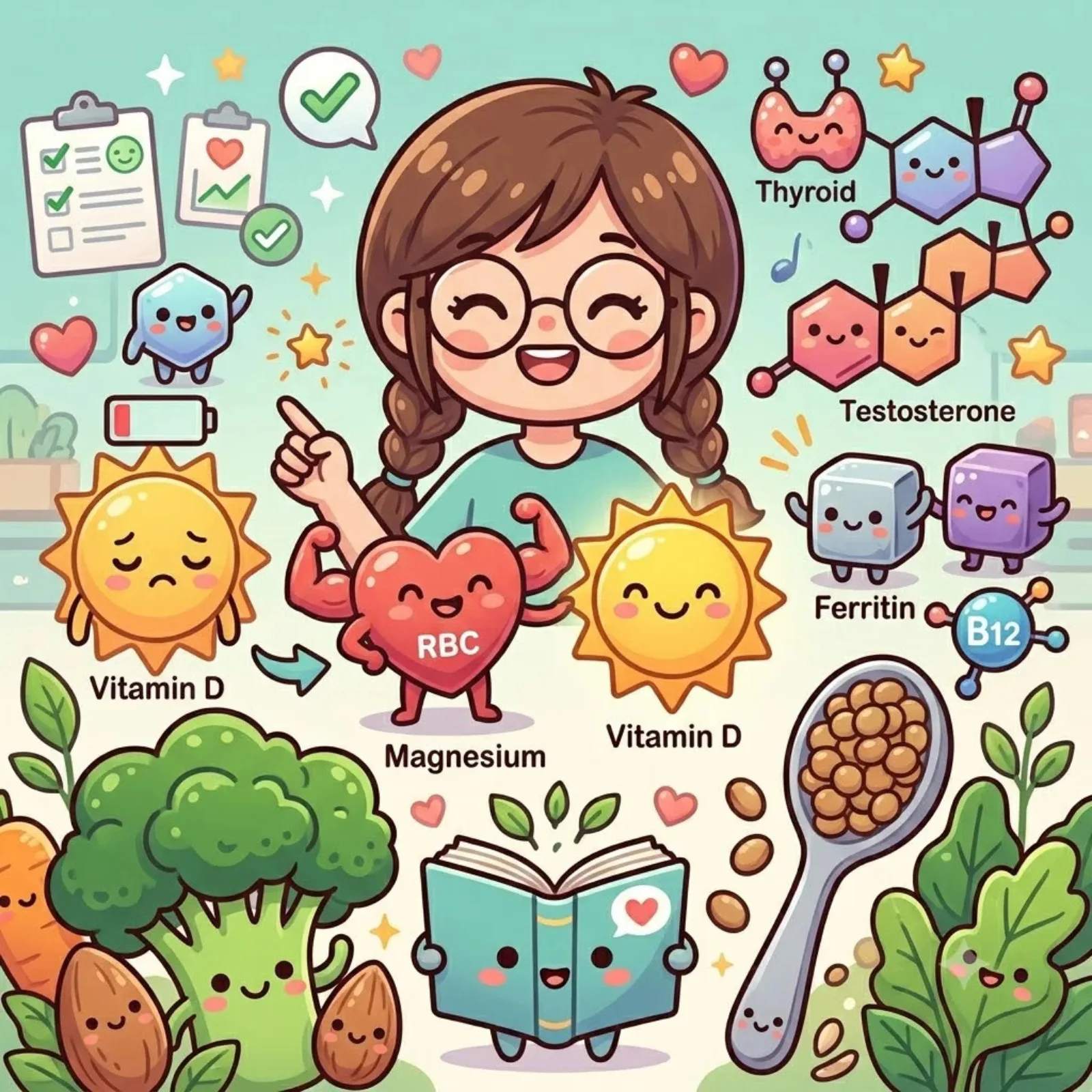
Which Blood Tests to Add, and What the Numbers Actually Mean | Blood Tests | Part 2
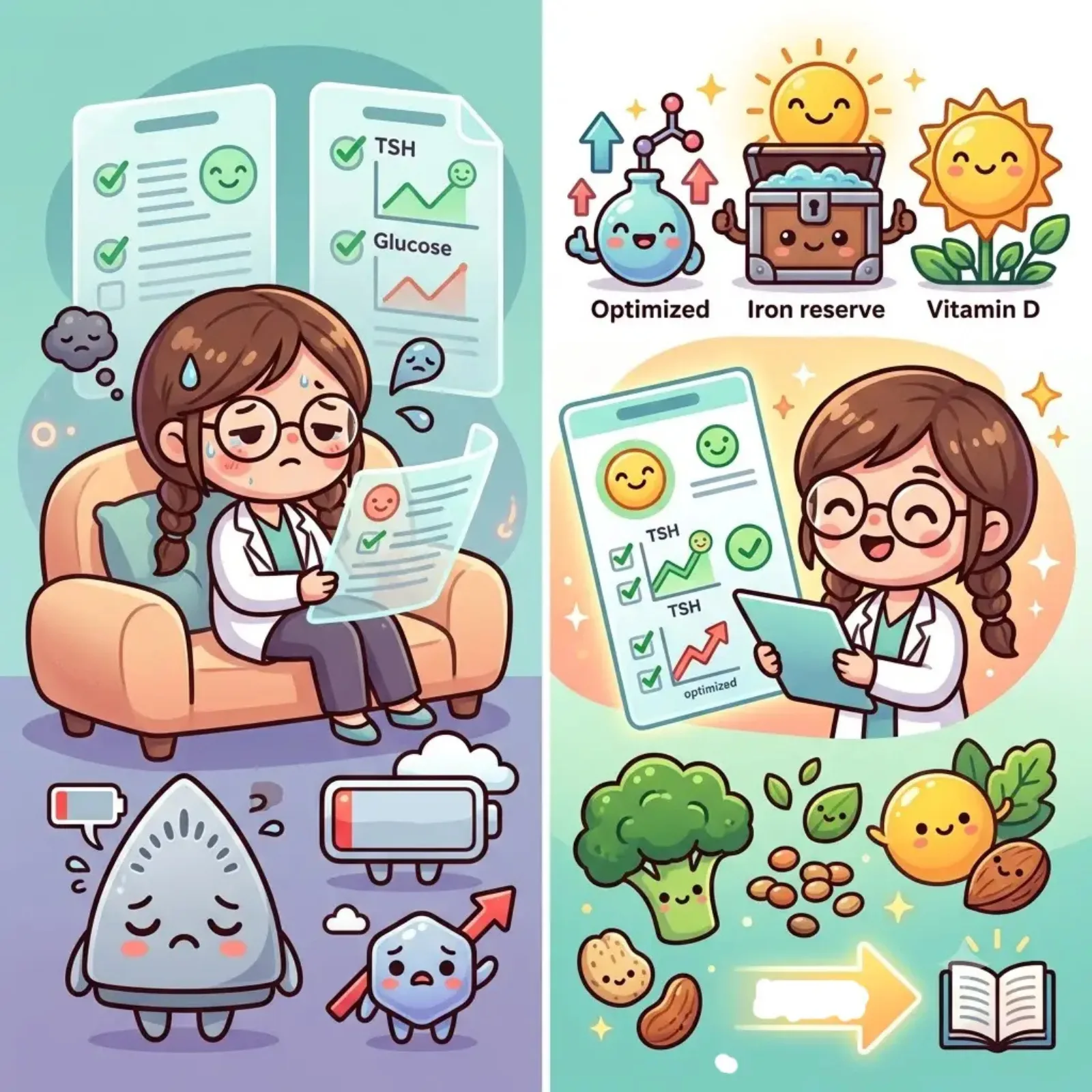
Your Reports Are Normal. So Why Do You Feel Like This? | Blood Tests | Part 1
In India you can walk into a lab tomorrow morning and order almost any blood…
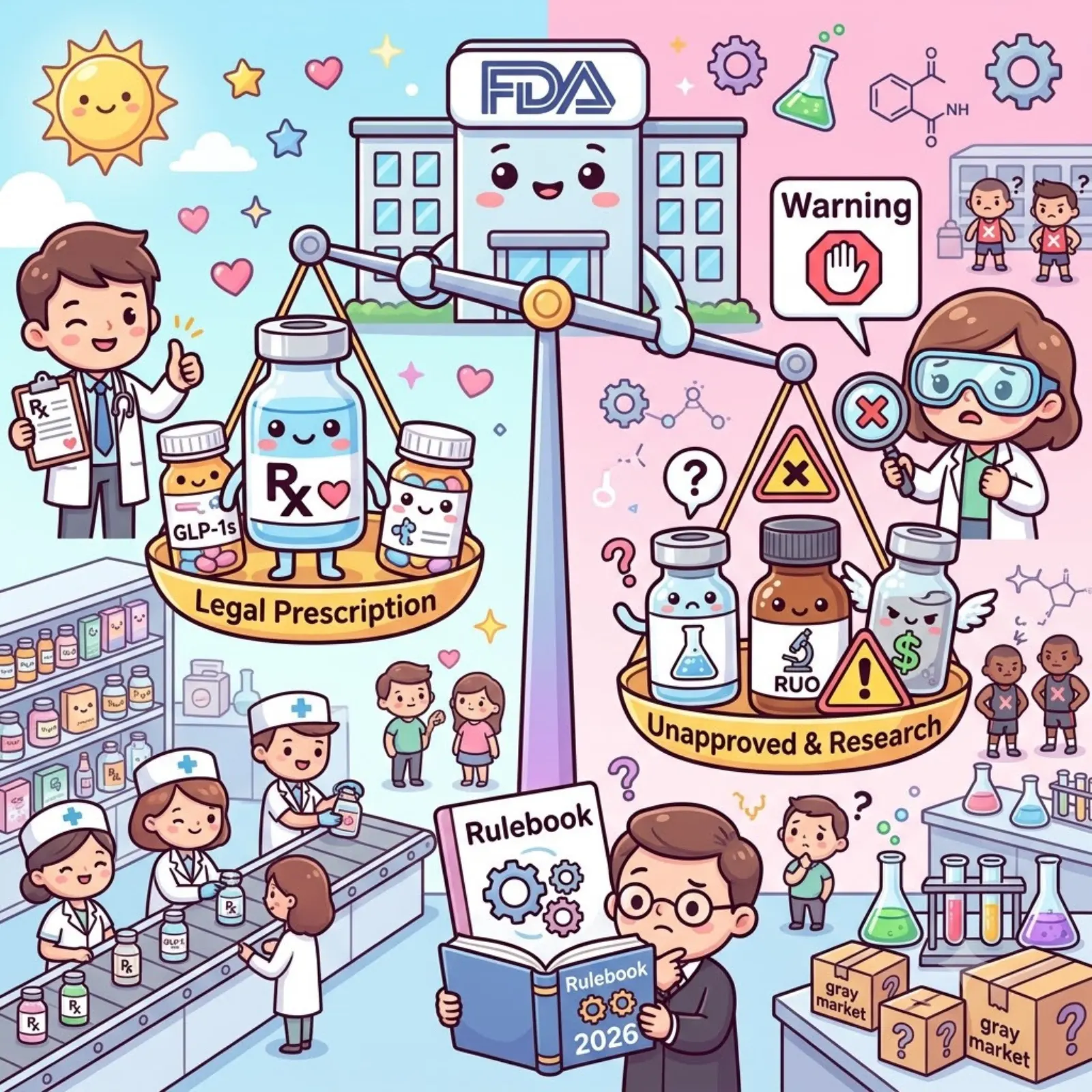
Are Peptides Legal in India? What the Law Actually Says
Read more

Silent Invaders: How Hormones & Antibiotics Sneak into Your Family’s Diet — And Microplastics Are Reaching Your Brain!

Your Kidney Guardians: What to Eat, What to Avoid, and Why It Matters (Especially with High Creatinine!)
Are you worried about your kidneys or recent high creatinine levels? You’re not alone. Often…
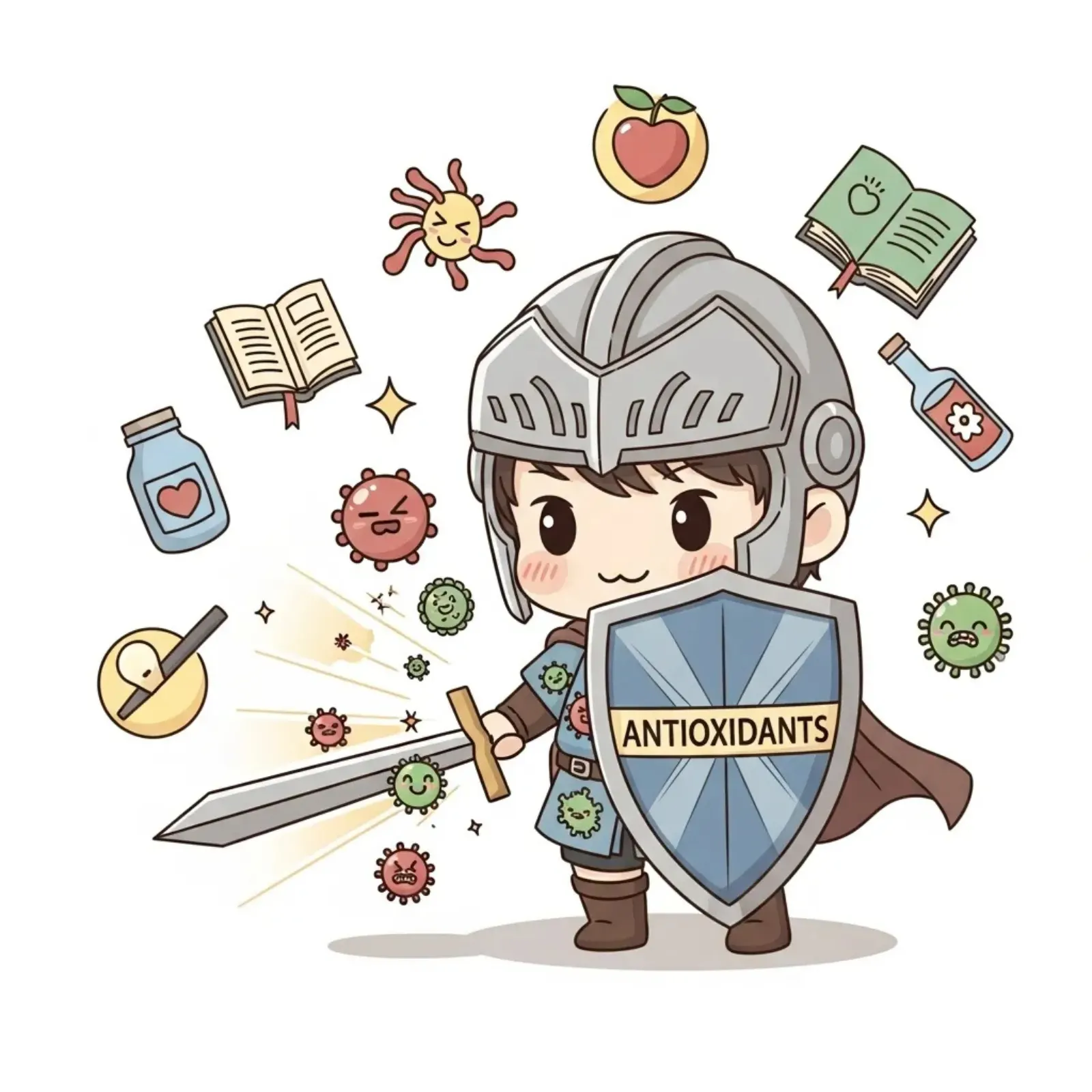
The Antioxidant Shield: Your Body’s First Line of Defence Against Disease
Every day, your body is exposed to various stressors like air pollution, unhealthy food choices,…
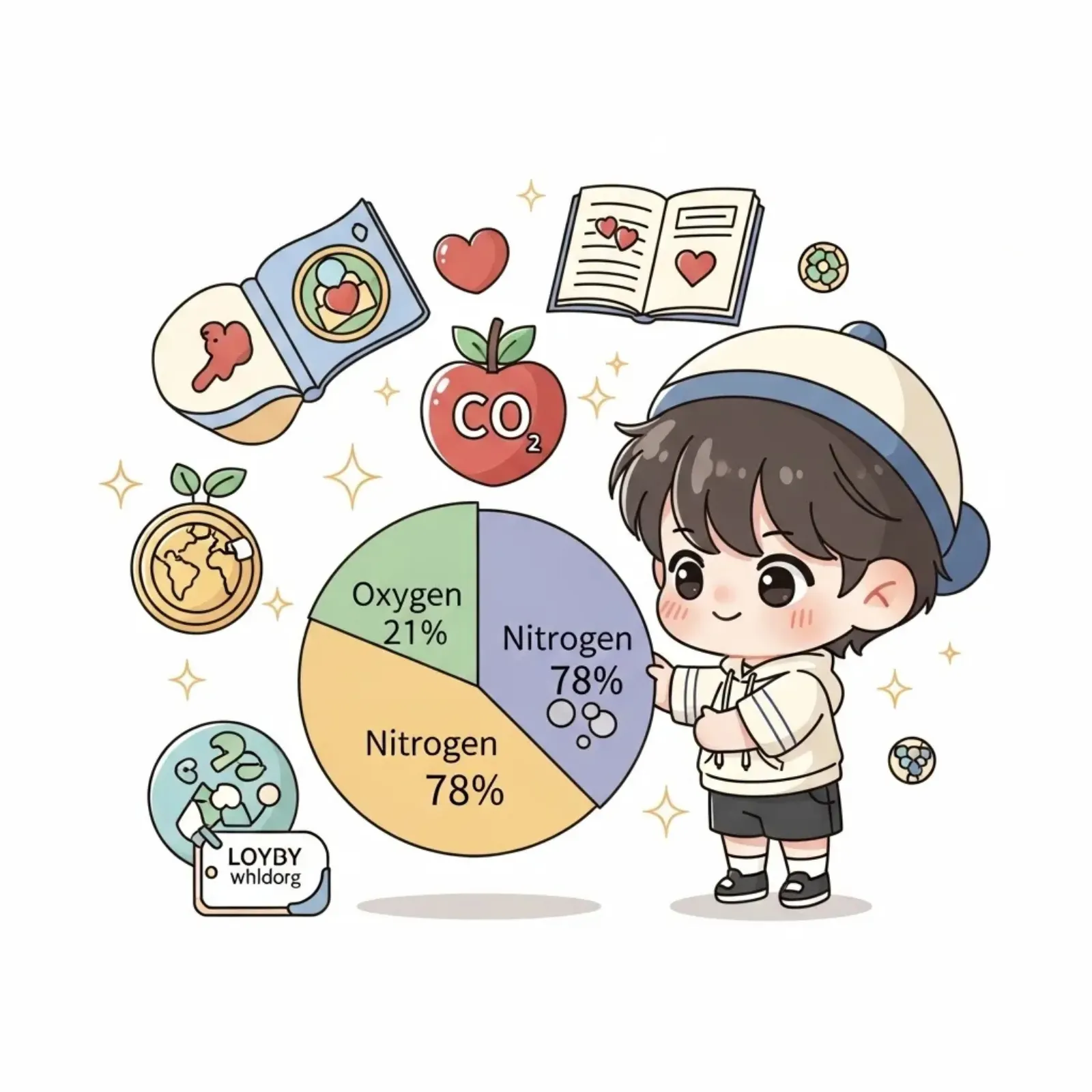
Is Oxygen Overrated for Humans? Nitrogen – The Unsung Hero
We chase vitality, consume superfoods, and track our daily steps all in pursuit of better…
About nutritional science & supplementation
This section explains vitamins, minerals and other essential nutrients in plain terms — what each one does, the signs of falling short, and how much of a supplement the body can actually absorb. Indian diets have their own recurring gaps: vitamin D despite the sunshine, B12 in vegetarian households, iron in women of reproductive age, and calcium in older adults.
We also weigh the supplement aisle honestly. Bioavailability, timing and the form of a salt often matter more than the dose printed on the label, and some combinations work against each other. A blood test before and after beats guesswork, and anyone pregnant, diabetic or on regular medication should have a doctor set the dose.
Disclaimer
The content on higoodhealth.com is provided for general informational and educational purposes only. While we make every effort to ensure the information is accurate and up-to-date, much of the data is gathered from publicly available sources, research, and personal perspectives. We do not claim that all content is free from errors, and we do not make any guarantees regarding the completeness or accuracy of any information presented on this website.
Not Medical Advice
The information provided on this website, including articles, guides, and blog posts, is not intended to replace professional medical advice, diagnosis, or treatment. Always consult with a qualified healthcare provider regarding any medical condition, symptoms, or specific health issues. Reliance on the content provided here is solely at your own risk.
No Liability
Under no circumstances shall higoodhealth.com or any of its contributors be held responsible for any direct or indirect damages, losses, or injuries arising from the use of or reliance on any information found on this website. This includes, but is not limited to, errors, omissions, or outdated content. You are responsible for verifying any information before acting on it.
Affiliate and Advertising Relationships
Some articles or links on higoodhealth.com may include affiliate or advertising links. If you click on these links and make a purchase, we may receive a small commission at no extra cost to you. This helps support the website. We make no warranties regarding the quality, effectiveness, or claims of any third-party products or services.
External Links
Our website may contain links to external websites. We are not responsible for the content or practices of these third-party sites. The inclusion of any external link does not imply endorsement.
Errors and Omissions
We strive for accuracy but cannot guarantee that the website will be free of errors at all times. Corrections may be made without notice.
Jurisdiction
All legal disputes shall be subject to the jurisdiction of the courts in [Your City, Country]. If you have questions or concerns about this disclaimer, email us at contact@higoodhealth.com.
Want to know how we protect your data? See ourPrivacy Policy.
