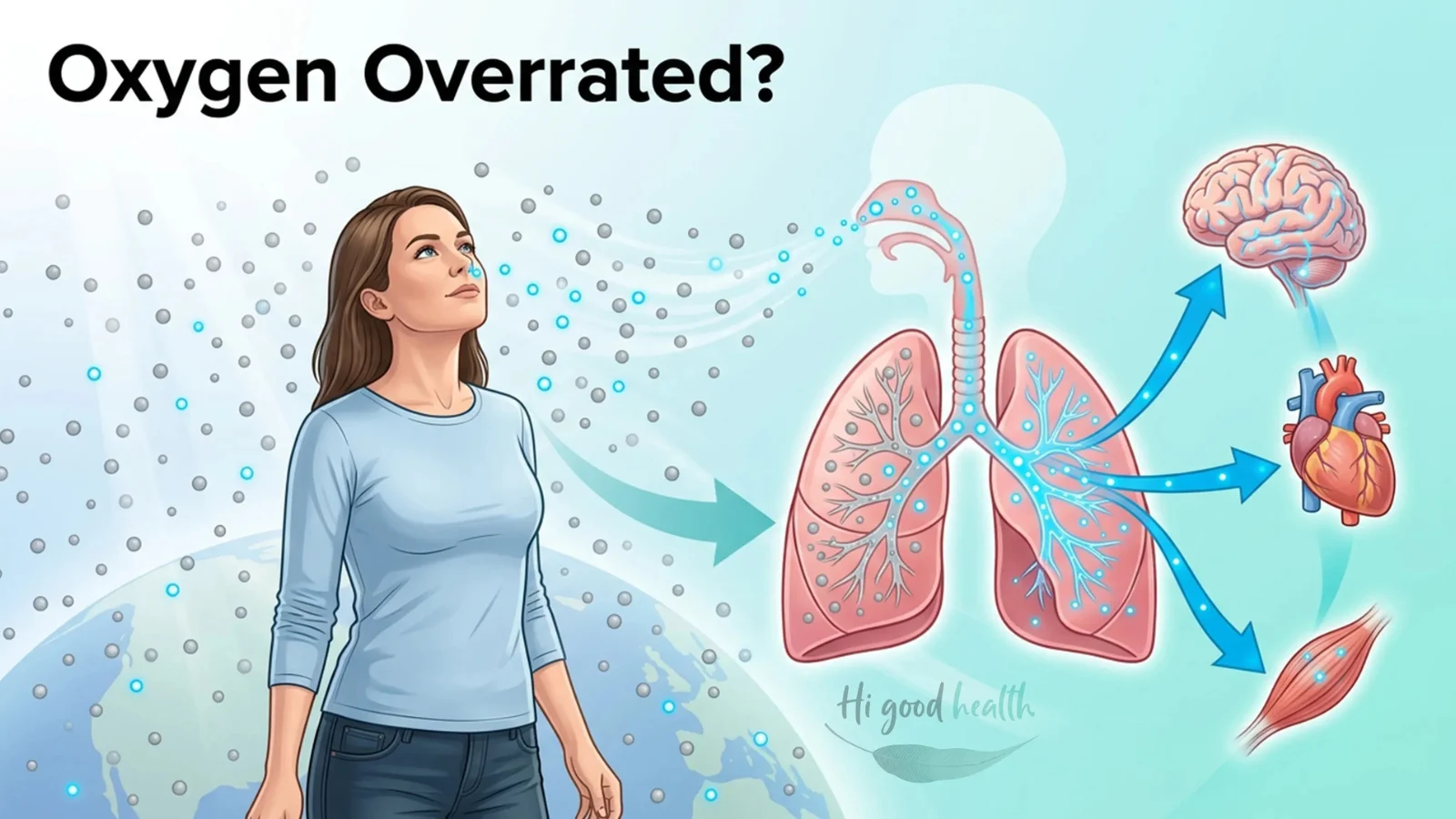
We chase vitality, consume superfoods, and track our daily steps all in pursuit of better health. But what about the very air we breathe? We’re often taught that oxygen is life itself, and while this is true, it represents only part of the story.
Oxygen is often described as the essence of life, and rightly so. It is indispensable for cellular respiration, the process by which our cells generate energy (ATP). Without adequate oxygen, human survival is not possible beyond a few minutes.
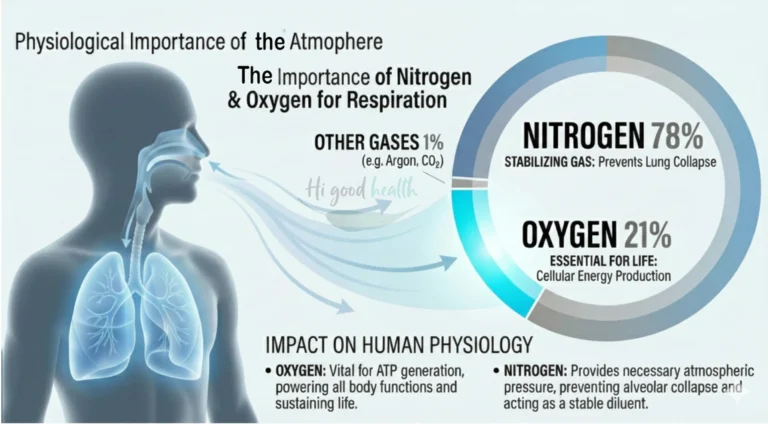
However, oxygen represents only part of the story. The air we breathe is composed of approximately 78% nitrogen, 21% oxygen, and small amounts of other gases. While nitrogen is biologically inert under normal conditions and does not directly participate in human metabolism, it plays a critical supportive role.
Research suggests that the real unsung hero, the silent majority of our atmosphere, may actually be nitrogen.[1] This article looks at what is actually in the air, what a normal oxygen level in the body means and how to read one, and what the real benefits of deep breathing are – including the one benefit it is almost universally credited with and does not have.
At a Glance
- Air is mostly nitrogen, not oxygen. Dry air is 78.08% nitrogen, 20.95% oxygen and 0.93% argon. Carbon dioxide is about 0.04% – a global average of 422.8 parts per million in 2024, and rising.[2][69]
- A normal oxygen level in the body is 95–100%. Cleveland Clinic advises ringing your doctor at 92% or below and going to an emergency department at 88% or below. The World Health Organization treats a saturation under 90% as a clinical emergency.[46][47]
- Deep breathing will not raise a normal oxygen reading. At 97%, haemoglobin is already almost full and there is nowhere for the number to go. Slow breathing changes your carbon dioxide, not your oxygen.[53][55]
- The benefits of deep breathing are real but modest. A 2023 meta-analysis of 12 randomised trials in 785 adults found a small reduction in self-reported stress. The authors themselves warned against “a miscalibration between hype and evidence”.[57]
- You cannot use the nitrogen you breathe. It reaches you through food. Soil bacteria fix it, plants take it up, and you eat it as protein.[6]
- Nitrogen is inert only at ordinary pressure. In a confined space it kills without warning, because the urge to breathe comes from rising carbon dioxide, not falling oxygen.[64]
- In India, the number worth watching is the AQI, not the oxygen percentage. Air pollution was linked to about 1.67 million deaths in India in 2019. The oxygen fraction of the air has not changed.[68]
The Invisible Majority: What’s Really In the Air We Breathe?
Ever wondered what you’re truly inhaling with each breath? Scientific research has shown that our atmosphere maintains a remarkably consistent composition.[2] On average, the air we breathe contains approximately 78% nitrogen and 21% oxygen.[2][3] That final 1% consists of other gases, predominantly argon (about 0.93%), with trace amounts of carbon dioxide (around 0.04%), neon, helium, methane, krypton, hydrogen, and xenon.[2]
This composition isn’t arbitrary; it represents a dynamic equilibrium shaped over billions of years to sustain the incredible diversity of life on Earth.[4] Understanding this atmospheric balance is crucial for appreciating how air quality impacts human health. You can find detailed atmospheric composition data from authoritative sources like NASA’s Climate Science Division and the National Oceanic and Atmospheric Administration (NOAA).
Key Atmospheric Components
- Nitrogen (N₂): 78.08%
- Oxygen (O₂): 20.95%
- Argon (Ar): 0.93%
- Carbon dioxide (CO₂): about 0.04% – a global mean of 422.8 parts per million in 2024, and rising every year[69]
- Water vapour: 0–4% (variable)
- Trace gases: <0.01%
What Is a Normal Oxygen Level in the Body?
The air holds a fixed 20.95% oxygen. What varies is how much of it reaches your blood – and that is the number a pulse oximeter reports. A normal oxygen level in the body, for a healthy adult breathing ordinary air at sea level, is an arterial oxygen saturation of 95% to 100%.[46]
India bought pulse oximeters by the million during the COVID-19 pandemic, and a great many of those clips are still in bedside drawers. They are useful. They are also widely misread.
What a pulse oximeter actually measures
The device shines light through your fingertip and works out the ratio of oxygenated to deoxygenated haemoglobin. It reports two things: that saturation, and your pulse rate.[48]
The WHO training manual is blunt about the limits. A pulse oximeter “does not give direct information about respiratory rate, tidal volume, cardiac output or blood pressure”.[46] It tells you how full your haemoglobin is. It does not tell you how well you are breathing, and it will not detect a problem that has not yet reached your blood oxygen.
When a reading should worry you
The published thresholds differ slightly by source, so it is worth naming who says what rather than quoting one number as though it were universal.
- Cleveland Clinic: at 92% or lower, ring your healthcare provider. At 88% or lower, get to the nearest emergency department.[47]
- World Health Organization: a saturation below 90% is a clinical emergency and should be treated urgently.[46]
- Asthma + Lung UK: below 92%, you should be referred for assessment.[70]
A single low reading on a home device is a reason to check again properly, not a diagnosis. Equally, a normal number does not overrule how you feel. If you are breathless, confused or in pain, seek medical help whatever the oximeter says.
Why your reading may be wrong
Home oximeters are approximate, and several ordinary things push them off.
- Skin pigmentation. This is the significant one. A 2020 analysis found occult hypoxaemia – a dangerously low arterial oxygen level that the oximeter reported as normal – roughly three times as often in Black patients as in white patients.[50] In January 2025 the US Food and Drug Administration issued draft guidance recommending that manufacturers test devices across a graded range of skin tones.[49] That guidance is still a draft, not a requirement.
- Nail polish, gel or false nails. They block the light path.[48]
- Cold hands and poor circulation. A cold, vasoconstricted fingertip gives a weak signal.[46]
- Movement and shivering. Sit still for a full minute before reading the number.[46]
- Carbon monoxide poisoning. This one matters because it fails in the dangerous direction: the reading comes back falsely high.[46]
The FDA’s own consumer advice is that pulse oximeter readings “should be considered in context with other information, including signs and symptoms of low oxygen”.[51]
Early Signs of Hypoxia (Low Blood Oxygen)
The early signs of hypoxia are not the ones most people picture. Blue lips are a late sign, not an early one, and waiting for them is a mistake.[52]
- Restlessness and agitation – an early sign, and easily mistaken for anxiety.[52]
- A fast heart rate – above 100 beats per minute in an adult can be an early sign.[52]
- Fast breathing – above 20 breaths per minute in an adult suggests respiratory distress.[52]
- Breathlessness, especially the inability to finish a sentence in one breath.[52]
- Headache and confusion at moderate levels.[52]
- Bluish or grey skin, lips or nail beds – a late sign. Central cyanosis becomes visible only at around 75% saturation.[48][52]
If you are tracking oxygen saturation on a smartwatch or ring rather than a fingertip clip, read our assessment of what those sensors can and cannot do in Wearable Health Tech for Seniors: Hype vs Reality.
The Benefits of Deep Breathing – and the One Thing It Cannot Do
Search for the benefits of deep breathing and you will be told, on page after page, that it raises the oxygen level in your blood. For a healthy person with a normal reading, that is the one benefit it does not have – and almost everything else on the list survives the check.
Deep breathing does not raise a normal oxygen level
Roughly 98% of the oxygen in your blood is carried bound to haemoglobin, and only about 2% dissolved in plasma.[53] In healthy lungs, haemoglobin is close to fully saturated about a third of the way along the capillary bed – long before the blood leaves.[53]
That is why the oxygen dissociation curve flattens at the top. If your saturation is 97%, there is almost no headroom left. Breathing harder cannot fill a tank that is already nearly full.
The American Red Cross states it plainly in its advisory on hyperventilation before underwater swimming: “Hyperventilation does not increase the oxygen level in the blood.”[71]
The honest exception, and it matters
When saturation is genuinely low, slow deep breathing can lift it a great deal. At 4,559 metres, thirty-nine people practising six breaths per minute went from a mean saturation of 80.2% to 89.5%. At 5,400 metres the figures were 81.0% to 88.6%.[54]
The researchers pointed out why sea-level studies had shown far weaker effects: the starting saturations were already high.[54] So the rule is not “breathing does nothing”. It is that breathing raises oxygen only when there is room to raise it – at altitude, or in lung disease.
This also explains two large sources that appear to contradict everything above. Cleveland Clinic and the American Lung Association both say breathing exercises increase blood oxygen. Read the context and they are writing for people with chronic obstructive pulmonary disease, where air is trapped in the lungs and pursed-lip breathing genuinely improves ventilation. Neither is claiming it for a healthy adult with a normal reading.
What deep breathing actually changes: carbon dioxide
Over-breathe and your carbon dioxide falls below the normal 35 to 45 mmHg. Blood pH rises, the vessels supplying the brain constrict, and cerebral blood flow drops.[55]
This is the mechanism behind the light-headedness, the tingling around the mouth and in the fingers, and occasionally the fainting that follows a bout of very rapid breathing.[55] Notice the irony: the symptoms people read as “not enough oxygen” are caused by too little carbon dioxide.
The benefits of deep breathing that the evidence does support
Setting the oxygen myth aside, the benefits of deep breathing are genuine and reasonably well mapped.
- Autonomic balance – the strongest evidence. A systematic review and meta-analysis screening 1,842 abstracts and including 223 studies found that voluntary slow breathing increases vagally-mediated heart rate variability, both during practice and afterwards. The authors described it as a low-tech, low-cost technique with few adverse effects expected.[56]
- Stress, anxiety and low mood – small but real. A 2023 meta-analysis in Scientific Reports found reductions in self-reported stress (12 randomised trials, 785 adults, Hedges’ g = −0.35), anxiety (20 trials, g = −0.32) and depressive symptoms (18 trials, g = −0.40).[57]
- Blood pressure – weak, and contested. A pooled review of device-guided breathing reported an average fall of about 3 mmHg in office systolic pressure. When manufacturer-funded studies were excluded from the analysis, the effect on both systolic and diastolic pressure was no longer significant, and both NICE and the British Hypertension Society advised against routine use.[58]
Two cautions belong with those numbers. Most of the trials were judged to carry a moderate risk of bias, and the effect sizes are small – the meta-analysis authors urged caution to avoid “a miscalibration between hype and evidence”.[57] And deep breathing is not a treatment for high blood pressure. If you have been prescribed medication, keep taking it.
Deep breathing for stress, sleep and anxiety: a method to try
The NHS publishes a technique that takes about five minutes and needs nothing at all.[59]
- Sit or lie comfortably with your feet flat and your shoulders loose.
- Let the breath go as deep into your belly as is comfortable, without forcing it.
- Breathe in gently through the nose while you count 1 to 5.
- Breathe out gently through the mouth while you count 1 to 5.
- Keep going for at least five minutes.
Counting to five each way lands you near six breaths a minute, which is where most of the heart rate variability research sits. Systematic reviews define slow breathing as fewer than ten breaths a minute.[60]
It is worth noting what the NHS page does not say. It makes no claim about oxygen at all.[59]
Pranayama: what the Indian evidence actually shows
Anulom vilom, nadi shodhana and bhramari are slow breathing practised at roughly the rate the research favours, so it would be surprising if they did nothing. The honest question is whether they do more than slow breathing on its own, and here the evidence is thinner than the enthusiasm.
- Alternate nostril breathing. A systematic review covering 44 randomised trials reported positive autonomic and cognitive findings, but rated 10 of those trials at high risk of bias and noted that the technique itself has never been standardised.[61]
- Nadi shodhan in hypertension. An exploratory randomised trial at AIIMS Rishikesh gave 12 minutes of breathing daily for six weeks. Systolic pressure was lower than control at six weeks (139.14 against 147.79 mmHg), but the diastolic difference was not significant, 23 of 91 participants were lost to follow-up, and the authors call the trial exploratory and single-centre.[62]
- Bhramari. A 2024 review in the Indian Journal of Physiology and Pharmacology gathered 46 studies – but only 6 were randomised controlled trials, 22 ran for a week or less, none had long-term follow-up, and the review carried out no formal risk-of-bias assessment.[63]
The fair summary is that the physiological effects are broadly what any slow breathing at six breaths a minute produces, and there is little good evidence that alternating nostrils or humming adds anything on top. That is not an argument against practising it. It is an argument against paying for it, and against expecting it to replace treatment.
When breathing itself becomes the problem
Hyperventilation syndrome is over-breathing that has become self-sustaining, usually driven by anxiety. It produces chest discomfort, light-headedness, palpitations, tingling in both arms or around the mouth, and sometimes cramping spasms of the hands and feet.[72]
Two things are worth knowing. Slow, pursed-lip breathing – lips puckered as though blowing out a candle – is the standard first step.[72]
Do not breathe into a paper bag. It is no longer routine advice, because it is only safe when the diagnosis is already certain, and chest pain with breathlessness has causes that a paper bag will make worse.[73] If this is new, or if you are not sure, see a doctor.
Nitrogen: The Essential Element for All Life
While oxygen receives considerable attention for its role in respiration, nitrogen plays an equally fundamental role in biological processes.[5] Research indicates that nitrogen is essential for building the molecular structures necessary for life.[5][6]
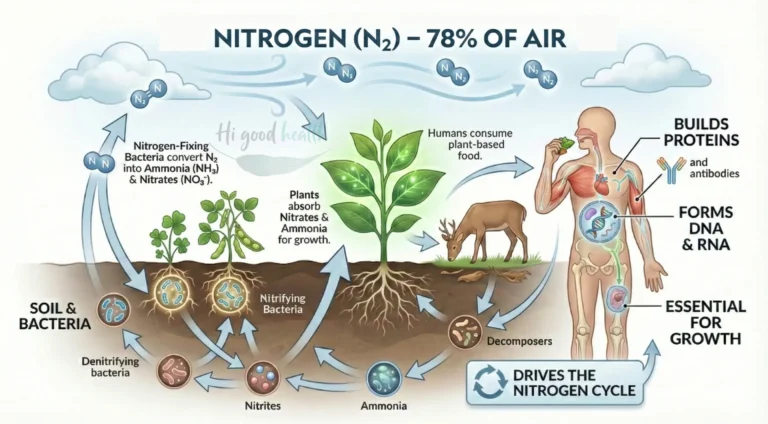
Here’s what makes nitrogen crucial: although humans cannot directly use the nitrogen gas we breathe, it serves as an essential element for plants and, consequently, for all life in the food chain.[6] Nitrogen is a core component of chlorophyll, the green pigment that enables plants to perform photosynthesis, the process of converting sunlight into chemical energy.[6]
How Nitrogen Enters Our Bodies
Nitrogen serves as a vital building block for amino acids, which form proteins – the molecular workhorses responsible for everything from muscle structure to enzyme function.[5][6] It’s also essential for nucleic acids like DNA and RNA, which contain our genetic blueprint.[6]
The atmospheric nitrogen transformation process works as follows:[6]
- Nitrogen-fixing bacteria in soil convert atmospheric nitrogen (N₂) into usable forms like nitrates (NO₃⁻) and ammonia (NH₃)
- Plants absorb these nitrogen compounds through their root systems
- Animals consume plants (or other animals that ate plants) to obtain nitrogen-containing amino acids
- Human bodies use these amino acids to build proteins and other nitrogen-containing molecules
This nitrogen cycle represents one of the most fundamental biochemical processes on Earth.[6][14] Studies published in environmental science journals emphasise that nitrogen-based fertilisers have become essential for modern agriculture, replenishing this crucial nutrient in soil to support crop growth and global food production.[7]
When Nitrogen Stops Being Harmless
Calling nitrogen “biologically inert” is accurate at ordinary atmospheric pressure and misleading everywhere else. The same gas that does nothing at all while you sit reading this is a recognised industrial killer, and it is the gas behind decompression sickness in divers.
Why an oxygen-free room gives no warning
Your urge to breathe is triggered by rising carbon dioxide, not by falling oxygen.[71] Walk into a space where nitrogen has displaced the air and you go on exhaling carbon dioxide normally. Nothing tells you anything is wrong. There is no breathlessness, no panic, no smell.
The US Chemical Safety Board investigated 85 nitrogen asphyxiation incidents in American workplaces between 1992 and 2002, in which 80 people were killed and 50 injured.[64] Its bulletin records that exposure can cause unconsciousness after only one or two breaths, and that an atmosphere of 4 to 6% oxygen causes a coma in under 40 seconds.[64]
This is why the regulatory line is drawn well above the point where you would notice anything. US occupational rules define an oxygen-deficient atmosphere as anything below 19.5% oxygen by volume – barely more than a percentage point below normal air.[65]
Nitrogen under pressure: narcosis and the bends
Breathe air at depth and nitrogen dissolves into your tissues in proportion to the pressure. It stops behaving inertly. Divers are significantly impaired breathing air at 60 to 70 metres, and some are affected at 30.[66]
Come up too fast and the dissolved nitrogen leaves solution as bubbles – decompression sickness, the “bends”, which is one of the conditions hyperbaric oxygen therapy exists to treat.[19]
None of this makes the 78% you are breathing dangerous. It makes the word inert conditional, which is a more useful thing to know than a flat reassurance.
Beyond Humans: What Other Species Need From the Air
The atmospheric composition that supports human life also sustains most terrestrial animals.[8] Research shows that mammals, birds, reptiles, and insects have all evolved to thrive in this nitrogen-rich, oxygen-adequate atmosphere.[8] These organisms rely on similar respiratory mechanisms to extract oxygen for cellular metabolism.
Aquatic Life and Dissolved Gases
For fish and other aquatic organisms, the situation differs significantly.[8] These species depend on dissolved oxygen in water rather than atmospheric oxygen directly.
Studies in aquatic biology indicate that dissolved oxygen levels vary based on water temperature, salinity, pressure, and biological activity.[8] A healthy aquatic environment typically requires dissolved oxygen of at least 5–6 mg/L to sustain most fish species. Below 5 mg/L is stressful for fish and below 3 mg/L will not support them at all[75], and India’s own CPCB water-quality classes use the same thresholds – 6 mg/L for the cleanest class, 5 mg/L for the next.[34]
While nitrogen gas can dissolve in water, research suggests its direct biological role for aquatic life relates more to ecosystem nitrogen cycling than to respiration.[9]
Insect Respiratory Adaptations
Insects possess unique respiratory systems called tracheal systems, which deliver oxygen directly to tissues through a network of tubes.[10] However, like other terrestrial animals, they have adapted to extract oxygen from air containing approximately 21% O₂.[10]
Evidence from comparative physiology research demonstrates that for all these diverse life forms, maintaining atmospheric balance remains crucial; too much or too little of any gas can prove detrimental to survival.[11]
The Optimal Atmospheric Balance: Why Every Gas Matters
The current atmospheric composition reflects a dynamic equilibrium, shaped over geological time through interactions between biological activity, geochemical cycles, and physical processes.[12]
- Oxygen (~21%): Supports efficient aerobic metabolism but remains low enough to limit excessive formation of reactive oxygen species (ROS), which can damage DNA, proteins, and cell membranes.
- Nitrogen (~78%): Biologically inert at ordinary atmospheric pressure – and only there. It acts as a diluent, holding oxygen’s partial pressure down so that oxidation and combustion proceed slowly, and it makes up most of the atmosphere’s total pressure. It is also the reservoir for the nitrogen cycle that underpins global food systems.[13][66]
It is worth being precise about what nitrogen does here. It does not change oxygen’s chemistry. What it does is take up most of the volume, which holds oxygen’s partial pressure down and slows the rate at which things oxidise and burn. That is the same principle industry uses deliberately when it floods a tank with nitrogen to stop a fire starting.[65]
Even trace gases play precisely defined roles. Carbon dioxide, despite representing only 0.04% of the atmosphere, serves as the essential substrate for plant photosynthesis.[15] Recent studies show that rising CO₂ levels due to human activities are disrupting this delicate balance, with significant implications for climate and ecosystems.[16]
Research published in environmental health journals emphasises that any significant deviation from this atmospheric composition, even seemingly small changes sustained over time, can have profound impacts on ecosystems and human health.[17][18]
Oxygen Chambers: When More Oxygen Isn’t Better for Health
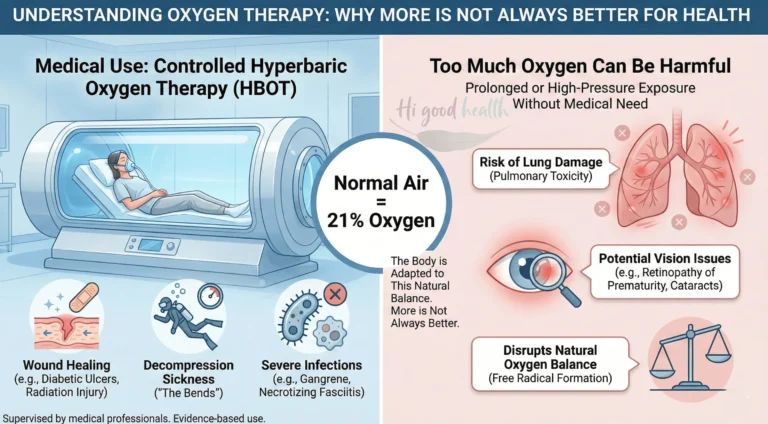
This brings us to an important discussion about hyperbaric oxygen therapy (HBOT) and the growing trend of commercial oxygen chambers marketed for general wellness.[19][20]
Medical Uses of Hyperbaric Oxygen Therapy
In clinical settings, hyperbaric oxygen chambers deliver significantly elevated oxygen concentrations (up to 100% O₂) at increased atmospheric pressure.[19] The Undersea and Hyperbaric Medical Society maintains the internationally recognised list of approved indications, and it is short and specific:[19][74]
- Decompression sickness (the “bends”)
- Carbon monoxide poisoning
- Non-healing diabetic wounds
- Air or gas embolism
- Severe infections (gas gangrene, necrotising fasciitis)
- Radiation tissue damage
- Acute traumatic ischaemia
Under these controlled conditions, HBOT enhances oxygen delivery by increasing dissolved oxygen in plasma, which can:
- Improve oxygenation of hypoxic tissues
- Support wound healing
- Enhance antimicrobial activity in certain infections
Risks of Prolonged High-Oxygen Exposure
However, medical literature clearly documents that for general “wellness” purposes, elevated oxygen is not necessarily beneficial and can be harmful.[20][21] Studies on oxygen toxicity published in respiratory medicine journals show that breathing 100% oxygen for extended periods can cause:[21][22]
- Pulmonary oxygen toxicity: Inflammation, alveolar damage, and reduced lung function with prolonged exposure
- Oxidative stress: Increased production of reactive oxygen species (ROS) leading to cellular injury
- Central nervous system toxicity: High-pressure oxygen exposure can precipitate seizures (rare but serious)
- Ocular effects: Prolonged exposure may contribute to visual changes (e.g., reversible myopia); retinal injury is uncommon but reported in specific contexts
- Absorption atelectasis: High oxygen concentrations can reduce nitrogen in alveoli, leading to partial lung collapse
Research in the journal Frontiers in Neurology and StatPearls emphasises that human physiology has evolved to function optimally with the 21% oxygen concentration found in normal air.[21][22] Our bodies maintain precise oxygen regulation through complex feedback mechanisms.
While some athletes or wellness facilities offer brief oxygen exposures, peer-reviewed medical evidence for general health benefits remains limited.[23] Medical experts strongly recommend consulting healthcare professionals before considering such therapies.
If you want to stay proactive about your brain as you age, it is worth knowing what to watch for and how to respond. Read our guide to the early signs of brain decline and how to slow it after 60.
Does Air Composition Vary by Region, Country, or Altitude?
Research in atmospheric science indicates that while local conditions can vary, the proportional composition of major gases (nitrogen and oxygen) remains remarkably stable across different geographical locations.[24]
Altitude Effects
At higher altitudes, atmospheric pressure decreases, resulting in fewer gas molecules per breath, creating the sensation of “thin” air.[24] However, studies show that the ratio of nitrogen to oxygen remains essentially constant.[24] At sea level, the partial pressure of oxygen is approximately 159 mmHg, while at 3,000 metres (about 10,000 feet), it drops to around 110 mmHg, but the percentage remains at 21%.[25]
This is why altitude sickness occurs: your body receives less oxygen per breath due to lower pressure, not because the air composition has changed.[25]
Regional and Urban Variations
Localised variations can occur in trace gases and pollutants.[26] Urban and industrial areas may experience temporary increases in:[26]
- Nitrogen oxides (NOₓ) from vehicle emissions
- Sulphur dioxide (SO₂) from fossil fuel combustion
- Particulate matter (PM2.5 and PM10)
- Ground-level ozone (O₃)
- Volatile organic compounds (VOCs)
Recent research published in 2024 shows that while these pollutants don’t significantly alter the overall nitrogen-oxygen ratio, even small concentrations can have substantial health impacts.[27][28] Studies indicate that these pollutants contribute to respiratory disease, cardiovascular problems, and neurological effects.[27][28]
Scientific monitoring data confirms that from the deepest valleys to the highest inhabited regions, Earth’s atmospheric composition of major gases remains consistently balanced.[24]
The Latest Science: Air Quality and Long-Term Health
Emerging research increasingly demonstrates the strong connection between air quality and long-term health outcomes.[27][28][29]
A 2024 study in Science Advances modelled what an ambitious package of nitrogen interventions – cleaner fuel combustion, better agricultural nitrogen use and less food waste – would achieve. It found roughly 817,000 fewer premature deaths worldwide in the year 2050, a 16% reduction against the reference case, plus a further 252,000 avoided through lower ozone exposure.[29] That is an annual figure for a single year, not a cumulative total.
Recent Research Findings
Studies published in leading medical journals reveal:[27][28][29][30]
Particulate Matter (PM2.5): Research indicates that fine particulate matter doesn’t merely cause respiratory issues; it can penetrate deep into the bloodstream, contributing to cardiovascular disease, stroke, and neurological disorders.[27][28] A 2024 systematic review showed associations between long-term PM2.5 exposure and cognitive decline.[28]
Indoor Air Pollution: A comprehensive 2024 review published in BMC Public Health emphasises that indoor air can often be more polluted than outdoor air.[30] Studies found that prolonged exposure to indoor pollutants significantly increases the risk of asthma, chronic obstructive pulmonary disease (COPD), and adverse pregnancy outcomes.[30] Women and children face disproportionate risks due to greater time spent indoors.[30]
Nitrogen Oxides and Ozone: Research published in 2024 demonstrates that long-term exposure to nitrogen dioxide (NO₂) and ground-level ozone (O₃) contributes to increased mortality from respiratory and cardiovascular causes.[31]
The Exposome Concept
The emerging concept of the “exposome” recognises that health outcomes result from the total of environmental exposures throughout life, including the air we breathe, not just genetic factors.[32] This framework helps explain why two individuals with similar genetics can have vastly different health trajectories based on their environmental exposures.
Practical Steps Supported by Current Research
- Monitor local Air Quality Index (AQI) reports, especially during high pollution days
- Limit outdoor exercise when AQI indicates unhealthy levels
- Use certified indoor air purifiers with High Efficiency Particulate Air (HEPA) filters
- Ensure adequate home ventilation
- Consider N95 or KN95 masks during periods of poor air quality
- Support policies that reduce air pollution emissions
You can access real-time air quality data through the Central Pollution Control Board’s (CPCB) SAMEER app or the SAFAR portal (https://app.cpcbccr.com/) for monitoring air quality in your area.
Monitoring Your Air: When Is It Necessary?
For most individuals, constantly monitoring the precise percentages of nitrogen and oxygen in ambient air is unnecessary, because those atmospheric proportions remain remarkably stable everywhere on Earth.[33] However, research supports monitoring other air quality factors that directly impact health.[30][34]
Indoor Air Quality Monitoring
Scientific evidence suggests that indoor air quality monitoring provides valuable health information.[30][34] Studies show that indoor environments can accumulate pollutants from:[30]
- Volatile organic compounds (VOCs) are released from furniture, paints, carpets, and building materials
- Carbon monoxide (CO) from gas stoves, heaters, or incomplete combustion
- Cleaning agents and personal care products
- Poor ventilation, which allows pollutants to accumulate
- Biological contaminants, such as mould, dust mites, and pet dander
Consumer-grade indoor air quality monitors can track several harmful pollutants, including volatile organic compounds (VOCs), carbon monoxide, particulate matter (PM2.5), humidity, and temperature.[34] Research published in environmental health journals indicates that simple interventions improving ventilation, using air purifiers, selecting low-VOC products, and incorporating air-filtering plants can significantly improve indoor air quality.[30][34]
Outdoor Air Quality Awareness
Many cities worldwide provide public Air Quality Index (AQI) reports through government agencies.[35] The AQI translates complex air quality data into a simple numerical scale, typically ranging from 0 to 500, with higher values indicating greater health concerns.[35]
AQI Categories and Health Guidance (CPCB National Air Quality Index)[35]
| AQI Range | Category | Health Guidance |
| 0–50 | Good | Minimal impact on health |
| 51–100 | Satisfactory | May cause minor breathing discomfort to sensitive people |
| 101–200 | Moderately polluted | May cause breathing discomfort to people with lung disease, heart disease, or asthma |
| 201–300 | Poor | May cause breathing discomfort to most people on prolonged exposure |
| 301–400 | Very Poor | May cause respiratory illness on prolonged exposure; effect on healthy people |
| 401–500 | Severe | May affect healthy people and seriously impact those with existing diseases |
Staying informed about local air quality enables evidence-based decisions about outdoor activities, especially for vulnerable populations, including children, elderly individuals, pregnant women, and those with cardiovascular or respiratory conditions.[35]
Nitrogen’s Impact on Your Body: Measuring Optimal Levels
Humans do not utilise atmospheric nitrogen (N₂) directly. Instead, nitrogen enters the body through dietary protein, after being converted into biologically usable forms via the nitrogen cycle.[36]
Nitrogen in Human Metabolism
Once absorbed as amino acids from dietary protein, nitrogen becomes crucial for synthesising:[36]
- Proteins for muscle, enzymes, hormones, and antibodies
- DNA and RNA for genetic information and cell division
- Neurotransmitters for brain function
- Numerous other biological molecules
Research in nutritional biochemistry confirms that without adequate dietary nitrogen (obtained through amino acid consumption), bodies cannot effectively repair tissues, produce enzymes, or synthesise hormones.[36]
Assessing Nitrogen Status
We do not measure “nitrogen levels” directly in clinical practice the way we measure glucose or cholesterol. Instead, healthcare providers assess nitrogen status through:[37]
- Protein intake assessment: ICMR-NIN sets the recommended dietary allowance for Indian adults at 0.83 g per kg of body weight per day – about 54 g for a 65 kg man and 46 g for a 55 kg woman. It raises that to 1 g per kg for people eating a cereal-based diet with lower-quality protein, which describes a great many Indian households.[67]
- Serum protein levels: Blood tests measuring albumin and total protein
- Nitrogen balance studies: Research tool measuring nitrogen intake versus excretion
- Clinical assessment: Evaluating for signs of protein deficiency
Clinical signs suggesting inadequate protein (and therefore nitrogen) intake include:[38]
- Muscle wasting or weakness
- Fatigue and weakness
- Impaired immune function with frequent infections
- Slow wound healing
- Hair loss or brittle nails
- Oedema (fluid retention)
Research indicates that consuming a balanced diet with adequate protein from diverse sources (both plant-based and animal sources) naturally provides sufficient nitrogen for bodily processes.[36] For most people, direct measurement of atmospheric nitrogen’s impact on internal nitrogen levels is unnecessary.
The National Institutes of Health provides authoritative information on the physiological role of proteins: NIH Bookshelf – Physiology, Proteins.[36]
For dietary guidelines, the Indian Council of Medical Research and the National Institute of Nutrition, Hyderabad, provide the authoritative Indian recommendations: ICMR-NIN nutrient requirements for Indians.[67]
Since nitrogen enters our bodies primarily through dietary amino acids, choosing the right protein source is essential for cellular repair. Find out which protein types best match your lifestyle and metabolic health goals.
Key Takeaways
- Nitrogen is the majority partner, not a spectator. You cannot use it from the air, but every protein and every strand of DNA in your body is built from nitrogen that soil bacteria fixed and a plant handed on.[6]
- A normal oxygen level in the body is 95–100%. Below 92% is worth a call to your doctor; below 90% is treated as an emergency. Restlessness and a racing pulse come early; blue lips come late.[46][47][52]
- The benefits of deep breathing are real, and they are not about oxygen. Slow breathing raises heart rate variability and modestly lowers self-reported stress. It will not move a saturation that is already normal, and it is not a treatment for high blood pressure.[56][57][58]
- Treat pranayama as slow breathing that happens to have a name. The trials are small, short and mostly unblinded, and there is little evidence that alternating nostrils adds anything beyond the pace.[61][63]
- Do not trust a single oximeter reading. Nail polish, cold hands and darker skin all shift the number, and carbon monoxide poisoning pushes it falsely high.[49][50][51]
- In India the risk is what is mixed into the air, not the oxygen fraction. Air pollution was linked to around 1.67 million deaths in 2019. The AQI is the number to watch, and the SAMEER app gives it free.[68][35]
The air we breathe represents a precisely balanced blend where every component – from the abundant nitrogen that provides building blocks for DNA to the trace carbon dioxide that enables plant photosynthesis – plays an essential role in sustaining life.[39] Scientific evidence indicates that this atmospheric composition, refined over billions of years, creates optimal conditions for terrestrial life.[39]
Understanding this intricate balance deepens our appreciation for the atmosphere and underscores the critical importance of clean air for health and well-being.[40] Recent research demonstrates clear connections between air quality and long-term health outcomes, including respiratory disease, cardiovascular health, cognitive function, and longevity.[27][28][29]
Evidence-Based Actions to Protect Your Respiratory Health
- Stay informed about local air quality conditions
- Take protective measures during poor air quality days
- Monitor and improve indoor air quality
- Support environmental policies that reduce air pollution
- Maintain a healthy lifestyle with adequate nutrition and exercise
Let’s breathe consciously and work toward protecting this invisible, life-sustaining resource for future generations.
Frequently Asked Questions About Air, Oxygen and Breathing
What percentage of oxygen do humans need to breathe?
Research indicates that normal air contains approximately 21% oxygen, which is optimal for human physiology.[41] While humans can survive with slightly lower oxygen levels, concentrations below 19.5% are considered oxygen-deficient and potentially dangerous.[41]
Conversely, oxygen concentrations above 23.5% pose fire hazards and health risks with prolonged exposure.[41] The standard 21% found in Earth’s atmosphere represents the ideal balance for human health and function.
Is breathing 100% oxygen good for you?
No, medical research clearly demonstrates that breathing 100% oxygen for extended periods can cause oxygen toxicity.[21][22] While pure oxygen is used medically in specific situations like hyperbaric oxygen therapy under controlled conditions, prolonged exposure can damage lung tissue, affect vision, generate harmful reactive oxygen species, and disrupt the body’s natural antioxidant defences.[21][22]
Human physiology evolved to function optimally with the 21% oxygen concentration found in normal air. Always consult healthcare professionals before considering oxygen therapy.
What happens if there’s too much nitrogen in the air?
If the proportion of nitrogen significantly increased at the expense of oxygen, it would lead to oxygen deprivation (hypoxia), which poses serious health risks for all oxygen-dependent organisms.[42]
At its normal atmospheric concentration of 78% nitrogen is harmless to breathe. It stops being harmless when it displaces oxygen in a confined space, or when it is breathed under pressure by a diver.[42] The human body cannot use atmospheric nitrogen at all; it uses only the nitrogen that has been converted into organic compounds through the nitrogen cycle.[43]
How does air pollution affect the percentage of gases in the atmosphere?
Research indicates that air pollution generally doesn’t significantly alter the overall percentages of major atmospheric gases like nitrogen and oxygen.[44] Instead, pollution introduces harmful trace gases (such as sulphur dioxide, nitrogen oxides, and ozone) and particulate matter that, even in small quantities, can have substantial detrimental effects on health and the environment.[44]
Studies show these pollutants contribute to respiratory disease, cardiovascular problems, and ecosystem damage despite representing tiny fractions of total atmospheric composition.[27][28]
Can I buy a device to measure oxygen and nitrogen in my home?
While oxygen sensors are available for specific applications, devices that accurately measure precise percentages of nitrogen and oxygen for consumer use are generally unnecessary.[45] Scientific evidence indicates these measurements don’t provide actionable health information for most individuals.
Instead, experts recommend focusing on indoor air quality monitors that detect pollutants directly relevant to health, volatile organic compounds (VOCs), carbon monoxide, particulate matter (PM2.5), humidity, and temperature.[34][45] These measurements enable practical interventions to improve your indoor environment.
Why is nitrogen important for plants if we can’t use it directly from the air?
Neither plants nor humans can directly absorb nitrogen gas (N₂) from the atmosphere.[43] Instead, specialised microorganisms in soil called nitrogen-fixing bacteria convert atmospheric nitrogen into usable forms like nitrates (NO₃⁻) and ammonia (NH₃) through a process called nitrogen fixation.[43]
Plants then absorb these compounds through their root systems and use them to build essential molecules like proteins, chlorophyll, and DNA.[43] When humans consume plants or animals that ate plants, we obtain these nitrogen-containing organic compounds as amino acids.[43] This nitrogen cycle represents one of the most fundamental biogeochemical processes supporting life on Earth.
Can we measure if our bodies have optimum levels of nitrogen?
While we don’t typically measure “nitrogen levels” directly in routine clinical practice, healthcare providers assess nitrogen status by evaluating protein intake and measuring blood protein levels (albumin and total protein).[37][38]
Since dietary protein provides the amino acids containing nitrogen that our bodies need, ensuring adequate protein consumption generally ensures sufficient nitrogen. ICMR-NIN puts the Indian adult allowance at 0.83 g per kg of body weight per day, rising to 1 g per kg on a cereal-based diet.[36]
Blood tests for protein markers, assessment of dietary intake, and evaluation for clinical signs of protein deficiency provide practical ways to gauge whether you’re obtaining adequate nitrogen through your diet.[37][38]
What is a normal oxygen level in the body?
For a healthy adult breathing ordinary air at sea level, a normal arterial oxygen saturation is 95% to 100%.[46]
Cleveland Clinic advises ringing your doctor if a home reading is 92% or lower, and going to an emergency department at 88% or lower.[47] The World Health Organization treats a saturation below 90% as a clinical emergency.[46]
A single low reading on a fingertip clip is a reason to check again carefully, not a diagnosis. Equally, a normal number does not cancel out how you feel.
Does deep breathing increase the oxygen in your blood?
In a healthy person with a normal reading, no. About 98% of the oxygen in your blood is carried on haemoglobin, which is already close to fully saturated, so there is almost no room left to fill.[53]
The exception matters: when saturation is genuinely low, slow breathing can lift it a great deal. At 4,559 metres, six breaths a minute raised mean saturation from 80.2% to 89.5%.[54]
What deep breathing reliably changes in a healthy person is carbon dioxide, not oxygen.[55]
What are the benefits of deep breathing for stress, sleep and anxiety?
The best-supported effect is on the autonomic nervous system: a review of 223 studies found that voluntary slow breathing increases vagally-mediated heart rate variability, during practice and afterwards.[56]
A 2023 meta-analysis found small reductions in self-reported stress, anxiety and depressive symptoms, with most trials at moderate risk of bias.[57] The effects are real but modest, and the authors themselves cautioned against overselling them.
What deep breathing is not is a treatment for high blood pressure. Pooled evidence for that is weak, and disappears when manufacturer-funded studies are removed.[58]
How many minutes of deep breathing should I do?
The NHS technique takes about five minutes: breathe into the belly, in through the nose counting 1 to 5, out through the mouth counting 1 to 5, and keep going for at least five minutes.[59]
Counting to five each way lands you near six breaths a minute, which is roughly where the heart rate variability research sits. Systematic reviews define slow breathing as fewer than ten breaths a minute.[60]
Stop if you feel light-headed or start tingling. That is a sign you are over-breathing and dropping your carbon dioxide too far.[55]
How accurate is a home pulse oximeter?
Approximate, and less accurate for some people than others. A 2020 analysis found that a dangerously low oxygen level was missed by the device roughly three times as often in Black patients as in white patients, and in January 2025 the US FDA issued draft guidance recommending that manufacturers test across a graded range of skin tones.[49][50]
Nail polish, gel or false nails, cold hands, poor circulation and movement all shift the reading.[48][51]
Carbon monoxide poisoning is the dangerous one: it makes the reading come back falsely high.[46]
What are the early signs of low oxygen?
Restlessness and a heart rate above 100 beats per minute are early signs, and both are easily mistaken for anxiety.[52] Breathing faster than 20 breaths a minute, breathlessness, and being unable to finish a sentence in one breath follow.
Headache and confusion appear at moderate levels.[52]
Blue or grey lips, skin or nail beds are a late sign, not an early one – central cyanosis becomes visible only at around 75% saturation.[48] Do not wait for it.
References
[1] Nature Scitable – The Nitrogen Cycle: Processes, Players and Human Impact
[2] NASA Climate Science – Earth’s Atmosphere Composition
[3] NOAA – Atmospheric Composition Data
[4] NOAA JetStream – Composition and structure of the atmosphere
[5] National Geographic – Nitrogen Cycle
[6] New Mexico State University – Nitrogen Fixation by Legumes
[7] USGS – The Animated Nitrogen Cycle
[8] Comparative Physiology – Respiratory Adaptations
[9] Aquatic Ecology – Dissolved Gases in Water
[10] Insect Physiology – Tracheal Systems
[11] Comparative Respiratory Biology
[12] Atmospheric Chemistry and Physics Journal
[13] Free Radical Biology & Medicine Research
[14] Biogeochemical Cycles Review
[15] Plant Physiology – Photosynthesis and CO2
[16] IPCC Climate Change Reports (Latest AR6)
[17] Environmental Health Perspectives
[18] WHO Air Quality Guidelines (2021 Update)
[19] Mayo Clinic – Hyperbaric Oxygen Therapy
[21] Frontiers in Neurology (2024) – Oxygen Toxicity in CNS
[22] StatPearls – Oxygen Toxicity (NIH)
[23] Sports Medicine – Oxygen Supplementation
[24] Atmospheric Science – Global Composition Stability
[25] High Altitude Medicine & Biology (journal)
[26] Central Pollution Control Board (CPCB) – National Ambient Air Quality Standards
[27] BMC Public Health (2024) – Indoor Air Pollution Health Impacts
[28] Science Daily (2024) – Long-term Nitrogen Exposure Effects
[29] Science Advances (2024) – Nitrogen Interventions and Health
[30] Indoor air pollution and health, 2024 review (PMC11658038) – the same review cited at [27]
[31] Meta-analysis on NO2 and O3 Mortality (2024)
[32] Environmental Health – the exposome concept
[33] NOAA Global Monitoring Laboratory – atmospheric trends
[34] Indoor air quality – CPCB guidelines and Bureau of Indian Standards
[35] CPCB – National Air Quality Index and the SAMEER app
[36] NIH Bookshelf – Physiology of Proteins (NBK555990)
[37] Clinical nutrition – assessment of protein status
[38] National Institute of Nutrition (NIN), Hyderabad – protein and dietary guidance
[39] Earth System Science – Atmospheric Balance
[40] WHO Air Quality Guidelines (2021)
[42] Toxicology – Inert Gas Asphyxiation
[43] Soil Biology – Nitrogen Fixation Mechanisms
[44] Atmospheric Pollution Research (journal)
[45] Indoor air quality monitoring – CPCB and Bureau of Indian Standards (BIS)
[46] World Health Organization – Pulse Oximetry Training Manual (2011)
[47] Cleveland Clinic – Blood Oxygen Level
[48] StatPearls (NIH) – Oxygen Saturation, NBK525974
[49] US FDA – Pulse Oximeters for Medical Purposes, draft guidance, January 2025
[50] AHRQ PSNet – Racial Bias in Pulse Oximetry Measurement (Sjoding et al., NEJM 2020)
[51] US FDA – Pulse Oximeter Basics (consumer update)
[52] Open RN, Nursing Skills – Signs and Symptoms of Hypoxia (Table 11.2b)
[53] StatPearls (NIH) – Physiology, Oxyhemoglobin Dissociation Curve, NBK499818
[55] StatPearls (NIH) – Hypocarbia, NBK493167
[59] NHS – Breathing exercises for stress
[65] OSHA 29 CFR 1910.146 – Permit-required confined spaces
[66] StatPearls (NIH) – Nitrogen Narcosis, NBK470304
[67] ICMR-NIN – Nutrient Requirements for Indians: RDA and EAR, 2020
[68] Health Effects Institute / IHME – State of Global Air, India country profile (GBD 2019)
[69] NOAA Global Monitoring Laboratory – Trends in Atmospheric Carbon Dioxide (global means)
[70] Asthma + Lung UK – Pulse oximetry and oxygen level tests
[72] MedlinePlus (NIH) – Hyperventilation
[73] Patient.info Professional Reference – Hyperventilation
[74] UHMS – Hyperbaric Oxygen Therapy Indications, 15th Edition
[75] US EPA – Indicators: Dissolved Oxygen
Disclaimer
The content provided on higoodhealth.com is for general informational purposes only. While we strive to offer accurate and up-to-date content, much of the information is derived from publicly available sources and personal research. We do not make any warranties about the completeness, reliability, or accuracy of this information.
