
This guide is grounded in veterinary best practices and referenced clinical sources to provide trustworthy, actionable advice for pet parents across India.
In India, “Tick Fever” often behaves like a silent intruder. Because our dogs are so resilient, they sometimes do not show they are in pain until the disease has significantly progressed. As a pet parent, your goal is to catch the “silent” signs before they become a medical emergency.
Early Behavioral Changes: The “Dullness” Factor
Why Appetite Is Your Best Gauge
In the heat of an Indian summer, it is easy to assume your dog is just tired, but there is a vital difference between “heat‑lethargy” and “sick‑lethargy.”
- The Appetite Shift: In clinical experience, a change in eating habits is almost always the first red flag. If your dog—who usually treats mealtime like an Olympic event—is suddenly “thinking about it” or leaving their favourite biscuits untouched, take it seriously.
The Spirit Check: Is the Spark Missing?
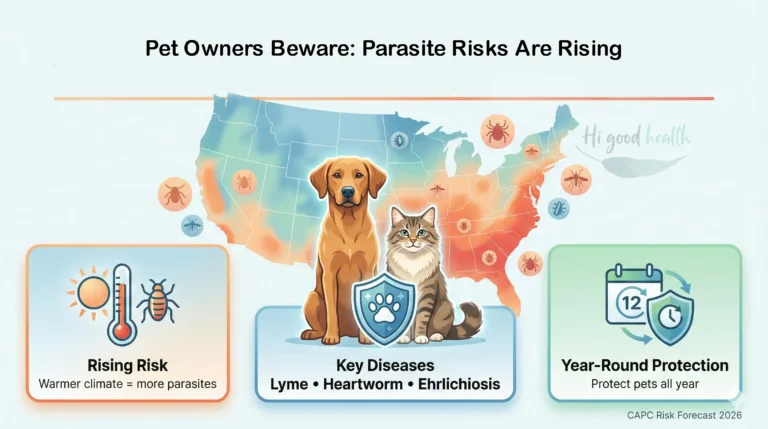
The most common tell‑tale sign is fatigue and disinterest in their usual routine.
Is your dog greeting you at the door with a wagging tail, or are they staying in their bed?
“Dullness” is the word most pet parents use, and it is a valid clinical observation. If the “spark” is missing, their body is likely fighting something internally.
Clinical Indicators: The Red Alert Signs
If the disease moves past the “dull” phase, you may notice more specific physical changes. These require immediate veterinary attention.
- High Fever (103°F–105°F): A dog’s normal temperature is roughly 101°F to 102.5°F. If their ears and belly feel radiating hot to the touch, they likely have a fever.
- The Gum Colour Check: Gently lift your dog’s lip. Healthy gums should be “bubblegum pink.” If they look pale (like porcelain), white, or have a yellowish tint (jaundice), it is a sign that the infection is destroying their red blood cells.
- Dark‑Coloured Urine: If you notice your dog’s urine looks like dark tea, coffee, or orange juice during a walk, this is a sign of “haemoglobinuria” — a result of red blood cells bursting due to Babesia spp.
- The “Shifting” Limp: One of the strangest signs of Anaplasma spp. is a limp that seems to move. Your dog might favour their front left paw in the morning, but by evening, they seem to be limping on a back leg. If they seem stiff when getting up or are suddenly reluctant to jump onto the bed, it is often joint inflammation caused by the infection.
The Silent Phase: The “Ticking” Time Bomb
This is perhaps the most misunderstood part of tick‑borne diseases in India. A pet can actually be “infected” but appear completely “normal” for weeks or even months.
Understanding the ecological cycle of these parasites helps you stay vigilant during every season. Explore the year-round reality of tick-borne serious infections for Indian pet parents
The Subclinical State
After the initial tick bite, bacteria like Ehrlichia can hide in the spleen or bone marrow. During this “Silent Phase,” the pet looks healthy, but the disease is slowly simmering under the surface.
The Immunity Trigger
The symptoms often only explode when the pet’s immunity drops — perhaps due to the extreme summer heat, a change in environment, or another minor illness.
This is why we often see pets “crash” suddenly, even if the owner has not seen a tick on them in a month.
Why Your Observation Matters Right Now
As we move through March, the rising heat in India puts a lot of stress on our pets. When you add a tick‑borne infection on top of that heat, a pet can “crash” very quickly.
You know your dog better than anyone. If they seem “dull” or “off” for even a day, do not just wait for it to pass. Catching these “thieves” early is the difference between a simple course of medicine and a stressful, expensive stay at the hospital.
These observations align with documented veterinary patterns in tropical regions and can guide timely veterinary intervention.
The “Hot Zone” Inspection
Daily checks to find and remove ticks that are crawling on or biting your pets help to keep them healthy. Ticks are masters of hide‑and‑seek and love warm, thin‑skinned areas.
Once a day, check these four “Hot Zones”:
- Inside the Ears: Deep in the folds where it is dark and warm.
- Between the Toes: Ticks often hitch a ride in the webbing of the paws.
- The “Armpits” and Groin: The soft skin where the legs meet the body.
- Under the Collar: A classic hiding spot where they will not be disturbed by scratching.
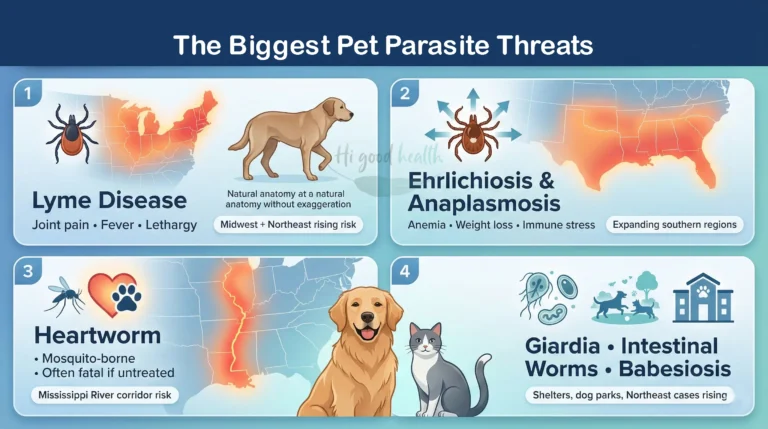
The “Never‑Squeeze” Rule for Tick Removal
If you find a tick during your check, do not squeeze its body or try to burn it off.
Why? Squeezing a tick is like squeezing a syringe — it forces the infected blood and parasites directly back into your dog’s bloodstream.
The Right Way to Remove a Tick
Use fine‑tipped tweezers or a tick‑removal tool.
- Grasp the tick as close to the skin as possible (by the head).
- Pull upward with steady, even pressure.
Professional Grooming: Supplement, Not a Cure
In India, many pet parents rely on “anti‑tick baths” at the groomer. While these have a role, it is important to understand their limits.
- The “Instant Kill” Only: Medicated baths and shampoos are great for killing the ticks currently on your dog, but they have zero residual effect. As soon as your dog steps back onto the grass, they are vulnerable again.
- The Proper Role: Think of grooming as a way to “reset” a heavy infestation. For 24/7 protection, you still need a vet‑approved oral tablet or long‑lasting spot‑on treatment. Grooming is the cleanup crew, but the medicine is the security guard.
Diagnostic Standards in 2026
When a pet presents with the signs we discussed — lethargy, pale gums, or fever — these are the immediate diagnostic steps.
First‑Line Screening (In‑Clinic)
The 4Dx SNAP / Rapid Test
The 4Dx test is not just another routine check; it plays a vital role in detecting serious diseases early on, allowing for timely and effective treatment.
It is considered the gold standard for immediate screening and checks for:
- Antibodies against Lyme, Ehrlichia, and Anaplasma
- Antigens for Heartworm
Regular screening with the 4Dx test for dogs gives pet owners peace of mind, knowing that their furry friend is being monitored for serious health threats.
- Even if you use the best tablets, a 4Dx test once a year is essential. It serves as a “Quality Control” check to ensure no “super‑tick” has bypassed your pet’s defenses.
CBC (Complete Blood Count)
In a CBC, veterinarians look for “The Triad of Tick Fever”:
- Thrombocytopenia: Low platelet count (the most common sign of Ehrlichia infection).
- Anemia: Low red blood cell count (classic for Babesia).
- Leukopenia / Leukocytosis: Abnormal white blood cell counts indicating inflammation or immune exhaustion.
PCR (Polymerase Chain Reaction)
PCR is a molecular test that searches for the actual DNA of the parasite in the pet’s blood.
- How it Works: It amplifies tiny fragments of the parasite’s genetic material. If the DNA is found, the parasite is physically present in the blood.
- Unmatched Precision: PCR can distinguish between specific species (for example, Babesia canis vs the more aggressive Babesia gibsoni). This is very important because different species require different medication.
- Perfect for Acute Cases: Unlike serology, PCR can detect an infection within days of a tick bite, long before the pet feels “dull” or loses their appetite.
For sick dogs presenting with clinical signs consistent with a vector‑borne disease, using serology (4Dx test and CBC) and PCR together improves the ability to make a complete and accurate diagnosis.
Prevention: Your Best Financial and Medical Investment
In the 2026 veterinary landscape, we have moved from “reactive” treatments to “proactive” shields. Prevention is no longer just a medical choice; it is a strategic financial investment that saves you from the emotional and monetary drain of an ICU stay.
Flea and tick preventives commonly come in two forms:
- Oral: Chewable tablet that your dog ingests
- Topical: Liquid that is applied between the shoulder blades or down the back of your dog
Oral Preventives
Oral medications are often the most convenient choice for active households, as they are typically flavoured like a treat and easily accepted by most dogs.
To ensure full protection:
- Monitor your pet for a short period after administration to confirm they have not hidden the tablet.
- Watch for any immediate digestive upset that could prevent the dose from being fully absorbed.
Topical Preventives
Topical “spot‑on” treatments provide an excellent alternative for dogs with sensitive stomachs or those who are particularly picky about what they eat.
To get the best results:
- Ensure the application site remains undisturbed by curious children or other pets until it is completely dry.
- Keep in mind that frequent swimming or baths can sometimes reduce the product’s longevity, so it is a good idea to time applications around your dog’s water activities.
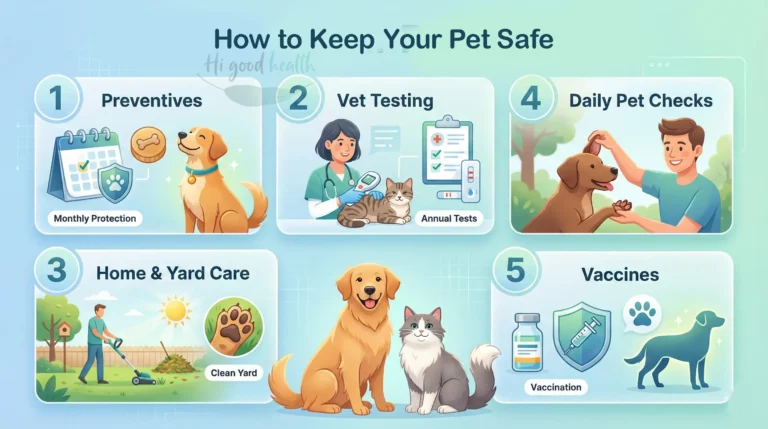
Oral vs Topical: The Isoxazoline Revolution
For years, spot‑on treatments and medicated baths were the standard in India. However, the introduction of the isoxazoline class (found in tablets like Bravecto and Simparica) has completely revolutionized how we protect our pets in a tropical climate.
Why Tablets Win in India
- Climate‑Proof: Unlike topicals, which can be washed off by monsoon rains or frequent baths needed for dusty Indian walks, oral tablets work from the inside out.
- Precision Killing: These tablets interfere with the nervous system of ticks and fleas, causing them to die within hours of biting — often before they can transmit “Tick Fever” pathogens like Ehrlichia spp.
- The “Compliance” Factor: A single Bravecto chew provides up to 3 months of protection, while Simparica offers a monthly “Safety Shield.” This eliminates the risk of forgetting a weekly bath or a monthly spot‑on.
Environmental Management: Defending the Fortress
Ticks in India are urban specialists. They do not just live in the grass; they thrive in the solid structures of our homes and gardens.
Control of ticks in the environment involves restricting habitat, limiting wildlife, and, in some cases, judicious application of environmental acaricides.
Strategic Indoor Defense
Environmental management starts with breaking the “Indoor Life Cycle.”
- Vacuuming as a Weapon: Regular vacuuming is the most effective non‑chemical way to remove eggs and larvae. Focus on the edges of carpets, the gaps under the sofa, and the tracks of sliding balcony doors. Immediately dispose of the vacuum bag or canister outside the home.
- Targeted Spraying: Use a pet‑safe environmental spray (containing Fipronil or Permethrin) specifically along the skirting boards and door thresholds. This creates a chemical barrier that kills ticks before they can find a hiding spot.
- High‑Heat Laundry: Wash pet bedding, rugs, and even your own floor mats in hot water (above 60°C) once a week. High heat is one of the few things that can kill tick pupae.
The Compound Defence: Managing the Outdoors
If you live in a society with a shared garden or a bungalow with a compound, the “3‑Foot Rule” is your best friend.
- The 3‑Foot Dry Zone: Create a barrier of gravel, wood chips, or bare dry soil (roughly 3 feet wide) between any wooded or grassy areas and your walking path. Ticks hate crossing hot, dry surfaces as they dehydrate quickly.
- Vegetation Control: Keep the grass in your compound trimmed to less than 3 inches. Short grass allows the sun to reach the soil, creating a lethal heat zone for tick larvae.
- Debris Removal: After heavy rains, ensure there is no standing water or damp leaf litter near the house. Damp, shaded areas are the primary staging grounds for ticks waiting for a host.
The Elevator & Lobby Protocol
In 2026 high‑rises, the shared elevator is the number one “Tick Taxi.”
- The Post‑Elevator Check: Ticks often drop off an infested pet in the elevator and crawl into the corners of the carpet or the gap in the floor tracks.
- If you live in a high‑rise, do a quick “hand‑swipe” of your dog’s legs before you enter your front door. This 10‑second check can prevent a “home invasion” before it starts.
Quick behavioral assessments can help you determine if a veterinary visit is necessary. Learn how to distinguish between a food tantrum and a serious medical red flag in pets
Natural & Ayurvedic Support: The “Support,” Not the “Shield”
India has a rich tradition of using Neem and other herbal extracts for pest control. In 2026, these are recognized as excellent adjuncts (add‑ons) to a medical protocol.
- Neem‑Based Sprays: A diluted Neem oil spray is fantastic for a “pre‑walk” misting to repel flies and mosquitoes.
- Herbal Shampoos: These can help soothe skin that has been irritated by previous bites.
The critical boundary: While Ayurveda is wonderful for skin health and general immunity, it cannot replace primary medical prevention. Neem and essential oils are repellents, but they do not kill ticks fast enough to prevent the transmission of deadly blood parasites.
Think of Ayurveda as the “armor” and your isoxazoline tablet as the “weapon.”
Building your pet’s immune resilience requires a long-term approach to metabolic wellness. Read about long-term prevention strategies to protect your pet’s appetite and overall resilience
The “Prevention Math” (2026 Update)
Strategy – Monthly Cost (Approx.) – Effectiveness
- Oral Tablets (Bravecto / Simparica): ₹800 – ₹1,500, 99% (Gold Standard)
- Topical Spot‑Ons: ₹500 – ₹900, 75% (Vulnerable to water / heat)
- Natural / Herbal Only: ₹200 – ₹400, <30% (Repels, but does not kill)
A relapse is a common occurrence in the first 2 months after the infection, so make sure you follow stringent tick preventive measures.
Although not very common, tick fever can be spread to humans with low or compromised immunity. Thus, it is in everybody’s best interest to keep your environment clean and tick‑free. Getting rid of a tick infestation is much more tiresome than preventing it.
FAQs
1. I do not see any ticks on my dog. Does that mean he is safe?
Not necessarily. A tick only needs to be attached for 24–48 hours to transmit Ehrlichia spp. or Babesia spp.
It can bite in a hidden area (like inside the ear or between toes), transmit the disease, and drop off before you ever notice it. If your dog is “dull” or off‑feed, do not wait to see a tick before visiting the vet.
2. Can I catch Tick Fever from my dog?
Directly? No. You cannot get Ehrlichiosis or Babesiosis from your dog’s saliva, fur, or breath.
However, the ticks themselves are zoonotic. If an infected tick falls off your dog and bites you, you can contract tick‑borne illnesses like Rickettsiosis.
Protecting your pet is a “One Health” move that protects your entire family.
3. My dog was treated for Tick Fever last year. Is he immune now?
No. Unlike some viral diseases, Tick Fever does not grant lifelong immunity. Your dog can be reinfected multiple times if bitten by new infected ticks.
In fact, dogs who have had it before may have slightly compromised spleens or kidneys, making a second infection even more dangerous.
4. Are “Natural” or “Ayurvedic” sprays enough for prevention?
No. While Neem and herbal oils are excellent repellents and great for skin health, they do not kill ticks fast enough to prevent disease transmission.
In the high‑risk Indian climate of 2026, Ayurvedic options should only be used as adjuncts (add‑ons) to a primary medical preventive like Bravecto or Simparica.
5. Can cats get Tick Fever too?
Yes. While dogs are more frequently affected, cats can contract feline‑specific versions like Cytauxzoonosis or Haemobartonella.
Cats are masters at hiding pain, so look for subtle signs like “hiding,” pale gums, or a sudden lack of grooming.
All reference links valid and accessible on 27 May 2026
- Canine Tick Fever: What, How, and Why Is It Fatal (July 26, 2022)
https://www.wagr.ai/blogs/dog-health-wellness/canine-tick-fever-what-how-and-why-is-it-fatal - Preventing Ticks on Pets (May 15, 2024)
https://www.cdc.gov/ticks/prevention/preventing-ticks-on-pets.html - The 4Dx Test for Dogs: What Pet Owners Should Know
https://faithfulfriendsvetclinic.com/4dx-test-for-dogs/ - Defeating Ticks: Practical Tips for Preventing Tick‑Borne Disease in Pets
https://todaysveterinarypractice.com/parasitology/practical-tips-for-preventing-tick-borne-disease-in-pets/ - Screening for Vector‑Borne Disease – SNAP 4Dx Plus Test Clinical Reference Guide
https://ca.idexx.com/files/vbd-clinical-user-guide-ca.pdf
If you would like to read a summarized version of this article then Read on:Your Dog Seemed Fine Yesterday. Today He Won’t Get Up. This Is What Tick Fever Looks Like — Before It’s Too Late
