
The Year-Round Reality of Tick Fever in Dogs in India
In India, pets are more than just animals; they are the heart of the home. But living in a warm, tropical climate comes with a unique responsibility. While pet owners in colder countries might only worry about a short “tick season” in summer, our reality is different. Across most of India, temperatures rarely drop low enough to naturally thin out tick populations, so the risk of tick fever in dogs is present all year round.
At a glance
Tick fever in dogs is a group of tick-borne infections — mainly ehrlichiosis in dogs, babesiosis in dogs, and anaplasmosis in dogs — spread by the bite of infected ticks. In India the risk runs all year because the warm, humid climate keeps ticks active. Watch for canine tick fever symptoms such as tiredness, loss of appetite, pale gums, fever, and dark urine, and see a veterinarian quickly. Early tick fever in dogs treatment is usually straightforward, while monthly vet-approved tick prevention is the cheapest, safest way to protect your dog from this tick borne disease.
Research on ticks infesting dogs in India shows that tick numbers spike sharply during the humid monsoon months (July to September), and the pre-monsoon heat triggers an early “bloom” in activity [2]. Ticks emerge well before the first rains, driving a heartbreaking surge in tick fever cases as they hunt for their next meal — and your dog is a primary target.
The “Indoor” Myth: Why Your Apartment Isn’t a Fortress
One of the most dangerous misconceptions among city-dwelling pet parents is the belief that a high-rise or paved walking paths create a “fortress” against ticks. In reality, the Brown Dog Tick (Rhipicephalus sanguineus) is an urban specialist that has adapted perfectly to modern Indian apartments, and it is the main carrier behind tick fever in dogs in our cities [1]. These pests are world-class hitchhikers; they can cling to your clothes, shoes, or even a neighbour’s dog in a shared elevator, essentially being hand-delivered into your home. Unlike forest ticks that stay in the grass, local ticks often prefer cracks in skirting boards, door frames, and window sills where they can hide and breed. Because homes are temperature-controlled, these ticks avoid outdoor stress and survive for long periods, waiting to trigger tick fever in dogs.
Why Tick Fever in Dogs Is More Than Just a Fever
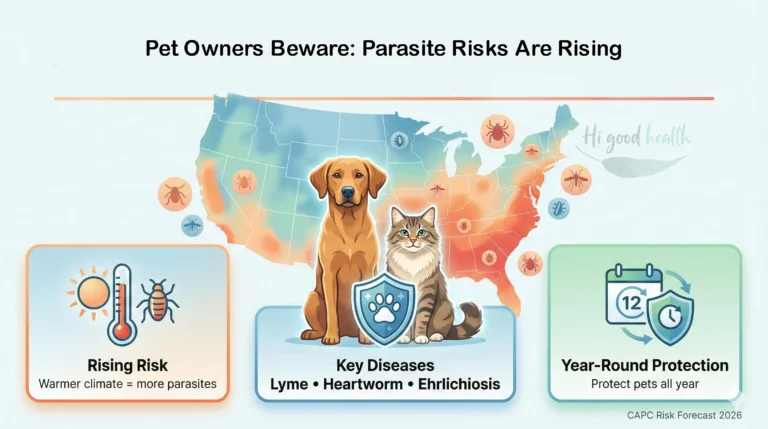
In India, “Tick Fever” is a term often used for a group of tick-borne infections — mainly Ehrlichia spp., Babesia spp., and Anaplasma spp. — that can affect a dog’s blood cells, immune system, and overall vitality. In other words, tick fever in dogs is not one single disease but several serious conditions that a single tick bite can trigger.
Affected dogs may show canine tick fever symptoms such as lethargy, reduced appetite, pale gums, fever, weakness, or changes in urine color. Some cases can become life-threatening without prompt veterinary diagnosis and treatment.
The “Big Three”: Meet the Silent Thieves of Your Pet’s Health
Pet parents across India often say, “My dog was fine yesterday, but today he just won’t get up.” This is one of the ways a tick borne disease in dogs first becomes noticeable. Studies that identified ticks infesting dogs in central India confirm how widespread these parasites have become across the country [3]. Think of the three infections behind most tick fever in dogs not just as medical terms, but as serious threats that can rapidly undermine your pet’s health.
Identifying the subtle early shifts in your pet’s physical state can be life-saving. Review [clinical indicators and behavioral shifts every pet parent must watch for] (Part 2 – Recognizing the Signs tick- india – final 1 eaat compilant), for detailed information, read our article.
1. Ehrlichiosis in Dogs (Ehrlichia spp.): The Platelet Raider
Ehrlichiosis in dogs is one of the most commonly discussed tick-borne infections in Indian dogs.
- The Crime: Once a tick bites, Ehrlichia can enter the bloodstream and infect white blood cells. It may also contribute to low platelet counts, which can affect normal blood clotting.
- The Red Flag: You might notice your dog is suddenly “lazy” or skipping their favorite treat. If it progresses, you might see tiny red purple-ish spots on their belly or a sudden nosebleed. This can happen when platelet levels fall significantly.
2. Babesiosis in Dogs (Babesia spp.): The Red Cell Destroyer
If ehrlichiosis is a thief, babesiosis in dogs is a wrecking ball. This parasite may be transmitted through tick bites and can target red blood cells.
- The Crime: It lives inside red blood cells and can cause them to break down, leading to anemia.
- The Red Flag: Keep an eye on your dog’s gums. A healthy dog has bright “bubblegum pink” gums. If they look pale, white, or yellowish (jaundice), it may be a sign of red blood cell destruction. You might also notice urine that looks unusually dark, like tea or cola.
3. Anaplasmosis in Dogs (Anaplasma spp.): The Joint Invader
Anaplasmosis in dogs can affect blood components and may also be linked to pain, fever, and mobility issues in some dogs.
- The Crime: While it can affect the blood, Anaplasma may also contribute to joint inflammation and discomfort.
- The Red Flag: This is sometimes described as “shifting-leg lameness.” Your dog might limp on the front left leg in the morning, but by evening the back right leg seems to hurt. They may be reluctant to jump onto the bed or climb the stairs, acting stiff and uncomfortable.
You may also hear about Lyme disease in dogs, another tick borne disease carried by ticks worldwide. It is far less common in India than the “Big Three,” but it is one more reason consistent tick prevention matters.
Tick Fever in Dogs Treatment: What to Expect
Tick fever in dogs treatment always depends on which infection your veterinarian diagnoses, so never self-medicate. For ehrlichiosis in dogs and anaplasmosis in dogs, vets often prescribe a course of antibiotics such as doxycycline. Babesiosis in dogs may need specific anti-parasitic injections instead. Severe cases can require IV fluids, hospitalization, and sometimes a blood transfusion for supportive care. The earlier a tick infection dog owners spot the signs, the simpler and cheaper treatment usually is.
The Economics of Tick Fever in Dogs: Prevention vs. Cure
In India, pet parents often look at the price of a premium tick-prevention tablet and hesitate. But when you compare that with the potential cost of treating advanced tick fever in dogs, prevention is usually the more predictable and financially manageable path.

The Cost of the Cure
Treating a full-blown case of tick fever in dogs (especially babesiosis) can be significantly more expensive than routine prevention, particularly if the dog needs hospitalization or intensive supportive care. In a typical Indian city:
- Diagnostics: Initial blood work, CBC, PCR, and 4Dx SNAP tests usually range from ₹2,500–4,500, depending on the clinic and tests advised.
- Hospitalization: Multi-day stays for IV fluids, medications, and monitoring can range from ₹2,000–5,000 per day.
- Blood Transfusions: If red blood cells or platelets crash, a transfusion may be life-saving but costly, often ₹15,000–25,000 per unit due to limited canine blood banks.
- Long-term Recovery: Follow-up tests and liver/kidney support medications may add another ₹5,000–10,000 over weeks or months.
The Cost of Prevention
In contrast, preventing tick fever in dogs is usually more predictable and far easier to budget for:
- Oral Tablets (e.g., Bravecto/Simparica): When prescribed by a veterinarian and used exactly as directed, these can offer effective protection for roughly ₹600–1,500 per month, depending on your dog’s weight and product.
- The Prevention Math: You could cover over 3 years of top-tier prevention for the price of one week of emergency hospitalization and a blood transfusion — but always confirm costs with your local vet, as prices vary by region and supplier.
The “Emotional” Tax
Beyond the rupees, there is the emotional cost. Watching a pet struggle through tick fever in dogs can be overwhelming for any family. In 2026, many Indian pet insurance providers now cover tick-borne illnesses, but only if you can prove the pet was on a regular, vet-approved prevention protocol.
- The Cost of Neglect: ICU stays, transfusions, repeated blood tests, and organ-support medications can turn into a major financial and emotional burden.
- The Cost of Protection: A monthly or quarterly preventive medicine is often easier to manage than a sudden large emergency bill.
For more on how to safeguard yourself from unexpected expenses, read our article on “Pet Insurance”.
Pet Parent’s “Tick-Free” Action Plan
Knowing the risks is the first step, but small, consistent actions are what keep tick fever in dogs at bay. Here is a practical routine to help keep your pet safer during high-risk periods.
The Post-Walk Ritual: The 30-Second “Scan”
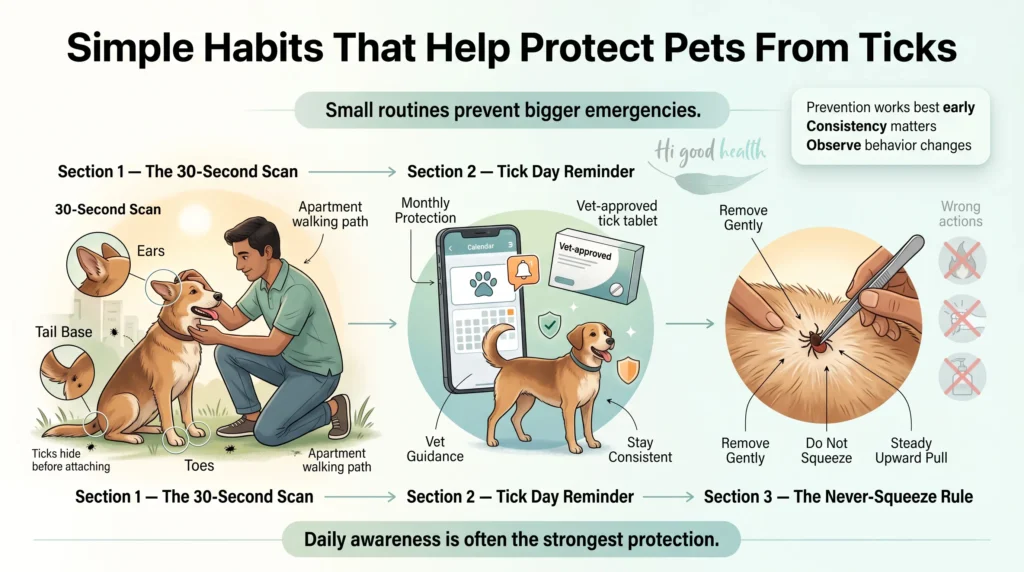
Ticks in India are hitchhikers. They wait on blades of grass in society gardens or hide in the cracks of your apartment’s walking path. After every walk, do a quick hand-scan of these three hot zones: the ears, the toes, and the tail base. This 30-second habit is your simplest daily defense against tick fever in dogs.
Set a “Tick Day” Reminder
Whether it is a monthly or 3-month tablet tick-prevention medication (such as Bravecto or Simparica), set a recurring alarm on your phone and give it only under veterinary guidance and according to the product label. Consistent dosing is the backbone of preventing tick fever in dogs.
The “Never-Squeeze” Rule
If you find a tick, do not squeeze, burn, or apply kerosene. Following guidance from veterinary sources such as the MSD Veterinary Manual, use fine-tipped tweezers or a proper tick-removal tool to grasp it as close to the skin as possible and pull upward with steady, even pressure [4]. Rough handling may increase local irritation and make safe removal harder.
Home Defense
Ticks may hide in cracks, corners, bedding areas, kennels, balconies, and shaded outdoor spots. Once a month, ask your veterinarian whether a pet-safe environmental control product is appropriate for your home, especially if your pet has had repeated tick exposure or a past bout of tick fever in dogs.
A sudden refusal to eat is a pet’s primary way of signaling an internal problem. Consult [the common causes of appetite loss in dogs and cats and at-home checks] (Dog-or-Cat-Not-Eating-India-Edition – final 2), for detailed information, read our article.
The “Early Warning” Check for Canine Tick Fever Symptoms
Once a week, perform a 1-minute wellness check. Catching a tick borne disease in dogs at this early stage of tick fever in dogs can make treatment far simpler:
- Gums: They should look bubblegum pink. If they are white, very pale, or yellow, contact a veterinarian promptly.
- Appetite: If your usually enthusiastic eater suddenly refuses food or treats, pay attention.
- Urine: Watch for a change to a dark “cola” or “tea” color.
- Energy and temperature: If your pet seems unusually tired, weak, feverish, or unwilling to move, seek veterinary advice early rather than waiting for symptoms to worsen.
To stay one step ahead, you can also read our companion piece on Recognizing the Signs: What Every Indian Pet Parent Must Watch For, which covers subtle behavioral changes and physical red flags of tick fever in dogs in more detail.
Key Takeaways
- Tick fever in dogs is a group of tick-borne infections — ehrlichiosis in dogs, babesiosis in dogs, and anaplasmosis in dogs — not a single illness.
- In India the risk is year-round because the warm, humid climate keeps ticks active, and even apartment dogs are exposed.
- Watch for canine tick fever symptoms: tiredness, appetite loss, pale gums, fever, dark urine, and shifting-leg lameness.
- Tick fever in dogs treatment is cheaper and simpler when caught early, so weekly checks matter.
- Monthly vet-approved prevention costs a fraction of treating a severe tick infection dog emergency.
Conclusion: Vigilance is Kindness
Tick fever in dogs is a serious threat in India, but timely prevention and early veterinary care make it much easier to manage. It is more than a temporary illness; if ignored, some tick-borne infections may contribute to complications affecting blood health and multiple organs. Being proactive does not just control costs, it also gives your pet a better chance at a long, healthy, and comfortable life.
As the pre-monsoon season begins, the most useful gift you can give your pet is consistent prevention and timely veterinary attention. Whether you are in Hyderabad, Delhi, Bangalore, or any other regional hub, consider booking a veterinary visit for an exam and a prevention plan tailored to your pet’s age, breed, lifestyle, and exposure risk.
Frequently Asked Questions (FAQs)
1. Can my dog get Tick Fever even if I don’t see ticks?
Yes, absolutely. Ticks are experts at hiding in hard-to-see spots like deep ear folds, between toes, under collars, or under the tail. A tick may attach, feed, and sometimes detach before you ever notice it, which is one reason dogs can still develop tick-borne disease even when owners have not seen an obvious tick.
2. Is tick fever in dogs contagious to humans?
You cannot catch your dog’s tick-borne disease directly through normal touch, saliva, or cough. However, ticks themselves can carry pathogens that may also affect humans, so preventing tick infestations in pets can also help reduce household exposure.
3. Can my cat get Tick Fever?
Cats are generally affected differently from dogs, but they are not completely immune to tick-related problems. Cats can still suffer from tick infestation and some tick-borne illnesses, so lethargy, pale gums, fever, or unexplained weakness should always be evaluated by a veterinarian.
4. What should I do if I find a tick on my dog?
Follow the Never-Squeeze Rule:
Use fine-tipped tweezers or a tick-removal tool.
Grasp the tick as close to the skin as possible.
Pull upward with steady, even pressure.
Clean the bite area with a pet-safe antiseptic or as advised by your veterinarian.
If you are unsure whether the whole tick has been removed, or if your dog seems unwell afterward, schedule a veterinary check.
Or take your dog to a vet and put him on anti-tick medication
5. Is Tick Fever treatment really that expensive in India?
It can be. A mild case may be manageable, but a severe case involving anemia, dehydration, bleeding issues, or organ complications can become costly because it may require hospitalization, repeated laboratory testing, and intensive supportive treatment. That is why a routine prevention budget often feels much smaller than the bill from one emergency.
6. What is the treatment for tick fever in dogs?
Tick fever in dogs treatment depends on which infection your veterinarian diagnoses. Ehrlichiosis in dogs and anaplasmosis in dogs are often treated with antibiotics such as doxycycline, while babesiosis in dogs may need specific anti-parasitic injections. Severe cases can require IV fluids, hospitalization, and sometimes a blood transfusion. Always follow your vet’s prescription instead of self-medicating.
7. What are the early canine tick fever symptoms to watch for?
Early canine tick fever symptoms are often subtle: reduced energy, skipping meals, mild fever, or pale gums. As the tick borne disease in dogs progresses, you may notice dark urine, tiny red spots on the belly, nosebleeds, or shifting-leg lameness. Any of these signs is a reason to book a prompt veterinary check.
8. Can dogs in India get Lyme disease from ticks?
Lyme disease in dogs is far less common in India than ehrlichiosis, babesiosis, and anaplasmosis, which cause most local tick fever cases. Even so, it is a recognised tick borne disease worldwide, so year-round tick prevention is still the best protection against every tick infection dog owners worry about.
All reference links valid and accessible on 10 April 2026
[3] Singh, A. (2026). “Prevalence and Morphological Identification of Ticks Infesting Dogs in Central India.” Journal of Advances in Biology & Biotechnology, 29(2), pp. 98–105. doi: 10.9734/jabb/2026/v29i23618.
[4] Moriello, Karen A. Ticks of Dogs. MSD Veterinary Manual.
Disclaimer
The content provided on higoodhealth.com is for general informational purposes only. While we strive to offer accurate and up-to-date content, much of the information is derived from publicly available sources and personal research. We do not make any warranties about the completeness, reliability, or accuracy of this information.
