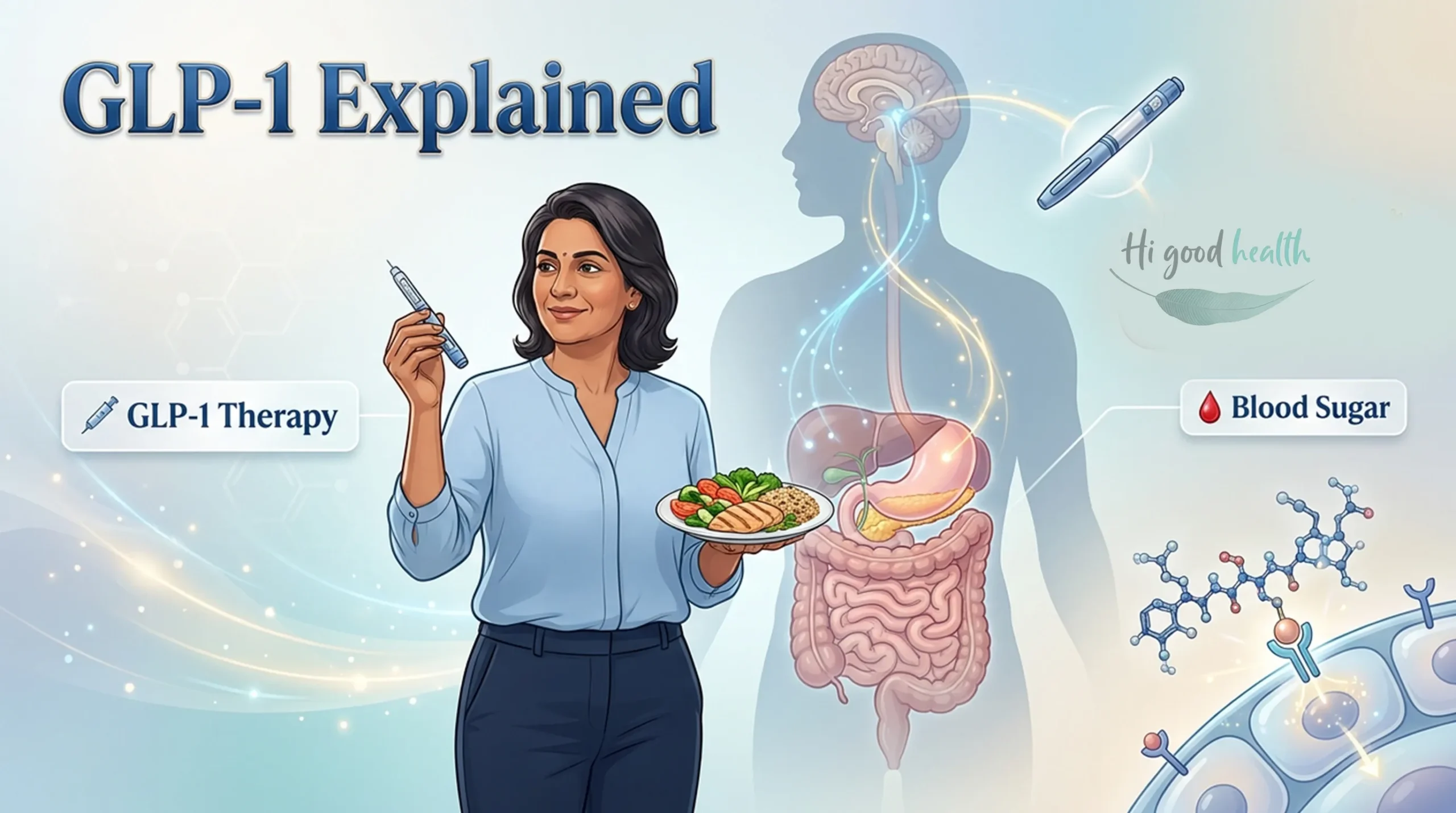
A New Era for Diabetes and Weight Management in India
Imagine a once-weekly injection that helps your body release insulin only when blood sugar is high, reduces constant food cravings, and — in large clinical trials —lowers the risk of major cardiovascular events — including heart attack and stroke — by 20% in people who are overweight. This is the proven science behind GLP-1 medications, also known as GLP-1 receptor agonists — medicines built around glucagon-like peptide-1, a natural gut hormone, now more accessible in India in 2026. This guide explains GLP-1 medications in plain language — what they are, how they work, who they help, and how to use them safely.
At a glance: What Are GLP-1 Medications?
GLP-1 medications (glucagon-like peptide-1 receptor agonists) are prescription medicines such as semaglutide (Ozempic, Wegovy), tirzepatide (Mounjaro), and dulaglutide (Trulicity) that help control blood sugar and support weight loss. Since semaglutide’s patent expired in India in March 2026, generic versions have cut monthly costs by roughly 80%, making these GLP-1 medications far more accessible for India’s 100+ million people with diabetes and 250 million people who are overweight or obese.
A DISCOVERY OVER A CENTURY IN THE MAKING
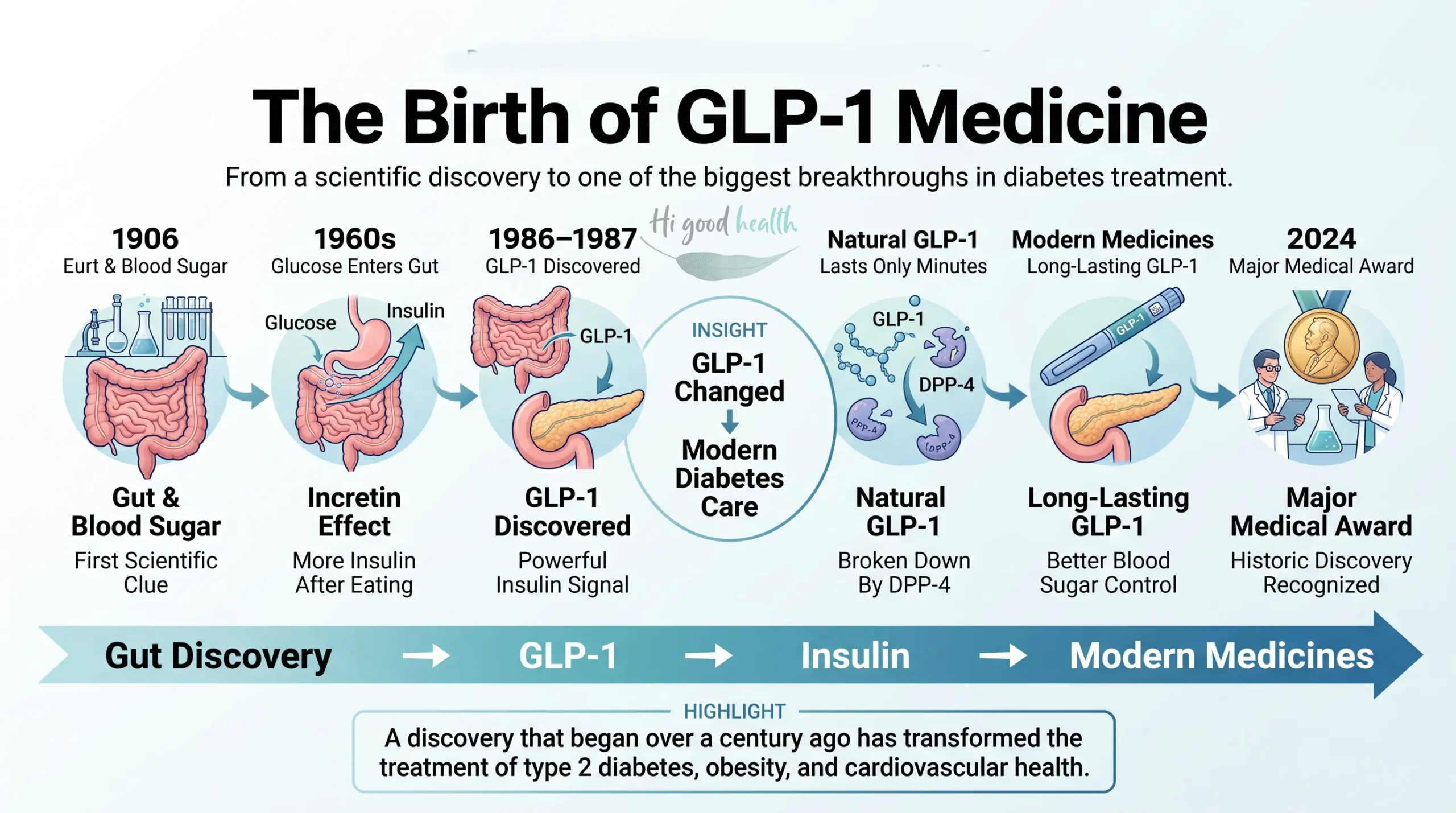
The journey of GLP-1 medications stretches back to 1906, when scientists in Liverpool first observed that extracts from the intestine could lower blood sugar. Although attention shifted after insulin was discovered, the mystery of the gut’s role in glucose regulation refused to die.
By the 1960s, researchers had demonstrated the incretin effect — the phenomenon where glucose taken orally triggers much higher insulin release than glucose given intravenously. The pivotal moment arrived in 1986–87, when Joel Habener and Svetlana Mojsov at Massachusetts General Hospital identified GLP-1, a truncated fragment of a glucagon-related protein with powerful insulin-stimulating properties.
In a landmark 1987 study, Mojsov synthesized GLP-1 and showed, using a perfused rat pancreas model, even tiny doses caused insulin levels to rise in lockstep. This foundational discovery — later recognized with the 2024 Lasker–DeBakey Clinical Medical Research Award for Habener, Mojsov, and Lotte Bjerre Knudsen — laid the foundation for an entirely new class of GLP-1 medications.[1]
Gut releases natural GLP-1 that is destroyed in the bloodstream within about two minutes by the enzyme DPP-4 that is a widely distributed integral membrane protein that is expressed in the intestine, kidney, vascular endothelium, liver pancreas, glandular epithelial cells, and immune system cells.[17]
Hence, DPP-4 inhibitors are a successful class of anti-hyperglycaemic agents used to treat type 2 diabetes (T2DM) via protecting GLP-1. Dr. Daniel Drucker of the University of Toronto has noted: “In the field of diabetes research, the GLP-1 system may be the most important discovery since insulin.”[2]
WHY GLP-1 NEEDED REINVENTION
Natural GLP-1 is far too short-lived for medicine. To overcome this limitation, scientists searched nature for a more stable alternative. The solution came from an unlikely source: the saliva of the Gila monster lizard. A peptide called exendin-4 mimicked GLP-1 but lasted much longer. This led to the first approved GLP-1 receptor agonist, exenatide (Byetta), in 2005 which binds to the same receptor but works far longer. This opened the door to today’s GLP-1 medications.
Subsequent engineering by Novo Nordisk’s Lotte Knudsen produced liraglutide and then semaglutide — a once-weekly injection that binds to albumin in the blood for sustained action. Other agonists such as dulaglutide and tirzepatide were developed by Eli Lilly.[3]
Why does this matter for India? India is home to over 100 million people with diabetes and approximately 250 million classified as obese or overweight.[15] What makes the situation uniquely dangerous is the “Thin-Fat Indian” paradox: South Asians tend to accumulate more visceral (belly) fat, liver fat, and less lean muscle mass at lower body weights than Western populations.[8][9][10]
While GLP-1 medications are a global phenomenon, they are particularly critical for the ‘Thin-Fat’ Indian phenotype; learn why South Asians face metabolic risks at much lower BMIs.
A person with a BMI of 24 in India can carry the same metabolic risk as someone with a BMI of 30 in Europe.[11] The WHO has recommended lower BMI cut-offs for overweight (≥23 kg/m²) and obesity (≥25 kg/m²) in Asian populations for precisely this reason.[16]
The 2026 Turning Point: Affordable Access
For years, GLP-1 medications were priced out of reach for most Indians. Following the expiry of semaglutide’s patent in India (March 20–21, 2026), the market changed dramatically.[13][14]
- 40+ Indian pharma companies launched generic GLP-1 medications[12]
- Prices dropped by ~80%
Key players include:
- Sun Pharma
- Dr. Reddy’s Laboratories
- Cipla
- Lupin
- Zydus Lifesciences
Pricing shift:
- Earlier: ₹10,000–11,000/month (branded)
- Now: ~₹3,000–5,000/month (generics)
In response, Novo Nordisk introduced more affordable branded GLP-1 medications like Extensior and Poviztra.
The 2026 patent expiry has made these life-changing GLP-1 medications affordable; explore our detailed guide on Indian generic brands to see how monthly costs have dropped by 80%.
What Is a GLP-1 Medication? (What Is GLP-1?)
GLP-1 (Glucagon-Like Peptide-1) is a natural gut hormone released by intestinal L-cells after eating. It acts as the body’s built-in regulator of appetite and blood sugar.
GLP-1 works by:
- stimulating insulin only when blood sugar is high
- reducing liver glucose output, slowing stomach emptying to prolong fullness
- suppressing hunger via the brain, and inhibiting glucagon to maintain stable glucose levels
Prescription GLP-1 medications copy this natural hormone’s action in a longer-lasting, controllable dose, which is what makes GLP-1 medications so effective.
How Do GLP-1 Drugs Work? The Mechanism Explained Simply
Imagine your digestive system as a smart factory. When raw material (food) arrives, the factory needs to process it efficiently. GLP-1 medications work like an upgraded factory supervisor who coordinates multiple departments at once:
- Pancreas (Smart Insulin Release): Stimulates insulin only when blood sugar is high → stops when sugar normalizes → low risk of hypoglycemia (unlike older drugs)
- Brain (Appetite Control): Acts on hypothalamus & brainstem → reduces food cravings → food loses emotional grip
- Stomach (Slow Emptying): Delays gastric emptying → smaller meals keep you full longer
- Liver (Reduced Sugar Output): Suppresses glucagon → lowers excessive glucose release from liver → improves fasting blood sugar (especially beneficial for insulin-resistant individuals, common in Indian populations)
- Beyond Blood Sugar (Multi-Organ Effects): GLP-1 receptors found in heart, blood vessels, kidneys, brain → being studied for heart failure, kidney disease, fatty liver (NAFLD/NASH), Parkinson’s, and Alzheimer’s
GLP-1 Medications List: Names, Forms, and Costs in India (2026)
| Generic Name | Brand Names | Type | Approved For | Approx. Cost/Month | Key Feature |
| Semaglutide | Ozempic, Wegovy, Rybelsus | Weekly injection / Daily oral | T2D, Obesity | ₹3,400–₹16,400 | Most studied; generics dominant |
| Tirzepatide | Mounjaro | Weekly injection | T2D, Obesity | ₹14,000–₹27,500 | Dual GLP-1 + GIP; highest weight loss |
| Liraglutide | Victoza, Saxenda, Lirafit | Daily injection | T2D, Obesity | ₹4,000–₹12,000 | Older, well-established safety |
| Dulaglutide | Trulicity | Weekly injection | T2D | ₹3,500–₹8,000 | Convenient pen device |
| Exenatide | Byetta, Bydureon | Twice-daily or weekly | T2D | ₹3,000–₹6,000 | First GLP-1 (2005) |
Important note: Oral semaglutide (Rybelsus) is currently approved in India only for Type 2 diabetes, not for weight loss. Always verify current approvals for these GLP-1 medications with your prescribing physician.
All four of these GLP-1 medications (Semaglutide, Liraglutide, Dulaglutide, and Tirzepatide) are approved by CDSCO (Central Drugs Standard Control Organization) in India for managing diabetes, with Semaglutide and Liraglutide being common choices for weight management.
Source: Journal of the Association of Physicians of India (JAPI), 2026.
Why GLP-1 Medications Became Famous: A Revolution in Diabetes Care?
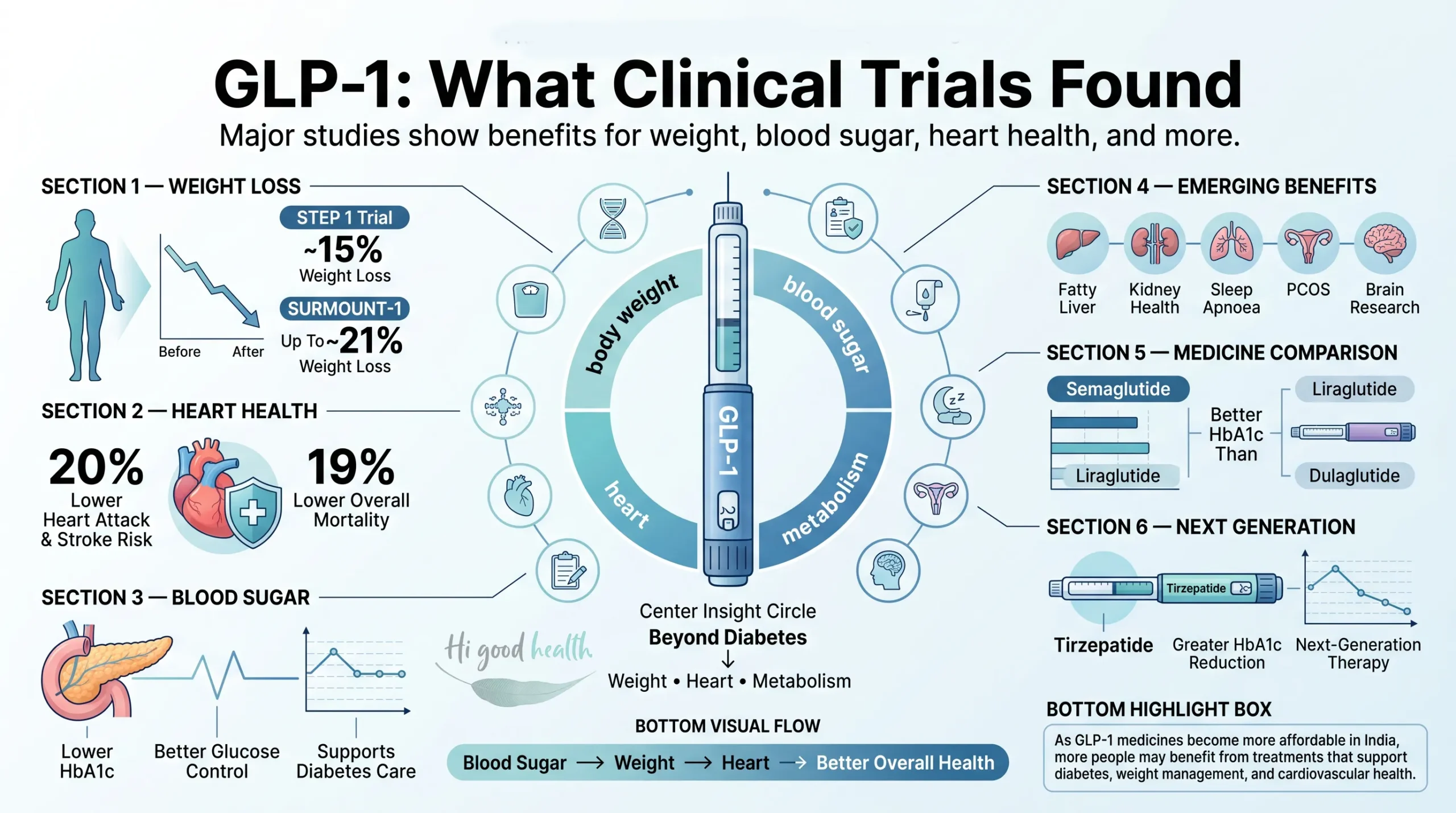
Several landmark trials explain why GLP-1 medications became famous. The STEP 1 trial showed semaglutide 2.4 mg led to 14.9% weight loss over 68 weeks, while SURMOUNT-1 showed tirzepatide achieved up to 20.9% weight reduction—approaching bariatric surgery outcomes.[6]
The SELECT trial (17,604 patients) found semaglutide reduced cardiovascular death, non-fatal heart attack, and non-fatal stroke by 20% and all-cause mortality by 19%, suggesting direct cardioprotective effects beyond weight loss.[4]
In STEP-HFpEF, semaglutide produced 13.3% weight loss in heart failure patients and improved symptoms and physical function. Additional benefits include better HbA1c (1.0–1.8% reduction), modest blood pressure improvement, and favorable lipid changes.
Emerging research on GLP-1 medications covers fatty liver, kidney disease, sleep apnoea, PCOS, and neurodegeneration. In an interview with The Indian Practitioner (2026), Dr. Rajiv Kovil notes nearly 50% of his patients could benefit, but only 5% used them due to cost—generics are now changing this.
A head-to-head meta-analysis of GLP-1 medications across 16 studies (5,997 patients) found that Semaglutide significantly reduced HbA1c compared to Liraglutide (0.56; p < 0.001) and Dulaglutide (3.72; p = 0.05), and also lowered FBS more than Dulaglutide (2.66; p = 0.03). No significant differences were observed in weight or BMI changes. Tirzepatide showed superior HbA1c reduction over Semaglutide (−0.45; p = 0.04), with no differences in weight or FBS.[18]
Source: Frontiers in Pharmacology (2025), meta-analysis of GLP-1 receptor agonist trials.
Key Benefits of GLP-1 Medications
GLP-1 medications deliver a range of proven benefits. Clinically significant weight loss: 10–21% of body weight in trials • Better blood sugar control with low risk of hypoglycaemia • Proven cardiovascular protection (20% MACE reduction) • Natural appetite regulation and reduced emotional eating • Convenient once-weekly dosing that improves adherence • Multi-organ benefits of GLP-1 medications under active study
These GLP-1 medications mimic internal signals that originate in the enteric nervous system. Explore the science of the gut-brain axis and how your digestive system shapes your mood for detailed information, read our article.
GLP-1 Side Effects: What You Should Know
Most side effects from GLP-1 medications are manageable and improve as your body adjusts over the first 2–4 weeks.[5]
Common Side Effects (experienced by 10–40% of users)
| Side Effect | Why It Happens | What Helps |
| Nausea | Slowed stomach emptying; brain activation | Eat smaller meals; avoid fried/greasy food; hydrate |
| Vomiting | Related to nausea, more common during dose escalation | Slow dose titration under doctor’s guidance |
| Diarrhoea | Altered gut motility | Stay hydrated with nimbu pani or ORS; avoid dairy temporarily |
| Constipation | Slowed gastric and intestinal motility | Increase fibre (isabgol, vegetables, whole grains); drink more water |
| Bloating / Gas | Slower digestion | Eat slowly; avoid carbonated drinks; consider ajwain water |
| Reduced appetite | Intended mechanism | Ensure adequate protein and nutrient intake |
| Injection site reactions | Local immune response | Rotate injection sites; use room-temperature pen |
Serious but Rare Side Effects (require immediate medical attention):
- Pancreatitis: severe abdominal pain radiating to the back
- Gallbladder problems: increased gallstone risk from rapid weight loss
- Thyroid concerns: contraindicated in personal or family history of medullary thyroid carcinoma (MTC) or MEN 2
- Severe hypoglycaemia: rare alone but higher risk with insulin or sulphonylureas
Misuse, Myths, and Misinformation: What India Needs to Know
With social media flooded with dramatic before-and-after transformations, GLP-1 medications are rapidly becoming misunderstood—and misused—across India.[7]
GLP-1 medications are not lifestyle products. They are powerful metabolic GLP-1 medications that require responsible use.
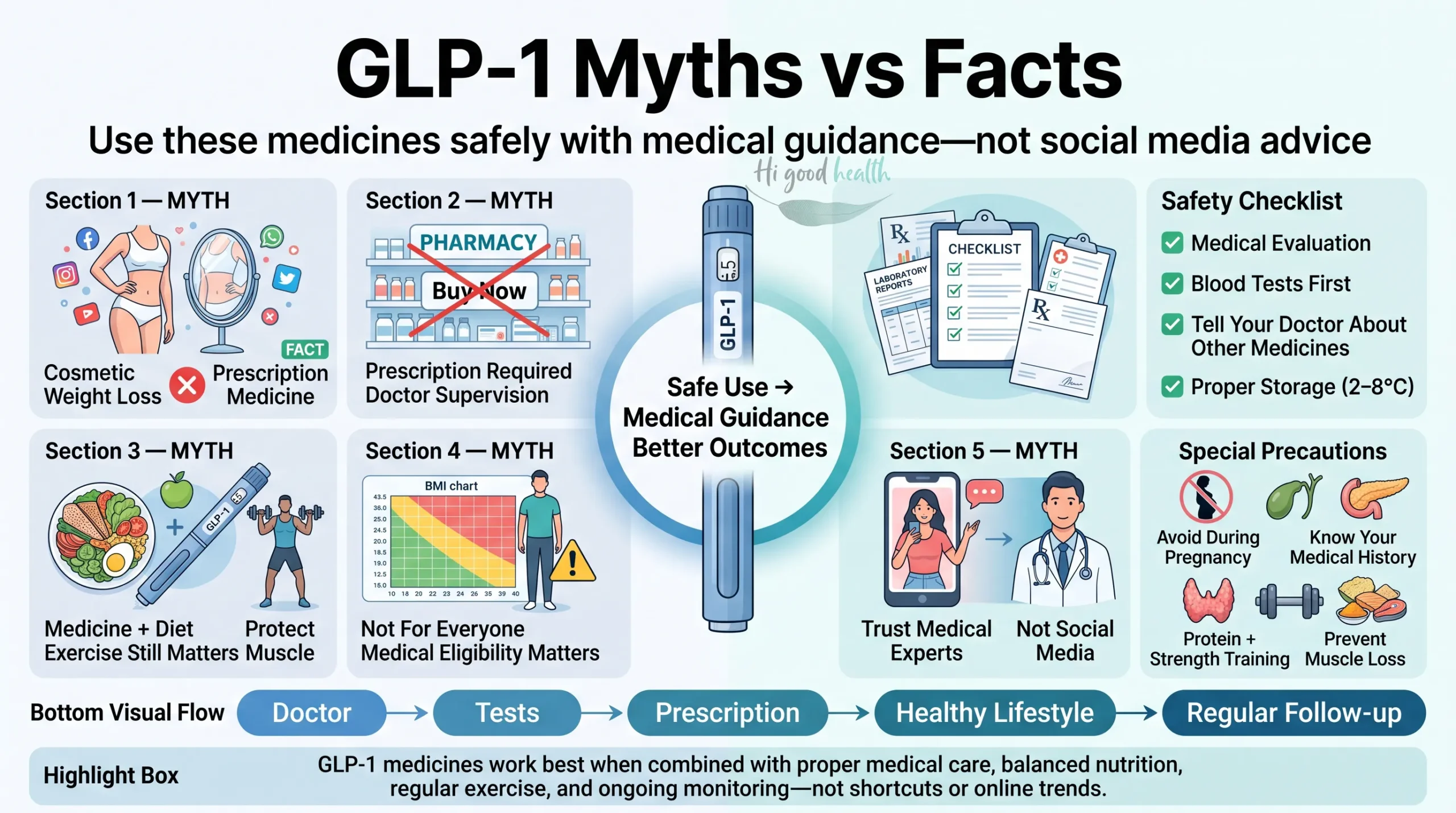
Myth 1: “GLP-1 medications are a cosmetic shortcut to look slim.”
Reality: These are serious prescription GLP-1 medications approved for Type 2 diabetes and clinical obesity (BMI ≥30, or ≥27 with metabolic complications). Not for minor cosmetic loss.
Myth 2: “If it is available at the pharmacy, I can buy and use it myself.”
Reality: The Indian government issued a directive on 24 March 2026 flagging unauthorised sales. Buying without prescription risks incorrect dosing, missed conditions, and counterfeit products.
Myth 3: “I can take GLP-1 medications and skip exercise and a healthy diet.”
Reality: They supplement — never replace — lifestyle. Without adequate protein (1.0–1.2 g/kg) and strength training, rapid weight loss can cause significant muscle loss (sarcopenia), especially dangerous for Indians with lower baseline lean muscle.
Rapid metabolic shifts can sometimes manifest in visible changes to your physical contour. Learn about the connection between muscle loss after 35 and changes in your physical appearance, for detailed information, read our article.
Myth 4: “Anyone with a lower BMI can use it to slim down.”
Reality: Medically unjustified and potentially harmful.
Myth 5: “Online influencers and advertisements know best.”
Reality: Only qualified endocrinologists or diabetologists should guide decisions.
Essential Precautions • Use GLP-1 medications ONLY under medical supervision with full baseline tests (HbA1c, fasting insulin, lipids, kidney/liver/thyroid).
• Avoid during pregnancy and lactation; use effective contraception and discontinue at least 2 months before planning pregnancy.
• Discuss gallbladder and GI risks if you have history of gallstones, pancreatitis, or IBD.
• Contraindicated in MTC or MEN 2 family history.
• Watch for muscle loss: prioritise resistance training and protein-rich Indian foods (paneer, dal, tofu, soy, sprouts, nuts, seeds).
• Maintain cold chain storage (2–8°C).
• Inform your doctor about all medications for necessary dose adjustments.
Who Should Talk to a Doctor Before Starting GLP-1 Medications? Eligibility in India
Everyone should consult a doctor before starting GLP-1 medications. These GLP-1 medications are a priority for people with uncontrolled Type 2 diabetes, clinical obesity, abdominal obesity (waist ≥90 cm men, ≥80 cm women), PCOS, obstructive sleep apnoea, hypertension, dyslipidaemia, strong family history of metabolic disease, insulin users, or fatty liver. Many metabolic issues remain silent; waist-to-height ratio >0.5 signals risk even if BMI looks normal — the Thin-Fat Indian reality.
Latest Scientific Studies on GLP-1 Medications (2023–2026)
- SELECT Trial (NEJM, 2023): 17,604 patients; 20% reduction in major cardiovascular events and 19% lower all-cause death in obesity without diabetes.
- STEP-HFpEF Trial (NEJM, 2023): 13.3% weight loss plus major improvements in HFpEF symptoms and function.
- SURMOUNT-1 Trial (NEJM, 2022): Tirzepatide up to 20.9% weight loss.
- Semaglutide vs. Tirzepatide (JAMA Internal Medicine, 2024): Tirzepatide showed greater weight loss; choice depends on individual profile, goals, and budget.
- India-Specific: The Indian Practitioner (March 2026) highlights need for local data and warns against unregulated “GLP-1 alternative” supplements.
- Cagrisema ( cagrilintide + semaglutide; Novo Nordisk) is currently in Phase III trials.
India-Specific Reality: What You Need to Remember
India is not a smaller version of the West. BMI alone is misleading; use waist circumference and waist-to-height ratio. Protein is non-negotiable (aim 1.0–1.2 g/kg from paneer, dal, soy, sprouts, nuts). Resistance training 3–4 times weekly is critical to prevent sarcopenia. Buy GLP-1 medications only from licensed pharmacies to avoid counterfeits. With GLP-1 medications, the right patient, right dose, and right monitoring are essential.
Supporting Your Health Naturally: Nutrition and Lifestyle Tips
Even without GLP-1 medications, some everyday foods gently support your body’s own hormone. High-fibre foods (oats, millets, vegetables, legumes) feed gut bacteria that stimulate natural GLP-1. Fermented foods (idli, curd), healthy fats (nuts, seeds, mustard oil), protein staples, and spices (turmeric, cinnamon, methi) support metabolic health. Lifestyle: 30–45 min post-meal walk, resistance/yoga 3–4×/week, 7–8 hours sleep, stress management through pranayama, and 2.5–3 L water daily.
Key Takeaways
- GLP-1 medications are glucagon-like peptide-1 receptor agonists — medicines that mimic a natural gut hormone to control blood sugar, slow digestion, and reduce appetite.
- Since semaglutide’s Indian patent expired in March 2026, generic GLP-1 medications have cut monthly costs by roughly 80%, with prices now starting around ₹3,000–5,000 instead of ₹10,000–11,000.
- Eligibility in India generally means a BMI of 27–30 with a metabolic complication (such as PCOS, fatty liver, or prediabetes) or a BMI above 30, alongside uncontrolled Type 2 diabetes, abdominal obesity, or strong family history of metabolic disease.
- These GLP-1 medications are prescription-only in India — buying without a doctor’s prescription is illegal and risks counterfeit products.
- Protein intake (1.0–1.2 g/kg) and resistance training matter as much as the GLP-1 medications themselves, since rapid weight loss without them can cause muscle loss — a particular risk for Indians with lower baseline lean muscle mass.
Frequently Asked Questions (FAQs)
Is Ozempic available in India?
Yes. Novo Nordisk launched Ozempic (semaglutide injection) in India in December 2025. Since the patent expired in March 2026, multiple generic versions from Sun Pharma, Dr. Reddy’s, Natco, Cipla, and others are also now available at significantly lower prices.
What is the cost of GLP-1 drugs in India?
A: GLP-1 Prices range widely. Branded semaglutide (Ozempic/Wegovy) costs approximately ₹8,800–₹16,400/month. Generic semaglutide is now available from approximately ₹3,400/month. Tirzepatide (Mounjaro) costs ₹14,000–₹27,500/month depending on dose. Older options like liraglutide (Victoza/Lirafit) may cost ₹4,000–₹12,000/month.
Can I use GLP-1 drugs just for weight loss without diabetes?
A: Wegovy (semaglutide at higher dose) and Mounjaro (tirzepatide) have received approval for obesity management in adults with BMI ≥30 (or ≥27 with metabolic complications). However, they must be prescribed by a qualified doctor after a thorough medical evaluation. They are not for cosmetic weight loss.
Are GLP-1 drugs safe for vegetarians?
A: Yes. GLP-1 drugs are synthetic peptides manufactured in laboratories. They do not contain any animal-derived ingredients in their active formulation. However, always check with your pharmacist regarding excipients in specific brands if you have dietary concerns.
How long do I need to take GLP-1 drugs?
A: Most clinical trials show that weight regain occurs after stopping the medication. Current evidence suggests these are long-term treatments, similar to blood pressure or cholesterol medications. However, the duration should be decided by your doctor based on your individual response and health goals.
Can I buy GLP-1 drugs without a prescription in India?
These are prescription-only medications. Buying without a prescription is both illegal and dangerous. The Indian government has specifically warned against unauthorised sales of GLP-1 drugs.
What is the difference between Ozempic and Wegovy?
Both contain semaglutide. Ozempic is approved for Type 2 diabetes (doses up to 1 mg/week). Wegovy is the same molecule at a higher dose (2.4 mg/week) approved specifically for weight management.
What is the difference between semaglutide and tirzepatide?
A: Semaglutide (Ozempic/Wegovy) targets only GLP-1 receptors. Tirzepatide (Mounjaro) is a dual agonist targeting both GLP-1 and GIP receptors, which tends to produce greater weight loss. However, tirzepatide is more expensive and still under patent.
Will GLP-1 drugs replace bariatric surgery?
A: Not entirely. Bariatric surgery remains the gold standard for severe obesity (BMI ≥40 or ≥35 with complications). GLP-1 drugs offer a less invasive option for moderate obesity and may reduce the number of patients who need surgery.
Are there any natural alternatives to GLP-1 drugs?
A: No supplement can replicate the effects of prescription GLP-1 drugs. However, a high-fibre, whole-food diet, regular exercise, adequate sleep, and stress management can naturally support your body’s own GLP-1 production and improve metabolic health. Be very cautious about OTC products marketed as “GLP-1 alternatives” — most lack clinical evidence.
What does GLP-1 mean, and what is a GLP-1 drug exactly?
A: GLP-1 stands for glucagon-like peptide-1, a natural hormone your gut releases after eating. A “GLP-1 drug” is a prescription medicine, also called a GLP-1 receptor agonist, that copies this hormone’s action to control blood sugar and appetite. Common examples include semaglutide (Ozempic), dulaglutide (Trulicity), and exenatide (Byetta), the first GLP-1 drug approved back in 2005.
Am I eligible for GLP-1 treatment in India?
A: You may be a candidate if you have a BMI of 30 or above, or 27 and above with a complication such as PCOS, fatty liver, or prediabetes, using the Asian BMI cut-offs ICMR recommends (overweight ≥23, obese ≥25). Doctors also weigh waist circumference, uncontrolled Type 2 diabetes, and family history of metabolic disease. Eligibility is always a doctor’s decision after blood tests — this is not a self-diagnosis tool.
Where can I buy Ozempic in India?
A: Ozempic is available only with a valid prescription from licensed pharmacies in India, including major chains and hospital pharmacies that stock CDSCO-approved stock. Always insist on a bill and check the batch number against the manufacturer’s portal. The Indian government has warned against unauthorised online sellers — buying through unverified websites or social media risks counterfeit or expired product.
How do GLP-1 medications work in the body?
GLP-1 medications copy a natural gut hormone called glucagon-like peptide-1. They prompt the pancreas to release insulin only when blood sugar is high, slow stomach emptying so you feel full for longer, calm appetite signals in the brain, and reduce the extra sugar the liver puts out. Together these four actions steady blood sugar and support gradual weight loss, which is how GLP-1 drugs work at a practical level.
What are the names of GLP-1 agonist drugs available in India?
The main GLP-1 agonist names in India include semaglutide (Ozempic, Wegovy, Rybelsus), tirzepatide (Mounjaro), liraglutide (Victoza, Saxenda, Lirafit), dulaglutide (Trulicity), and exenatide (Byetta). Since the semaglutide patent expired in March 2026, several Indian generic versions have joined this GLP-1 list of drugs at lower prices. Most are once-weekly or daily GLP-1 injectable pens, while Rybelsus is a daily tablet.
What is Mounjaro injection used for?
Mounjaro (tirzepatide) is a once-weekly GLP-1 injectable approved for Type 2 diabetes and, at higher doses, for weight management in adults with obesity. It is a dual agonist that acts on both GLP-1 and GIP receptors, which in trials produced greater weight loss than semaglutide. A doctor should confirm whether Mounjaro injection uses apply to your situation before you start.
Glossary of Key Terms
| Term / Abbreviation | Definition |
| GLP-1 | Glucagon-Like Peptide-1 — a natural hormone released by the gut that regulates blood sugar and appetite. |
| GIP | Glucose-Dependent Insulinotropic Polypeptide — another incretin hormone; targeted by dual-agonist drugs like tirzepatide. |
| GLP-1 Receptor Agonist (GLP-1 RA) | A drug that mimics GLP-1 by binding to its receptors, producing sustained blood sugar and weight management effects. |
| Incretin | A class of gut hormones that stimulate insulin release in response to food intake. |
| DPP-4 | Dipeptidyl Peptidase-4 — an enzyme that rapidly breaks down natural GLP-1 in the body. |
| HbA1c | Glycated haemoglobin — a blood test measuring average blood sugar over the past 2–3 months. |
| BMI | Body Mass Index — weight (kg) divided by height (m) squared. Indian cut-offs: overweight ≥23, obese ≥25. |
| MACE | Major Adverse Cardiovascular Events — a composite of cardiovascular death, non-fatal heart attack, and non-fatal stroke. |
| Sarcopenia | Loss of muscle mass and strength, a particular risk during rapid weight loss. |
| NAFLD/NASH | Non-Alcoholic Fatty Liver Disease / Non-Alcoholic Steatohepatitis — fat accumulation and inflammation in the liver. |
| HFpEF | Heart Failure with Preserved Ejection Fraction — a type of heart failure where the heart pumps normally but stiffens. |
| PCOS | Polycystic Ovary Syndrome — a hormonal disorder linked to insulin resistance and weight gain. |
| MTC | Medullary Thyroid Carcinoma — a rare thyroid cancer; GLP-1 medications are contraindicated if you have personal or family history. |
| MEN 2 | Multiple Endocrine Neoplasia syndrome type 2 — a genetic condition involving thyroid and adrenal tumours. |
| T2D | Type 2 Diabetes Mellitus. |
| CDSCO | Central Drugs Standard Control Organization — India’s national regulatory body for pharmaceuticals. |
| ICMR | Indian Council of Medical Research. |
| FSSAI | Food Safety and Standards Authority of India. |
All reference links valid and accessible on 30 June 2026
5. Safety Profile of Semaglutide in the SELECT Study. Obesity (PMC), 2025.
6. Jastreboff AM et al. Tirzepatide for Treatment of Obesity (SURMOUNT-1). NEJM, 2022.
7. Bhargava A, Narayanan V. GLP1-RA and Weight Loss Boom in India. The Indian Practitioner, 2026.
8. Diabetes and Associated Complications in the South Asian Population. PMC.
9. Misra A et al. Body Fat, Metabolic Syndrome and Hyperglycemia in South Asians. PubMed, 2018.
10. Obesity and Dyslipidemia in South Asians. PMC, 2013.
11. Kanaya AM. Diabetes in South Asians: Uncovering Novel Risk Factors. Diabetes Care, 2024.
12. India GLP-1 Receptor Agonist Market Report 2030. Grand View Research.
13. India’s GLP-1 Market Set for Shake-up. India Briefing, March 2026.
14. CNBC: India Is Launching Cheap Weight-Loss Drugs, March 2026.
15. International Diabetes Federation. IDF Diabetes Atlas, 2024.
16. WHO Expert Consultation: Appropriate BMI for Asian Populations. Lancet, 2004.
17. Physiology and Pharmacology of DPP-4 in Glucose Homeostasis and the Treatment of Type 2 Diabetes..
18. Tirzepatide, a New Era of Dual-Targeted Treatment for Diabetes and Obesity: A Mini-Review.
Disclaimer
Medical Disclaimer: This article is published for educational and informational purposes only. It is not intended to be a substitute for professional medical advice, diagnosis, or treatment. Always seek the advice of your physician or other qualified health provider with any questions you may have regarding a medical condition. Never disregard professional medical advice or delay in seeking it because of something you have read in this blog. The information provided here is based on publicly available research and data as of April 2026 and may not reflect the most current medical guidelines. HiGoodHealth.com and its contributors do not endorse, recommend, or promote any specific drug, brand, pharmaceutical company, or treatment. Individual responses to medications vary, and treatment decisions should always be made in consultation with a qualified medical professional who is aware of your complete medical history.
About HiGoodHealth
HiGoodHealth.com is a health and wellness platform dedicated to sharing clean, credible, evidence-based health information with communities across India and beyond. Our mission is simple: empower every person to make informed health decisions through content that is accurate, accessible, and free from misinformation. We strive to bust health myths, encourage healthy living, share best practices and assets from global research and diverse communities, and make complex medical topics understandable for everyone — from a first-time reader to a health-savvy professional.
We value your feedback! If you found this article helpful, share it with your family and friends. Have a health topic you would like us to cover? Write to us through our website or leave a comment. Together, we are building a healthier, more informed India.