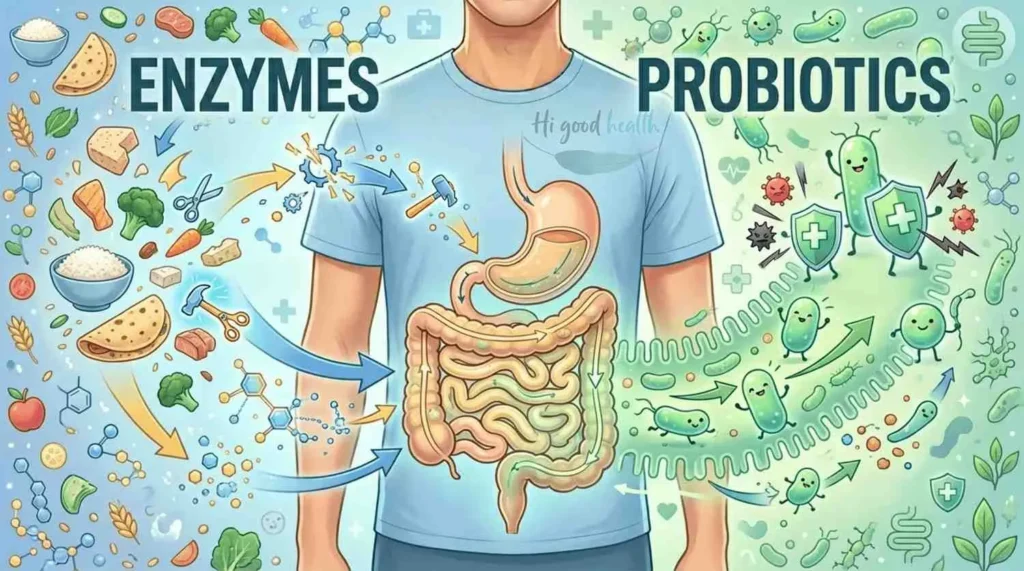
In our previous article, “The Unsung Heroes: How Enzymes Power Your Body and Drive Digestion,” we explored how enzymes do far more than just aid digestion—they are essential for breaking down food and supporting countless bodily functions.
Now, let’s deepen our understanding by contrasting these workhorses with another popular category of gut health supporters: prebiotics and probiotics. Knowing the distinct functions of each will empower you to make informed decisions for your digestive health.
Understanding the Key Differences: Enzymes, Prebiotics, and Probiotics
While all three contribute to a healthy digestive system, they operate in fundamentally different ways:
- Digestive Enzymes: The Breakdown specialist
These are proteins that chemically break down food molecules (carbohydrates, fats, proteins) into smaller, absorbable units. They are the “workforce” directly involved in the breakdown process. Your body naturally produces digestive enzymes in the salivary glands, stomach, pancreas, and small intestine[1].
- Probiotics: The Gut’s good Bacteria
These are beneficial living microorganisms (like bacteria and yeasts) that reside in your gut. They contribute to a healthy gut microbiome, influencing everything from digestion and nutrient absorption to immune function and even mood[2]
Rather than breaking down food directly, they help maintain a balanced gut microbiome, which supports digestion, nutrient absorption, immune health, and even aspects of mental well-being.
- Prebiotics: fuel for your Microbiome:
These are non-digestible fibers that act as “food” for the beneficial probiotic bacteria in your gut. By selectively feeding the good bacteria, prebiotics help them multiply and flourish, supporting a robust and diverse gut microbiome[3].
To fully appreciate how these biological catalysts work, you must understand how your digestive system communicates with your mind. To learn more about how your gut and brain communicate , for detailed information, read our article.
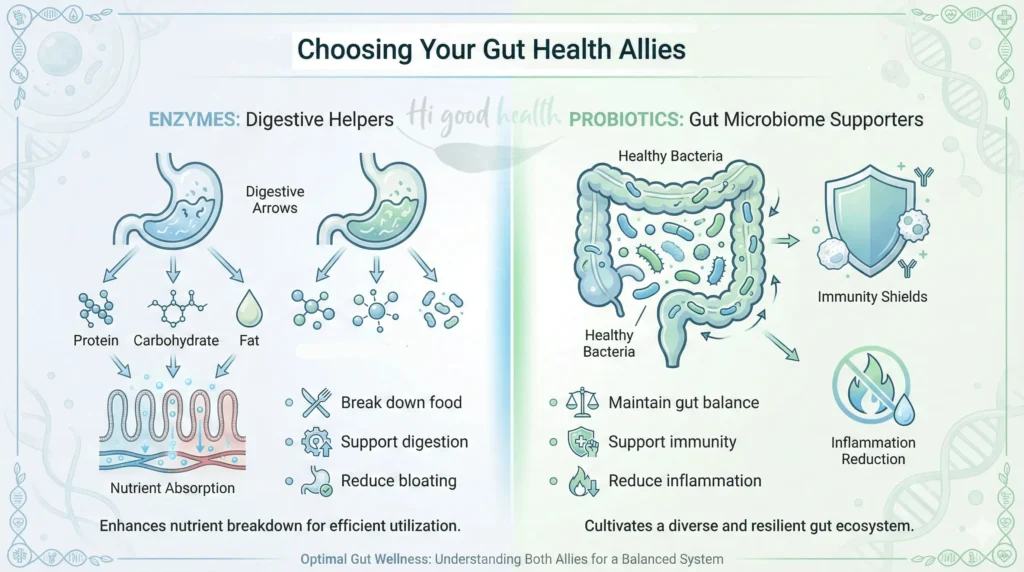
Figure 1: Visual comparison of enzymes, probiotics, and prebiotics in the digestive system
While all three play a crucial role in managing gut health, they perform different key roles in maintaining a healthy digestive system.
Figure 2 highlights their various roles and benefits.
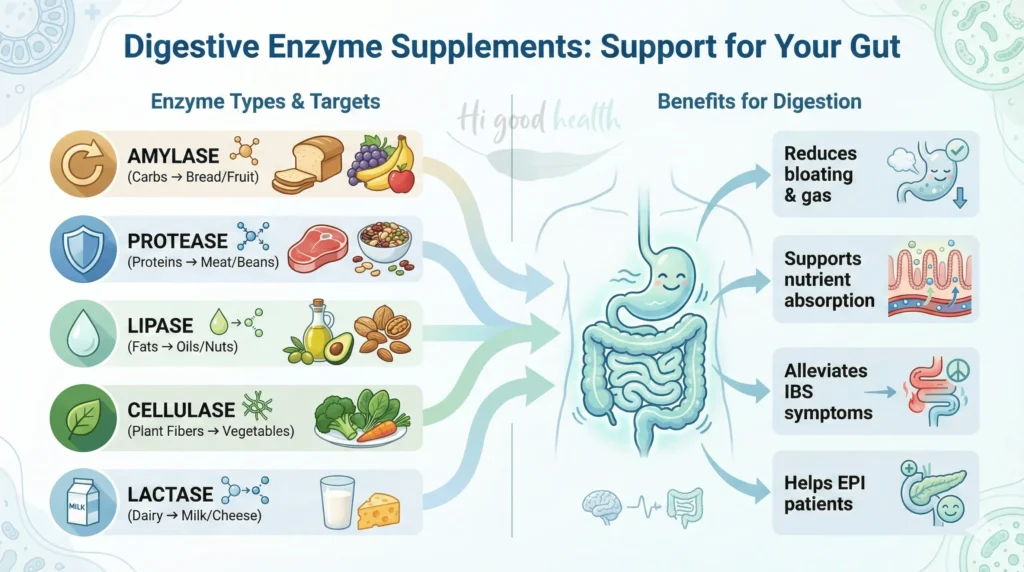
Figure 2: Key differences between enzymes, prebiotics, and probiotics
Think of it as a garden: enzymes are the tools that break down compost, probiotics are the beneficial plants, and prebiotics are the fertilizer that helps those plants thrive.
Your gut does far more than digest food. It plays a direct role in mood, stress response, and even cognitive function through complex signalling pathways that researchers are still uncovering. If you want to understand better this powerful connection and what it means for your mental well-being, it is worth exploring further.
Man-Made Supplements to Address Enzyme Deficiency: Clinical Evidence and Success
For individuals with diagnosed enzyme deficiencies or persistent digestive issues, digestive enzyme supplements are widely available and can be highly effective.
These formulations typically include a blend of key enzymes such as:
- Amylase (for carbohydrates)
- Protease (for proteins)
- Lipase (for fats)
- Cellulase (for plant fibers)
- Lactase (for dairy)
By directly supplying enzymes that the body may be lacking, these supplements support the essential process of breaking down food into absorbable nutrients.[4]
Clinical Evidence for Enzyme Supplementation
The benefits of digestive enzyme supplements are particularly well-documented for specific medical conditions:
- Exocrine Pancreatic Insufficiency (EPI): A condition where the pancreas fail to produce sufficient digestive enzymes pancreatic enzyme replacement therapy (PERT) is considered essential treatment. Multiple clinical studies have demonstrated that PERT significantly improves nutrient absorption, reduces malabsorption symptoms, and improves quality of life in patients with EPI[5].
- Non-Specific Digestive Discomfort: For milder, non-clinical digestive discomfort not caused by diagnosed enzyme deficiencies, over-the-counter enzyme supplements may help reduce symptoms like bloating, gas, and indigestion.
A comprehensive review by Money and Camilleri published in the Journal of Clinical Gastroenterology (2012) examined the utility of various digestive enzyme supplements in alleviating maldigestion symptoms[6].
Important Note:
When considering digestive enzyme supplements:
- Choose reputable brands that undergo third-party testing
- Avoid self-diagnosing enzyme deficiencies
- Consult a healthcare professional for appropriate type and dosage
Digestive symptoms can often overlap with other conditions, making proper evaluation essential before starting supplementation.
How to Decide: Prebiotics, Probiotics, or Enzymes for Digestive Issues?
Choosing the right supplement depends on the underlying cause of your digestive issues and should ideally be guided by a healthcare professional. Here’s a general framework to help you understand which might be most appropriate:
Consider Digestive Enzymes if:
Digestive enzymes are most helpful when the issue lies in breaking down food properly.
You may benefit if:
- You experience immediate post-meal discomfort such as bloating, gas, or a feeling of fullness (typically within 1-2 hours after eating)
- You notice undigested food particles in your stool
- You have difficulty digesting specific types of foods (fatty meals, dairy, high-protein foods)
- You’re an older adult (natural enzyme production decreases with age)
- You have been diagnosed with specific pancreatic concerns or conditions affecting enzyme production
- You experience symptoms particularly after large or rich meals
As you age, supporting your digestion with the right allies becomes increasingly important for vitality. For insights on maintaining strength and health through targeted nutrition as you age, for detailed information, read our article.
Opt for Probiotics if:
Probiotics are ideal when the issue is related to an imbalanced gut microbiome.
You may benefit if:
- You suffer from irregular bowel movements (chronic constipation or diarrhea)
- You have frequent infections or a weakened immune system
- You experience chronic, generalized bloating not specifically tied to meals
- You’ve recently completed a course of antibiotics
- You show other indicators of an imbalanced gut microbiome (dysbiosis)
- You’re recovering from gastrointestinal illness
Incorporate Prebiotics if:
Prebiotics are best for nourishing and strengthening your existing gut bacteria.
You may benefit if:
- You are currently taking probiotics and want to maximize their effectiveness
- You wish to foster the growth of your existing beneficial gut bacteria naturally
- You want to support long-term gut health through dietary fiber
- You have a generally healthy digestive system and want to maintain it
Figure 4: Decision-making framework for choosing digestive supplements
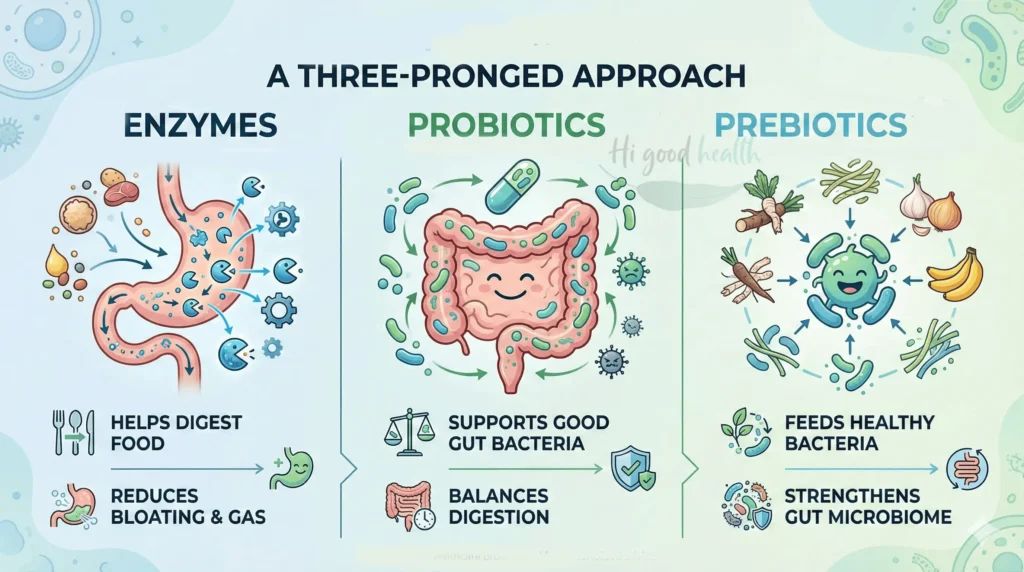
Important: Often, digestive issues are complex and multifactorial. A synergistic approach combining enzymes, probiotics, and/or prebiotics might be most effective for comprehensive digestive support. The best course of action is always to consult with a healthcare professional—such as a gastroenterologist, registered dietitian, or primary care physician—who can help identify the root cause of your symptoms and recommend a personalized strategy.
Everyday food choices, including your choice of sweetener, can either strain or support your body’s enzyme reserves. To learn more about how sweeteners impact blood sugar control and gut health, for detailed information, read our article
Vegetarian and Vegan Enzyme Supplements: Efficacy and US Brand Recommendations
The market for vegetarian and vegan digestive enzyme supplements in the US has expanded considerably, offering numerous plant-based options that are both effective and ethically produced. Many of these enzymes are derived from fungal sources (such as Aspergillus oryzae or Aspergillus niger), or extracted from fruits like pineapple (bromelain) and papaya (papain)[8].
Effectiveness of Plant-Based Enzymes
Plant-derived and fungal enzymes are highly effective at breaking down proteins, fats, and carbohydrates. In fact, they offer several advantages over animal-derived enzymes:
Broader pH Range: Fungal enzymes often demonstrate efficacy across a wider pH range (from the acidic environment of the stomach to the more alkaline small intestine), allowing them to function optimally throughout the digestive tract[7].
Cellulase Inclusion: Plant-based formulations frequently include cellulase, an enzyme that breaks down plant fiber cellulose. Since the human body does not naturally produce cellulase, this addition makes plant-based supplements particularly beneficial for those following high-fiber vegan or vegetarian diets.
Proteolytic Properties: Bromelain and papain have well-established proteolytic (protein-digesting) properties supported by clinical research, while fungal-derived amylase and lipase efficiently break down starches and fats[9].
A plant-based diet can be incredibly beneficial for health, but it requires thoughtful planning to ensure you are not missing key nutrients over time. Getting the balance right is what turns a good diet into a truly sustainable one.
Reputable US Brands for Vegan/Vegetarian Digestive Enzymes
When selecting a supplement, always verify “vegan” or “vegetarian” certification on the label. Here are well-regarded brands available in the US market:
- Enzymedica Digest Gold – A premium brand widely respected for high-potency, broad-spectrum enzyme blends, primarily derived from fungal sources. Known for Thera-blend™ technology (enzymes active across multiple pH levels) and third-party testing for purity.
- NOW Foods Plant Enzymes – A popular and affordable choice with strong consumer reviews, offering a comprehensive blend of plant-derived enzymes suitable for daily use. Good Manufacturing Practice (GMP) certified and contains no animal-derived ingredients.
- Garden of Life Raw Enzymes – Focuses on raw, whole food ingredients and offers various targeted formulations (for men, women, different age groups). Emphasizes high enzyme activity units with USDA Organic and Non-GMO Project Verified options available.
- Doctor’s Best Digestive Enzymes – Well-regarded option providing broad-spectrum plant-based enzymes, often praised for value and effectiveness. Science-based formulation that is gluten-free and vegan.
- Pure Encapsulations Digestive Enzymes Ultra – Professional-grade brand frequently recommended by healthcare practitioners. Known for hypoallergenic and highly bioavailable formulations, free from unnecessary fillers and additives, with rigorous quality control and third-party testing.
What to Look for When Selecting a Supplement
- Broad-Spectrum Blends: Ensure the formula contains enzymes for all major macronutrients (proteins, fats, and carbohydrates)
- Activity Units: Enzymes are measured by activity (such as FCC units), not just milligrams. Higher activity units indicate greater potency.
- Third-Party Testing: Look for certifications from NSF International, USP, or ConsumerLab indicating purity and potency verification
- Clear Labeling: The supplement facts panel should clearly list enzyme types and their activity levels
- Allergen Information: Ensure the product is free from allergens relevant to you
Note: Product availability and formulations may change. Always verify current product specifications and consult with a healthcare provider before starting any new supplement regimen.
Side Effects, Duration, and Timing of Supplement Intake
Potential Side Effects
Digestive enzyme supplements are generally considered safe for most individuals when taken as directed. Side effects are uncommon but may include:
- Mild Gastrointestinal Upset: Nausea, abdominal cramping, or diarrhea, particularly when first starting supplementation or taking very high doses. These symptoms are usually transient and resolve as your body adjusts.
- Allergic Reactions: Though rare, some individuals may experience allergic reactions to specific enzyme sources (for example, bromelain derived from pineapple may cause reactions in those with pineapple allergies). Symptoms may include rash, itching, or difficulty breathing. Discontinue use immediately and seek medical attention if severe reactions occur.
- Headaches: Infrequently reported by some users.
- Interactions with Medications: High-dose protease enzymes may interact with blood-thinning medications , irritate oral mucosa or affect the absorption of certain drugs. Always inform your healthcare provider about all supplements you’re taking.
How Long Should Enzyme Supplements Be Taken?
The appropriate duration depends on your reason for use:
Occasional Digestive Discomfort: Take as needed when consuming hard-to-digest meals or during periods of dietary indulgence (holidays, travel, etc.).
Chronic Enzyme Deficiencies: For diagnosed conditions like EPI, enzyme replacement therapy is typically long-term or lifelong, as prescribed by a physician.
Ongoing Digestive Support: Many individuals with mild, chronic digestive issues take enzyme supplements regularly. However, it’s advisable to work with a healthcare professional to periodically assess whether ongoing supplementation is still necessary or if underlying issues have improved.
Trial Period: If trying enzymes for the first time for non-specific symptoms, consider a 4-6 week trial to assess effectiveness.
Important: Regular follow-up with your healthcare provider is recommended for long-term supplementation to monitor effectiveness and adjust dosage as needed.
Optimal Timing for Taking Digestive Enzymes
Best Practice: Take digestive enzyme supplements with the first bite of a meal or immediately before eating (within 5 minutes). This ensures the enzymes are present in your digestive tract when food arrives, allowing them to begin breaking down nutrients immediately.
If missed: Taking enzymes during the meal or shortly after (within 30 minutes) can still provide benefit, though effectiveness may be somewhat reduced.
Consistency Matters: For best results, take enzymes consistently with meals that typically cause you discomfort.
Follow Product Instructions: Always adhere to the specific dosing instructions on your supplement label or follow your healthcare provider’s recommendations, as enzyme potency and formulations vary between products.
If you prefer a more visual version, check out our YouTube video here:
Frequently Asked Questions (FAQs)
1. Can I take digestive enzymes and probiotics together?
Answer: Yes, absolutely. These supplements perform complementary but different roles: digestive enzymes break down food molecules immediately during digestion, while probiotics work to balance gut bacteria and support the microbiome over time. Taking them together can offer a comprehensive approach—enzymes provide immediate digestive support for your current meal, while probiotics contribute to long-term gut health and immune function. There are no known negative interactions between the two.
2. Which is better for bloating: enzymes or probiotics?
Answer: The choice depends on the timing and pattern of your bloating:
Choose digestive enzymes if you feel bloated or gassy immediately after eating (within 1-2 hours of a meal). This pattern suggests difficulty breaking down specific food components, and enzymes can provide immediate relief.
Choose probiotics if your bloating is chronic, occurs at various times regardless of meals, or is accompanied by irregular bowel movements (constipation or diarrhea). This pattern suggests a gut microbiome imbalance that probiotics can help address over time.
If bloating persists despite supplementation, consult a healthcare provider to rule out underlying conditions such as SIBO (small intestinal bacterial overgrowth), food intolerances, or IBS.
3. When is the best time to take digestive enzymes?
Answer: The most effective time is with your first bite of food or within 5 minutes before a meal. This timing ensures the enzymes are present in your digestive tract to immediately begin breaking down nutrients when food arrives. If you forget, taking them during or within 30 minutes after eating can still provide some benefit, though potentially less effectively.
4. Will taking enzyme supplements stop my body from producing its own enzymes?
Answer: No, there is currently no strong scientific evidence that taking over-the-counter digestive enzyme supplements suppresses your body’s natural enzyme production. Your body’s enzyme secretion is primarily triggered by the presence of food and hormonal signals, and this feedback mechanism continues to function normally during supplementation[7].
Dependency is generally not a concern for non-prescription digestive enzyme supplements. However, if you have specific medical conditions, discuss long-term supplementation with your healthcare provider.
5. How long does it take for digestive enzymes to work?
Answer: The effects of digestive enzymes are often felt relatively quickly—within 30 minutes to 2 hours after a meal. Many people notice less gas, reduced bloating, or a “lighter” feeling shortly after taking them with food. However, optimal benefits for nutrient absorption and overall digestive comfort may develop over several weeks of consistent use as your body adjusts.
Individual responses vary based on the severity of enzyme deficiency and the specific digestive issues being addressed.
6. Are plant-based enzymes as effective as animal-derived enzymes?
Answer: Yes, plant-based and fungal enzymes (including bromelain, papain, and fungal-derived amylase/lipase/protease) are highly effective for digestive support. In fact, they offer certain advantages: they remain active across a broader pH range than many animal-derived enzymes, meaning they can function throughout the entire digestive tract from the acidic stomach to the more alkaline small intestine.
This makes them versatile and reliable for breaking down proteins, fats, and carbohydrates. Clinical research supports their efficacy[9].
7. Can I take digestive enzymes every day?
Answer: Yes, for individuals with chronic enzyme deficiencies, ongoing digestive discomfort, or conditions requiring enzyme support, daily use is common and generally safe when taken as directed. For occasional digestive issues, such as after heavy meals, during travel, or during holiday celebrations, you can take them “as needed” for immediate relief.
If you plan to use digestive enzymes daily for an extended period, it’s advisable to consult with a healthcare professional to ensure appropriate dosage and to monitor for any underlying conditions that may require additional treatment.
8. Do I need a prescription for digestive enzyme supplements?
Answer: Most digestive enzyme supplements are available over-the-counter (OTC) without a prescription. However, prescription-strength pancreatic enzyme replacement therapy (PERT) is required for diagnosed pancreatic insufficiency and must be prescribed by a physician. If you have severe or persistent digestive symptoms, consult a healthcare provider for proper diagnosis before self-treating with OTC supplements.
9. Can digestive enzymes help with weight loss?
Answer: Digestive enzymes are not weight loss supplements and should not be taken solely for that purpose. Their primary function is to help break down food for better nutrient absorption and to alleviate digestive discomfort. While improved digestion may indirectly support overall metabolic health, there is no scientific evidence that enzyme supplements directly cause weight loss.
For weight management concerns, consult with a registered dietitian or healthcare provider for evidence-based strategies.
10. Are there any foods that naturally boost my enzyme production?
Answer: Yes, certain foods naturally contain digestive enzymes or support your body’s enzyme production:
Pineapple: Contains bromelain (protein-digesting enzyme)
Papaya: Contains papain (protein-digesting enzyme)
Mango: Contains amylase (carbohydrate-digesting enzyme)
Honey: Contains various digestive enzymes
Fermented foods (kimchi, sauerkraut, miso): Support overall digestive health
Ginger: May stimulate digestive enzyme secretion
However, cooking and processing can destroy natural enzymes in food. Eating a variety of raw fruits, vegetables, and fermented foods can complement your body’s natural enzyme production.
All reference links valid and accessible on 20 March 2026
- **** Ianiro, G., et al. (2016). Digestive enzyme supplementation in gastrointestinal diseases. Current Drug Metabolism, 17(2), 187-193.
https://pubmed.ncbi.nlm.nih.gov/26806042/ | https://pmc.ncbi.nlm.nih.gov/articles/PMC4923703/
- **** Hill, C., et al. (2014). Expert consensus document: The International Scientific Association for Probiotics and Prebiotics consensus statement on the scope and appropriate use of the term probiotic. Nature Reviews Gastroenterology & Hepatology, 11(8), 506-514.
https://www.nature.com/articles/nrgastro.2014.66 | https://pubmed.ncbi.nlm.nih.gov/24912386/
- **** Gibson, G. R., et al. (2017). Expert consensus document: The International Scientific Association for Probiotics and Prebiotics (ISAPP) consensus statement on the definition and scope of prebiotics. Nature Reviews Gastroenterology & Hepatology, 14(8), 491-502.
https://www.nature.com/articles/nrgastro.2017.75 | https://pubmed.ncbi.nlm.nih.gov/28611480/
- **** Keller, J., & Layer, P. (2005). Human pancreatic exocrine response to nutrients in health and disease. Gut, 54(suppl 6), vi1-vi28.
https://pubmed.ncbi.nlm.nih.gov/15951527/ | https://gut.bmj.com/content/54/suppl_6/vi1
- **** Hardt, P. D., & Ewald, N. (2011). Exocrine pancreatic insufficiency in diabetes mellitus: A complication of diabetic neuropathy or a different type of diabetes? Experimental Diabetes Research, 2011, Article ID 761950.
Correct PubMed Link: https://pubmed.ncbi.nlm.nih.gov/21822421/
Correct PMC Full Text: https://pmc.ncbi.nlm.nih.gov/articles/PMC3148449/
DOI Link: https://onlinelibrary.wiley.com/doi/10.1155/2011/761950
- **** Money, M. E., & Camilleri, M. (2012). Review: Management of postprandial diarrhea syndrome. American Journal of Medicine, 125(6), 538-544.https://pubmed.ncbi.nlm.nih.gov/22624684/
- **** Roxas, M. (2008). The role of enzyme supplementation in digestive disorders. Alternative Medicine Review, 13(4), 307-314.
https://pubmed.ncbi.nlm.nih.gov/19152478/
- **** Raveendran, S., et al. (2018). Applications of microbial enzymes in the food industry. Food Technology and Biotechnology, 56(1), 16-30.
https://pubmed.ncbi.nlm.nih.gov/29795993/ | https://pmc.ncbi.nlm.nih.gov/articles/PMC5956466/
- **** Pavan, R., et al. (2012). Properties and therapeutic application of bromelain: A review. Biotechnology Research International, 2012, Article ID 976203. https://pubmed.ncbi.nlm.nih.gov/23304525/ | https://pmc.ncbi.nlm.nih.gov/articles/PMC3529416/
If you would like to read a summarized version of this article then Read on:Bloated After Every Meal? You Might Be Reaching for the Wrong Supplement — 2-Minute Read
