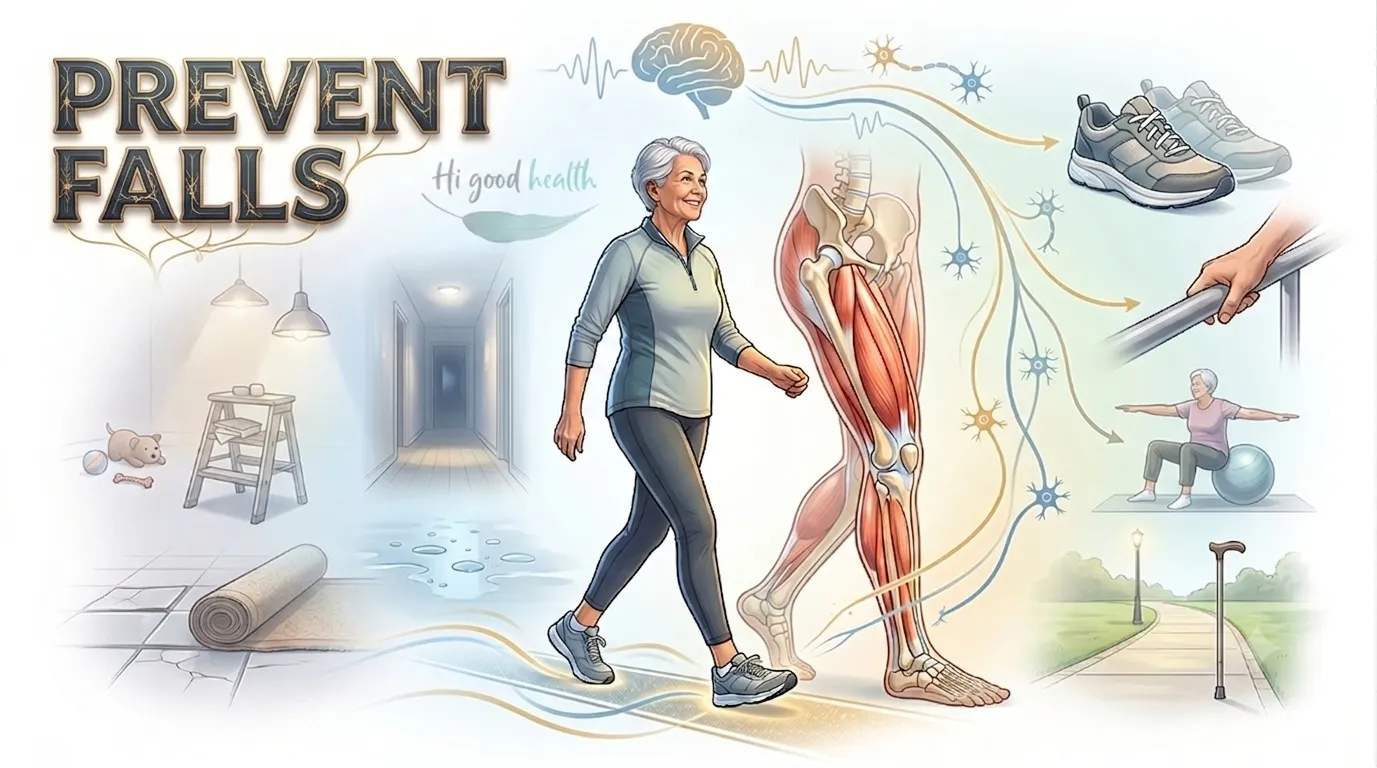
Introduction: A National Crisis Hiding in Plain Sight
Every second of every day, an older American falls in the US.
At a glance
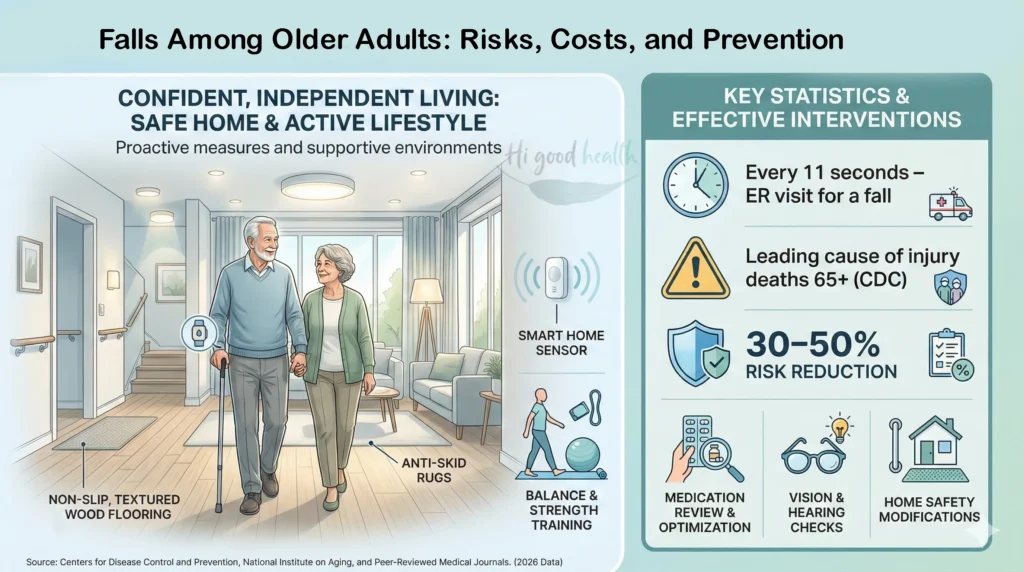
The most effective fall prevention for seniors combines three things: strength and balance exercise (like the Otago program or Tai Chi, which cut falls by 35-50%), a medication review to spot drugs that cause dizziness, and simple home fixes such as grab bars, better lighting, and removing loose rugs. Together, these steps can lower fall risk by 30-50%, and most cost far less than a single hospital stay.
In 2023 alone, over 41,000 older Americans died from falls—the leading cause of injury-related deaths among adults over 65, according to the Centers for Disease Control and Prevention (CDC)[1]. This represents a staggering 70% increase in fall death rates over the past two decades, with trends projecting further increases into 2026 without more widespread prevention efforts[2].
Beyond the human cost, the financial burden is equally alarming: falls among seniors cost the US healthcare system over $80 billion annually[3]. Medicare and Medicaid shoulder three-quarters of that burden, straining resources that could otherwise fund fall prevention for seniors.
Here’s the paradox: while falls are common, they are also largely preventable.
Effective fall prevention for seniors—from targeted exercise programs to simple home modifications—can cut fall risk by 30-50%. In 2026, with smart technology and proven strategies, older Americans have more tools than ever to stay safe, mobile, and independent.
Why Do Seniors Fall?
Falls in older adults rarely have a single cause.
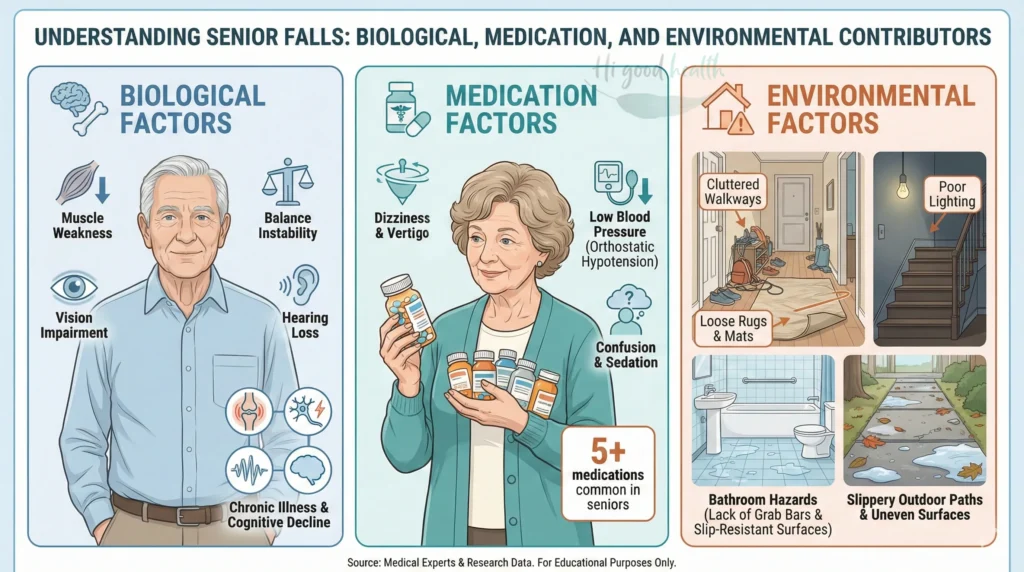
Instead, they result from a mix of age-related changes, medical conditions, medications, and environmental hazards. Understanding these factors is the first step toward effective fall prevention for seniors [4].
Biological Factors
- Muscle weakness & balance decline: Age-related sarcopenia (muscle loss) reduces stability and strength
Building a strong foundation starts with nutrition, as muscle is your body’s natural defense against falls. Discover the science-backed secrets to preventing muscle loss, for detailed information, read our article
- Vision loss: Conditions such as Cataracts, glaucoma, and macular degeneration impair depth perception and awareness of hazards
- Hearing impairment: Research shows hearing loss is linked to balance dysfunction
- Chronic illnesses: Diabetes, Parkinson’s disease, arthritis, and neuropathy all increase fall risk
Medication Factors
Polypharmacy (taking multiple medications) is extremely common. An overwhelming 39% of US seniors take five or more prescriptions daily. Many drugs for blood pressure, anxiety, or sleep can cause dizziness, confusion, or sudden drops in blood pressure, all of which increase fall risk. A regular medication review with a doctor or pharmacist is a simple but highly effective preventive step.
Environmental Factors
- Poor lighting in hallways and stairways
- Loose rugs and cluttered walkways
- Lack of grab bars in bathrooms
- Slippery outdoor sidewalks or icy driveways
- Uneven flooring or missing handrails
Types of Falls and Their Consequences
Acute Falls
These occur due to sudden hazards like wet floors, uneven sidewalks, or missed steps. These are often one-time events that can be prevented by addressing the immediate danger.
Chronic Risk-Driven Falls
These are linked to underlying medical conditions or frailty. Seniors with balance impairment, muscle weakness, or vision problems may experience multiple falls yearly, creating a dangerous cycle.
Consequences
Physical: Hip fractures lead to 300,000 hospitalizations annually in the US. Head trauma, chronic pain, and reduced mobility are also common[5].
Psychological: Up to 73% of people who fall develop a fear of falling so severe that they stop leaving their homes. This leads to reduced mobility, social isolation, and further physical decline—creating a vicious cycle.
It is time to talk about the one health risk that medicine cannot fix on its own. Read more on how the $6.7 billion loneliness crisis is affecting senior health across the world in our blog here: Senior Loneliness – America’s $6.7 Billion Healthcare Crisis That’s Killing Our Parents
Social: Loss of independence, increased caregiver burden, and higher rates of nursing home placement follow many serious falls.
Mortality: While surgical care is improving, 1 in 5 older adults will not survive the first year following a hip fracture.
Real-Life Cases (names changed to protect privacy)
Case 1: Mary from Florida
At 78, Mary tripped on a throw rug and fractured her hip. Surgery and rehab cost over $40,000, and she lost her mobility confidence. After joining a YMCA fall-prevention class based on evidence-based exercises, she restored her balance and independence within six months.
Case 2: Robert from Ohio
A retired teacher, Robert fell twice in one winter due to poor lighting in his garage. After installing motion-sensor lights and using a cane outdoors, he hasn’t fallen in two years.
Case 3: Linda from California
Linda, 83, takes 7 medications daily. She fainted due to a blood pressure drug interaction and broke her wrist. After a pharmacist-led medication review, her prescriptions were adjusted, dramatically lowering her fall risk.
What the Science Says: Evidence-Based Solutions
Exercise Programs That Work
Fall prevention for seniors isn’t about guesswork. It’s about applying strategies that research has consistently proven to work. From targeted exercise programs to smart lifestyle choices and technology, here’s what the science strongly supports.
Otago Exercise Program
Developed in New Zealand and now used in US senior centers nationwide, this structured program combines strength training and balance exercises.
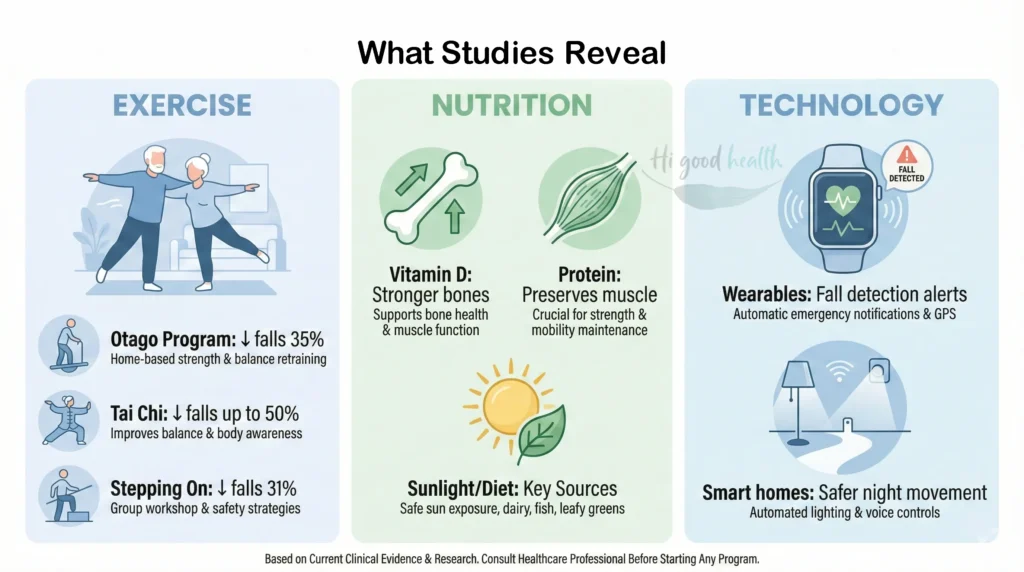
Research shows it reduces falls by 35-40% when practiced consistently [6]. The program is individualized and can be done at home or in group settings.
Tai Chi
A Harvard-affiliated study and multiple clinical trials found that older adults practicing Tai Chi cut their fall risk by up to 50%[7]. This gentle, flowing exercise improves balance, coordination, and leg strength without high-impact stress on joints.
Stepping On
A US-based program combining balance training with home safety checks showed a 31% reduction in falls. It includes education on fall risk factors and builds confidence in daily activities.
Silver Sneakers and Enhance Fitness
These widely available programs are covered by many Medicare Advantage plans. Research from Washington State showed that consistent Silver Sneakers participation reduced falls requiring medical care by 26%, while Enhance Fitness showed even stronger effects with a 26% reduction for consistent participants and 13% for intermittent participants[8]
Did you know?.
Wrinkles on your face after age thirty five are often caused by losing muscle rather than just growing older. To know more about muscle loss, read our guide: Sagging Face or Breasts After 35? It Might Be Muscle Loss—Not Aging
Nutrition and Supplements
Vitamin D
The latest guidelines from the U.S. Preventive Services Task Force (USPSTF) indicate that routine Vitamin D supplements are not recommended for the primary prevention of falls in healthy older adults.
Large scale studies like the STURDY trial show that these supplements do not reduce fall risk for the general population and should only be used if a person has a confirmed clinical deficiency. [9]
Protein intake
Muscle is your body’s natural defense against falls—and protein is what maintains it
Adequate protein (1.0-1.2 grams per kilogram of body weight daily) helps preserve muscle mass and strength, which are crucial for preventing falls. You can help prevent the natural loss of muscle strength by ensuring your daily diet includes enough high quality protein. Combining a protein rich diet with regular resistance exercises builds the strong foundation your body needs to stay upright and avoid falls.
Most people know nutrition matters but few realize how drastically your dietary needs change as you reach your sixties.
Visible signs of aging, like sagging skin, are often early indicators of the muscle loss that eventually compromises stability. To learn about muscle loss as a factor in visible aging, for detailed information, read our article.
Technology Solutions
Wearables
Apple Watch and Fitbit devices include fall detection features that automatically alert emergency contacts when a hard fall is detected. These can provide peace of mind for seniors living independently.
Smart homes
Voice-activated lighting (Amazon Alexa, Google Home), motion sensors for hallways, and smart doorbells reduce nighttime hazards and improve safety.
Medical alert systems
Services like Medical Guardian and Life Alert provide wearable emergency buttons that connect directly to 24/7 response centers.
The Real Costs: Falls vs Prevention
Understanding the financial impact helps put prevention into perspective:
- Average hospital cost of a fall injury: $30,000-$40,000
- Fall-prevention program cost: $200-$600 per year
- Home modifications: Grab bars ($75-$150 each), stair railings ($200-$400), improved lighting ($100-$500)
- Wearables: Apple Watch ($250-$400), Medical Guardian subscription ($30/month)
The bottom line: Investing a few hundred dollars in fall prevention for seniors can save tens of thousands in emergency care and protect quality of life, which is priceless.
Step-by-Step Fall Prevention for Seniors in 2026
The steps below turn fall prevention for seniors into a simple routine you can start this week.
1. Build Strength and Balance
- Join community programs: YMCA, SilverSneakers, local senior centers, or faith-based organizations often offer free or low-cost classes
- At-home exercises: Heel raises (stand behind a chair, rise on toes), wall pushups, seated leg lifts, and standing on one foot while holding a counter
- Start slowly: Even 10-15 minutes daily makes a difference. Consistency matters more than intensity
2. Schedule Annual Screenings
- Eye exams: Update glasses prescriptions and check for cataracts or glaucoma
- Hearing tests: Hearing loss affects balance—hearing aids may help reduce fall risk
- Medication reviews: Ask your pharmacist or doctor to review all medications (including over-the-counter drugs and supplements) for side effects that increase fall risk
3. Fall-Proof Your Home
- Remove throw rugs or secure them with non-slip backing
- Declutter walkways: Keep floors clear of cords, shoes, and other tripping hazards
- Install grab bars in bathrooms near toilets and in showers/tubs
- Use non-slip mats in showers and bathtubs
- Add night lights in hallways, bathrooms, and bedrooms—motion-activated lights work best
- Secure stair railings on both sides of staircases
- Improve lighting: Use brighter bulbs (60-100 watts or LED equivalents) in key areas
4. Embrace Technology
- Use fall-detection wearables: Apple Watch Series 4 or later, Fitbit Sense, or dedicated medical alert devices
- Install smart lighting: Voice-activated or motion-sensor lights prevent fumbling for switches in the dark
- Connect emergency alert systems to family members’ or caregivers’ phones for rapid response
A fancy medical watch might look impressive on your wrist without actually keeping you any safer in a crisis. This guide separates the useful life saving technology from the overhyped gadgets currently hitting the market.
To know more about wearable fall detection devices for seniors, read our detailed blog: Wearable Health Tech for Seniors in 2026: Hype vs Reality
5. Medicare Coverage and Support
Many Medicare Advantage plans cover fall prevention programs like SilverSneakers at no extra cost[10] Original Medicare covers fall risk assessments during your Welcome to Medicare visit and annual wellness visits. Check with your insurance provider about coverage for:
- Physical therapy for balance training
- Durable medical equipment (walkers, canes) if prescribed
- Vision and hearing screenings
- Medication therapy management
Go beyond routine checkups and uncover the hidden insights your body may be giving you. Discover the key blood markers that provide a deeper understanding of your health in our detailed guide:
“Hidden Blood Tests for Peak Health.”
6. Caregiver Support
- Family members should: Encourage physical activity, monitor medication side effects, help with home modifications, and maintain regular check-ins
- Telehealth visits can help reduce unnecessary travel to appointments, lowering fall risks associated with getting to and from medical offices
Key Takeaways
- Falls are the leading cause of injury death for Americans over 65, yet they are largely preventable.
- Balance and strength programs (Otago, Tai Chi, SilverSneakers) reduce falls by 35-50% when done consistently.
- A medication review matters: nearly 4 in 10 seniors take five or more prescriptions, and many cause dizziness.
- Cheap home fixes work: grab bars, brighter lighting, non-slip mats, and clearing loose rugs cut hazards fast.
- Routine vitamin D is not recommended for healthy seniors; adequate protein and exercise protect muscle better.
Expanded FAQs
1. What are the main causes of falls in seniors?
Falls typically result from a combination of risk factors rather than a single event. These include muscle weakness, vision or hearing loss, medication side effects (especially from blood pressure or sleep medications), and environmental hazards like loose rugs or poor lighting. Chronic conditions like arthritis, diabetes, or Parkinson’s disease also increase risk.
2. Which exercises are most effective for prevention?
Research supports the Otago Exercise Program, which reduces falls by 35-40% through strength and balance training done at home or in groups. Tai Chi is also highly effective, cutting fall risk by up to 50% according to Harvard-affiliated research. SilverSneakers and EnhanceFitness are widely available programs covered by many insurance plans that have shown measurable reductions in falls requiring medical care.
Yoga for Seniors: A Proven Balance Booster
Yoga offers seniors a gentle yet powerful approach to fall prevention through improved muscle strength, balance, and breath control. A 2025 systematic review of randomized trials found yoga significantly enhances fall-related physical functions like balance and lower-body strength in older women.
Programs like SilverSneakers Yoga or local senior center classes emphasize slow, controlled movements that build leg strength and coordination without joint stress. Just 20-30 minutes twice weekly can improve balance and reduce fall risk, making yoga a perfect complement to Otago and Tai Chi programs.
3. How can I fall-proof my home?
Start by removing throw rugs and installing grab bars in bathrooms (near the toilet and inside the shower/tub). Using non-slip mats in showers and improving lighting in hallways, stairways, and bedrooms are critical, affordable steps to reduce home hazards. Decluttering walkways and securing loose electrical cords also help.
4. Do medications increase the risk of falling?
Yes. Polypharmacy (taking five or more prescriptions) is a major risk factor. Drugs for blood pressure, anxiety, depression, or sleep can cause dizziness, drowsiness, or sudden blood pressure drops. Ask your doctor or pharmacist to review all your medications—including over-the-counter drugs and supplements—for potential interactions and side effects.
5. Does Medicare cover fall prevention programs?
Many Medicare Advantage plans cover fitness programs like SilverSneakers and specific fall prevention programs at no extra cost. Original Medicare (Parts A and B) covers fall risk assessments during your Welcome to Medicare visit and annual wellness visits.
While standard Medicare covers injury treatment, investing in prevention is significantly cheaper than the $30,000-$40,000 average cost of a hospital stay for a fall injury. Contact your insurance provider to learn what’s covered under your specific plan.
6. Do smartwatches and fall detection devices really work?
Yes. Wearables like the Apple Watch (Series 4 and later) and Fitbit can detect hard falls and automatically alert emergency contacts or call 911. Medical alert systems like Medical Guardian and Life Alert provide wearable emergency buttons connected to 24/7 response centers. These devices provide a critical safety net for seniors living independently and offer peace of mind for family members.
7. Should I use a walker or cane to be safe?
Only if recommended by your doctor or physical therapist. Using walking aids incorrectly or without proper training can actually increase your risk of falling rather than preventing it. A physical therapist can evaluate your needs and teach you proper technique. Medicare may cover these devices if medically necessary.
8. Is Vitamin D recommended for all seniors?
Vitamin D supports bone health and reduces fractures in seniors with low vitamin D levels.
However, dosage should be guided by your doctor based on blood tests—not everyone needs supplementation, and excessive amounts can be harmful. Pair vitamin D with adequate protein intake to preserve muscle mass.
What is the best fall prevention for seniors living alone at home?
For seniors living alone, the best fall prevention combines a wearable fall-detection device (Apple Watch or a medical alert button) with home fixes like grab bars, motion-sensor night lights, and clear walkways. Add a short daily balance routine and a yearly medication and vision check. Together these steps address the three biggest causes of falls at home: weak balance, poor lighting, and side effects from medications.
How can family caregivers help prevent falls in elderly parents?
Caregivers make a real difference by walking through the home to remove tripping hazards, encouraging a regular strength and balance program like SilverSneakers, and scheduling annual eye, hearing, and medication reviews. Regular check-ins, whether in person or by phone, help catch new risks early. Telehealth visits also reduce risky trips to the clinic while keeping care on track.
At what age should fall prevention for seniors begin?
Fall risk starts rising around age 65, but prevention works best when it begins earlier. Muscle loss (sarcopenia) can start in a person’s 30s and 40s, so building strength, staying active, and eating enough protein in midlife protects balance for decades. If you or a loved one is 60 or older, it is a good time to start a balance routine and review any medications that cause dizziness.
Final Thoughts
Falls are not a normal part of aging—they are a preventable epidemic. With simple lifestyle changes, proven exercise programs, home modifications, and technology, fall prevention for seniors can cut fall risk dramatically in 2026.
Families and caregivers play a crucial role: encouraging participation in programs, ensuring homes are safe, and supporting independence without creating unnecessary fear. For a fraction of the cost of one hospital stay, prevention empowers seniors to live longer, healthier, and safer lives.
The tools are available. The science is clear. The time to act is now.
Glossary
- Otago Program: A structured, evidence-based exercise program specifically designed for fall prevention, combining strength and balance training
- Tai Chi: Low-impact exercise improving balance, coordination, and leg strength through slow, flowing movements
- SilverSneakers: Fitness program for older adults, covered by many Medicare Advantage plans, with classes available at participating gyms nationwide
- Fall Detection: Wearable technology (smartwatches or medical alert devices) that automatically alerts caregivers or emergency services when a fall occurs
- Polypharmacy: The use of multiple medications simultaneously (typically five or more), which can increase fall risk through side effects and drug interactions
- Sarcopenia: Age-related loss of muscle mass and strength, which affects balance and stability
References
All reference links were checked and accessible on 11 May 2026.
- Centers for Disease Control and Prevention. Unintentional Fall Deaths in Adults Age 65 and Older.
- McKnight’s. New CDC data: Older adults face rising fall death rates.
- MSD Manual Professional Version (2025). Falls in Older Adults.
- National Safety Council (2025). Older Adult Falls. Injury Facts.
- National Council on Aging. Evidence-Based Program: Otago Exercise Program.
- Stanford Medicine (2018). Tai chi may help prevent older adults from falling, a study finds.
- CDC / PMC. Participation in Older Adult Physical Activity Programs and Risk for Falls Requiring Medical Care, Washington State, 2005–2011.
- U.S. Preventive Services Task Force. Vitamin D, Calcium, or Combined Supplementation for the Primary Prevention of Fractures in Community-Dwelling Adults: Preventive Medication.
- U.S. Preventive Services Task Force. Falls Prevention in Community-Dwelling Older Adults: Interventions.
- Medicare.gov. Preventive & screening services.
