The Role of Diagnostic Tests in Modern Healthcare
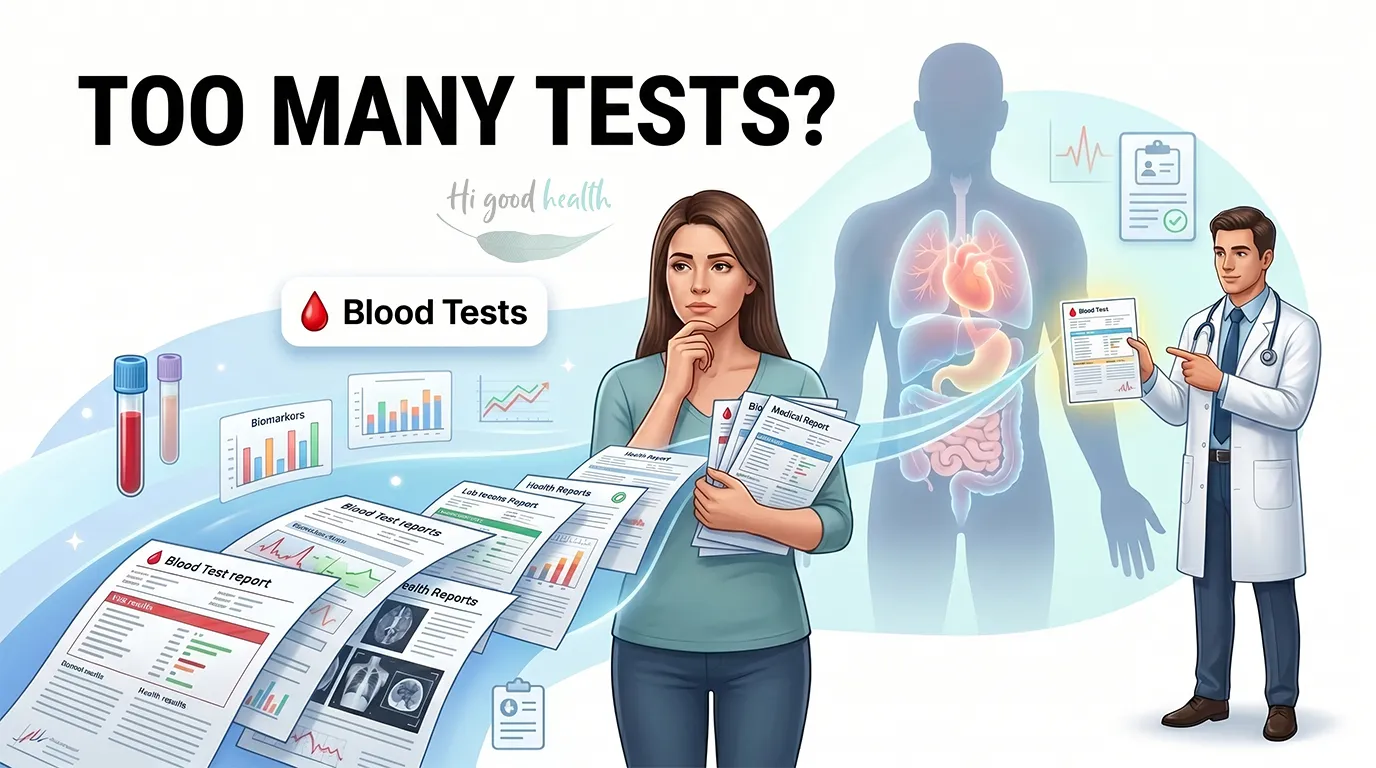
Blood tests and a wide range of diagnostic examinations have become a routine part of medical practice. From regular health checkups to identifying the root cause of complex conditions, these tests — including blood panels, urine analyses, imaging scans like X-rays, MRIs, and CT scans, and specialized tests like EKGs or biopsies — serve a clear purpose.
At a glance
Not every blood test or scan is necessary on a fixed schedule. For healthy, low-risk adults, major U.S. guidelines favor purposeful, risk-based testing over routine annual panels [2]. The answer to whether fasting is necessary for blood tests differs by test: lipid panels and glucose tests may require it, while a CBC or a PSA test usually does not [1]. Always confirm with your doctor.
They offer a window into our internal health, letting clinicians detect diseases early, monitor chronic conditions, evaluate organ function, and design personalized treatment plans. Their value is real. Yet the growing frequency and variety of recommended tests can leave people asking a fair question: are all of these blood tests really necessary?
Routine screenings like the eGFR and creatinine tests are early warning signals that let you catch kidney decline before it becomes a serious medical emergency. For insights on kidney-friendly foods and dietary habits that support kidney health, read our detailed article.
A Brief History and Evolution of Diagnostic Practices
The evolution of medical diagnostics runs from rudimentary observations to highly advanced technology. Ancient physicians relied heavily on observing symptoms, examining urine, and even tasting it for signs of disease. The 19th and 20th centuries marked a turning point, with the arrival of microscopy, X-rays, and the isolation of blood components paving the way for modern pathology. Today we stand at the edge of personalized medicine, where diagnostic tools can identify genetic predispositions and even individual cellular anomalies. This progress has improved our ability to diagnose and treat. It also prompts us to weigh thoroughness against the real risk of over-testing.
There is also widespread confusion around the safety of diagnostic imaging, particularly radiation exposure. To address these concerns, we have broken down the science and data behind it. To learn more, read our blog: Do CT, MRI, and Other Scans Emit Harmful Radiation? Facts You Need to Be Aware Of.
Is Fasting Necessary for Blood Tests? What to Know Before a Blood Draw
One of the most common questions before a blood draw is whether fasting is necessary. Fasting means avoiding all food and drink except water for a set period, usually 8 to 12 hours, so that recent meals do not skew the results. The answer to whether fasting is necessary for blood tests depends entirely on which blood test you are having.
According to the U.S. National Library of Medicine (MedlinePlus), tests that commonly require fasting include the fasting blood glucose test, the lipid (cholesterol) panel in some cases, and certain metabolic panels [1]. Many other tests do not. Here is a quick guide to the most-asked tests:
- Is fasting necessary for a PSA blood test? No. The prostate-specific antigen (PSA) test does not require fasting, and you can eat and drink normally beforehand.
- Is fasting necessary for a CBC blood test? No. A complete blood count (CBC) does not require fasting unless it is bundled with a test that does.
- Is fasting necessary for a cholesterol (lipid) blood test? Sometimes. Many labs now accept non-fasting lipid panels, but some doctors still ask for 9 to 12 hours of fasting, especially when triglycerides matter.
- Is fasting necessary for a TSH or thyroid blood test? Usually no, though timing of the draw can affect results, so follow your provider’s instructions.
- Is fasting necessary for an A1c blood test? No. The HbA1c test reflects average blood sugar over about three months and is not affected by your last meal.
When fasting is required, the reason is straightforward: food and drink can temporarily raise glucose and fat levels in your blood, which would distort the reading. When in doubt, ask the ordering clinician or lab whether fasting is necessary for your specific blood test before you go.
The Value of Diagnostic Tests: Are Your Past Results Still Relevant?
Diagnostic tests, when used wisely, are genuinely valuable. They give objective data that supports a physician’s clinical judgment.
But an important question many people overlook is this: should you keep records of your previous test results, and are your past test results still relevant?
The answer is a clear yes.
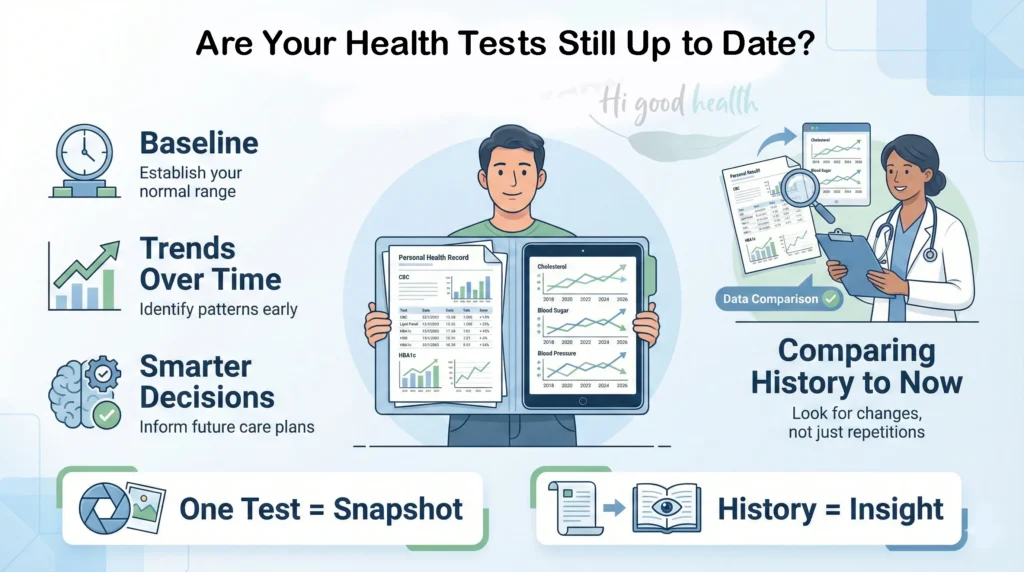
Keeping a personal health record, including past test results, is strongly recommended. These records provide a baseline and let healthcare providers track trends over time, which is often far more useful than a single snapshot. Some doctors may not explicitly ask for past results, so share them proactively. Doing so leads to more informed decisions and helps you avoid unnecessary repeat tests. Bring your historical data to your appointments and discuss its relevance with your physician.
Supplementing without data can be risky, because blood tests reveal when you have reached toxic levels of certain nutrients. To better understand how incorrect vitamin dosing can affect health, read our detailed article.
How to Avoid Unnecessary Repeat Tests: Advocating for Yourself
It can be frustrating when a hospital or doctor recommends repeating tests you recently completed elsewhere. This happens often. It may be due to institutional protocols, a preference for in-house lab validation, or limited access to your previous reports.
Unnecessary duplication adds cost, inconvenience, and sometimes avoidable procedures. The key to managing it is proactive communication:
- Ask your doctor if your previous reports can be considered before agreeing to new tests.
- If a repeat test is advised, politely request the specific reason.
- Offer to share or transfer your earlier reports to the current provider.
- Keep both digital and physical copies of your medical records easily accessible.
Being informed and respectfully assertive helps ensure decisions are made in your best interest, both medically and financially.
What Every Individual Should Know and Discuss with Their Doctor
Understanding your own health journey matters. You should always feel comfortable discussing your health history, including past diagnostic tests and medications, with your doctor. If you have concerns about whether a particular test is necessary, or you want to explore alternatives, say so clearly and respectfully. A good physician will welcome your engagement, explain the reasoning behind their recommendations, and answer your questions.
Remember to:
- Ask “Why is this test needed?”
- Understand how the result will affect your treatment.
- Discuss possible alternatives, if any.
- Seek a second opinion when in doubt.
Healthcare is not a one-sided process. It is a collaborative partnership. Your awareness, curiosity, and participation play a real role in better outcomes and informed decisions.
The Rise of Non-Invasive Alternatives: Wearable Diagnostic Devices
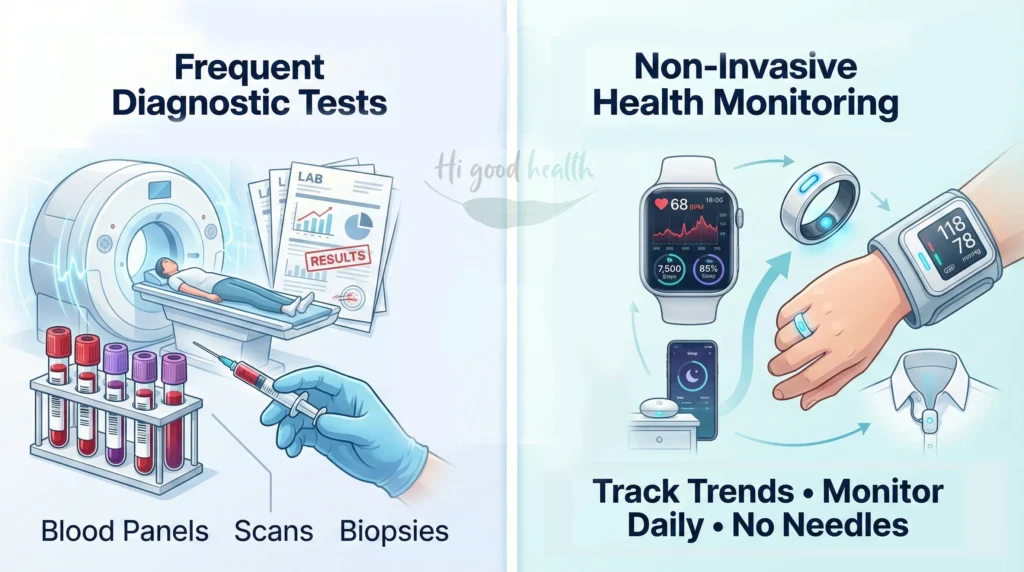
Health monitoring is expanding well beyond the clinic. Wearable diagnostic devices offer non-invasive ways to track physiological signals continuously. These devices, from smartwatches to specialized patches, can provide real-time data on heart rate, sleep patterns, activity levels, oxygen saturation, and even aspects of stress and recovery.
By giving real-time feedback, wearable technology helps people take a more active role in their health. It shows how daily habits affect wellbeing and can flag potential abnormalities early, often before symptoms appear.
Reliability and Features of Wearable Health Devices
Wearable devices have grown far more reliable, and many are now FDA-cleared for screening and trend monitoring. They are not a substitute for professional medical diagnosis, but they work well for continuous monitoring and early detection. Here is a comparison of popular home wearable health devices available in the USA:
| Device Type | Popular Makes/Models (USA) | Key Features | Approximate Cost (USD) |
| Smartwatches | Apple Watch (Series 9, Ultra 2), Samsung Galaxy Watch (6, Classic), Fitbit Sense 2 | Heart rate tracking, ECG, SpO2, sleep tracking, activity monitoring, fall detection, temperature sensing | $250 – $800+ |
| Fitness Trackers | Fitbit Charge 6, Garmin Vivosmart 5, Whoop 4.0 | Activity tracking, sleep stages, heart rate, stress monitoring, recovery insights | $100 – $300 (Whoop is subscription-based) |
| Smart Rings | Oura Ring Gen3, Ultrahuman Ring Air | Sleep analysis, heart rate variability (HRV), body temperature, activity tracking, recovery insights | $300 – $400 |
| Continuous Glucose Monitors (CGM) | Dexcom G7 (~8.2% MARD, adults), Abbott FreeStyle Libre 3 (~7.9% MARD*); prescription required | Real-time glucose readings, trend analysis, alerts for highs/lows | Varies with insurance; typically $60-$100 per sensor (2-week supply) |
| Smart Scales | Withings Body Cardio, Renpho Smart Scale | Weight, BMI, body composition (body fat, muscle mass, bone mass, water percentage) | $30 – $180 |
Note: Costs are approximate and can vary based on retailer, sales, and specific model. CGM devices typically require a prescription.
*MARD (Mean Absolute Relative Difference) is the most common metric used to assess the clinical accuracy of Continuous Glucose Monitoring (CGM) systems.
Safety and Risks of Wearable Devices
A common concern is whether constant wireless signals like Bluetooth produce harmful radiation. Wearable devices use low-power radiofrequency (RF) transmitters similar to those in phones and Wi-Fi, and in the United States they must meet Federal Communications Commission (FCC) exposure limits set to protect human health. According to the U.S. Centers for Disease Control and Prevention (CDC), most wearable tech emits RF levels well below these safety thresholds [4].
The U.S. Food and Drug Administration (FDA) states that the weight of scientific evidence does not link radiofrequency energy from everyday wireless devices to health risks when they are used as intended [3].
RF energy from Bluetooth and other wireless signals is a form of non-ionizing radiation, meaning it does not carry enough energy to directly damage DNA, unlike X-rays or gamma rays. The U.S. Environmental Protection Agency (EPA) explains this distinction in plain terms [5].
The Wisdom of “Good Old Physicians” and Modern Practice
It is fair to reflect on the era of “good old physicians” who leaned more on keen observation and a thorough physical exam than on a long battery of tests. Clinical skill still matters enormously. But modern medicine has advanced, and diagnostic tests, used appropriately, are not a waste of time or money. They confirm a diagnosis, surface problems that observation alone would miss, and guide targeted treatment. The best approach blends both: a physician’s observational skill and full patient history, supported by strategic, necessary diagnostic testing. The real challenge is avoiding over-testing and making sure every test ordered serves a clear purpose.
How Far Should You Rely on Self-Monitoring Devices?
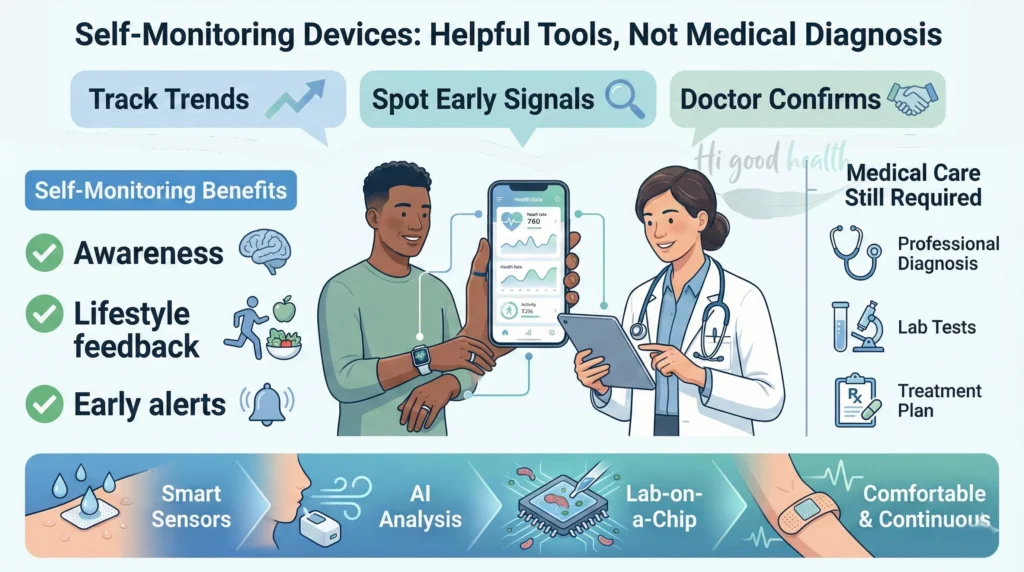
Wearable devices have become powerful tools for self-monitoring, building awareness and helping people take a more active role in their wellbeing. They reveal trends, flag potential issues early, and show the effect of lifestyle changes. But remember one thing: these are monitoring tools, not diagnostic tools. They should complement professional medical advice, not replace it. If a wearable flags a concerning anomaly, treat it as a signal to see your doctor for a proper diagnosis and plan. Always review your wearable data with your healthcare provider so it is interpreted accurately.
Latest Scientific Developments in Non-Invasive Diagnostics
Non-invasive diagnostics is a fast-moving research field. New tools keep making health monitoring more accessible, accurate, and less intrusive. Notable developments include:
- Advanced Biometric Sensors: Next-generation sensors that detect a wider range of biomarkers from sweat, tears, or breath, opening the door to non-invasive glucose monitoring, electrolyte balance, and stress hormone tracking.
- AI and Machine Learning Integration: Artificial intelligence is used to analyze large amounts of wearable data, spot subtle patterns, and predict health risks with greater accuracy.
- Miniaturization and Integration: Devices are getting smaller, more comfortable, and built into everyday items, making continuous monitoring less obtrusive.
- “Lab-on-a-Chip” Technologies: These microfluidic devices run complex lab tests on a tiny chip, enabling rapid, point-of-care diagnostics with very small samples.
These advances hold real promise for preventive healthcare. They could reduce reliance on frequent invasive tests while improving our ability to understand and manage our health.
A Reality Check on AI in Diagnostics
Artificial intelligence is making real strides in healthcare. Some studies report up to 94% accuracy in early breast cancer detection using AI-based systems. Encouraging as that is, it does not mean AI is ready to replace doctors.
AI is best viewed as a support tool, not a substitute for clinical expertise [6]. Human oversight, clinical judgment, and patient context remain essential for accurate diagnosis and treatment.
AI is transforming early detection, but it is important to separate life-saving medical tech from consumer gadgets. To separate wearable health tech hype from reality for seniors, read our detailed article.
Key Takeaways
- For healthy, low-risk adults, U.S. guidelines favor purposeful, risk-based testing over fixed annual blood panels.
- Whether fasting is necessary for blood tests depends on the test: glucose and some lipid panels may need it; CBC, PSA, and A1c tests usually do not.
- Keep your own past test results. A baseline lets your doctor track trends and helps you avoid duplicate tests.
- Ask “Why is this test needed?” and request the specific reason before agreeing to a repeat test.
- Wearables (smartwatches, CGMs, smart rings) are monitoring tools, not diagnostic tools, and their wireless signals stay below FDA and FCC safety limits.
- AI and non-invasive sensors are promising, but they support clinical judgment rather than replace it.
Frequently Asked Questions
If you prefer a more visual version, check out our YouTube video here:
1. How often should a healthy person get blood tests?
Frequent testing is not always necessary; it should be purposeful and driven by clinical need. For asymptomatic, low-risk adults under 40, many medical bodies do not recommend annual or biennial routine blood panels such as a CBC or CMP. Instead, they emphasize targeted screenings, like blood pressure checks and lipid panels every 4 to 6 years starting at age 20. Adults over 40 are more commonly advised to test annually. People with chronic conditions (diabetes, thyroid, kidney, or liver problems) often test every 3 to 6 months, and high-risk individuals more often based on family history. Discuss the necessity of specific tests with your physician.
2. Is fasting necessary for a PSA blood test?
No. Fasting is not necessary for a PSA (prostate-specific antigen) blood test. You can eat and drink normally before the test, since food does not meaningfully change PSA levels. A few things can temporarily affect results, though, such as recent ejaculation, vigorous cycling, a recent urinary infection, or a recent prostate exam, so tell your doctor about these. If your PSA test is bundled with other tests on the same draw, ask whether any of those require fasting.
3. Is fasting necessary for all blood tests, or only some?
Only some. Fasting is typically required for a fasting blood glucose test and is sometimes requested for a lipid (cholesterol) panel, because food and drink temporarily raise blood sugar and fat levels. Many common tests, including a CBC, an A1c, and most thyroid (TSH) tests, do not require fasting. When fasting is needed, it usually means no food or drink except water for 8 to 12 hours. Because requirements vary by lab and by what your doctor is checking, always confirm whether fasting is necessary for your specific blood test beforehand.
4. Are yearly blood tests necessary for everyone?
Not for everyone. The U.S. Preventive Services Task Force (USPSTF) and other bodies recommend screening based on age and risk rather than a blanket yearly blood panel for healthy adults. Some people benefit from annual testing, such as those over 40, those with chronic conditions, or those with strong family histories, while low-risk younger adults often do not need yearly panels. The right interval is individual. Ask your physician which tests, if any, make sense for you and how often.
5. Can smartwatches and health trackers replace a doctor’s diagnosis?
No. Some metrics, such as heart rate and ECG for atrial fibrillation, have clinical-grade accuracy, while others like blood oxygen saturation and sleep tracking are less validated. They should complement professional advice, not replace it. Always consult a doctor for a proper diagnosis.
6. Are wearable health devices safe to use daily?
Yes. These devices generally use low-power wireless technologies like Bluetooth. They emit non-ionizing radiation far below harmful levels, and organizations like the FDA have not found conclusive evidence of health risks from everyday use.
7. Are wearable devices covered by health insurance?
Most consumer smartwatches are not covered. However, medical-grade devices like Continuous Glucose Monitors (CGMs) typically require a prescription and may be covered depending on your specific insurance plan. Check with your provider for details.
8. How can I avoid unnecessary repeat blood tests?
Proactive communication is key. Before a test, ask whether previous results can be used and request that your records be transferred to the new facility. This can avoid duplicate costs and procedures.
9. Is it worth keeping my own past medical results?
Absolutely. A personal health record provides a baseline for tracking trends over time. Sharing historical data with your doctor often leads to more informed decisions than a single snapshot of your health.
10. Is fasting necessary for a PTH blood test?
Usually not for the PTH (parathyroid hormone) test itself. However, PTH is often ordered together with a calcium or vitamin D test, and some labs prefer a morning, fasting draw because PTH and calcium levels shift slightly over the day. Because practice varies, ask the ordering lab whether fasting is necessary for your specific blood test when PTH is bundled with other panels.
11. Why is fasting necessary for some blood tests?
Fasting matters for a few tests because eating and drinking temporarily raise the very things those tests measure. A meal spikes blood glucose and, for several hours, raises triglycerides and other blood fats. Testing without fasting could show a falsely high glucose or lipid reading. Tests that do not measure meal-affected substances, such as a CBC, an A1c, or a PSA, do not need fasting. When fasting is required, it usually means water only for 8 to 12 hours.
12. Is it necessary to fast before a cholesterol blood test?
Not always. Many labs and guidelines now accept a non-fasting lipid panel for routine cholesterol screening, and the result is close enough for most decisions. Your doctor may still ask you to fast for 9 to 12 hours if your triglycerides are being closely tracked or if a previous non-fasting result was borderline. Follow the instruction on your lab slip, and ask your provider if you are unsure.
References
All reference links were checked and accessible on 18 June 2026.
- MedlinePlus (U.S. National Library of Medicine): Fasting for a blood test, which tests require it, and why.
- U.S. Preventive Services Task Force (USPSTF): A and B screening recommendations by age and risk.
- U.S. Food and Drug Administration (FDA): FDA-regulated home use tests and scientific evidence on cell phone (RF) safety.
- U.S. Centers for Disease Control and Prevention (CDC): Wearable technology and radiofrequency exposure.
- U.S. Environmental Protection Agency (EPA): Non-ionizing radiation and wireless technology.
- American Academy of Family Physicians (AAFP): Patient-focused guidance on preventive care.
- Harvard Health Publishing: Evidence-based health information on diagnostic tests and health technology.
- Mayo Clinic: Information on medical conditions, diagnostic tests, and procedures.
- Journal of the American Medical Association (JAMA): JAMA and the JAMA Cardiology article on wearable monitoring.
- World Health Organization (WHO): Digital health overview.
- Deep Medicine: How Artificial Intelligence Can Make Healthcare Human Again by Eric Topol, MD.
- The Patient Will See You Now: The Future of Medicine Is in Your Hands by Eric Topol, MD.
