
Updated: 2 October 2026
This guide is based on veterinary best practices and referenced clinical sources to provide trustworthy, actionable advice for pet parents across the United States.
In the United States, tick-borne diseases often act as silent intruders. Because dogs are resilient, they sometimes do not show pain until the disease has significantly progressed. As a pet parent, your goal is to recognize these “silent” signs before they become a medical emergency.
At a glance
- There is no dog tick bullseye. Dogs do not develop the ring-shaped rash people get with Lyme disease. A red ring on a dog is far more often a black fly bite, and it clears on its own in about a week.
- Judge your dog by behaviour, not by skin. The earliest reliable signs are a drop in appetite, unusual dullness, fever, and lameness that shifts from one leg to another.
- Bleeding signs are an emergency. Nosebleeds, pinpoint red spots on the gums or belly, unexplained bruising or black tarry stool need a vet the same day.
- Antibiotics are a vet decision. Tick-borne infection is treated with prescription medicine chosen and dosed by body weight. Never give a dog leftover human antibiotics.
This is Part 2 of our tick guide, and it is about recognising trouble early. Part 1 covers the diseases themselves and the regions where risk is highest.
🚨 Signs That Cannot Wait Until Tomorrow
Severe ehrlichiosis damages the platelets that let blood clot. When that happens a dog can bleed internally, and it can be fatal.
Go to a vet the same day for any of these: a nosebleed; pinpoint red spots on the gums, belly or inside the ears; bruises with no injury behind them; black tarry stool; or gums that look pale rather than pink.
The Merck Veterinary Manual lists bleeding tendencies — petechiation, ecchymosis, melena and epistaxis — among the signs of acute ehrlichiosis. None of them is a wait-and-see symptom.
Know Your Risk: US Regions & Tick Season
Tick-borne disease risk in the US varies significantly by region and time of year. Knowing your local risk window helps you stay proactive rather than reactive.
Peak Risk Season (Nationwide)
Tick activity peaks from April through September, with the highest transmission risk in May–August. However, blacklegged (deer) ticks can remain active any time temperatures are above 35°F — making year-round vigilance important in many parts of the country.
Regional Risk Guide
Region | Primary Tick Species | Key Diseases | Peak Season |
Northeast | Blacklegged (Deer) Tick | Lyme disease, Anaplasmosis, Babesiosis | March–November |
Southeast | Lone Star Tick | Ehrlichiosis, STARI, Tularemia | Feb–Nov |
Midwest | Blacklegged Tick | Lyme disease, Anaplasmosis, RMSF | April–October |
South-Central | Lone Star Tick | Ehrlichiosis, Cytauxzoonosis (cats) | Spring–Fall |
Rocky Mountain / West | Rocky Mountain Wood Tick | RMSF, Lyme disease (West Coast), Colorado Tick Fever | April–August |
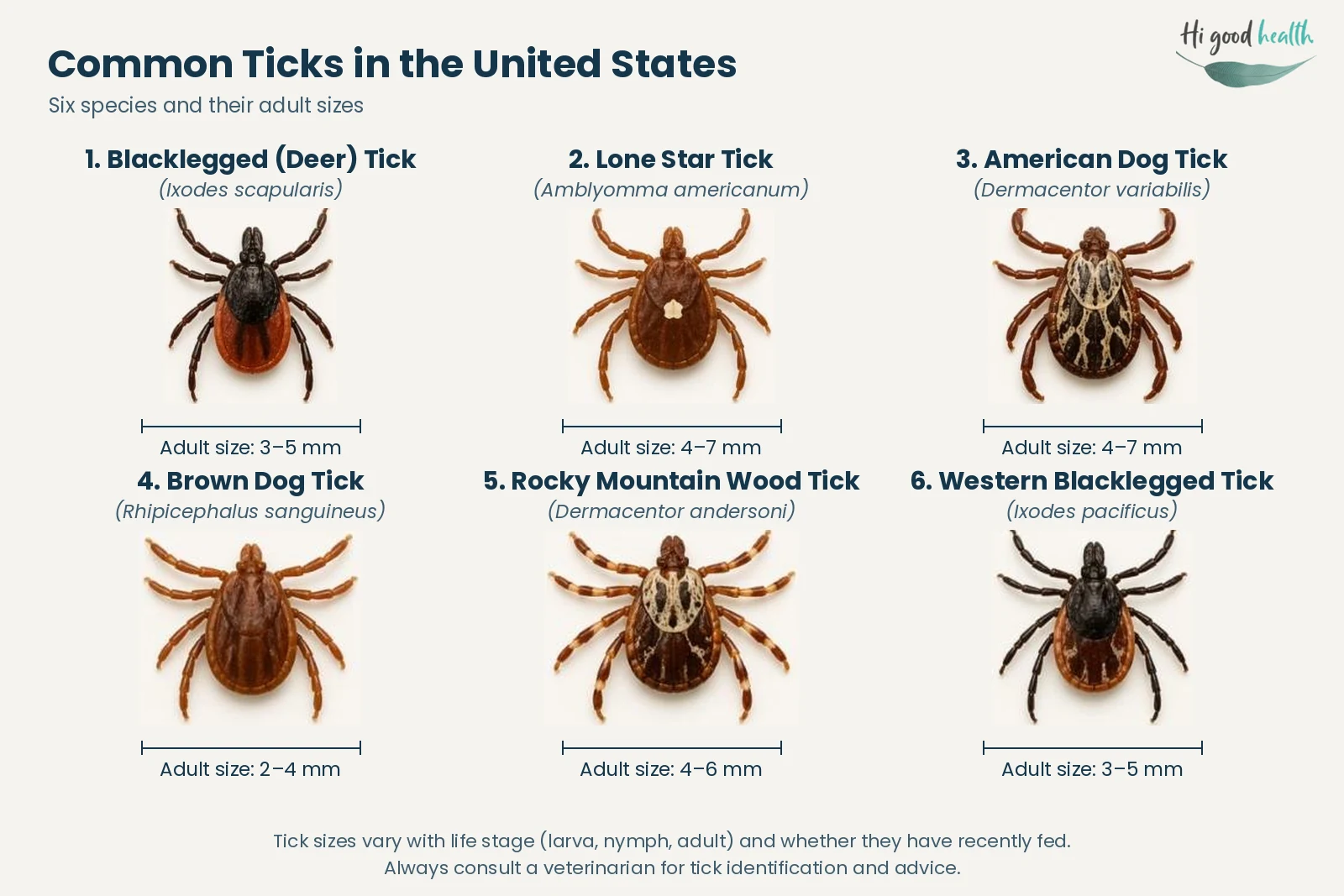
RMSF = Rocky Mountain Spotted Fever. If you are unsure about your local risk, your veterinarian or your state’s department of agriculture can advise on the predominant tick species and diseases in your area.
Early Behavioral Changes: The “Dullness” Factor
Why Appetite Is Your Best Gauge
In the warmer months, it is easy to assume your dog is simply tired from the heat — but there is a meaningful difference between “heat-lethargy” and “sick-lethargy.”
The Appetite Shift: A change in eating habits is often one of the earliest warning signs. If your dog — who usually treats mealtime like an Olympic event — is suddenly leaving their favorite treats untouched, take it seriously.
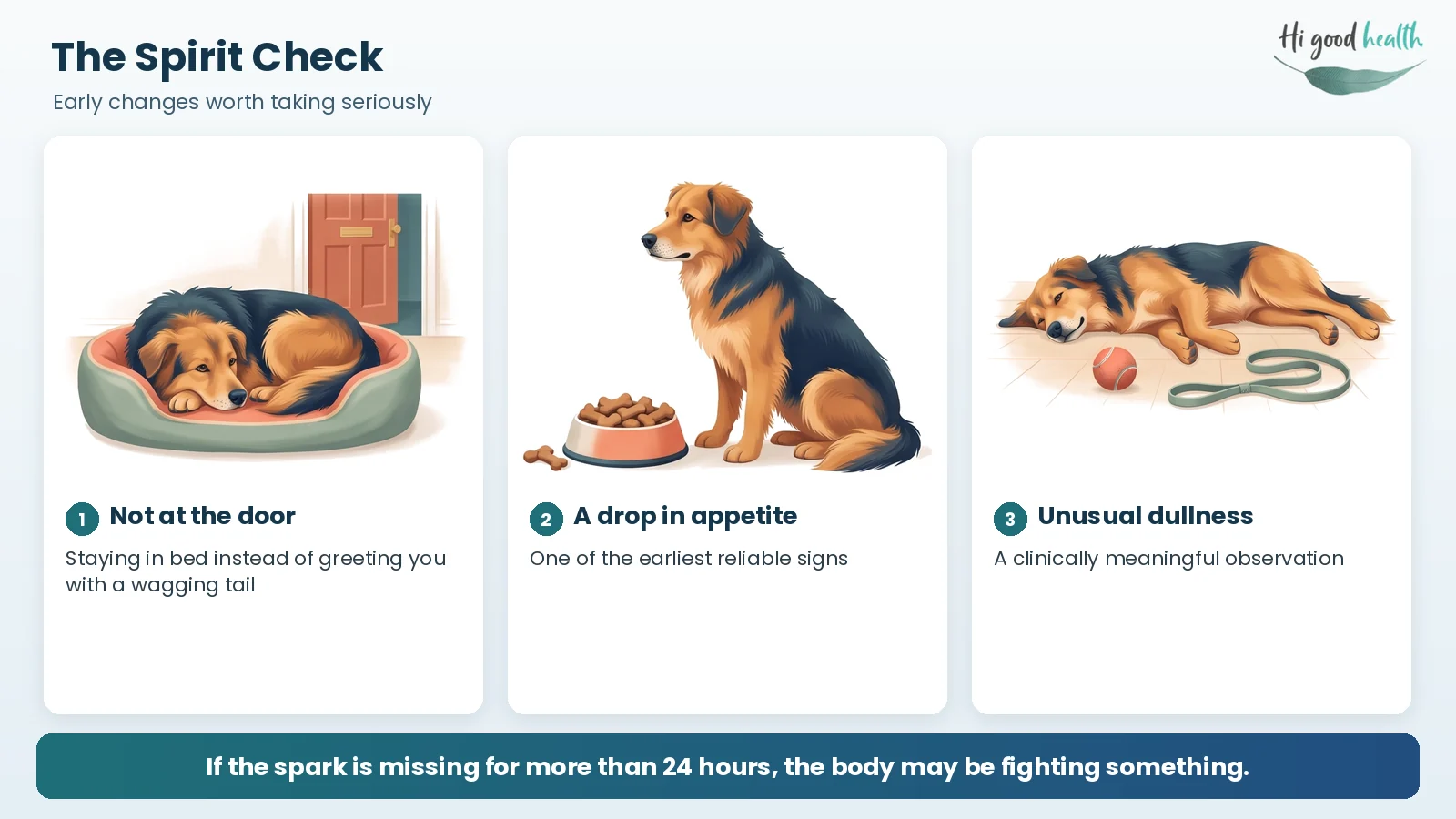
The Spirit Check: Is the Spark Missing?
Is your dog greeting you at the door with a wagging tail, or are they staying in their bed? “Dullness” is the word many pet parents use, and it is a clinically meaningful observation. If the “spark” is missing for more than 24 hours, their body may be fighting something internally.
Clinical Indicators: The Red Alert Signs
If the disease moves past the early “dull” phase, you may notice more specific physical changes. Any of the signs below warrant a same-day veterinary call — do not wait to see if they improve on their own.
- High Fever (>103°F): A dog’s normal temperature is 101°F to 102.5°F. If their ears and belly feel radiating hot to the touch, confirmation with a rectal thermometer is recommended. A temperature above 103°F is a call-your-vet threshold; above 105°F is an emergency room threshold.
- Pale, White, or Yellow Gums: Gently lift your dog’s lip. Healthy gums should be “bubblegum pink.” Pale or white gums indicate anemia from red blood cell destruction. Yellow-tinged gums (jaundice) signal liver involvement. Both are same-day emergencies.
- Dark-Colored Urine: Urine that looks like dark tea, coffee, or orange juice during a walk is a sign of hemoglobinuria — a result of red blood cells rupturing due to Babesia spp. This requires immediate veterinary attention.
- The “Shifting” Limp: A limp that seems to move from leg to leg — favoring the front left in the morning, a back leg by evening — is a recognized feature of Lyme disease in dogs. Stiffness when rising or reluctance to climb stairs also suggests joint inflammation from infection.
- Sudden Collapse or Extreme Weakness: A dog that cannot stand, stumbles, or collapses is experiencing a systemic emergency. This may indicate severe anemia, a dangerously low platelet count, or multi-organ involvement. Seek emergency veterinary care immediately.
- Laboured breathing (Dyspnea): Rapid, shallow, or effortful breathing may occur due to anemia, where reduced red blood cells lead to decreased oxygen delivery to the body.
- Unusual Bruising or Bleeding: Bruise-like patches or small red/purple spots on the skin, gums, or belly may indicate low platelet levels. This is commonly seen in tick-borne infections and requires urgent veterinary attention.
📋 Note on Heartworm (Mosquito-Borne, Screened by 4Dx): While not a tick-borne disease, heartworm disease is screened alongside tick-borne illnesses in the annual 4Dx panel. A persistent, dry cough — especially after exercise or at night — can be an early warning sign, as adult worms irritate the pulmonary arteries. If you notice this symptom, contact your veterinarian.
When to Act: Vet Consultation Triggers
Use this quick-reference guide to decide how urgently your dog needs veterinary care. When in doubt, always err on the side of calling your vet.
Sign / Symptom | Action | Urgency Level |
Collapse or cannot stand | Go to emergency vet NOW | 🔴 Emergency — Do not wait |
Pale, white, or yellow gums | Go to emergency vet NOW | 🔴 Emergency — Do not wait |
Seizures or disorientation | Go to emergency vet NOW | 🔴 Emergency — Do not wait |
Body temperature >105°F | Go to emergency vet NOW | 🔴 Emergency — Do not wait |
Dark/bloody urine or stools | Call vet or ER — same day | 🟠 Urgent — Same-day care |
Fever >103°F confirmed | Call vet — same-day appointment | 🟠 Urgent — Same-day care |
Gums slightly pale (not white) | Call vet — same-day appointment | 🟠 Urgent — Same-day care |
Shifting leg lameness / stiffness | Call vet — schedule within 24h | 🟡 Soon — Within 24 hours |
Off-food for >24 hours + lethargy | Call vet — schedule within 24h | 🟡 Soon — Within 24 hours |
Dull, low energy — eating normally | Monitor closely + call vet if worsens | 🟢 Monitor — Call if no improvement |
Found a tick (removed safely) | Note date, watch for symptoms 30 days | 🟢 Monitor — Vet visit if symptomatic |
🚨 Emergency: What To Do While Driving to the Vet
- Keep your dog calm and still. Avoid excessive movement, lifting, or crowding. Excitement and movement accelerate circulation, which can worsen bleeding, anemia, shock or breathing difficulty.
- Do not offer food or water. The vet may need to administer anesthesia or perform procedures.
- Cover with a light blanket if shivering. Maintains body temperature without overheating.
- Note symptoms, timeline, and recent tick exposure. Tell the vet when symptoms started, any ticks found, and current preventive medications.
- Call the vet/ER ahead. Let them prepare. If after hours, use the ASPCA Emergency Animal Poison Control or search “emergency vet near me.”
Is That Ring a Tick Bite? The Dog Tick Bullseye Myth
Plenty of owners go looking for a dog tick bullseye after finding a red ring on a belly, ear or groin. It is the most misleading thing you can look for, and it sends people in two wrong directions at once.
In dogs, the bullseye is not a Lyme sign
In people, a spreading target-shaped rash is a classic early sign of Lyme disease. Dogs do not get it. The signs VCA Animal Hospitals lists for canine Lyme are lameness, fever, swollen joints, pain and loss of appetite — not a rash.
So what is the ring, usually?
Most often a black fly bite. The American Kennel Club notes that some black fly wounds have a pale centre, giving what its chief veterinary officer calls a bullseye appearance similar to a human tick bite. They are harmless and typically settle within about a week.
What a real tick bite looks like on a dog
A small firm red bump, sometimes with a scab, often with the tick still attached. Mild swelling around it is normal and eases over a few days. There is no expanding ring.
The part that actually matters
No ring tells you nothing. Dogs develop ehrlichiosis, babesiosis, anaplasmosis and Lyme with no skin sign at all. Watch appetite, energy and temperature instead — and have the skin lesion itself seen if it spreads, feels hot, weeps, or has not begun to fade after a week.
The Silent Phase: The “Ticking” Time Bomb
This is perhaps the most misunderstood aspect of tick-borne diseases in the US. A dog can be actively infected but appear completely normal for weeks or even months.
The Subclinical State
After a tick bite, bacteria like Ehrlichia can hide in the spleen or bone marrow. During this “silent phase,” the dog may appear healthy- eating, playing, and behaving as usual, but the disease is quietly progressing under the surface.
In some cases, this phase can last weeks to months, making it easy to miss the connection between a past tick exposure and current illness.
The Immunity Trigger
Symptoms may only surface when the dog’s immunity is under stress and challenged— due to summer heat, an environmental change, or another illness. When this happens, the balance shifts—and a previously controlled infection can rapidly become active.
This is why some dogs seem to deteriorate suddenly, even when no recent tick exposure was noticed. Early annual screening catches these hidden infections before the crash occurs.
Why Your Observation Matters
You know your dog’s normal behavior best. If they seem quieter, eat less, or lose interest in daily activities—even for a day—take it seriously, particularly during peak tick season. Early detection is the difference between a simple course of antibiotics and a stressful, expensive hospital stay.
These patterns align with documented veterinary findings across the US and can guide timely intervention.
The “Hot Zone” Daily Inspection
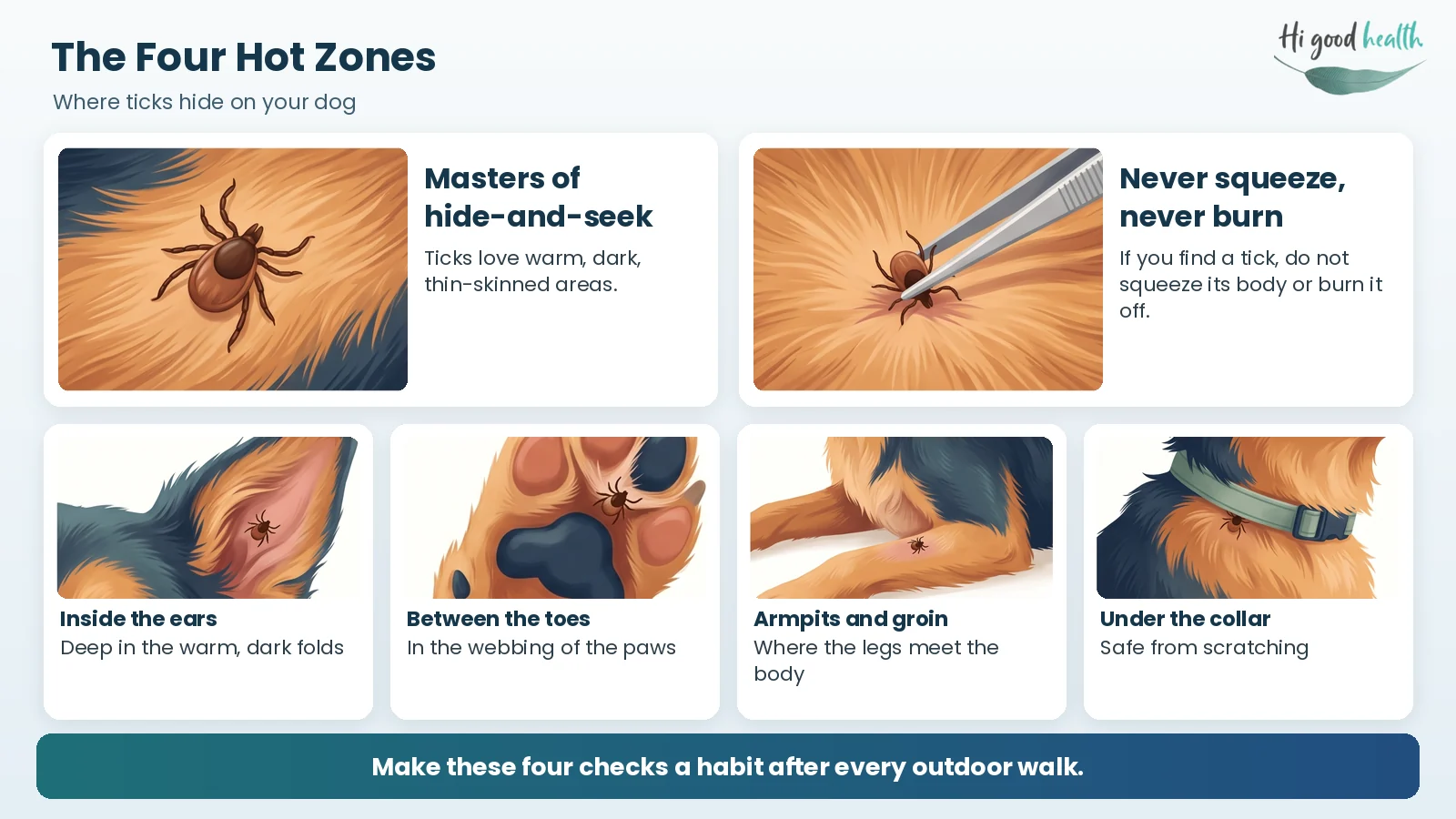
Daily tick checks are one of the most effective and free tools available to pet parents. Ticks love warm, dark, thin-skinned areas. Make these four checks a habit after every outdoor walk:
- Inside the Ears: Deep in the folds where it is dark and warm.
- Between the Toes: Ticks often hitch a ride in the webbing of the paws.
- The “Armpits” and Groin: The soft skin where the legs meet the body.
- Under the Collar: A classic hiding spot where they will not be disturbed by scratching.
The “Never-Squeeze” Rule for Tick Removal
If you find a tick, do not squeeze its body or try to burn it off. Squeezing acts like compressing a syringe — it can force infected contents directly back into your dog’s bloodstream.
The Correct Removal Steps
Use fine-tipped tweezers or a tick-removal hook.
Grasp as close to the skin as possible — by the head, not the body.
Pull upward with steady, even pressure — no twisting or jerking.
Clean the bite area with rubbing alcohol or soap and water.
Place the tick in a sealed zip-lock bag or alcohol-filled container and note the date. Your vet may want to identify the species.
Monitor your dog for signs of illness for the next 30 days.
Professional Grooming: Supplement, Not a Cure
Many US pet parents rely on grooming sessions as part of their tick defense. While valuable, it is important to understand what grooming can and cannot do.
The “Instant Kill” Only: Medicated baths and shampoos can kill ticks currently on your dog, but have minimal residual protection. Once your dog returns outdoors, new ticks can attach quickly, and the risk of exposure resets.
The Proper Role: Think of grooming as a way to reduce an active tick burden, especially in hidden areas like ears, paws, and under the collar. For ongoing protection, a vet-approved oral or topical preventive is essential. Grooming is the cleanup crew; the preventive is the security guard.
Diagnostic Standards in 2026
When a dog presents with signs like lethargy, pale gums, or fever, veterinarians follow a structured approach to quickly identify possible tick-borne diseases and start treatment early.
First-Line Screening (In-Clinic)
The 4Dx SNAP Test
The IDEXX SNAP 4Dx Plus is a widely used in-clinic screening test that plays an important role in detecting vector-borne diseases early, allowing for timely and effective treatment.
In a single blood sample, it screens for:
- Antibodies against Lyme disease (Borrelia burgdorferi), Ehrlichia spp., and Anaplasma spp.
- Antigens for Heartworm (Dirofilaria immitis)
The American Heartworm Society recommends annual 4Dx screening for all dogs, even those on preventives, as a quality-control check to catch any exposure that may have occurred.
A positive 4Dx result is a screening indicator, not a final diagnosis and should always be followed by confirmatory PCR or antibody titer testing — a positive screen is the starting point for diagnosis, not the endpoint.
CBC (Complete Blood Count)
In a CBC, veterinarians look for the “Triad of Tick Fever”: These changes help assess disease severity and organ involvement.
- Thrombocytopenia: Low platelet count — Common in Ehrlichia infections → may lead to bleeding or bruising
- Anemia: Low red blood cell count — characteristic of Babesia infection.
- Leukopenia / Leukocytosis: Abnormal white blood cell counts indicating inflammation or immune stress.
PCR (Polymerase Chain Reaction)
PCR is a highly sensitive molecular test that detects the actual DNA of the pathogen in the blood.
- How it Works: It amplifies tiny fragments of the pathogen’s genetic material. DNA presence confirms active infection.
- Unmatched Precision: PCR can differentiate between species (e.g., Babesia canis vs. the more aggressive Babesia gibsoni), which is clinically important as treatment differs.
- Best for Acute Cases: PCR can detect infection within days of a tick bite — well before clinical signs appear.
For dogs presenting with clinical signs consistent with vector-borne disease, combining serology (4Dx + CBC) with PCR testing provides the most complete diagnostic picture.
Prevention: Your Best Financial and Medical Investment
In the 2026 veterinary landscape, prevention is far more effective — and far less expensive — than treating an established tick-borne infection. An ICU admission for severe Ehrlichiosis or Babesiosis can cost $2,000–$6,000 or more depending on your region.
Flea and tick preventives come in two primary forms:
Oral: A chewable tablet your dog ingests, working systemically from the inside out. Ticks must attach and begin feeding to be exposed to the medication, after which they are rapidly killed.
Topical: A liquid applied to the skin (usually between the shoulder blades), which spreads across the skin and coat to kill or repel ticks on contact. This area is difficult for dogs to reach with their mouth, reducing the risk of them licking off the medication before it absorbs.
Oral Preventives
Oral medications are a convenient option for active households. They are typically flavored and accepted willingly by most dogs.
- Confirm your dog has swallowed the tablet — some dogs are skilled at hiding pills.
- Watch for short-term digestive upset, which could affect absorption.
Topical Preventives
Topical spot-ons are a good alternative for dogs with sensitive stomachs or those resistant to tablets.
- Keep the application site dry and undisturbed for at least 24 hours.
- Frequent swimming or bathing can reduce longevity — time applications accordingly.
Oral vs. Topical: The Isoxazoline Class
The introduction of isoxazoline-class medications (e.g., Bravecto®, Simparica®, NexGard®) has meaningfully improved tick control options for US pet owners. These products have demonstrated strong efficacy in clinical studies and are FDA-approved for use in the US.
- Waterproof Efficacy: These work from the inside out, so swimming, rain, or bathing does not reduce their effectiveness.
- Rapid Kill: They interfere with tick and flea nervous systems, causing death within hours of a bite — reducing the window for disease transmission.
- Convenience: Bravecto® provides up to 3 months of protection per dose; Simparica® and NexGard® are monthly. Long dosing intervals reduce the risk of missed doses.
Important: While isoxazolines are highly effective for most dogs, a small subset of dogs — particularly those with a history of seizures — may require an alternative. Always discuss your dog’s full medical history with your veterinarian before starting a new preventive.
Environmental Management: Defending the Fortress
Ticks across the US can thrive in wooded areas, tall grass, leaf litter, and suburban backyards. Environmental control is an important layer of protection that complements your dog’s preventive medication.
Indoor Defense
- Vacuuming: Regular vacuuming removes eggs and larvae. Focus on carpet edges, baseboards, and gaps under furniture. Dispose of the vacuum bag or canister contents outside immediately.
- Targeted Spraying: Use an EPA-registered, pet-safe spray (containing Fipronil or Permethrin) along skirting boards and door thresholds to create a chemical barrier.
- High-Heat Laundry: Wash pet bedding, rugs, and floor mats in hot water (above 140°F / 60°C) weekly. High heat is one of the few reliable methods for killing tick pupae.
Outdoor Defense
The 3-Foot Dry Zone: Create a barrier of gravel, wood chips, or bare dry soil (roughly 3 feet wide) between wooded or grassy areas and your yard’s walking paths. Ticks dehydrate quickly on dry surfaces.
Vegetation Control: Keep yard grass trimmed to under 3 inches. Short grass allows sunlight to reach the soil, creating a naturally inhospitable environment for tick larvae.
Debris Removal: Remove leaf litter, damp organic matter, and standing water—especially after rain. These are common breeding and resting areas for ticks.
Apartment & High-Rise Protocol
In urban buildings, shared elevators and lobby carpets can serve as tick transfer points from heavily infested dogs to your own.
- Entry Check Routine: Do a quick hand-swipe of your dog’s legs before entering your front door.
- Post-Walk Wipe-Down: If your building uses carpet in common areas, consider a quick “outside jacket” wipe-down routine after walks in high-risk parks or green spaces.
The “Prevention Math” (2026 US Estimates)
Strategy | Approx. Annual Cost (US) | Effectiveness |
Oral Tablets (Bravecto® / Simparica® / NexGard®) | $180–$420/year | Highly effective when used correctly — FDA-approved (Gold Standard) |
Topical Spot-Ons (Frontline®, Advantage Multi®) | $150–$240/year | Effective — some reduction if exposed to frequent water/heat |
Natural / Herbal Sprays only | $50–$150/year | Limited evidence; repellent effect only — does not reliably kill ticks fast enough to prevent disease |
Cost estimates are approximate and vary by dog size, geographic region and product choice. Discuss the best option for your dog’s age, weight, health history, and lifestyle with your veterinarian before starting a new preventive protocol.
A relapse within the first 2 months post-infection is possible — follow your vet’s guidance on preventive continuation during recovery. Although tick-borne disease transmission to humans from dog contact is not a direct route, infected ticks can bite household members. Keeping your environment tick-free is a shared health benefit for the whole family.
Antibiotics: What We Will and Will Not Tell You
People search for the drug directly, so we will be plain about it. We are not going to give you a dose.
The medicines used against tick-borne infection in dogs are tetracyclines, and doxycycline is the usual choice. The Merck Veterinary Manual gives a 28-day course for ehrlichiosis; VCA Animal Hospitals names doxycycline for Lyme and a four-week course.
The amount is worked out from your dog’s body weight, and the right length depends on which infection it is and how far along it has gone. That is a veterinary judgement, and getting it wrong is worse than not treating.
🚫 Never give a dog leftover human antibiotics. Wrong drug, wrong strength, wrong course. A part-treated dog often looks better while the infection carries on, and you have made the bacteria harder to kill for everyone.
Key takeaways
- A ring-shaped mark is not how tick-borne disease shows up in a dog. Black flies make that mark far more often than ticks do.
- The early signs are behavioural: eating less, less spark, a fever, and lameness that moves between legs.
- Bleeding of any kind — nose, gums, skin, stool — means the same day, not the next appointment.
- Doxycycline is the usual drug, but the dose is by weight and the course by diagnosis. Only a vet can set both.
- Checking your dog by hand after every walk in tick country beats every product on the shelf.
FAQs
1. I do not see any ticks on my dog. Does that mean he is safe?
Not necessarily. A tick can transmit Ehrlichia spp. or Babesia spp. in as little as 24–48 hours of attachment. They may bite in a hidden area, transmit the pathogen, and drop off before you notice it. If your dog is lethargic or not eating, do not wait to see a tick before calling your vet.
2. Can I catch tick-borne disease from my dog?
Not directly — you cannot get Ehrlichiosis or Babesiosis from your dog’s saliva or fur. However, an infected tick that falls off your dog could bite you, potentially transmitting diseases like Rocky Mountain Spotted Fever or Anaplasmosis. Protecting your pet is a “One Health” approach that benefits your entire household.
3. My dog was treated for tick-borne disease last year. Is he immune now?
No. Recovery from tick-borne illness does not confer lasting immunity. Your dog can be reinfected by any new infected tick. Dogs with a previous infection may also have residual organ vulnerability (spleen, kidneys, bone marrow), which can make a subsequent infection more severe.
4. Are “natural” or “herbal” sprays enough for prevention?
For most US environments, no. Herbal oils and essential oil sprays may provide some repellent effect, but current evidence does not support their use as primary tick prevention. They do not kill ticks quickly enough to meaningfully reduce disease transmission risk. In high-risk regions or during peak season (May–August), a veterinarian-approved isoxazoline or other registered preventive is the recommended foundation. Natural options can serve as a supplemental layer, not a replacement.
5. Can cats get tick-borne disease too?
Yes. While cats are less frequently diagnosed, they can contract tick-borne infections including Cytauxzoonosis — which is particularly severe and often fatal in cats in the south-central US — as well as Haemobartonella (feline infectious anemia). Cats are highly skilled at masking illness, so look for subtle changes like hiding behavior, pale gums, or a sudden drop in grooming activity.
6. My dog just collapsed after a walk in a tick-prone area. What do I do?
This is a potential emergency. Keep your dog still and calm. Do not offer food or water. Call your nearest emergency veterinary clinic immediately — call ahead so they can prepare. If after hours, search “emergency veterinarian near me” or call the nearest 24-hour animal hospital. Note any ticks you have seen recently, current preventive medications, and when symptoms started.
All reference links valid and accessible on 22 MaY 2026
Canine Tick Fever: What, How, and Why Is It Fatal (July 2022) —
Preventing Ticks on Pets — CDC (May 2024) —
Where Ticks Live — CDC (Feb 2026) —
Tickborne Diseases of the United States — CDC —
The 4Dx Test for Dogs — Faithful Friends Veterinary Clinic —
Defeating Ticks: Practical Tips for Preventing Tick-Borne Disease in Pets —
SNAP 4Dx Plus Test Clinical Reference Guide — IDEXX —
Heartworm Disease in Dogs — VCA Animal Hospitals —
Lyme Disease in Dogs — VCA Animal Hospitals
Pale Gums in Dogs: Common Causes and When to Call Your Vet — PetMD (2025) —
FDA: Keep Worms Out of Your Pet’s Heart — Facts About Heartworm Disease —
Peak Tick Season by Region — When-Is-Tick-Season.com (2024) —
