At a glance
Today’s cannabis is not the drug most people think they know. Average THC potency has risen several-fold since the 1990s, and concentrates go far higher still — so dose, not familiarity, is what determines risk.
The best-evidenced effects of cannabis on the brain are short-term memory and attention problems that can persist for days after use, and a materially raised risk of psychosis in people who start young or use high-potency products frequently.
Dependence is real and commonly denied. Roughly one in ten users develops cannabis use disorder, rising sharply among those who start in adolescence or use daily.
If you are using cannabis and experiencing repeated vomiting, chest pain, tremors, paranoia that outlasts the high, or you have tried to cut down and could not, those are reasons to speak to a doctor rather than ride it out.
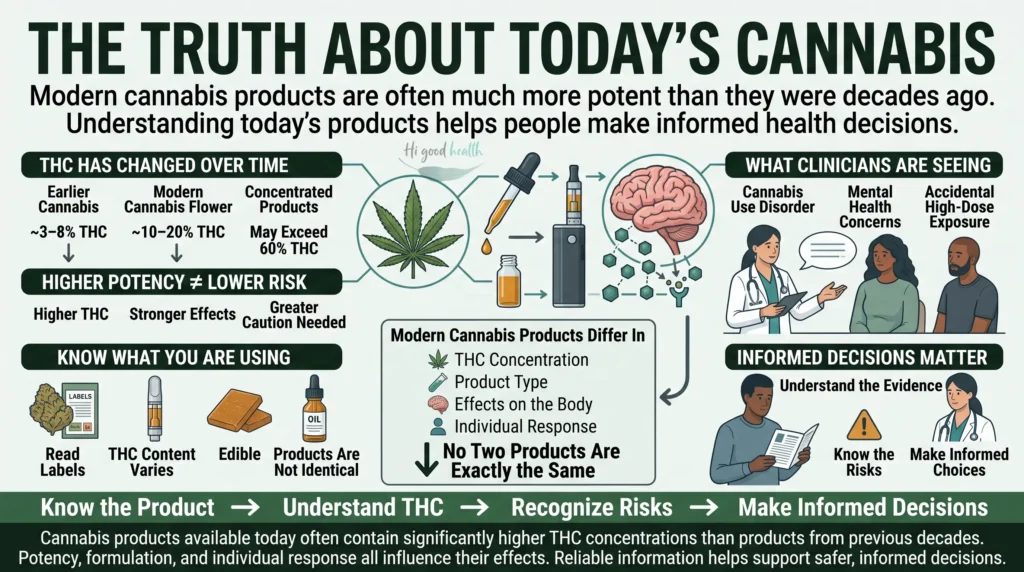
The Truth About Today’s Cannabis
Here’s something most people don’t realize:
Modern cannabis is not the same as it was decades ago.
Average THC (tetrahydrocannabinol) levels in cannabis products have increased over time:
- Earlier cannabis: ~3–8% THC
- Many current cannabis flowers: ~10–20% THC
- Concentrated products (e.g., oils, vapes): may exceed 60% THC
Doctors are seeing alarming patterns: 30-year-olds with cannabis use disorder who don’t realize they’re addicted, college students experiencing psychotic episodes, and parents vaping around kids thinking it’s harmless.
This guide shares what 2026 research actually reveals—no judgment, just facts to help you make informed decisions.
Cannabis Health Risks Nobody Talks About
YOUR BRAIN IS MORE VULNERABLE THAN YOU THINK
Research shows a link between cannabis use and certain mental health outcomes, particularly with frequent or high-potency use.
Curious how your gut affects your mood and mental health? Dive deeper here: Gut Feelings Are Real: The Science Behind Your Stomach and Mind
• Psychosis risk increases 4-5 times with high-THC products
• Cannabis users show 63-68% reduced brain activity during memory tasks
• Adolescents who use are 2-4 times more likely to experience psychosis
• Daily use before age 25 can permanently alter brain development
The Kaiser Permanente Study (2026) which followed nearly half a million individuals in the US to track the transition from cannabis use to psychiatric disorders. It found that adolescents who used cannabis in the past year were twice as likely to develop a psychotic disorder (like schizophrenia) or bipolar disorder compared to those who didn’t.
Effects of Cannabis on the Brain: The Monday Morning Fog
Of all the effects of cannabis on the brain, this is the one regular users notice first and explain away most readily — the sense of being a step slower for days after the high has worn off.
Ever wonder why you feel mentally sluggish 2-3 days after using? Unlike alcohol (which leaves your system in hours), THC stores in fat cells and slowly releases for days, creating a persistent “brain fog” that kills your sharpness at work, school, or important conversations. Some users—especially frequent users—may experience:
- Reduced concentration
- Slower reaction time
- Mild cognitive “fog” the following day
These effects vary widely depending on dose, frequency, and individual metabolism. This isn’t just feeling tired, it’s measurable cognitive impairment
YOUR HEART IS AT RISK TOO
Why Your Heart Races After Smoking (It’s Not Just Anxiety)
If you’ve ever felt your heart pounding after smoking and worried you were having a panic attack, here’s what’s actually happening: THC causes your blood vessels to expand (vasodilation), which drops your blood pressure. To compensate, your heart pumps faster, sometimes doubling its normal speed.
Research shows cannabis users are 6 times more likely to have a heart attack within an hour of use. This isn’t “just anxiety”, it’s your cardiovascular system under real stress. Your heart is running a marathon while you sit on the couch.
Additional cardiovascular risks include:
• Significantly increased blood pressure
• Irregular heartbeats (arrhythmias)
• Higher stroke risk in young users
The Addiction Most People Deny
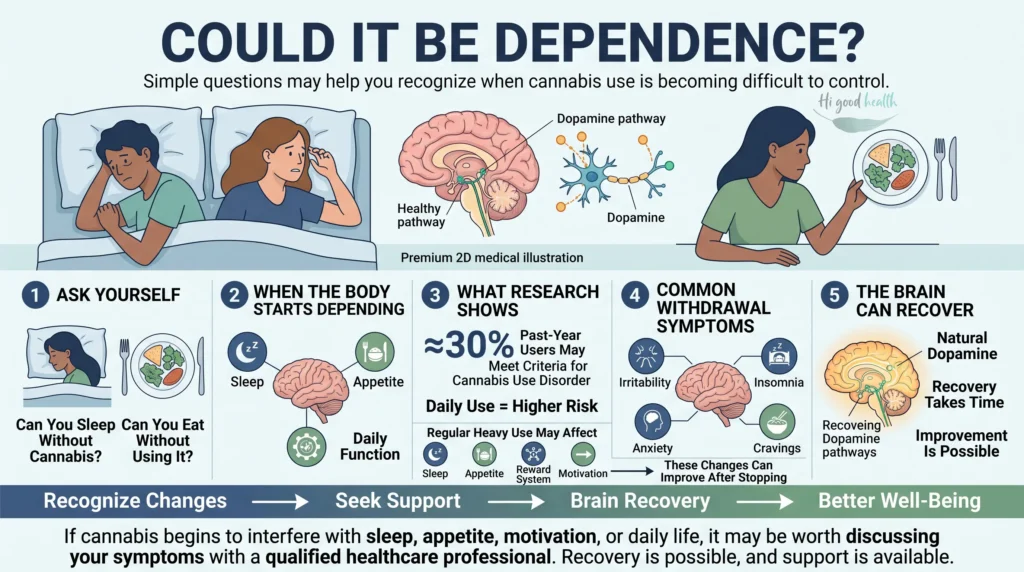
The “I Need It to Sleep/Eat” Test
Here’s a simple way to check if you’re dependent:
- Can you fall asleep without cannabis?
- Can you enjoy a meal without using it first?
- If you’re staring at the ceiling until 4 AM or food has no appeal unless you’re high, your body has forgotten how to perform basic survival functions on its own. That’s not preference, that’s dependency.
What the Current Data Shows
• 30.3% of past-year users meet criteria for cannabis use disorder
• Daily users face 25-50% addiction risk
• Withdrawal symptoms include irritability, insomnia, anxiety, and intense cravings
The “Motivation Killer”: When Nothing Feels Fun Anymore
Many regular users describe feeling bored or flat when not high. This is called anhedonia—your brain stops producing its own dopamine (the “reward chemical”) because it expects cannabis to deliver it. When you stop using, life feels grey and empty because your natural dopamine factory has shut down.
The good news? Your brain can recover. Most people report their natural pleasure response returns after about 30 days of abstinence.
The Hidden Dangers People Do Not Expect
“SCROMITING” & THE HOT SHOWER MYSTERY
If you’ve experienced uncontrollable vomiting after using cannabis—and found that only scalding hot showers provide relief—you’re likely dealing with Cannabis Hyperemesis Syndrome (CHS).
Here’s what’s happening. Your body has cannabinoid receptors in both the brain and the digestive tract. In CHS, the receptors in the gut, which regulate how fast your stomach empties become overstimulated. This disrupts the normal digestive process and sends repeated “vomit” signals to the brain that override the drug’s usual anti-nausea properties.
CHS can cause severe dehydration due to rapid loss of fluids. This can affect heart and kidney function.
Warning signs of CHS:
• Recurring nausea and vomiting cycles
• Relief only from hot baths/showers
• Symptoms improve when you stop using
• Years of regular cannabis use before symptoms start
WHY HOT SHOWER HELPS
- Not fully understood, but likely involves temperature-sensitive receptors (TRPV1) that modulate nausea pathways
- Heat may temporarily override or “distract” these signals
If you’re spending hours in hot showers to manage nausea, the cannabis is causing it—not helping it.
The Weed Shakes: Uncontrollable Tremors
Some users experience frightening full-body tremors or shaking after consuming cannabis, especially high doses. This happens because THC can lower body temperature and overwhelm your nervous system, causing what’s essentially a “system overload” in your motor control.
While usually temporary, these tremors indicate you’ve consumed more than your body can safely process.
Vaping Cannabis Is Not Risk Free
Many people switched to vaping thinking it’s healthier than smoking. Reality check: vaping cannabis oil is like inhaling superheated oil particles that coat your lungs differently than smoke.
Recent studies have found traces of lead, nickel, and chromium in the aerosol of common pod-type devices. High heat converts “safe” flavoring agents and thinning agents into formaldehyde and acrolein, a potent respiratory irritant used in chemical warfare during WWI.
About EVALI:
- Linked strongly to vitamin E acetate and contaminants in illicit products
- Caused lung injury, hospitalizations, and deaths
The EVALI outbreak (vaping-associated lung injury) hospitalized thousands and killed dozens. These weren’t just “bad vape pens”—they were chemical burns inside the lungs from inhaling aerosolized oils never meant for human lungs.
Research also shows vaping produces:
- Popcorn Lung (Bronchiolitis Obliterans): This is a permanent, irreversible scarring of the smallest airways (bronchioles).
- Chronic inflammation and weakened immune response to pneumonia or flu.
- Greater cognitive impairment than smoking at the same dose
- Higher blood THC concentrations
- Early research shows vaping triggers gene changes linked to cancer.
- A 2026 study in the journal Chest found that young adults who vape cannabis have 81% higher odds of experiencing a severe asthma attack compared to non-users.
Contamination: The Danger You Cannot See
Over 600 contaminants can lurk in cannabis products—pesticides, mold, heavy metals like arsenic, and bacteria. States typically regulate only 60-120 of them.
Particularly risky:
• Delta-8 THC products (unregulated, often synthetic)
• Gas station CBD
• Black market vapes
• Products without lab testing (COA)
Where Cannabis Does Have Medical Evidence
It’s important to separate medical fact from marketing hype.
FDA-APPROVED MEDICAL USES:
• Epidiolex (CBD): Certain severe childhood seizures
• Dronabinol/Nabilone: Chemotherapy-induced nausea and vomiting
EVIDENCE-SUPPORTED USES:
• Chronic neuropathic pain (comparable to opioids in some studies)
• Multiple sclerosis spasticity
• AIDS-related appetite loss
NOT PROVEN DESPITE MARKETING CLAIMS:
• Anxiety (often worsens symptoms long-term)
• Depression (may interfere with treatment)
• Insomnia (tolerance develops quickly)
• General “wellness” benefits
Medical Disclaimer
Do not self-prescribe or substitute cannabis for professional medical treatment. Because cannabis is a complex substance that affects the cardiovascular and central nervous systems, it can cause dangerous interactions with other medications.
Those interactions extend beyond the effects of cannabis on the brain: the drug can also affect heart rate, blood pressure and how quickly the liver clears other medicines.
If you believe medical cannabis may help your condition, you must consult a licensed healthcare provider to discuss a supervised treatment plan. Self-medicating for mental health or chronic illness can mask underlying issues and delay life-saving care.
12 Harm Reduction Strategies That Actually Work
If you’re using or considering cannabis, medical experts recommend these evidence-based guidelines:
1. Wait until after age 25 (when brain development completes)
2. Avoid high-potency products (anything over 15% THC)
3. Use less frequently (never daily)
4. Choose safer methods (avoid smoking/vaping when possible)
5. Never drive within 24 hours of use
6. Buy only from licensed, tested sources
7. Start with CBD-dominant products
8. Take regular tolerance breaks
9. Avoid if you/family have mental health history
Learn more about the growing impact of loneliness on senior mental health: Senior Loneliness: America’s $6.7 Billion Healthcare Crisis
10. Never use during pregnancy/breastfeeding
11. Don’t self-medicate anxiety or depression
12. Talk honestly with your doctor
Dangerous Drug Interactions Nobody Warns You About
Cannabis and Antidepressants: Why Your Meds Might Stop Working
If you’re taking medications like Lexapro, Zoloft, or other antidepressants while using cannabis, here’s what you need to know: Cannabis “hogs” the liver enzymes (specifically CYP450) that process most medications.
This means:
• Your psychiatric medications might not work properly
• Increased risk of side effects (e.g., drowsiness, dizziness, anxiety)
• Drug levels in your blood become unpredictable
Always tell your doctor and pharmacist about cannabis use—it affects how medications for depression, anxiety, seizures, blood thinners, and many other conditions work in your body.
Warning Signs You Have a Problem
Ask yourself honestly:
• Do I use more cannabis than I plan to?
• Have I tried to quit or cut back but couldn’t?
• Do I spend significant time/money obtaining and using?
• Has my use caused problems at work, school, or home?
• Do I feel irritable or anxious when I can’t use?
• Have I given up activities I used to enjoy?
• Do I continue using despite health problems?
If you answered YES to 2+ questions, you likely meet criteria for cannabis use disorder.
Effective treatments include:
• Cognitive Behavioral Therapy (CBT)
• Motivational Enhancement Therapy (MET)
• Support groups (Marijuana Anonymous, SMART Recovery)
• Medical counseling
When to Get Help Immediately
CALL 911 OR GO TO THE ER IF EXPERIENCING:
• Chest pain or dangerously rapid heart rate
• Severe panic, paranoia, or hallucinations
• Uncontrollable vomiting (especially if you’re taking hot showers for relief)
• Suicidal thoughts
• Difficulty breathing
• Seizures or loss of consciousness
Managing Acute Overuse (Greening Out)
If someone is having an acute reaction (pale, dizzy, nauseous, anxious):
• Have them lie flat to get blood to the brain
• Give them something sugary (fruit juice, candy) to raise blood sugar
• Keep them hydrated with water
• Stay with them—don’t leave them alone
• Seek medical help if symptoms worsen or don’t improve within an hour
GET SUPPORT FOR ADDICTION:
• SAMHSA National Helpline: 1-800-662-HELP (4357) – Free, confidential, 24/7
• Marijuana Anonymous: https://marijuana-anonymous.org
• SMART Recovery: https://www.smartrecovery.org
• Crisis Text Line: Text HOME to 741741
TALKING TO YOUR DOCTOR
Only 27% of doctors recommend cannabis despite 69% believing it has medical uses. Most feel they lack knowledge to guide patients safely, creating a communication gap.
HOW TO START THE CONVERSATION:
“I’m using cannabis for specific reason. Can we discuss whether this is safe given my health history and current medications?”
WHAT TO BRING:
• Symptom diary
• Product information (THC/CBD content)
• Complete medication list
• Questions about interactions
Doctor-patient conversations are confidential. Healthcare providers need complete information to give proper advice and cannot report legal cannabis use.
Frequently Asked Questions
Key Takeaways
- Potency is the story. Today’s cannabis is far stronger than the drug older users remember, and concentrates stronger again — so past experience is a poor guide to current risk.
- The clearest effects of cannabis on the brain are impaired short-term memory and attention, and these can linger for days after the high has gone.
- Age at first use matters more than almost anything else. The adolescent brain is still developing, and early regular use carries the strongest associations with lasting harm.
- High-potency and frequent use is linked to a substantially raised risk of psychosis, particularly where there is a family history.
- Dependence is common and commonly denied — around one in ten users, and considerably higher among daily users and those who started young.
- Vaping is not a safe alternative, and unregulated products carry contamination risks you cannot see, taste or smell.
- Cannabis interacts with common prescription medicines, including blood thinners and some psychiatric drugs. Tell your doctor you use it — they need to know, and they are not there to judge.
How long does cannabis stay in my system?
Detection times vary by usage frequency. For single use, it stays 1–3 days; for moderate use, 5–7 days. Heavy daily use can remain detectable for 10–30+ days as THC builds up in the body.
Why does my heart race after using cannabis?
It isn’t just anxiety. THC expands blood vessels, dropping blood pressure. Your heart pumps faster to compensate, sometimes doubling its speed. Users are 6 times more likely to have a heart attack shortly after use .
Is vaping cannabis safer than smoking?
Not necessarily. Vaping inhales superheated oils that can cause chemical lung burns. It often delivers higher THC concentrations than smoking, leading to greater cognitive impairment and potential lung injury.
Can cannabis trigger mental illness?
Yes, especially with high-potency products. Research indicates high-THC cannabis increases the risk of psychosis 4–5 times. Adolescents are 2–4 times more likely to experience psychotic episodes compared to non-users.
What is “Scromiting” (CHS) and why do hot showers help?
If you have uncontrollable vomiting relieved only by hot showers, it may be Cannabis Hyperemesis Syndrome (CHS). Long-term use damages stomach nerves, and hot water temporarily distracts the nervous system to provide relief.
Does cannabis interact with antidepressants?
Yes. Cannabis “hogs” the liver enzymes needed to process medications like Zoloft or Lexapro. This can prevent your meds from working, cause unpredictable blood levels, or trigger unexpected side effects .
How do I know if I am addicted?
Try the “sleep/eat” test: Can you sleep or enjoy food without using? If not, your body is dependent. Approximately 30% of past-year users meet the criteria for cannabis use disorder .
Can I drive after using cannabis?
No. Driving under the influence doubles your crash risk. Impairment typically lasts 3–4 hours for smoking and 6–8 hours for edibles, though some effects can linger for up to 24 hours.
Why is modern cannabis so much stronger?
Selective breeding has drastically changed potency. While 1990s weed had ~4% THC, today’s concentrates can reach 90%. This intensity overwhelms the body, making it harder to process safely.
Can I use cannabis while pregnant?
No. Medical organizations strongly advise against it. THC crosses the placenta to the fetus and also passes into breast milk, which can pose risks to the baby’s development.
What are the effects of cannabis on the brain?
The best-evidenced effects are impaired short-term memory, attention and reaction time during use, with some of that impairment persisting for days in regular users. In adolescents, whose brains are still developing, regular use is associated with longer-lasting changes in learning and memory. Heavy or high-potency use is also linked to a raised risk of psychosis, particularly where there is a family history.
Does cannabis damage the teenage brain more than the adult brain?
The evidence points that way. The brain continues developing into the mid-twenties, and studies consistently find stronger and more persistent effects in people who begin regular use in adolescence than in those who start as adults. Age at first use is one of the strongest predictors of long-term harm.
Do the cognitive effects go away if I stop?
Largely, yes, for most adults. Attention and memory typically improve over weeks of abstinence, though the timeline is longer for heavy long-term users. Recovery appears less complete in people who began in early adolescence. If cognitive problems persist well after stopping, that is worth a medical assessment rather than assumption.
The Bottom Line
Cannabis decisions require honest self-assessment, accurate information, and medical guidance. Whether you choose to use, reduce, or avoid it entirely, make sure your decision is informed and intentional.
Remember: You can always change course. If cannabis isn’t serving your health, you have the power to quit or cut back. Your wellbeing matters more than any substance.
Take Action Today
✓ Share this with someone who needs this information
✓ Talk to your doctor honestly about your use
✓ Subscribe for evidence-based health insights
✓ Explore our other articles on mental health and addiction
✓ Comment below—what surprised you most?
Our mission: Provide clean, credible health information in simple language. We bust myths, encourage healthy living, and empower you with knowledge to make informed health decisions.
Medical Disclaimer
This is educational information only, not medical advice. Always consult qualified healthcare providers regarding cannabis use, medical conditions, or treatment. Individual situations vary—what’s safe for one person may not be for another.
If experiencing a medical emergency, call 911 immediately.
References
1. National Institute on Drug Abuse (NIDA): https://nida.nih.gov
2. SAMHSA: https://www.samhsa.gov
3. Di Forti, M., et al. (2019). The Lancet Psychiatry, 6(5), 427-436
4. Fischer, B., et al. (2017) Lower-Risk Cannabis Use Guidelines: A Comprehensive Update of Evidence and Recommendations. American Journal of Public Health, 107(8)
5. American College of Obstetricians and Gynecologists: https://www.acog.org
6. CDC Cannabis Information: https://www.cdc.gov/marijuana
8. E-Cigarette or Vaping Product Use-Associated Lung Injury: A Comprehensive Review
9. Brain Function Outcomes of Recent and Lifetime Cannabis Use
10. Kaiser Permanente Study (2026) – Adolescent Cannabis Use and Risk of Psychotic, Bipolar, Depressive, and Anxiety Disorders
