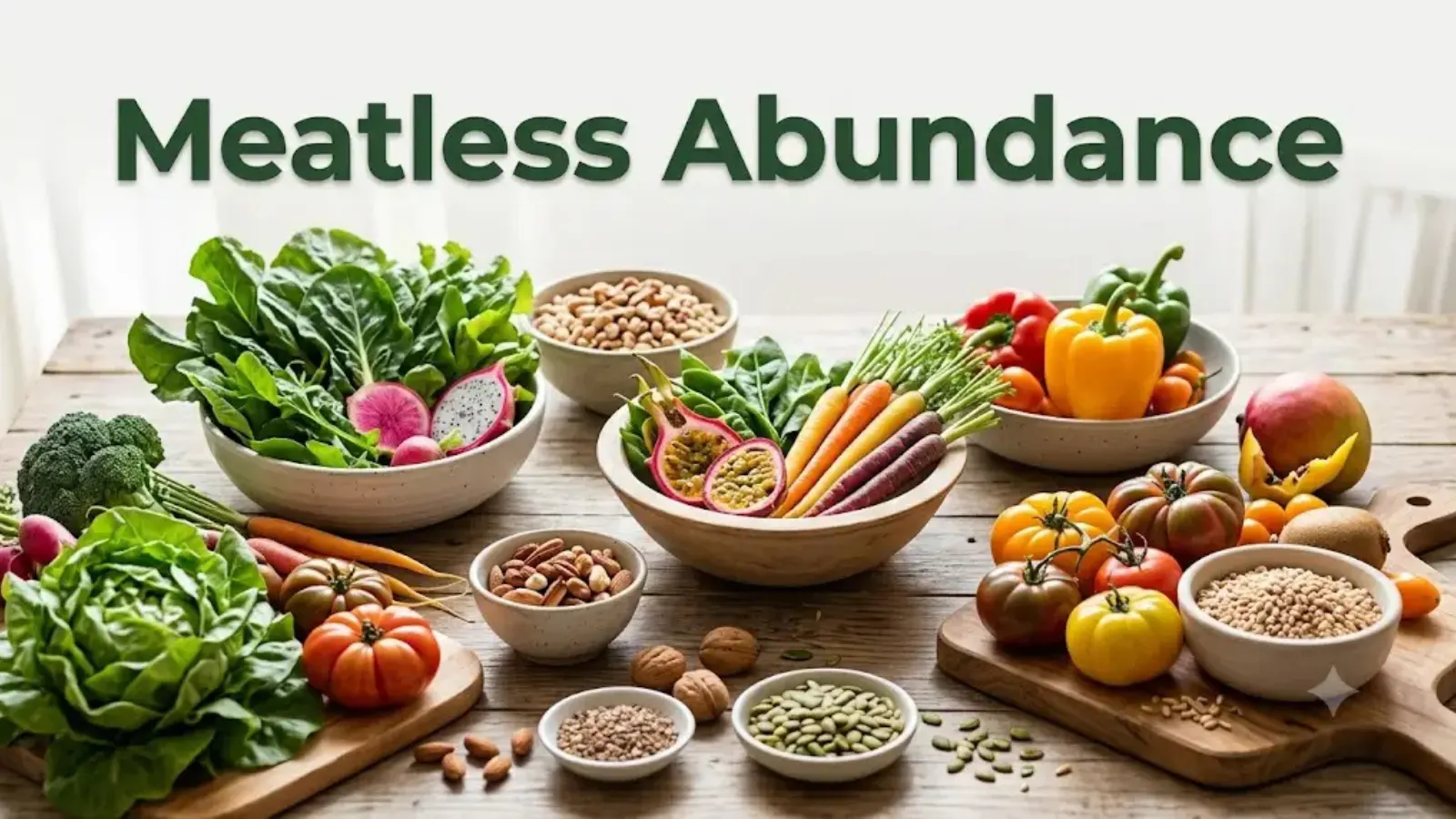
As a matter of fact, the big question today is whether our planet can really handle more and more people eating the way we do now.
At a glance
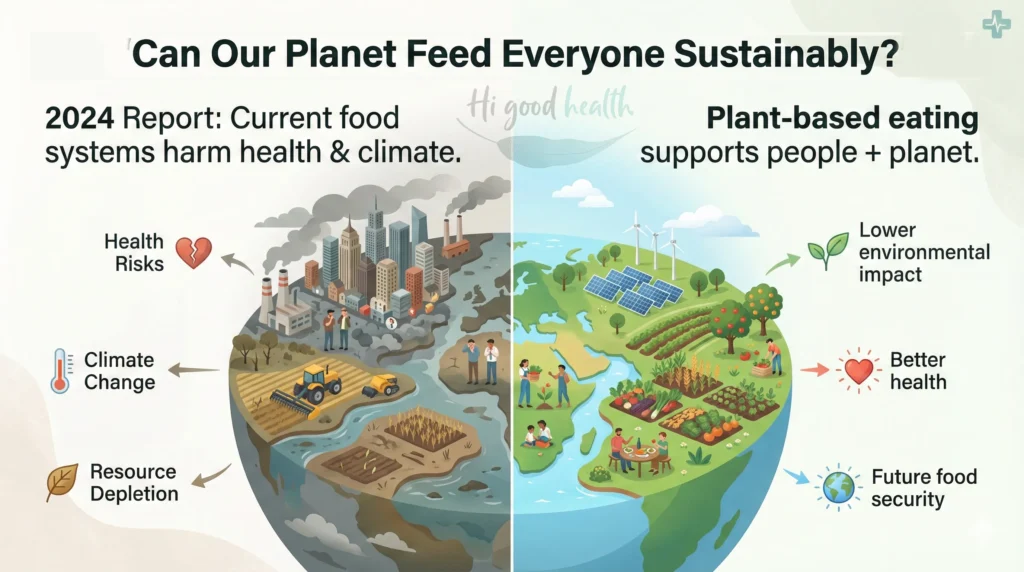
With more people needing food every day, a 2024 report from the Food System Economics Commission warned us that our current food systems are hurting our health, the planet, and even making climate change worse.
This increasing demand and adapted modernization further increases the demand for sustainable and healthier practices,
That brings us to an important point, could eating more plant-based food help feed everyone in a better, safer way? Since plant based sources result in prolonged and ecofriendly adaptations All signs point to yes. In fact, it might be the smartest and most doable option we have right now
Protein is the objection everyone raises and the easiest one to answer. Lentils, chickpeas, tofu, tempeh, seitan and edamame all deliver 15 to 31 grams a serving, and most adults need only about 0.8 grams per kilogram of body weight a day.
The plant based protein sources are there; the technique is building the meal around one of them instead of treating protein as an afterthought.
The nutrient that actually needs attention is vitamin B12, which is not reliably present in any unfortified plant food. Vitamin D, omega-3 EPA and DHA, iron, zinc, iodine and calcium need thought rather than worry. Everything else takes care of itself on a varied diet.
On the meat side, the evidence is much stronger against processed meat than against red meat itself — and the land-use and emissions case for eating fewer animal products is stronger still. This article covers both the personal question and the planetary one.
Can a Plant-Based Diet Provide All Necessary Nutrients for Everyone?
One big worry people have is whether you can get all the nutrients you need without eating meat or fish. But science keeps showing that if you plan it balanced with considering all the parameters, vegetarian and vegan diets can work well for people of all ages.
- Simple Nutrition: Eating lots of fruits, veggies, grains, beans, nuts, and seeds gives your body the vitamins, minerals, fiber, and other good stuff it needs.
- Plenty of Protein: Foods like lentils, beans, tofu, quinoa, and nuts have enough protein to keep you strong and healthy every day. Soy is one example of a complete protein.
- What About Vitamins and Micronutrients: A few nutrients — vitamin B12, vitamin D and omega-3 — are harder to get from plants alone. Fortified foods or a simple supplement cover them.
Iodine intake can be low if iodized salt or iodine-rich foods are not consumed.Some minerals such as iron, zinc, and calcium are available from plants, but their absorption may be bit lower. Proper food choices and meal planning can help meet requirements.
- Lower Risk of Diseases: People who eat mostly plant foods often have a lower risk of type 2 diabetes, heart disease, some cancers and high blood pressure. The benefits likely come from several lifestyle and dietary factors together, rather than from simply avoiding meat.
- Happy Gut: Plant foods are high in fiber, which keeps digestion working and feeds the gut bacteria that matter for everything from immunity to mood.
Plant Based Protein Sources: Where to Get Protein Without Meat or Fish
Protein is the first objection almost everyone raises, and it is the easiest to answer. Most adults need roughly 0.8 grams of protein per kilogram of body weight a day — about 55 grams for a 70 kg person.
Older adults and anyone doing regular resistance training do better at 1.0 to 1.2 grams per kilogram.
Plant foods reach those numbers comfortably once you stop looking for a single protein centerpiece and start counting what is already in the meal.
| Plant based protein source | Typical serving | Protein |
|---|---|---|
| Tempeh | 1 cup | 31 g |
| Seitan | 100 g | 25 g |
| Tofu, firm | 1 cup | 20 g |
| Lentils, cooked | 1 cup | 18 g |
| Edamame | 1 cup | 18 g |
| Chickpeas, cooked | 1 cup | 15 g |
| Black beans, cooked | 1 cup | 15 g |
| Hemp seeds | 3 tbsp | 10 g |
| Quinoa, cooked | 1 cup | 8 g |
| Peanut butter | 2 tbsp | 8 g |
| Soy milk | 1 cup | 7 g |
| Almonds | 1/4 cup | 7 g |
| Oats, dry | 1/2 cup | 5 g |
The “complete protein” question is mostly settled and widely misunderstood. Soy, quinoa, buckwheat, hemp and amaranth contain all nine essential amino acids on their own.
Most other plant foods are slightly short in one or two — grains in lysine, legumes in methionine — which is exactly why beans with rice, hummus with bread and peanut butter on toast are traditional pairings across so many cuisines.
You do not need to combine them in the same meal. The body maintains a pool of amino acids and draws on it across the day, so a varied diet over 24 hours does the job. The older advice about carefully pairing proteins at every sitting has been retired.
The highest plant protein sources by density are the soy foods — tempeh, tofu, edamame and soy milk — followed by seitan, which is close to pure wheat protein and therefore unsuitable for anyone with celiac disease or gluten sensitivity, and then the legumes. Build each meal around one of those and the daily total takes care of itself.
Is a Vegan Diet Healthy? What the Evidence Shows
Yes, with planning — and the qualification is the whole answer. Major dietetic bodies, including the Academy of Nutrition and Dietetics, have concluded that appropriately planned vegetarian and vegan diets are nutritionally adequate at every stage of life, including pregnancy, lactation, infancy, childhood and athletic training.
On the benefit side, people eating predominantly plant-based diets tend to show lower LDL cholesterol, lower blood pressure, lower body weight, lower rates of type 2 diabetes and reduced risk of ischemic heart disease.
Some of that comes from what is absent and some from what is present — plant diets are typically much higher in fiber, which almost no one eating a Western diet gets enough of.
The nutrients that need attention:
- Vitamin B12 — the one non-negotiable. It is not reliably present in any unfortified plant food. Deficiency develops slowly over years, and the neurological damage it causes can be permanent. Fortified foods or a supplement, not a matter of preference.
- Vitamin D — an issue for most people in northern latitudes regardless of diet, and worth testing rather than guessing.
- Omega-3 EPA and DHA — flax, chia and walnuts supply ALA, but the body converts only a small fraction of it. An algae-derived supplement is the direct route, and it is the same source the fish get it from.
- Iron and zinc — present in legumes, seeds and whole grains, but absorbed less efficiently than from meat. Vitamin C alongside the meal improves iron absorption; tea and coffee with the meal reduce it.
- Calcium and iodine — straightforward with fortified plant milks and iodized salt, and easy to miss without them.
Where a plant-based diet actually goes wrong is rarely protein. It is a diet built on ultra-processed convenience food — meat analogues, snacks and desserts that happen to contain no animal products but are high in sodium, refined starch and saturated fat. “Plant-based” on a label describes what is absent, not whether the food is good for you.
Why Is Red Meat Bad for You? What the Evidence Actually Says
The evidence is considerably stronger against processed meat than against unprocessed red meat, and keeping the two apart is the single most useful thing to understand here.
The World Health Organization’s International Agency for Research on Cancer classifies processed meat — bacon, ham, salami, hot dogs and most deli or lunch meat — as a Group 1 carcinogen, the same evidence category as tobacco smoke.
That category describes how confident the evidence is, not how large the risk is; the effect size is far smaller than for smoking. Unprocessed red meat sits in Group 2A, “probably carcinogenic to humans”.
The figure usually quoted is roughly an 18 percent higher relative risk of colorectal cancer for every 50 grams of processed meat eaten daily — about two rashers of bacon. On a low baseline risk, that is a modest absolute increase, but it applies to a food many people eat every day.
The mechanisms are reasonably well described: nitrites and nitrates used in curing form N-nitroso compounds in the gut; heme iron promotes the same process; high-temperature cooking creates heterocyclic amines and polycyclic aromatic hydrocarbons; and processed meats carry a heavy sodium and saturated fat load alongside all of that.
The practical reading: if you change one thing, change the processed meat rather than the Sunday roast. Deli meat, bacon and sausages are where the evidence is clearest. Modest amounts of unprocessed red meat produce a much weaker signal, and the studies behind it are harder to separate from the rest of the diet and lifestyle they come with.
Is There Enough Land to Feed Everyone on a Plant-Based Diet?
Effective land use is a central issue in global food security. Modern agriculture, most of which is animal agriculture, is incredibly wasteful in terms of percentage of resources that actually result in food for human consumption.
- Massive land savings: If everyone went plant-based, agriculture would occupy only a fraction of our current land use, potentially slashing global land use by 75% and freeing huge amounts of land for reforestation, biodiversity and other sustainable uses. This is because far more space is needed to produce protein from meat, and especially from beef, than from cereals or legumes.
- Inefficient Conversion: Livestock agriculture requires a large amount of land for grazing and to grow feed crops like soy and corn, both of which could be fed directly to humans.
- Deforestation: Animal agriculture, especially cattle ranching, is one of the leading causes of deforestation in the world, particularly in places like the Amazon. Switching to a plant-based diet can stave off much of this environmental destruction.
- Resource Utilization: When people only eat plants, the food supply is not wasted at such a high rate like when plants are fed to animals to produce meat making the system much efficient.
- Feeding More People: Studies show that the world’s food system could feed more of us — up to 10 billion of us (the population by 2050) at our current rates of production, if all the food we grew was diverted from animals fed to people and if we sharply cut other waste.
What is the Environmental Impact of Shifting to a Plant-Based Food System?
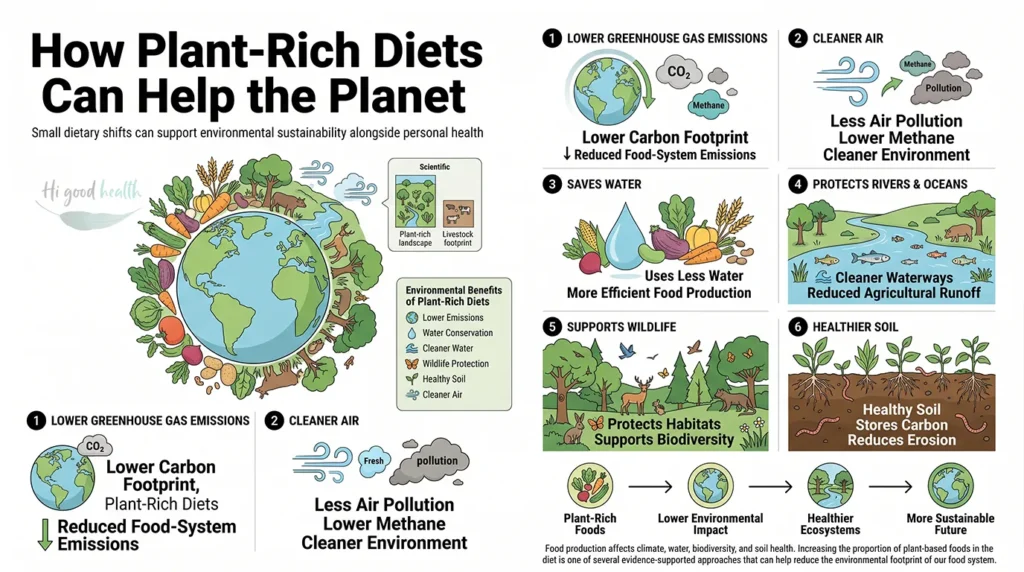
Sadly, the way we eat — particularly when it comes to meat — has an enormous effect on the planet. Animal raising is one of many serious environmental problems. Actually, going to a plant-based diet can fix a lot of that.
- Less greenhouse gas emissions- Food systems are responsible for roughly one-quarter to one-third of global greenhouse gas emissions, with animal agriculture contributing a substantial share. Shifting toward more plant-rich diets is widely recognized as one of several strategies that can help reduce the environmental footprint of food production.
- Fewer pollutants in the air: When we raise animals, they make a lot of gases that are bad for everyone, like methane from cows and gases from animal poop. One study in France found that vegetarianism creates nearly 50% less pollution than a meat-focused lifestyle.
To know more about vegetarian nutrition fundamentals, click here (Nutrition & Diet: A Beginners Guide to Vegetarianism)
- Saves Water: When we water the food we grow for animals and water the animals itself, it uses a lot of clean water. But cultivating Fruits, veggies, and grains uses way less.
- Cleaner Rivers and Oceans: Animal farms can leach waste and chemicals into rivers and oceans, and fish and plants die as a result. Growing plants is notoriously easier on the water.
- Aids Wildlife: We tear down their homes and render land uninhabitable for wild animals just so that we can make room for animals we eat. The more plant-based foods we eat, the more land we can save and the more animals we can protect.
- Healthier Soil: Grow plants properly and your soil will be nutrient rich and utterly healthy. It is also a carbon sink and prevents the soil from washing away.
Can a Plant-Based System Address Global Food Security Challenges?
Substantially, food security is not just about growing enough food—it’s also about making sure people can get it and that it’s shared fairly. A plant-based way of eating can help solve a lot of these problems.
However, the success of a global plant-based food system would also depend on sustainable farming practices, reducing food waste, improving food distribution, and ensuring access to nutritionally balanced diets. Thus, the challenge is not only the amount of available land but also how efficiently and equitably it is used.
- Stronger Food Systems: Relying on different kinds of plant-based proteins can make our food supply more stable. It helps protect us from things like extreme weather, diseases, and price spikes. Growing a wider variety of crops, especially legumes and other resilient plants, can help food systems better withstand droughts, extreme weather, and changing climate conditions.
To know more about protein needs for healthy aging, click here (Senior Nutrition in 2026: Protein, Supplements & Plant-Based Diets)
- New Jobs and Ideas: The plant-based food world is growing fast. It’s opening doors for new jobs, better farming methods, and cool inventions like plant-based meats and indoor farming.
- Uses Less to Make More: Plant-based farming needs less land, water, and energy. That means we can grow more food even in places that do not have a lot of natural resources.
- Fighting Hunger: Even though we grow enough food globally, many people still go hungry. A fairer, plant-focused system could help fix that by using resources smarter and making food more available to everyone.
- Affordable Nutrition: Staple plant foods such as beans, lentils, peas, and whole grains are among the world’s most affordable sources of protein and can help make healthy diets more accessible.
Key Takeaways: A Call to a Plant-Powered Future
The dream of a more sustainable and fair food system doesn’t exist in the abstract; it’s an urgent need. The weight of evidence overwhelmingly supports a future in which we can not only exist, but really prosper as a species, on a diet that is largely, if not entirely, devoid of meat and fish.
We have the understanding, the capabilities, and the increasing technology to make that transition happen.
The question is no longer “Can we live on this planet without meat and fish?” but “How fast can we lock arms around the rich promise of a plant-powered future for everyone’s benefit?”
By selecting plant-based, we are all personally and collectively part of a better world and a better future. The potential to form that future rests in our shared dietary decisions.
To summarize
Enough land exists: Current research indicates that the Earth has sufficient agricultural land to feed the global population on a well-planned plant-based diet.
More land-efficient: Plant-based foods generally require less land than animal-based foods because they avoid the resource losses associated with livestock production.
Reduced environmental impact: A shift toward plant-based diets could reduce deforestation, conserve biodiversity, and lower greenhouse gas emissions.
Better resource use: Land currently used for livestock grazing and animal feed production could be redirected to grow food for direct human consumption.
Beyond land availability: Achieving global food security also requires sustainable farming, reduced food waste, efficient food distribution, and nutritionally balanced diets.
What Are the Challenges of a Global Shift to Plant-Based Diets?
Not One-Size-Fits-All: Dietary recommendations should consider cultural traditions, local food availability, and individual nutritional needs.
Choose Whole Foods: A healthy plant-based diet emphasizes vegetables, fruits, legumes, whole grains, nuts, and seeds rather than relying heavily on ultra-processed vegan foods, which may still be high in salt, sugar, or unhealthy fats.
Frequently Asked Questions
Can I really get enough protein without eating meat or fish?
Yes, you can. Foods like lentils, beans, tofu, quinoa, and nuts contain plenty of protein to keep you strong and healthy every day. While many people worry about this, science consistently shows that vegetarian and vegan diets work well for people of all ages when planned correctly.
What vitamins might I miss on a plant-based diet?
Most nutrients—like vitamins, minerals, and fiber—are abundant in fruits, veggies, grains, and seeds. However, getting Vitamin B12, Vitamin D, and omega-3s can be a little tricky from plants alone. You can easily manage this by eating fortified foods or taking simple supplements if needed.
To know more about essential proteins for vegetarians, click here (How to Get All Your Essential Nutrients on a Vegetarian Plan)
Is switching to a plant-based diet actually better for the environment?
Absolutely. Animal agriculture is a leading cause of deforestation and creates significant pollution. In fact, one study found that vegetarianism creates nearly 50% less pollution than a meat-focused lifestyle.
Also Vegan diets result in 75% less climate-heating emissions, water pollution, and land use than high-meat diets. Switching to plant-based foods is one of the smartest, most doable ways to stop this environmental destruction.
Will we run out of food if everyone stops eating meat?
Actually, the opposite is true. Feeding crops to animals to produce meat wastes a large portion of the food supply. If we fed those crops directly to humans, our current food system could feed up to 10 billion people—enough for the projected population in 2050.
Does a plant-based diet really save water?
Yes, it saves a significant amount. Animal agriculture uses huge amounts of water to hydrate animals and grow their feed. In contrast, cultivating fruits, vegetables, and grains uses way less water, making it notoriously easier on our water resources.
Can eating this way help prevent diseases?
The evidence suggests yes. People who eat mostly plant-based foods often have a lower risk of serious health issues like diabetes, heart problems, high blood pressure, and some cancers. Additionally, the high fiber content in plant foods helps keep your gut healthy and working properly.
Is there enough land to grow plants for everyone?
Yes. Raising animals for food requires massive amounts of land for grazing and growing feed crops like soy and corn. If everyone went plant-based, we could slash global land use by 75%, freeing up huge amounts of space for reforestation and wildlife.
Are All Plant-Based Foods Equally Healthy?
No. The greatest health benefits come from diets centered on whole or minimally processed plant foods, including vegetables, fruits, legumes, whole grains, nuts, and seeds. Some ultra-processed plant-based foods, such as certain meat alternatives, snacks, and desserts, can still be high in sodium, added sugars, or saturated fats and should be consumed in moderation.
What are the best plant based protein sources?
By density, the soy foods lead: tempeh at about 31 g a cup, tofu at 20 g and edamame at 18 g. Seitan is close to pure wheat protein at about 25 g per 100 g, though it is unsuitable for anyone with celiac disease. Then come the legumes, with lentils at 18 g a cup and chickpeas and black beans at about 15 g. Hemp seeds, quinoa, peanut butter, soy milk, almonds and oats fill in the rest. Most adults need around 0.8 g of protein per kilogram of body weight a day, which a diet built around those foods reaches without effort.
Is a vegan diet healthy for everyone?
Appropriately planned vegan diets are considered nutritionally adequate at every stage of life, including pregnancy, infancy and athletic training, by major dietetic bodies including the Academy of Nutrition and Dietetics. The planning is the important part. Vitamin B12 must come from fortified foods or a supplement because no unfortified plant food supplies it reliably, and vitamin D, omega-3 EPA and DHA, iron, zinc, calcium and iodine all need some thought. Anyone pregnant, feeding an infant, or managing a chronic condition should plan the diet with a dietitian rather than improvise it.
Why is red meat bad for you, and is deli meat worse?
Deli meat is the clearer problem. The International Agency for Research on Cancer classifies processed meat, which includes bacon, ham, salami, hot dogs and most lunch meat, as a Group 1 carcinogen, while unprocessed red meat sits in the weaker Group 2A category. The often-quoted figure is about an 18 percent higher relative risk of colorectal cancer per 50 g of processed meat eaten daily. The mechanisms involve nitrites forming N-nitroso compounds in the gut, heme iron, and compounds formed by high-temperature cooking. If you change one thing, change the processed meat rather than the occasional roast.
What happens when you stop eating meat?
In the first few weeks most people notice digestive changes as fiber intake rises sharply, which settles as the gut bacteria adjust. Over months, the measurable changes reported in studies are lower LDL cholesterol, lower blood pressure and often some weight loss, though that depends heavily on what replaces the meat. The risks appear over years rather than weeks, and they are nutritional rather than dramatic: vitamin B12 stores can take two to five years to run down, which is exactly why deficiency is easy to miss until it has done damage. Replacing meat with legumes, whole grains and vegetables produces a different outcome from replacing it with processed vegan convenience food.
Glossary
- Plant-based diet: An eating pattern focused mainly on foods from plants, such as fruits, vegetables, grains, legumes, nuts, and seeds.
- Vegetarian diet: A diet that avoids meat and fish but may include dairy products and eggs.
- Vegan diet: A diet that excludes all animal-derived foods, including meat, fish, dairy, and eggs.
- Legumes: Beans, lentils, and peas that provide protein, fiber, and key nutrients.
- Protein: A nutrient needed for muscle repair, growth, and many body functions, which can come from foods like lentils, beans, tofu, quinoa, nuts, and soy.
- Complete protein: A protein source that contains all essential amino acids; soy is one example.
- Vitamin B12: A vitamin that can be harder to get from plant foods alone and may need to come from fortified foods or supplements.
- Omega-3 fatty acids: Essential fats important for body and brain function that may require planning in plant-based diets.
- Fiber: A component of plant foods that supports digestion and gut health.
- Food security: Reliable access to enough safe and nutritious food for everyone.
- Land use: The amount of land required to produce food.
- Livestock agriculture: Raising animals for food, often with high land, water, and feed demands.
- Deforestation: The clearing of forests, often linked to agricultural expansion.
- Greenhouse gas emissions: Gases that trap heat in the atmosphere and contribute to climate change.
- Sustainable farming: Farming methods that protect resources and support long-term food production.
References
- Food System Economics Commission (2024). Report on the urgent need for a transformation of current food systems. https://foodsystemeconomics.org/policy/global-policy-report/
- Berners-Lee, M. et al. (2018). Current global food production is sufficient to provide enough food for the projected global population of 9.7 billion in 2050 with a vegan (but not vegetarian) diet. Environmental Research Letters. https://consensus.app/home/blog/would-it-be-possible-to-feed-the-world-if-everyone-was-vegetarian/
- The Good Food Institute (2023). Plant-based meat manufacturing capacity and pathways for expansion. https://gfi.org/resource/plant-based-meat-manufacturing-capacity-and-pathways-for-expansion/
- MDPI (2024). Reducing Agricultural Land Use Through Plant-Based Diets: A Case Study of Romania. https://www.mdpi.com/2072-6643/17/1/175
- Everyday Health (2023). 9 Scientific Benefits of Following a Plant-Based Diet. https://www.everydayhealth.com/diet-nutrition/scientific-benefits-following-plant-based-diet/
