About this series. Reverse Ageing is a ten-part series on what ageing science can do today, what it cannot do yet, and what longer, healthier lives would mean for work, money and family.
This is Part 5: what healthier, longer-lived parents would mean for the responsibilities of their adult children.
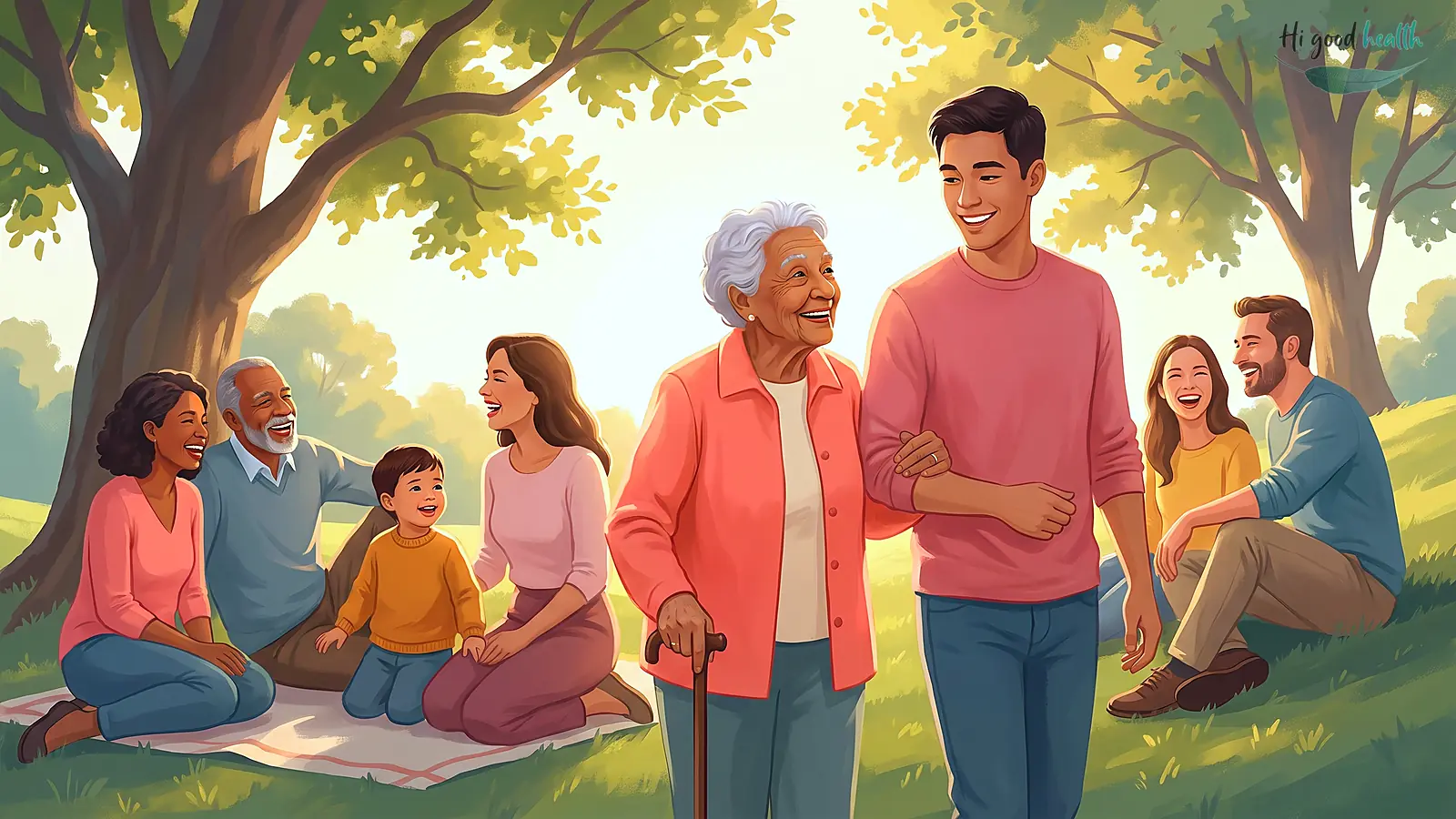
“Imagine your parents celebrating their 90th birthday—not from a hospital bed, but while planning their next holiday, mentoring their grandchildren, and living independently. Would that set you free, or simply postpone the responsibilities that come with ageing?”
For generations, growing older has followed a familiar family story. As children become adults, the roles gradually reverse. Parents who once provided care, guidance, and financial security eventually depend on their children for support. This transition has shaped family structures, career choices, financial planning, and even where people choose to live.
But what if that timeline changes?
Advances in healthcare, healthier lifestyles, and emerging longevity science are allowing more people to remain active and independent well into their seventies and eighties. Researchers now believe that future interventions could extend not only lifespan but also healthspan, the years spent free from major disability and chronic disease.
If today’s 70-year-olds resemble yesterday’s 60-year-olds, what might tomorrow’s 90-year-olds look like?
Could healthier ageing reduce the emotional and practical burden on adult children? Would people feel freer to pursue careers abroad, start businesses, or delay major life decisions without worrying about ageing parents?
Or would responsibility simply shift to a later stage of life?
The answers extend beyond biology. They touch the heart of family relationships, redefining how generations support, depend on, and learn from one another.
At a Glance
Healthy ageing may delay, but not eliminate, the caregiving responsibilities of adult children. The responsibility of caring for ageing parents is unlikely to disappear completely. It may instead begin later, change in nature or be shared differently among family members.
Across the world, millions of adults in the “sandwich generation” quietly balance careers, raising children, and caring for ageing parents. Compression of morbidity aims to reduce the proportion of life spent with illness or disability, but it is not guaranteed by longer life expectancy.
Older adults can continue contributing as mentors, caregivers, volunteers, and community leaders. Technology can support independent ageing but cannot replace emotional connection.
Why This Matters
Population ageing is often discussed in terms of healthcare costs and pension systems, but one of its greatest impacts is deeply personal.
Across the world, millions of adults quietly balance careers, raising children, and caring for ageing parents. This experience, often called the “sandwich generation,” has become increasingly common as life expectancy rises and family sizes become smaller.
Caregiving can be emotionally rewarding, but it is also associated with stress, financial strain, reduced career opportunities, and increased risks of anxiety and depression. Many adult children reduce working hours, relocate closer to parents, or postpone personal goals to provide care.
Adult children may move to other cities or countries for work while their ageing parents remain at home. Although caregiving may be shared among family members, the responsibility can fall disproportionately on women, including daughters and daughters-in-law.
Longer periods of independence could ease some of this pressure, although the benefits would depend on family circumstances, financial resources and access to healthcare.
If future generations remain healthier for longer, this entire life stage could look very different.
Rather than becoming caregivers in their forties or fifties, many people may spend those decades focusing on career growth, financial stability, travel, entrepreneurship, or raising their own families while their parents continue living independently.
The implications extend far beyond healthcare: they influence freedom, opportunity, and quality of life across multiple generations.
What the Science Says: Healthy Ageing Is Changing Family Dynamics
Modern longevity research increasingly focuses on maintaining functional independence rather than simply extending life.
Evidence suggests that regular physical activity, healthy nutrition, appropriate preventive healthcare, cognitive engagement, and strong social relationships can support healthy ageing and help older adults maintain functional abilities. While ageing cannot yet be stopped, the period of severe disability can often be delayed.
This concept is known as compression of morbidity, reducing the number of years spent living with illness or dependence.
However, compression of morbidity is not guaranteed simply because people live longer. Older adults may survive for more years while managing diabetes, cardiovascular disease, arthritis or cognitive impairment.
The key question is not just whether people reach 90, but how many of those years they remain able to make decisions, move safely and manage everyday activities independently. Emerging longevity interventions have not yet been shown to reliably achieve this outcome in humans.
If successful, compression of morbidity changes not only the lives of older adults but also those of their families.
Instead of requiring assistance with everyday activities throughout their seventies and eighties, healthier parents may remain self-sufficient until much later in life. Adult children may therefore experience fewer interruptions to their careers and personal ambitions during middle age.
Importantly, independence does not mean isolation.
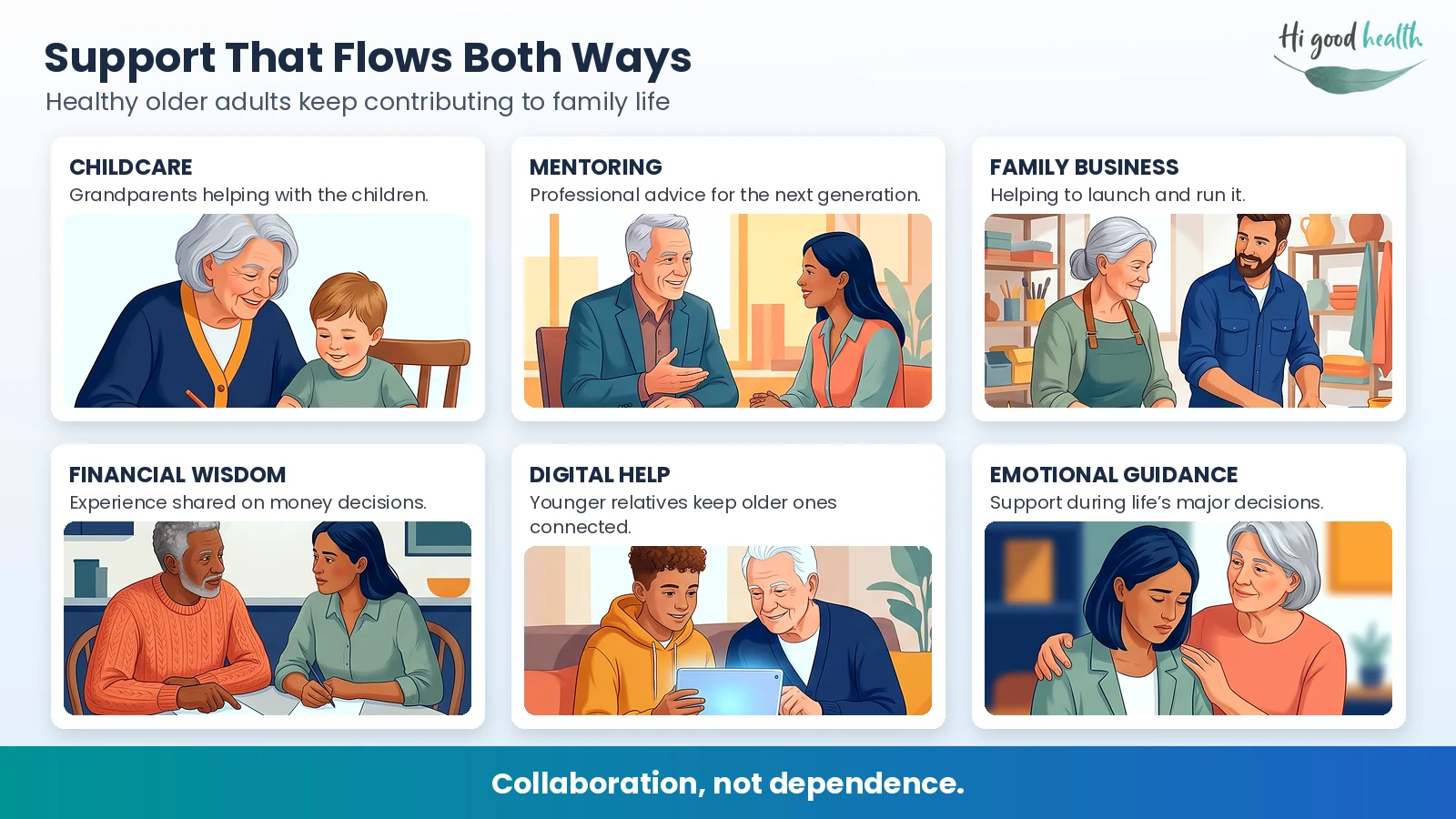
Many healthy older adults continue contributing actively to family life by helping with childcare, sharing financial wisdom, supporting family businesses, volunteering within communities, or providing emotional guidance during life’s major decisions.
Longevity, therefore, may strengthen intergenerational relationships rather than weaken them.
From Dependents to Collaborators
Traditional family models often assume that ageing parents gradually become recipients of care.
Future longevity could reshape this expectation.
Imagine grandparents who are physically fit enough to accompany grandchildren on hiking trips, assist with school activities, or even help launch family businesses.
Parents in their seventies or eighties may continue offering professional advice, mentoring younger generations, or participating in community leadership roles.
Rather than a one-way flow of support from children to parents, families could experience decades of mutual collaboration.
Knowledge, childcare, financial planning, emotional support, and practical assistance may move in both directions depending on circumstances.
This shift has important psychological implications.
Maintaining independence and social engagement is associated with better psychological wellbeing in older adults, although outcomes vary according to individual health and circumstances.
At the same time, adult children may feel less overwhelmed by caregiving responsibilities and more confident making long-term personal and professional decisions.
Healthy longevity has the potential to preserve dignity for parents while expanding opportunities for their children.
Will Children Feel Free to Chase Bigger Dreams?
One of the most profound effects of healthier ageing may be psychological rather than medical.
Many adults make major life decisions based on concern for ageing parents.
Some decline international career opportunities because they worry about being too far away. Others postpone entrepreneurship, avoid relocating, or choose flexible but lower-paying jobs to remain available for caregiving responsibilities.
If parents remain healthy and independent for longer, these decisions may become less constrained.
Adult children could pursue higher education abroad, accept international assignments, or build businesses without the constant fear that their parents will suddenly require full-time care.
Technology may further strengthen this flexibility. Telemedicine, wearable health monitors, smart home systems, and remote health monitoring allow families to remain connected even when living in different cities or countries.
However, freedom does not eliminate responsibility.
Emotional support, regular communication, and shared decision-making will remain central to healthy family relationships regardless of age.
The Reality Check: Responsibility Doesn’t Disappear—It Evolves
It is tempting to imagine that healthier ageing will completely eliminate the caregiving responsibilities of adult children. Unfortunately, reality is more nuanced.
Even if future generations remain physically healthier for longer, ageing will continue to bring new challenges. Chronic diseases may develop later rather than disappear entirely. Hearing and vision changes, reduced mobility, cognitive decline, and frailty may simply occur at older ages.
Healthy ageing will not be equally accessible to everyone. Income, nutrition, living conditions, access to preventive healthcare and opportunities for physical activity all influence how people age.
Some families may benefit from longer periods of independence, while others will continue to face substantial caregiving needs. Advances in longevity must therefore be accompanied by accessible healthcare, community support and affordable long-term care.
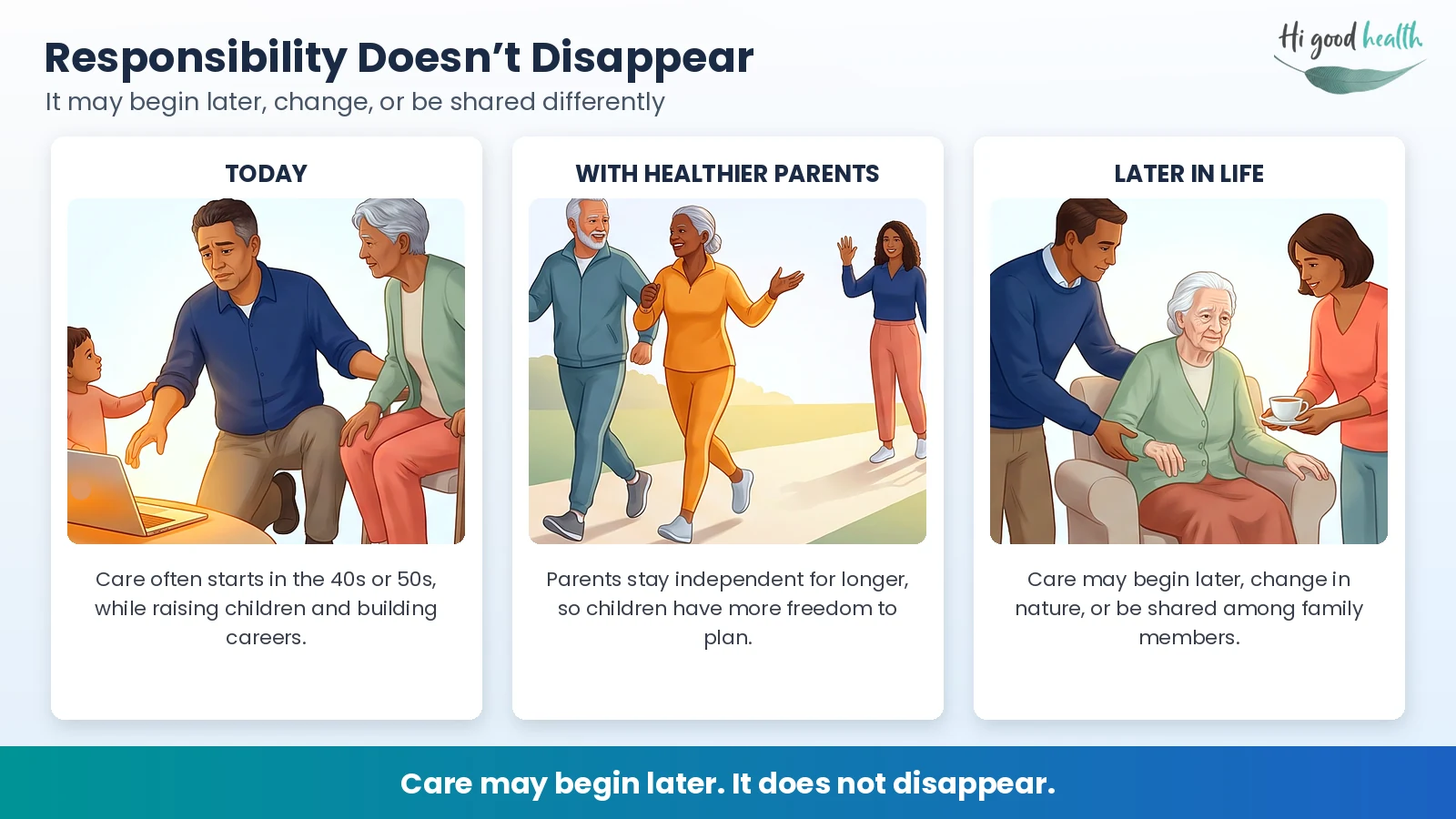
In other words, the responsibility of caring for ageing parents is unlikely to disappear completely. It may instead begin later, change in nature or be shared differently among family members.
This shift, however, could still have profound benefits.
Instead of assuming caregiving responsibilities during their forties or fifties, often while raising children and building careers, many adults may not encounter these challenges until much later, when they are financially secure, professionally established, and emotionally prepared.
Another important consideration is emotional dependence.
Healthy parents may remain physically independent while still relying on their children for companionship, important financial decisions, digital technology, healthcare choices, or emotional support. Longevity changes the nature of family relationships, but it does not eliminate the need for connection.
Families of the future may therefore spend fewer years providing intensive physical care and more years engaging in collaborative decision-making and mutual support.
The Rise of Four- and Five-Generation Families
Longer life expectancy is already transforming family structures.
However, longer life expectancy alone does not guarantee that four or five generations will coexist. This also depends on the ages at which people prefer to have children, survival across generations and family size. Such families may become more common in some communities, but their prevalence will vary across populations.
Where three-generation households were once common, future families may regularly include four or even five living generations.
Children could grow up knowing not only grandparents but also great-grandparents and, in some cases, great-great-grandparents.
This offers remarkable opportunities.
Older generations carry decades of experience, family history, cultural traditions, and practical wisdom. Their continued presence may strengthen children’s emotional development, identity, and resilience.
Grandparents may play larger roles in childcare, storytelling, financial education, and preserving family traditions. Likewise, younger generations can help older relatives stay connected with rapidly changing technology and digital communication.
This exchange creates relationships based on partnership rather than dependence.
Researchers increasingly recognise that meaningful intergenerational interaction benefits everyone involved. Older adults who remain socially engaged often experience better mental health, slower cognitive decline, and greater life satisfaction. Younger family members benefit from mentorship, emotional stability, and stronger social support.
Healthy longevity therefore has the potential to enrich families, not simply extend them.
Technology Will Support, Not Replace, Family Care
Advances in digital health are likely to transform how families care for ageing relatives.
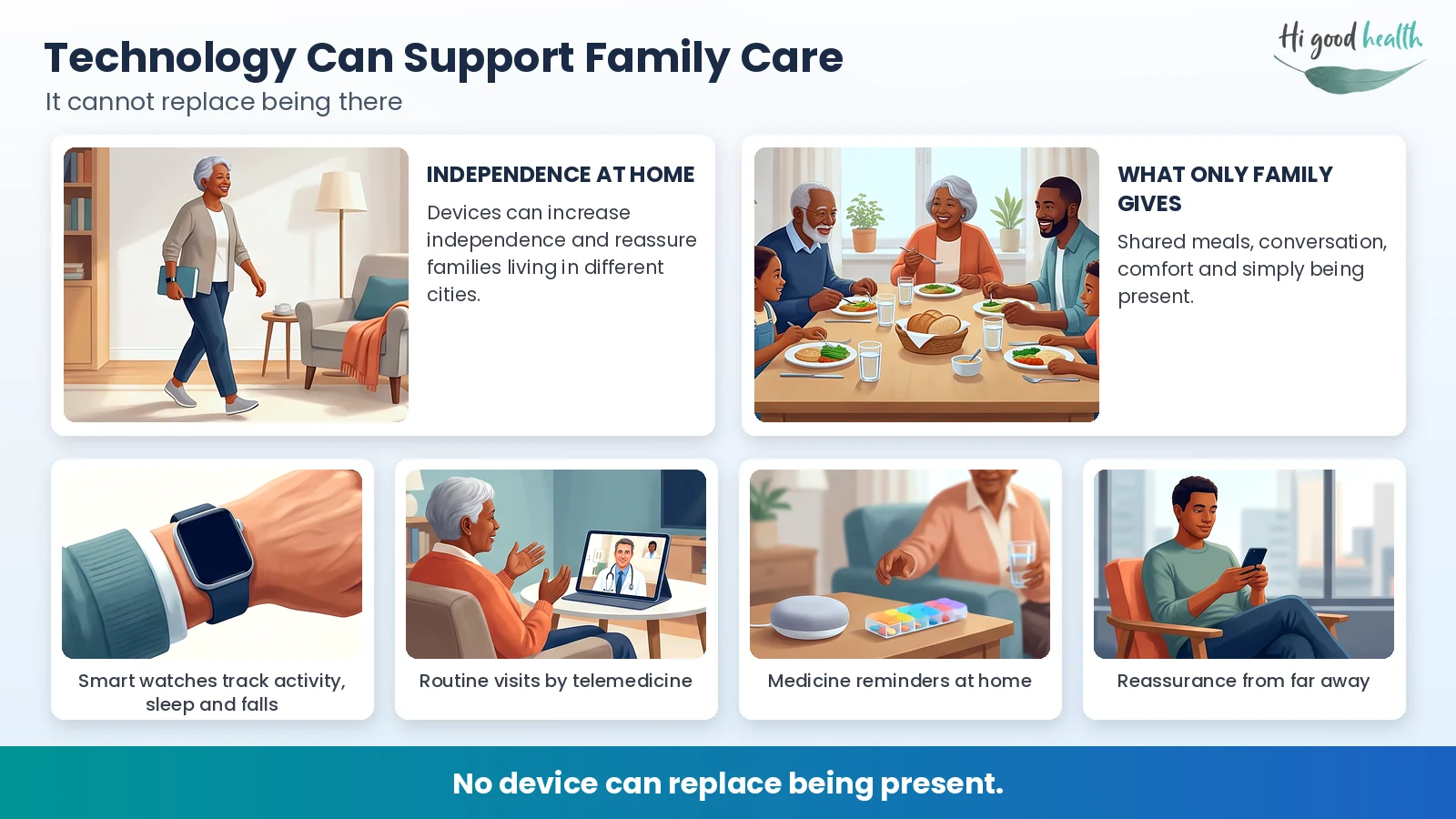
Smart watches can already monitor heart rate, physical activity, sleep quality, and fall detection. Smart home systems may remind older adults to take medications, detect emergencies, or automatically alert family members when unusual activity patterns occur.
Telemedicine allows routine medical consultations without travelling to hospitals, while wearable sensors enable physicians to monitor chronic conditions remotely.
Artificial intelligence may further assist by analysing health data and identifying early warning signs before serious problems develop.
These technologies can increase independence and provide reassurance for families living in different cities or countries.
However, technology cannot replace human relationships.
No device can substitute for shared meals, conversations, emotional comfort, or the reassurance of simply being present.
Healthy ageing depends not only on medical innovation but also on maintaining meaningful social connections throughout life.
What This Means for Society
If more people remain healthy into their eighties and nineties, society may begin to redefine what it means to grow old.
Older adults may increasingly serve as mentors, volunteers, educators, entrepreneurs, and community leaders rather than being viewed primarily as recipients of care.
Communities may benefit from retaining experienced professionals, grandparents may provide greater support for working families, and intergenerational collaboration could become a valuable social resource.
Governments may also need to rethink housing, transportation, urban planning, and healthcare services to support active ageing rather than focusing exclusively on institutional care.
At the same time, families will need to recognise that longevity is not simply about living longer.
It is about maintaining relationships that evolve with changing roles and responsibilities.
The future may not eliminate caregiving; it may transform it into something more balanced, collaborative, and emotionally fulfilling.
What You Can Do Today
Although many advances in longevity science are still emerging, families can already prepare for healthier ageing.
- Encourage preventive healthcare. Regular health check-ups, physical activity, balanced nutrition, and mental wellbeing benefit every generation.
- Maintain open conversations. Discuss future healthcare preferences, financial planning, and living arrangements before crises occur.
- Stay emotionally connected. Regular communication strengthens relationships long before caregiving becomes necessary.
- Support lifelong independence. Encourage older family members to remain socially active, physically engaged, and mentally stimulated.
- View ageing as a shared journey. Healthy families thrive through collaboration rather than dependence.
Preparing for longevity is not simply about adding years to life.
It is about strengthening relationships that make those years meaningful.
The Reverse Ageing Series
Ten articles on what longer, healthier lives would actually change.
- How Close Are We to Reversing Ageing in Humans? — the biology of ageing, and what has actually been reversed
- Will We Really Live to 100+ and Stay Young While Doing It? — lifespan, healthspan and what the evidence supports
- If Ageing Slows Down, Will Retirement Even Exist? — work, pensions and the hundred-year life
- Will Longer Lives Take Away Jobs from the Younger Generation? — work, promotion and the multigenerational workforce
- If Parents Stay Healthy Till 90, Will Children Feel Less Responsibility? — family, caregiving and the sandwich generation (you are here)
- Will We Have Two or Three Careers in One Lifetime?
- Can Science Really Make 80 the New 40?
- Who Will Benefit — Everyone, or Only the Wealthy?
- The Longevity Economy
- The Future of Being Human
Key Takeaways
Healthy ageing may delay, but not eliminate, the caregiving responsibilities of adult children. Compression of morbidity aims to reduce the proportion of life spent with illness or disability, but it is not guaranteed by longer life expectancy.
Future families may increasingly consist of four or even five living generations. Older adults can continue contributing as mentors, caregivers, volunteers, and community leaders.
Technology can support independent ageing but cannot replace emotional connection. The future of longevity is built on collaboration between generations rather than dependence.
Frequently Asked Questions
1. Will healthier ageing eliminate caregiving responsibilities?
No. Research suggests that caregiving responsibilities are more likely to be delayed and transformed rather than completely removed. Many age-related challenges may occur later in life, allowing families to enjoy longer periods of independence.
2. What is the sandwich generation?
The sandwich generation refers to adults who simultaneously care for their own children and ageing parents, often balancing multiple family and professional responsibilities.
3. Can technology replace family caregiving?
No. Technologies such as wearable devices, telemedicine, and smart homes can improve safety and independence, but emotional support, companionship, and family relationships remain irreplaceable.
4. How can families prepare for longer lives?
Prioritising preventive healthcare, maintaining strong communication, encouraging lifelong physical and cognitive activity, and discussing future plans early can help families adapt to increasing longevity.
5. What is compression of morbidity?
Compression of morbidity means reducing the number of years spent living with illness or dependence. It aims to reduce the proportion of life spent with illness or disability, but it is not guaranteed simply because people live longer.
6. Will four- and five-generation families become common?
Longer life expectancy alone does not guarantee that four or five generations will coexist. It also depends on the ages at which people have children, survival across generations and family size, so how common such families become will vary across populations.
7. Could healthier parents give adult children more freedom?
Possibly. If parents remain healthy and independent for longer, adult children could pursue education abroad, accept international assignments or build businesses with fewer interruptions. Freedom does not eliminate responsibility, though; adult children often remain family caregivers through regular communication and shared decision-making.
8. Do independent elderly parents still need their children?
Yes. Healthy elderly parents may remain physically independent while still relying on their children for companionship, important financial decisions, digital technology, healthcare choices or emotional support. Longevity changes family relationships, but it does not remove the need for connection.
References
All references checked 14 October 2026.
- World Health Organization. UN Decade of Healthy Ageing: Plan of Action 2021–2030. Geneva: WHO; 2020.
https://www.who.int/publications/m/item/decade-of-healthy-ageing-plan-of-action - Beard JR, Officer A, de Carvalho IA, et al. The World Report on Ageing and Health: A Policy Framework for Healthy Ageing. Lancet. 2016;387(10033):2145–2154.
- World Health Organization. World Report on Ageing and Health. Geneva: WHO; 2015.
https://www.who.int/publications/i/item/9789241565042 - United Nations Department of Economic and Social Affairs, Population Division. World Population Prospects 2024: Summary of Results. New York: United Nations; 2024.
https://desapublications.un.org/publications/world-population-prospects-2024-summary-results - National Institute on Aging, National Institutes of Health; World Health Organization. Global Health and Aging. Bethesda (MD): NIH; 2011. NIH Publication No. 11-7737.
- López-Otín C, Blasco MA, Partridge L, Serrano M, Kroemer G. Hallmarks of aging: An expanding universe. Cell. 2023;186(2):243–278.
- Campisi J, Kapahi P, Lithgow GJ, et al. From discoveries in ageing research to therapeutics for healthy ageing. Nature. 2019;571(7764):183–192.
https://doi.org/10.1038/s41586-019-1365-2 - World Health Organization. Integrated Care for Older People (ICOPE): Guidance for Person-Centred Assessment and Pathways in Primary Care. Geneva: WHO; 2019.
Disclaimer
This article is for general information and is not medical, financial or legal advice. Decisions about caring for a parent, your career or your health should be taken with a qualified adviser or doctor who knows your circumstances.
