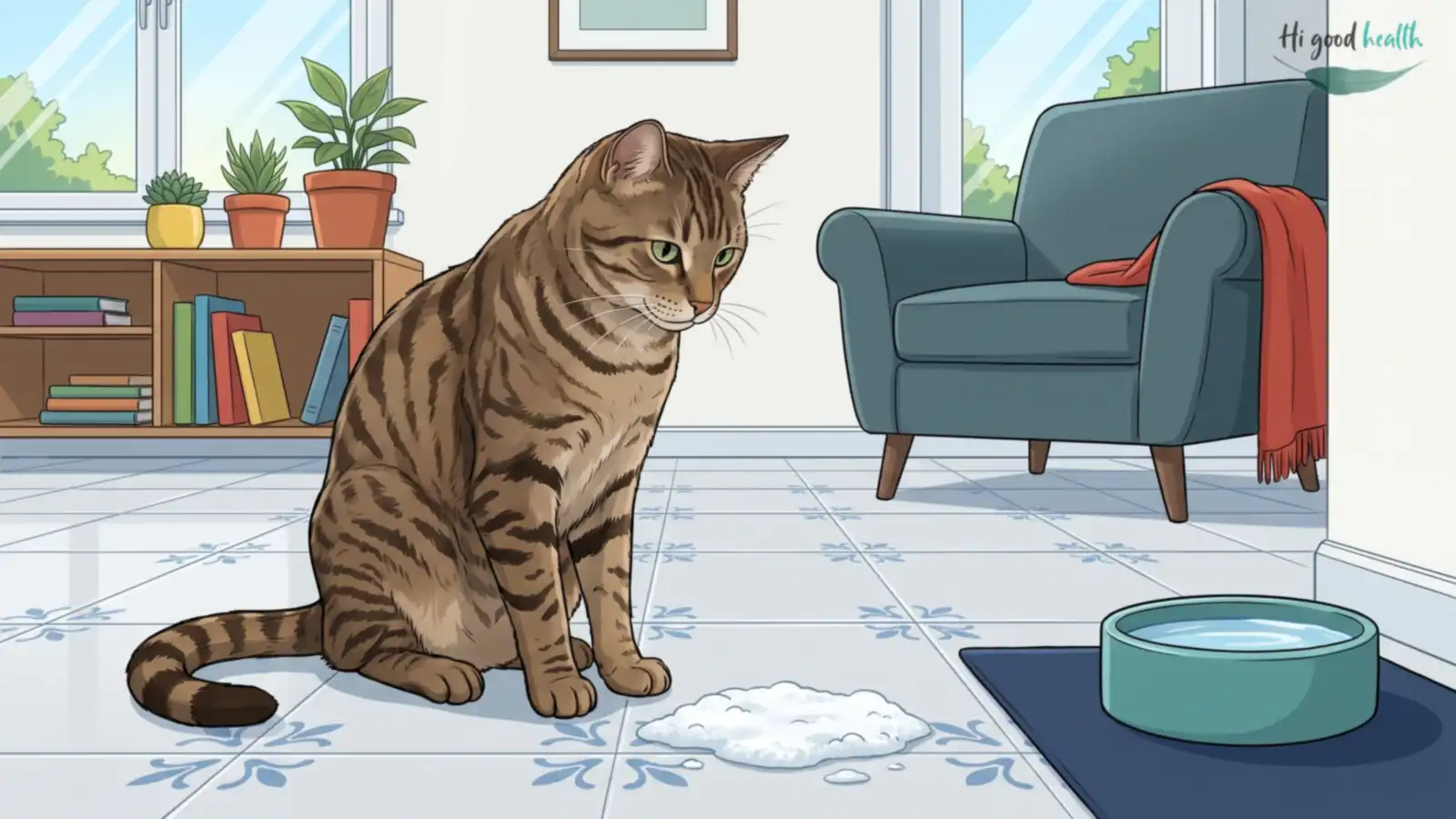
Finding white foam in your cat’s vomit can be worrying, especially when your cat cannot tell you what is wrong. Is it simply an empty stomach, or could it be a sign of an underlying health problem? This article explains when a cat throwing up white foam is normal and when it is a warning sign.
At a glance
When a cat brings up white foam, that is a symptom and not a diagnosis. Foamy white vomit is normally made of saliva, mucus and stomach fluid whipped up with air. Even so, repeated episodes should not be put down to an empty stomach without further thought.
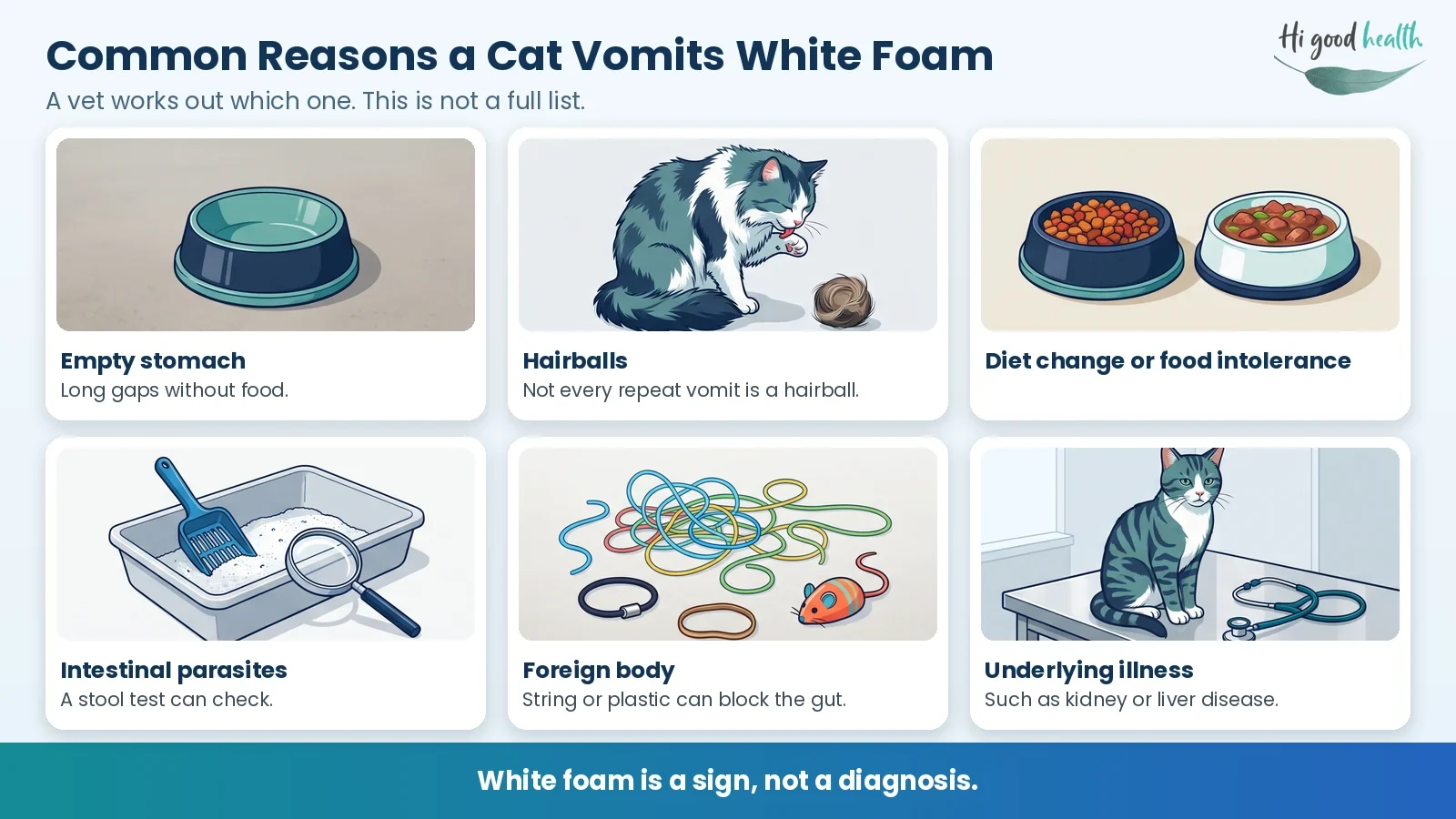
The list of possible causes includes an empty stomach, gastritis, hairballs, abrupt diet changes, food intolerance, gastrointestinal parasites, a foreign body, kidney disease, diabetes mellitus, certain medications or toxins, stress and viral infections.
Get urgent veterinary help when the vomiting keeps happening or does not stop, or when it comes with lethargy, weakness, abdominal pain, blood in the vomit, dehydration, trouble breathing or collapse. Do not simply keep watching, with no time limit, a cat that is vomiting and not eating.
Vomiting in cats has no one-size-fits-all treatment. Do not keep giving anti-vomiting medicines or other medications over and over unless a vet has guided you.
1. Seeing White Foam in Your Cat’s Vomit? Don’t Ignore the Pattern
What white foamy vomit actually consists of?
White foamy vomit usually consists of saliva, mucus, and gastric fluid mixed with air. It may appear as a frothy, bubbly liquid, particularly when a cat vomits on an empty stomach or experiences irritation of the stomach or upper digestive tract.
What cats may vomit?
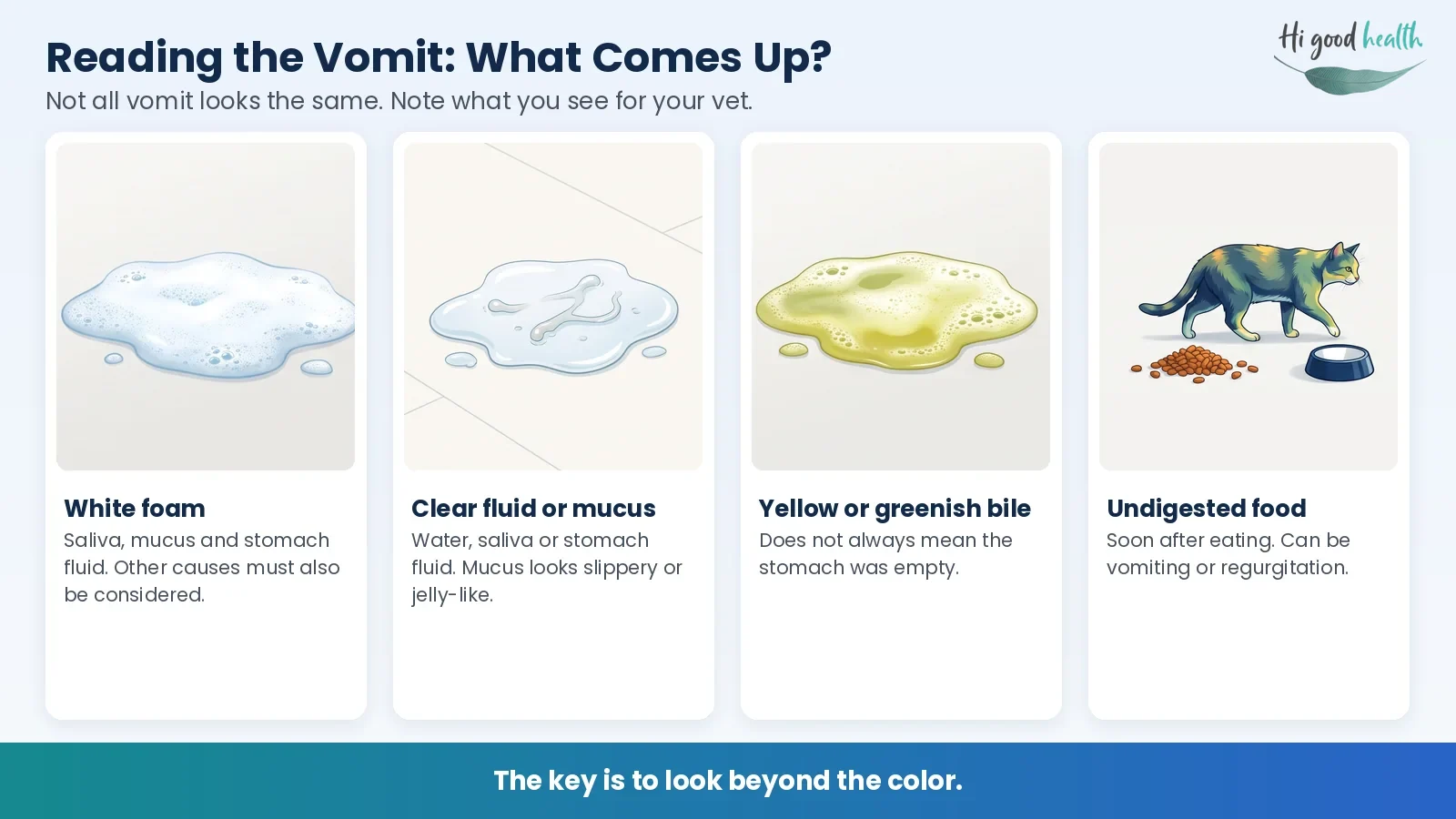
Not all vomit looks the same. Paying attention to its appearance can help you describe the episode more accurately to your veterinarian.
- White foam: May contain saliva, mucus and gastric fluid. It can occur with an empty stomach or gastrointestinal irritation, but other causes must also be considered.
- Clear fluid: May consist of water, saliva or stomach secretions. Repeated episodes can occur with gastrointestinal irritation.
- Mucus: May appear as a slippery, stringy or jelly-like substance. It can be seen along with foam or fluid-type vomit.
- Yellow or greenish bile: May be present when bile-containing digestive fluid is brought up. Its presence does not automatically mean the stomach was empty, and persistent vomiting requires investigation.
- Undigested food: Food that comes up shortly after eating may be associated with vomiting or regurgitation. Regurgitation is different from vomiting because food is brought up more passively, often without abdominal contractions.
The key is to look beyond the color. How frequently your cat vomits, whether it is eating and drinking normally, and whether other symptoms are present can help your veterinarian determine how urgently your cat needs attention.
2. What Can Cause a Cat to Vomit White Foam?
Important note to pet parents: A veterinarian may perform a thorough clinical examination and recommend blood tests, fecal examination, radiography (X-rays), ultrasonography, or other diagnostic tests, depending on the clinical signs to rule out the cause of vomiting.
Do not self-diagnose or attempt home treatment. Avoid human medicines and home remedies without veterinary advice, as inappropriate treatment can worsen your cat’s condition. If vomiting persists or your cat appears unwell, consult a veterinarian promptly.
i. Empty Stomach or Prolonged Fasting
When a cat goes for an extended period without eating, it may vomit a small amount of frothy fluid containing saliva and gastric secretions. Some cats experience vomiting around feeding times, particularly when their usual feeding routine changes.
However, an empty stomach should not automatically be blamed for recurring episodes. If your cat frequently vomits white foam before meals, consult your veterinarian rather than repeatedly changing its feeding schedule without investigating the cause.
ii. Gastritis or Gastric Irritation
Gastritis refers to inflammation of the stomach lining. It may develop following dietary indiscretion, ingestion of irritating substances, certain medications or other underlying illnesses. Affected cats may vomit white foam, clear fluid, food or bile. Reduced appetite, nausea, lip licking and repeated swallowing may also occur.
iii. Hairballs
Cats naturally swallow loose hair while grooming themselves. This hair usually passes through the digestive tract, but occasionally it accumulates in the stomach and forms a hairball.
A cat attempting to bring up a hairball may retch repeatedly and produce foam or fluid before the hairball appears. Frequent hairball-related vomiting, however, should not be dismissed as normal grooming behavior. It can sometimes indicate excessive grooming, skin disease, impaired gastrointestinal motility or an obstruction.
iv. Sudden Dietary Changes
Changing your cat’s food abruptly, introducing unfamiliar treats or allowing it to eat rich table scraps may upset its digestive system. Some cats develop vomiting or diarrhea after a sudden change in diet.
Whenever possible, introduce a new food gradually over several days, unless your veterinarian recommends a different transition schedule. If vomiting persists after a dietary change, do not assume that the food is the only possible cause.
v. Food Intolerance or Adverse Food Reactions
Some cats develop gastrointestinal signs in response to particular ingredients or dietary components. An adverse food reaction may cause vomiting, diarrhea or skin problems, although these signs vary between individuals.
vi. Gastrointestinal Parasites
Intestinal parasites, including roundworms and other gastrointestinal worms, can contribute to digestive disturbances in cats. Depending on the parasite and the severity of infection, affected cats may develop vomiting, diarrhea, weight loss, a poor coat or changes in appetite.
Kittens and cats with uncertain deworming histories may be particularly vulnerable. Your veterinarian may recommend fecal testing and an appropriate deworming schedule based on your cat’s age, lifestyle and exposure risk.
vii. Foreign Body or Intestinal Obstruction
Cats sometimes swallow objects such as string, thread, ribbon, pieces of toys or other indigestible material. These objects can become lodged in the stomach or intestines and cause a partial or complete obstruction.
Warning signs may include repeated vomiting, white foam, loss of appetite, abdominal discomfort, lethargy and reduced fecal output. However, not passing feces does not completely rule out an obstruction.
A suspected foreign-body obstruction is a veterinary emergency. Never pull string or thread protruding from your cat’s mouth or anus, as this can cause serious internal injury. Seek immediate veterinary assessment.
viii. Kidney Disease
Sometimes, a cat’s vomiting may be linked to an underlying kidney issue rather than a simple stomach upset. When kidneys are not functioning properly, the accumulation of waste products can trigger nausea and vomiting.
As a result, your cat may bring up white foam, clear fluid or other stomach contents. This condition is common in older cats who are more susceptible to chronic kidney disease (CKD). [7]
ix. Diabetes mellitus
Diabetes mellitus may lead to vomiting in a cat that develops diabetic ketoacidosis, a potentially life-threatening complication. [6] Changes in appetite, body weight, thirst, urination and activity level can provide important clues.
x. Certain Medications or Toxins
Some medications can irritate the gastrointestinal tract or cause nausea and vomiting. Ingestion of toxic substances, including certain human medicines, household chemicals and poisonous plants, can produce vomiting and potentially serious systemic illness.
If vomiting begins after your cat receives a new medication, contact the prescribing veterinarian for guidance. Do not discontinue essential treatment or alter the dose without professional advice unless instructed to do so.
If you suspect toxin ingestion, seek immediate veterinary assistance. Do not induce vomiting or administer home remedies unless specifically directed by a veterinary professional.
xi. Stress-Associated Gastrointestinal Upset
Cats are sensitive to changes in their surroundings and daily routines. Moving house, introducing another animal, traveling or experiencing conflict with other cats may contribute to changes in appetite and gastrointestinal behavior.
However, stress should be considered a possible contributing factor only after more concerning medical causes have been assessed when indicated. Repeated vomiting should not be attributed to anxiety alone.
Providing predictable routines, safe hiding places, accessible litter boxes and a calm environment can help reduce stress while you seek veterinary advice if symptoms continue.
Viral infections: Some viral diseases can cause vomiting, particularly when accompanied by other signs such as diarrhea, fever, lethargy, nasal/ocular discharge or loss of appetite.
- Feline panleukopenia virus (FPV) can cause severe gastrointestinal illness, vomiting, diarrhea and marked depression, especially in unvaccinated kittens. Other infectious diseases may also produce gastrointestinal signs depending on the age and clinical status of the cat. [8]
- Vaccination status matters: Keeping cats appropriately vaccinated helps protect against important preventable viral diseases, particularly feline panleukopenia. [8]
Important: Recurrent vomiting should not simply be labeled as a “hairball” without considering other causes.
3. Which Cats Are More Vulnerable to Vomiting Problems?
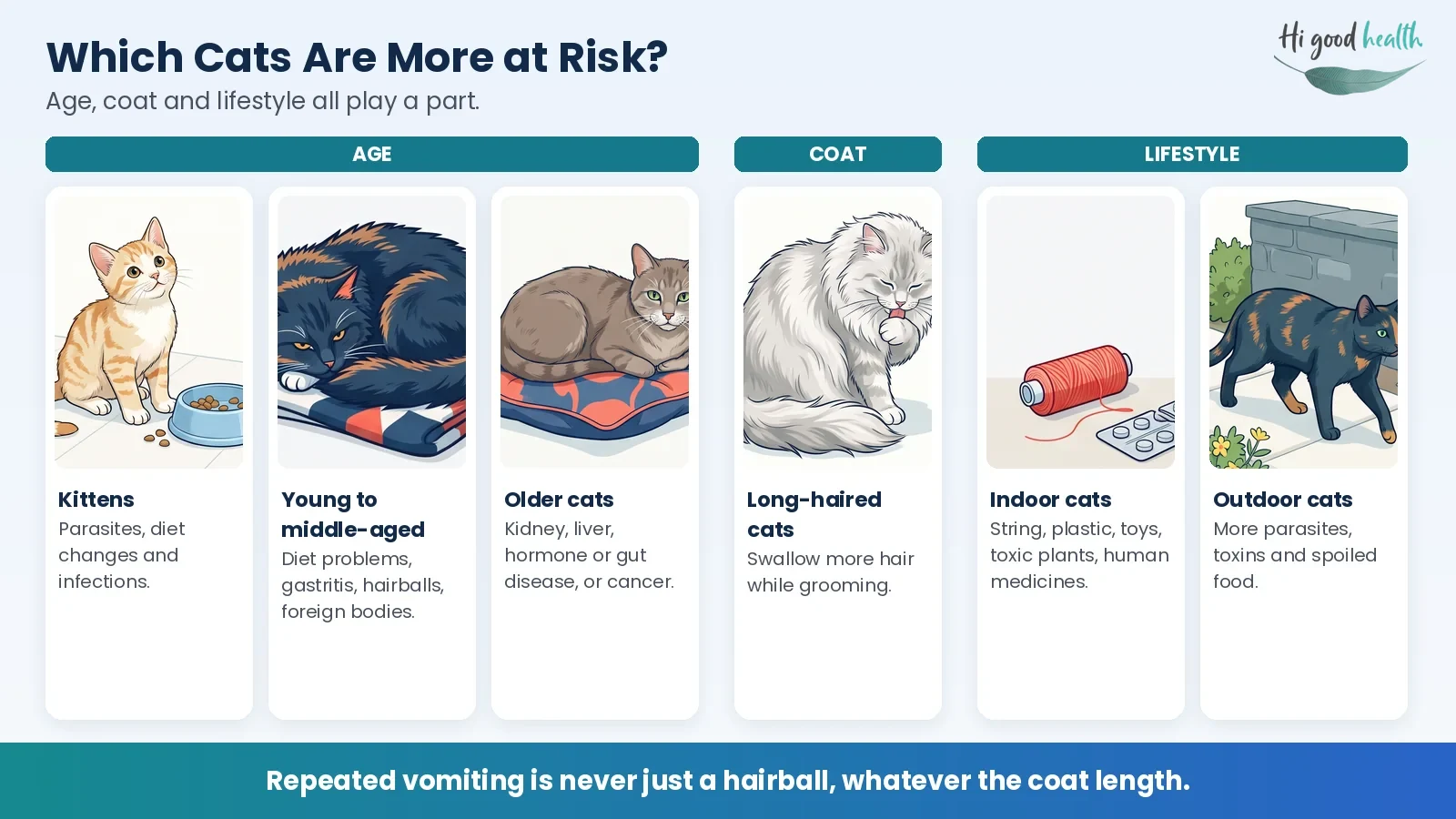
Age
- Kittens: parasitic overload, dietary changes and infectious disease are important considerations.
- Young–middle-aged cats: diet problems, gastritis, hairballs, foreign bodies and chronic gastrointestinal disorders may occur.
- Older cats: underlying renal, hepatic, endocrine, gastrointestinal or neoplastic conditions become increasingly important.
Haircoat
Long-haired cats may swallow more hair during grooming, increasing their tendency to develop hairballs. However, repeated vomiting should never be dismissed as normal hairball formation, regardless of coat length.
Lifestyle
- Indoor cats: May accidentally swallow string, thread, plastic or small toys, or encounter toxic houseplants and human medications.
- Outdoor cats: May have greater exposure to parasites, toxins, spoiled food and other potentially harmful substances.
4. When Does Vomiting Become an Emergency?
Occasional vomiting may not always indicate a serious illness, but certain warning signs mean your cat needs prompt veterinary attention.
Seek urgent veterinary care if your cat’s vomiting is:
- Repeated or persistent.
- Accompanied by lethargy, weakness or abdominal pain.
- Associated with blood in the vomit or persistent diarrhea.
- Accompanied by dehydration or unexplained weight loss.
- Associated with difficulty breathing or collapse.
- Occurring after suspected toxin, medication or foreign-body ingestion.
A key warning: A cat that is vomiting and refusing food should not be observed indefinitely at home. Cats can develop serious metabolic consequences when anorexia persists.

5. Diagnosis: Finding Out Why Your Cat Is Vomiting White Foam
White foam in your cat’s vomit is a symptom, not a diagnosis. To identify the underlying cause, your veterinarian will consider your cat’s medical history, clinical examination and the frequency and severity of vomiting before recommending applicable tests.
i. Blood Tests
A blood profile may include:
- CBC: Helps assess changes in blood cells and signs of inflammation or anemia.
- Serum biochemistry: Evaluates organ function, including the kidneys and liver.
- Electrolytes and blood glucose: Help to identify metabolic abnormalities and complications associated with vomiting.
ii. Stool Examination
Fecal testing can help detect gastrointestinal parasites and identify certain intestinal infections when indicated.
iii. Urine Examination
Urinalysis can provide information about kidney function, hydration status and certain metabolic disorders, particularly when systemic disease is suspected.
iv. Abdominal Ultrasonography (USG)
Ultrasound helps evaluate abdominal organs, including the stomach, intestines, pancreas, liver and kidneys. It may reveal intestinal wall abnormalities, masses, enlarged lymph nodes or findings suggestive of a foreign body or obstruction.
v. X-ray (Radiography)
Abdominal radiographs may help to assess abnormal gas patterns, gastrointestinal distension, certain foreign objects and evidence suggestive of intestinal obstruction.
Important: Not every cat requires every test. Your veterinarian will perform investigations based on the clinical findings. In some cases, further testing may be necessary even when initial results are inconclusive.

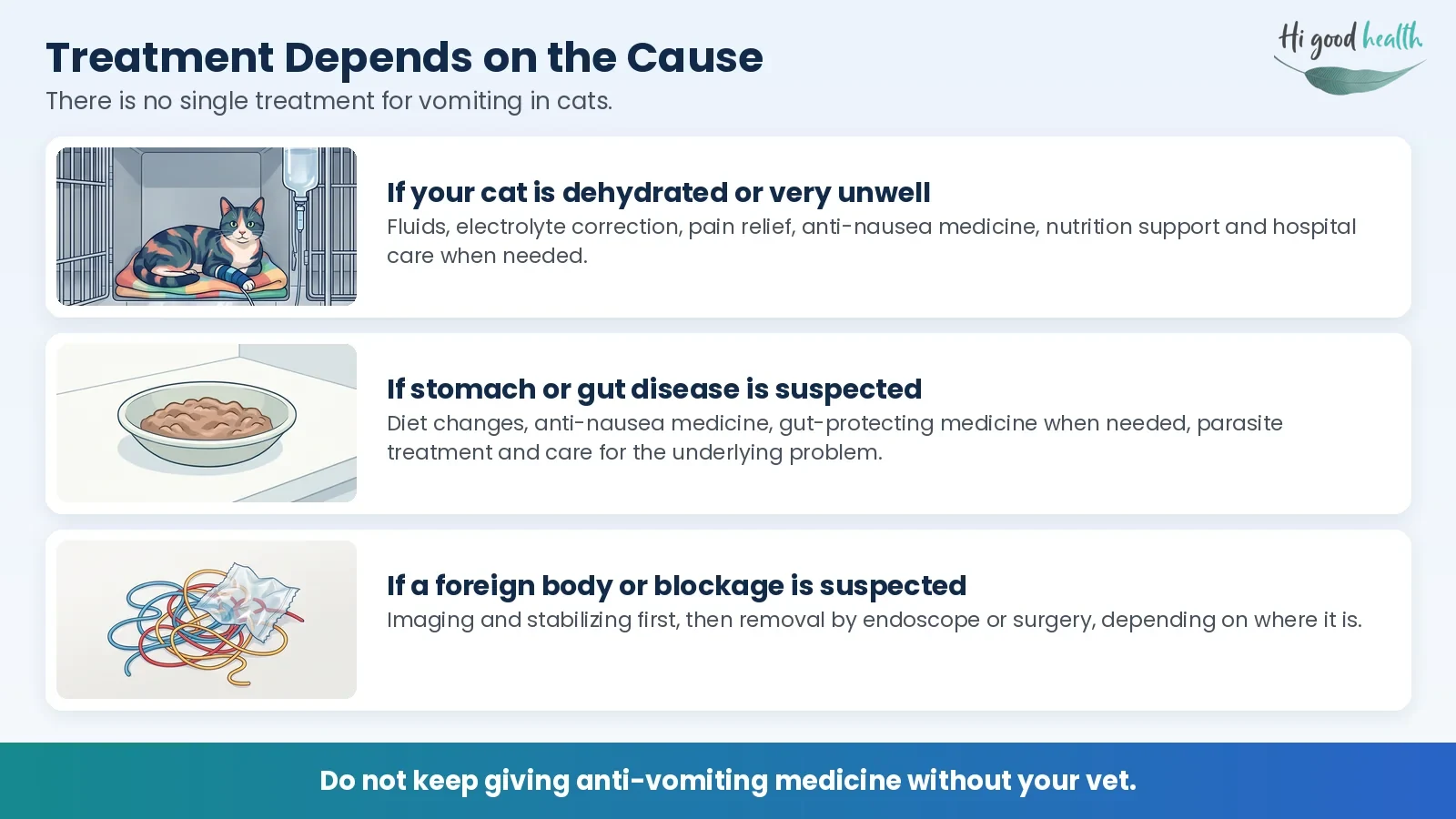
6. Treatment: It Depends on Why Your Cat Is Vomiting
There is no single treatment for vomiting in cats. Management depends on the underlying cause, the severity of symptoms and the cat’s hydration and overall clinical status.
If the Cat Is Dehydrated or Significantly Unwell
Veterinary treatment may include fluid therapy, electrolyte correction, pain relief, antiemetic medication, nutritional support and hospitalization with monitoring when necessary.
If Gastrointestinal Disease Is Suspected
Treatment may involve dietary modification, antiemetics, medication to protect the gastrointestinal tract when indicated, parasite treatment and management of the underlying disorder.
If a Foreign Body or Intestinal Obstruction Is Suspected
Diagnostic imaging and stabilization may be necessary, followed by endoscopic or surgical removal, depending on the location and nature of the obstruction.
A crucial reminder for pet parents: Do not repeatedly administer anti-vomiting medicines or other medications without veterinary guidance. Suppressing vomiting without identifying its cause may delay treatment in particular cases like obstruction and even worsen the condition.
Vet tip: Keeping a consistent diet, preventing access to hazardous objects/toxins, maintaining hydration and monitoring appetite and stool can help to identify problems early.
Key takeaways
Foam in the vomit tells you something is wrong but not what. Look past the color: how often the vomiting happens, whether your cat eats and drinks as usual and whether other symptoms appear all help your veterinarian judge how quickly your cat should be seen.
Blaming every repeat episode on a hairball overlooks other possible causes. A cat that vomits every week needs a veterinary check even when it seems fine in between.
If you think your cat has swallowed something that is stuck, treat it as a veterinary emergency. Never tug on string or thread that is sticking out of your cat’s mouth or anus.
Care is not the same for every vomiting cat. It is shaped by the cause underneath, how severe the signs are, and the cat’s hydration and general condition.
Frequently Asked Questions
1. Can a cat vomit white foam because of an empty stomach in the morning?
Yes, some cats bring up frothy fluid when the stomach is fairly empty. If morning vomiting keeps recurring, though, have a veterinarian assess it instead of putting it down to hunger.
2. Is white foam vomiting contagious to other cats?
The foam is not catching. But if an infectious disease such as feline panleukopenia lies behind it, that infection can pass to other cats.
3. Can kittens become seriously ill from vomiting white foam?
Yes. Dehydration sets in faster in kittens than in adult cats, and parasites, infections or swallowed foreign objects may be behind the vomiting. Contact a veterinarian soon if a kitten vomits, particularly if it keeps happening or the kitten turns weak or stops eating.
4. Should I be concerned if my cat vomits white foam only once a week?
Yes. A veterinarian should assess vomiting that returns each week, even if your cat looks well between episodes. Vomiting that repeats should not be treated as normal just because the gaps are long.
5. Should I take a photograph of my cat’s vomit before visiting the veterinarian?
A photo is useful because it shows your veterinarian what the vomit looked like and what it held. Where you can, also write down the time of the episode, how often it happens and any recent shifts in diet or behavior.
6. What is the difference between vomiting and regurgitation?
In regurgitation, food comes back up passively, usually without abdominal contractions, which sets it apart from true vomiting. Food that appears soon after a meal may be a sign of either.
7. When is cat vomiting an emergency?
Urgent veterinary care is needed when vomiting happens repeatedly or will not stop, or when it comes with lethargy, weakness, abdominal pain, blood in the vomit, dehydration, difficulty breathing or collapse. Suspected obstruction by a foreign body is also an emergency. Do not leave a vomiting cat that refuses food at home under indefinite observation.
8. Can I give my cat anti-vomiting medicine at home?
No, not on your own. Repeated doses of anti-vomiting medicines or other drugs should only be given with veterinary guidance. Stopping the vomiting without finding its cause can hold up treatment, in cases such as obstruction, and may even make the condition worse. Human medicines and home remedies should be avoided unless a veterinarian advises them.
Glossary
Anorexia: loss of appetite, or refusing food.
Antiemetic: a medicine that reduces vomiting (an anti-vomiting medicine).
Diabetic ketoacidosis: a potentially life-threatening complication of diabetes mellitus that can cause vomiting.
Foreign body: an object, such as string or plastic, that has been swallowed and does not belong in the gut.
Gastritis: inflammation of the stomach lining.
Radiography: taking X-rays (radiographs) of the body, for example of the abdomen.
Regurgitation: food brought up more passively than vomiting, often without abdominal contractions.
Ultrasonography (USG): an ultrasound scan that helps evaluate abdominal organs, including the stomach, intestines, pancreas, liver and kidneys.
Disclaimer
This article is for general information and does not replace a veterinary examination. If your cat is vomiting repeatedly, seems unwell, or is not eating, contact a veterinarian promptly.
Sources
- Cornell Feline Health Center. Vomiting. Cornell University College of Veterinary Medicine. (checked 26 Oct 2026)
https://www.vet.cornell.edu/departments-centers-and-institutes/cornell-feline-health-center/health-information/feline-health-topics/vomiting - Merck Veterinary Manual. Vomiting in Cats. (checked 26 Oct 2026)
https://www.merckvetmanual.com/cat-owners/digestive-disorders-of-cats/vomiting-in-cats - VCA Animal Hospitals. Vomiting in Cats. (checked 26 Oct 2026)
https://vcahospitals.com/premier/know-your-pet/vomiting-in-cats - Cornell Feline Health Center. Common Cat Hazards. Cornell University College of Veterinary Medicine. (checked 26 Oct 2026)
https://www.vet.cornell.edu/departments-centers-and-institutes/cornell-feline-health-center/health-information/feline-health-topics/common-cat-hazards - VCA Animal Hospitals. Top Reasons Pets Vomit. (checked 26 Oct 2026)
https://vcahospitals.com/resources/conditions-cat/stomach-digestion/top-reasons-pets-vomit - VCA Animal Hospitals. Diabetic Ketoacidosis in Cats. (checked 26 Oct 2026)
https://vcahospitals.com/know-your-pet/diabetic-ketoacidosis-in-cats - International Cat Care. Chronic kidney disease (CKD) in cats. (checked 26 Oct 2026)
https://icatcare.org/articles/chronic-kidney-disease-ckd-in-cats - Cornell Feline Health Center. Feline Panleukopenia Virus. Cornell University College of Veterinary Medicine. (checked 26 Oct 2026)
https://www.vet.cornell.edu/departments-centers-and-institutes/cornell-feline-health-center/health-information/feline-health-topics/feline-panleukopenia-virus
