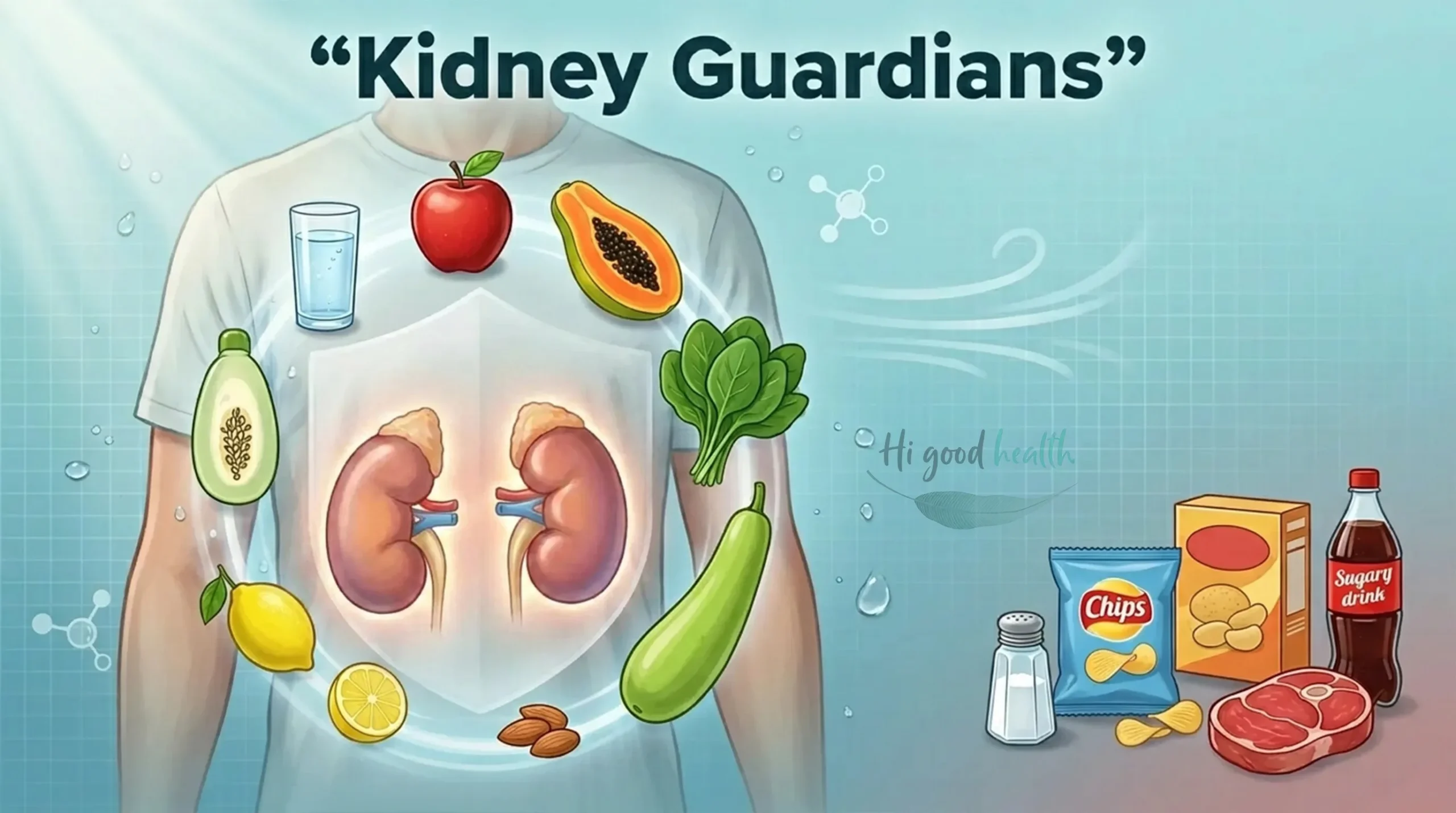
Worried about your kidneys, or a recent high creatinine result? You are not alone. Kidneys work quietly, so problems often go unnoticed until later. This guide walks you through the early warning signs, the tests that catch trouble, and the foods for kidney health that help protect these organs day to day.
At a glance
Watch for quiet warning signs like ongoing tiredness, swollen ankles, foamy urine, and changes in how often you go. A simple blood and urine test can confirm how well your kidneys filter. The best foods for kidney health keep sodium, phosphorus, and potassium in check while favoring fresh produce, lean protein, and plenty of water, always guided by your own lab results.
Spotting the Warning Signs: Do You Have a Kidney Issue?
Your kidneys often signal trouble long before you feel it. Early symptoms can be vague and may show up only after some loss of kidney function. Watch for lasting fatigue, swollen ankles, eyes, and feet, changes in urination such as going more or less often, foamy urine or blood in the urine, muscle cramps, or dry, itchy skin. Do not brush off these subtle signals. They are your body asking for attention, which makes early care so important.
If you notice any of these symptoms, see a healthcare professional for a proper check, which may include a blood test and a urine test.
Diagnosing Kidney Health: The Key Tests
If kidney concerns come up, your doctor may suggest a few tests. A serum creatinine blood test and an estimated glomerular filtration rate (eGFR) show how well your kidneys filter waste. Creatinine is a waste product from normal muscle activity, so high blood levels hint that filtering has slowed. A urinalysis checks for protein (albumin) or blood in your urine, both early signs of damage. Imaging such as a kidney ultrasound can show kidney size and structure and flag possible blockages.
Your doctor reads these results alongside your overall health to decide whether you have chronic kidney disease and, if so, which stage. Chronic kidney disease is usually classed from stage 1 to stage 5 based on your eGFR.
Why Early Action Matters
Putting off kidney issues can lead to a chain of serious health problems. Here is the key point: nephrons, the tiny filtering units inside your kidneys, do not grow back. Once they are damaged, the body cannot replace them.
Untreated chronic kidney disease (CKD) can progress to end-stage renal disease (ESRD), where dialysis or a kidney transplant becomes necessary to stay alive. Reduced kidney function also raises the risk of heart disease, stroke, anemia, nerve damage, and weak bones. Early treatment can slow the disease and lower the chance of these complications.
This is why working closely with your healthcare team and following their advice is so important for protecting your kidney function.
Busting Kidney Myths: What You Need to Know
Kidney health attracts plenty of misinformation. One common myth is that kidney disease always causes pain. Another is that only older people or those with existing conditions are at risk. In reality, lifestyle factors can affect anyone.
And no, drinking a lot of water is not a magic “flush” for kidney problems. For people with advanced kidney disease (especially stages 4 to 5) or fluid limits, drinking too much water can be dangerous and cause fluid overload. Your nephrologist will advise the right fluid intake for your situation. When it comes to water and kidney health, follow medical facts and your care team, not folklore.
The Power of Healthy Kidneys: Your Body’s Best Friend
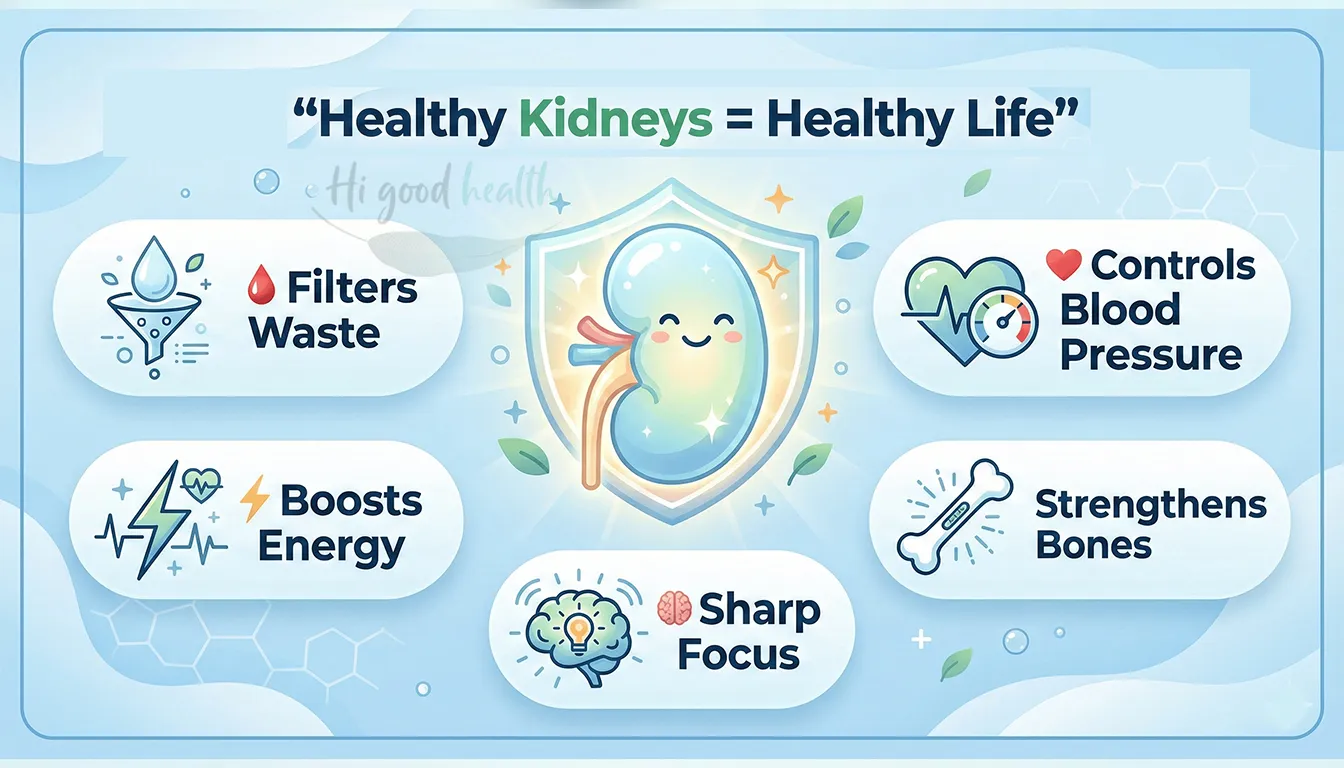
Healthy kidneys matter for your whole body. They filter waste and extra water, balance key electrolytes, help regulate blood pressure, prompt red blood cell production, and support strong bones. When your kidneys work well, you tend to feel more energy, think more clearly, and face a much lower risk of the problems that come with poor kidney function.
Kidney Treatments: What to Expect
Kidney treatment depends on the cause and how advanced the disease is. For early-stage disease (stages 1 to 2), care usually focuses on controlling blood pressure and blood sugar, adjusting diet, and sometimes prescribing kidney-protecting medicines such as ACE inhibitors or ARBs.
For moderate disease (stage 3), doctors watch kidney function and electrolyte levels more closely and recommend more specific dietary changes. Advanced cases (stages 4 to 5) may need medicines for complications such as anemia, fluid retention, and bone mineral disorder, along with dialysis (hemodialysis or peritoneal dialysis) or, in severe cases, a kidney transplant. The goal is always to slow the disease and protect your quality of life.
Your nephrologist will build a treatment plan around your CKD stage and overall health.
Can Kidney Issues Be Managed Without Medication?
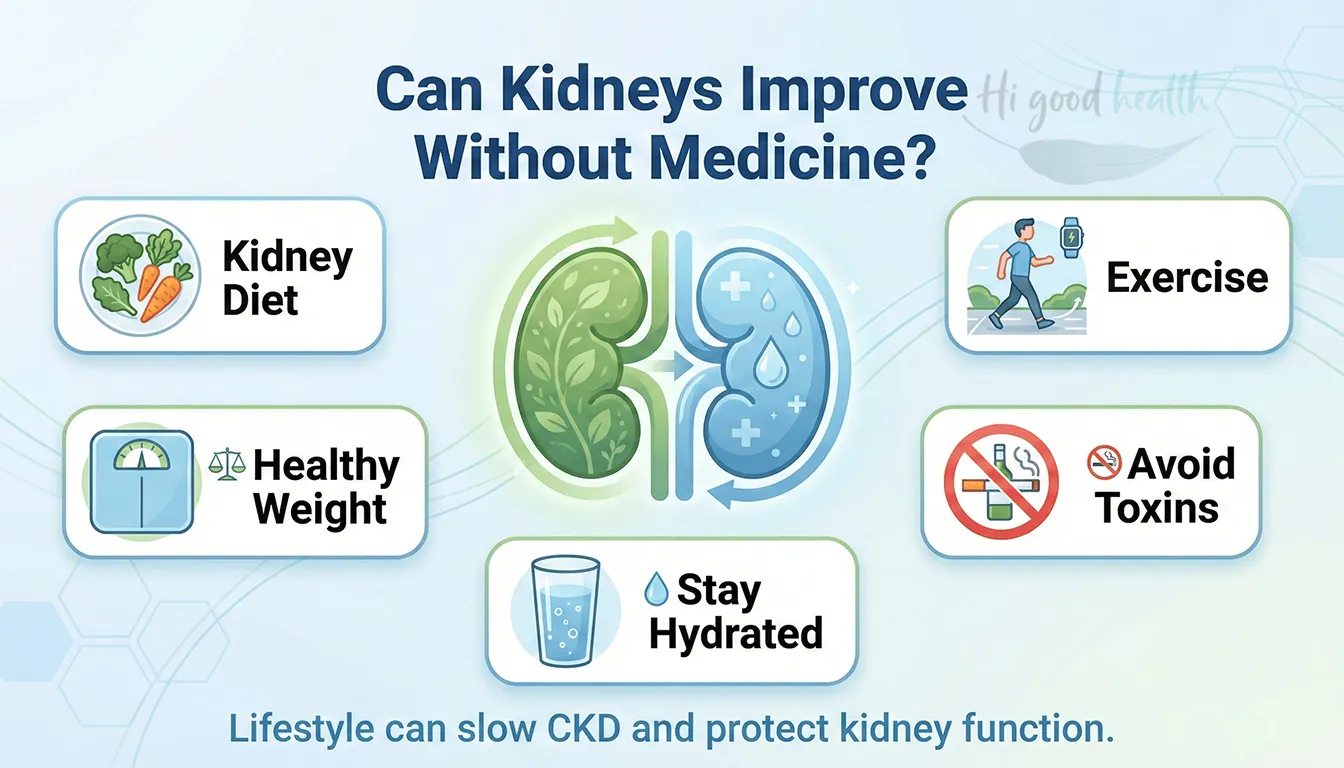
Some acute kidney injuries can improve once the underlying cause is treated. Chronic kidney disease (CKD), though, is a long-term condition and usually cannot be cured. Even so, its progress can be slowed sharply, and function can improve, through real lifestyle change. A kidney-friendly diet, regular exercise, weight management, steady blood sugar and blood pressure, and avoiding harmful habits, such as overusing certain painkillers and smoking, are strong tools. In early stages they can support, and sometimes reduce, the need for medication.
The key word is “chronic.” CKD is a long-term condition that needs ongoing care and monitoring, but with the right management many people with CKD live full, active lives without ever reaching kidney failure. Work closely with your nephrologist and renal dietitian to protect your kidney health through proven lifestyle changes.
Foods for Kidney Health: What to Eat and What to Avoid
Diet plays a real role in supporting kidney health and managing kidney disease. That said, the best foods for kidney health are not the same for everyone. Recommendations depend heavily on your CKD stage, your lab values (especially potassium, phosphorus, and protein), and any other health conditions you have.
Important: The dietary points below matter most for people with moderate to advanced kidney disease (stages 3 to 5). People with early-stage CKD (stages 1 to 2) may not need these restrictions. Always confirm the right foods for kidney health with your nephrologist or a registered renal dietitian, based on your own lab results.
Foods to Avoid for Kidney Health (When Directed by Your Doctor)
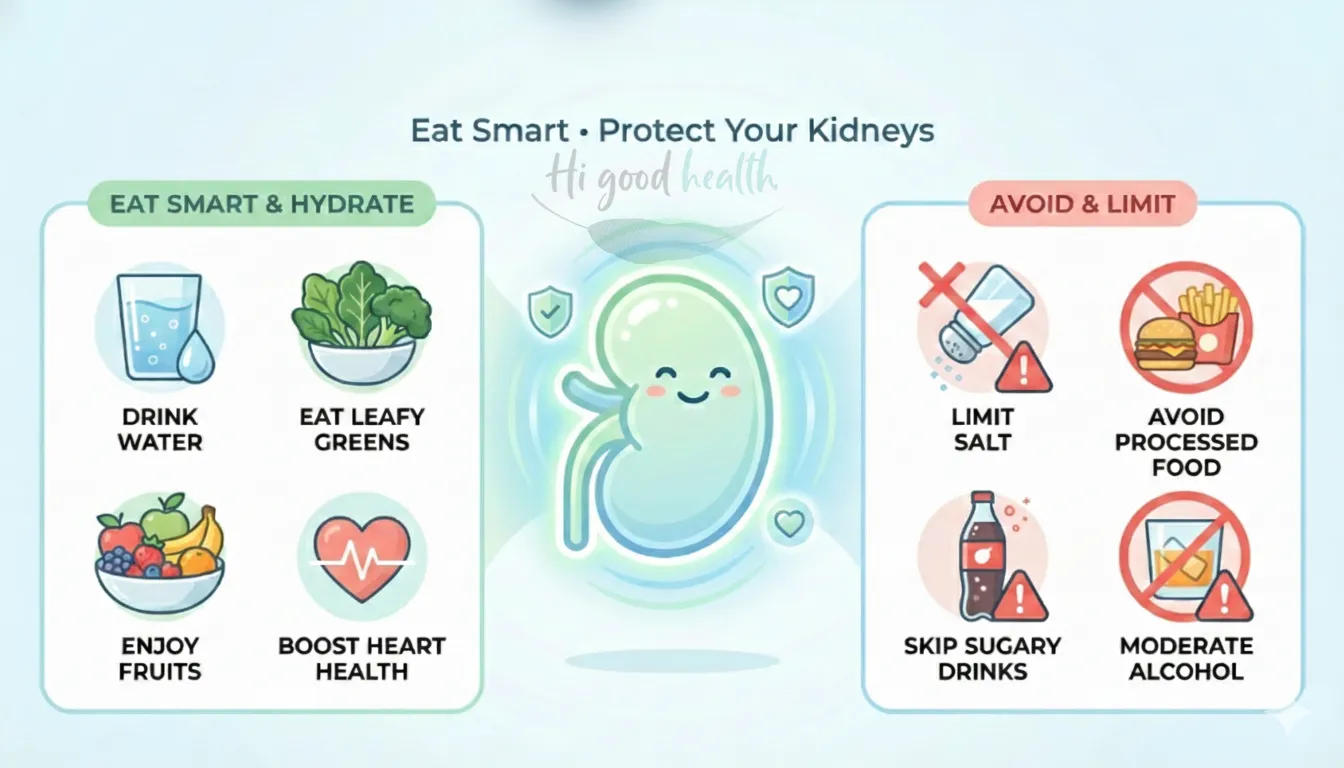
- High-sodium foods: Processed foods, canned goods, fast food, and salty snacks can raise blood pressure and strain the kidneys. The Kidney Disease: Improving Global Outcomes (KDIGO) guidelines recommend a sodium intake below 2.3 grams per day, about one level teaspoon of salt, for people with CKD to help manage blood pressure and protect kidney function.[1]
- Excess phosphorus: Found in dark colas, many processed foods with phosphate additives (look for “phos” on labels, such as sodium phosphate or phosphoric acid), dairy, nuts, beans, and whole grains. As kidney function drops, extra phosphorus can build up in the blood and, over time, weaken bones and cause calcium deposits in blood vessels. Your body absorbs only about 20% of the phosphorus that occurs naturally in plant foods like beans and whole grains, but nearly 100% of the inorganic phosphate additives in processed foods and dark sodas.[2][3]
- High-potassium foods: If your blood potassium is high (hyperkalemia), your doctor may limit foods like bananas, oranges, orange juice, potatoes, tomatoes, tomato sauce, avocados, dried fruit, beans, and some nuts. If your potassium is normal, these limits may not apply. Very high potassium is a medical emergency and needs immediate treatment, since it can trigger sudden heart failure. Seek urgent care for red-flag symptoms such as heart palpitations, chest pain, severe muscle weakness, or tingling in your hands and feet.[4]
- Dairy products: Milk, cheese, and yogurt carry a lot of protein, phosphorus, and potassium. They are fine for healthy kidneys and early-stage CKD, but later stages (4 to 5) may call for moderation or alternatives to keep those nutrients in range. Your dairy needs depend on your kidney stage and your phosphorus and potassium labs.[5][6]
- High-protein supplements and heavy protein intake: Protein needs in kidney disease are complex and depend on your CKD stage. Early-stage CKD (stages 1 to 2) usually does not require protein restriction. In moderate to advanced stages (3 to 5), protein needs careful balancing, not too high (which adds to kidney workload) and not too low (which risks malnutrition). Very high intake, especially from animal sources or protein powders, can strain kidneys that are already working hard. Never change protein intake without your nephrologist or renal dietitian, since the right amount keeps up muscle and overall health.[7]
Eating Patterns That Support Kidney Health
- DASH diet: First designed for high blood pressure, the DASH diet (Dietary Approaches to Stop Hypertension) is now a go-to plan for early CKD. It leans on fruits, vegetables, whole grains, and low-fat dairy, and stays low in saturated fat, red meat, and sweets. It lowers blood pressure and also improves insulin resistance and cholesterol, two big drivers of kidney damage. For advanced CKD, a “Renal-DASH” version caps potassium and phosphorus while keeping the low-sodium benefits.[9]
- PLADO diet (Plant-Dominant Low-Protein Diet): Built specifically for CKD, this plan aims for a total protein intake of 0.6 to 0.8 g/kg per day, with at least half from plant sources. It is high in fiber and low in sodium (under 2,300 mg). Unlike animal protein, which creates a large acid load, plant-based foods supply natural bicarbonate precursors that neutralize acid and ease the filtering workload on the kidneys.[10]
Wrong doses of supplements can put real strain on your kidneys’ filtering system. To learn more about vitamin safety and protecting your organs, read our detailed article.
Best Foods for Kidney Health to Embrace
When your team gives the go-ahead, these foods support kidney health while keeping sodium, phosphorus, and potassium reasonable:
- Lean proteins in amounts set by your CKD stage and dietitian, for example skinless poultry, fish, eggs, or plant-based proteins.
- Fresh fruit, choosing lower-potassium options if needed, such as apples, berries, grapes, watermelon, and pineapple.
- Vegetables, favoring lower-potassium picks like cauliflower, green beans, carrots, cabbage, and bell peppers.
- Healthy fats such as olive oil, which is low in phosphorus and potassium.
Best Drinks, Tea, and Water for Kidney Health
What you drink counts too. Water is the simplest of the best drinks for kidney health: for healthy kidneys and early CKD, steady hydration helps the kidneys clear waste. The link between water and kidney health flips in advanced disease, though, where fluids may need limits, so follow your nephrologist’s target rather than a fixed “eight glasses” rule. Unsweetened tea for kidney health, such as green tea or herbal tea, can fit a kidney-friendly routine in moderation, while sugary sodas and dark colas are best avoided because of their phosphate additives.
Vitamins, Supplements, and Herbs for Kidney Health
Many people ask about vitamins and kidney health supplements. The honest answer is that supplements support kidney health only when they are matched to your labs and stage, and the wrong ones can do harm. Kidneys clear many vitamins and minerals, so levels that are safe for others may build up when function is low. Some renal-specific vitamins for kidney health, such as certain B vitamins or active vitamin D, are prescribed in CKD, but doses are set by your care team.
Herbs for kidney health deserve extra caution. Many herbal products, including high-dose potassium-rich blends and some traditional remedies, can interfere with kidney function or clash with your medicines. Before adding any supplement or herb, check with your nephrologist or pharmacist so it truly supports, rather than strains, your kidneys.
For people with reduced kidney function, the type of protein you pick can either support your health or add to your workload. To learn more about choosing the right protein for your needs, read our detailed article.
Your personalized kidney diet: A registered dietitian who specializes in kidney health (a renal dietitian) is key to building a plan that fits you. The right foods for kidney health vary widely based on your kidney function, lab results, CKD stage, and other conditions. What suits one person with kidney disease may be wrong for another.
Future-Proofing Your Kidneys: Ongoing Monitoring
Steady monitoring is essential for kidney health. It usually means regular blood tests (creatinine, GFR, and electrolytes including potassium and phosphorus), urine tests for protein, and careful blood pressure checks. Your doctor will set a monitoring schedule around your CKD stage, with more frequent testing for advanced stages.
Stay alert to new or worsening symptoms and report them to your healthcare team quickly. A healthy lifestyle, including foods for kidney health matched to your stage plus regular activity, stays central to long-term management.
Your Kidney Health: A Summary
Taking charge of your kidney health helps you build a healthier future. By spotting the subtle signs, testing early, and making informed choices with your healthcare team, you can protect your kidney function in a real way.
Remember: chronic kidney disease is a long-term condition that cannot be fully reversed, but its progress can often be slowed or stopped with good management. Care is individual, so what works for one person may not fit another, depending on CKD stage and lab values. Do not underestimate the power of early, steady care in protecting these vital organs.
Take the first step: Talk with your doctor or nephrologist today. If you are diagnosed with CKD, ask for a referral to a registered renal dietitian to build a kidney health plan around your needs and lab results.
Key Takeaways
- Kidney trouble is often quiet, so watch for fatigue, swelling, foamy urine, and changes in urination.
- A creatinine blood test, an eGFR, and a urine protein check are the core tests that catch problems early.
- The best foods for kidney health keep sodium, phosphorus, and potassium in range and favor fresh produce and lean protein.
- Water, unsweetened tea, and other simple drinks help, but fluid needs change in advanced CKD.
- Supplements, vitamins, and herbs support kidney health only when matched to your labs and cleared by your care team.
- CKD is not curable, but early lifestyle change and monitoring can slow or stop its progress.
If you prefer a more visual version, watch our YouTube video here:
FAQ: Your Top Questions About Kidney Health Answered
Here are common questions about kidney health, based on what people search for most:
1. What are the early warning signs of kidney problems?
Early signs are often subtle. Watch for persistent fatigue, swollen ankles or feet and swollen eyes, muscle cramps, dry and itchy skin, or unexplained changes in urination frequency or color. Don’t dismiss these signals; they are urgent calls for attention. Schedule an appointment with your healthcare provider if you experience these symptoms.
2. Can chronic kidney disease be cured?
While chronic kidney disease (CKD) typically isn’t cured, its progression can be dramatically slowed or even stopped. Powerful lifestyle changes, like a kidney-friendly diet tailored to your CKD stage, exercise, weight management, and blood pressure control, can improve function and complement medical treatment. Work with your nephrologist for personalized management strategies.
3. What foods should I avoid with high creatinine?
Dietary recommendations depend on your CKD stage and other lab values, not just creatinine levels. Generally, you may need to limit high-sodium processed foods, which strain kidneys. Doctors might also advise restricting phosphorus (found in processed foods with phosphate additives and dark sodas) and high-potassium foods like bananas, potatoes, and avocados, depending on your specific lab results. Always consult your nephrologist or renal dietitian for personalized guidance.
4. Is drinking a lot of water good for my kidneys?
It depends on your kidney function. For people with healthy kidneys or early-stage CKD, staying well-hydrated is beneficial. However, excessive water intake is not a magic flush for kidney problems. In fact, for people with advanced kidney disease (stages 4-5) or fluid restrictions, drinking too much water can be dangerous and cause fluid overload. Always follow your nephrologist’s specific fluid intake recommendations based on your condition.
5. Is a high-protein diet bad for kidneys?
Protein needs are highly individualized based on your CKD stage. Early-stage CKD (stages 1-2) typically doesn’t require protein restriction. However, in moderate to advanced stages (3-5), very high protein intake, especially from animal sources or supplements, can increase kidney workload. Conversely, too little protein can cause malnutrition. Always consult a doctor or renal dietitian to determine the safe and appropriate amount for your specific CKD stage and overall health.
6. Do kidney problems always cause pain?
No. A common myth is that pain is always present, but it often isn’t. Kidneys tend to signal quietly, so symptoms often emerge only after significant damage has occurred. This makes regular checkups and lab testing vital, especially if you have risk factors like diabetes or high blood pressure.
7. How do doctors test for kidney disease?
Doctors use blood tests to check creatinine and calculate eGFR (estimated glomerular filtration rate), which measures filtration efficiency. A urinalysis checks for early damage indicators like protein or blood in urine. Additional tests may include imaging (ultrasounds or CT scans) to assess kidney structure and identify blockages. Your doctor uses these tests together to diagnose kidney disease and determine its stage.
8. Can exercise help improve kidney health?
Yes. Consistent exercise is a potent tool for managing kidney health. Along with weight management and a kidney-appropriate diet, staying active helps slow disease progression, improves cardiovascular health, and can enhance your overall quality of life. Aim for at least 150 minutes of moderate exercise per week, but always check with your doctor before starting a new exercise program, especially if you have advanced CKD.
9. What are the stages of chronic kidney disease?
Kidney disease is staged using two key numbers: GFR, which measures the speed at which your kidneys filter waste, and ACR, which detects protein leaks that indicate physical damage to the kidney’s filters. A complete diagnosis combines both to determine your overall risk, as even a normal filtration speed can hide significant underlying damage if protein levels are high. Dietary and treatment recommendations vary significantly by stage. Your nephrologist will determine your stage and create an appropriate management plan.
10. What are the best foods for kidney health?
The best foods for kidney health are fresh, minimally processed options that keep sodium, phosphorus, and potassium in a healthy range. Think lean proteins like fish and skinless poultry, lower-potassium fruit such as apples and berries, vegetables like cauliflower and bell peppers, and healthy fats like olive oil. Your ideal list depends on your CKD stage and lab results, so confirm choices with a renal dietitian.
11. Do supplements and vitamins support kidney health?
Supplements support kidney health only when they match your lab values and CKD stage. Because kidneys clear many vitamins and minerals, doses that are safe for others can build up when function is low. Some renal-specific vitamins, such as certain B vitamins or active vitamin D, are prescribed in CKD. Never start a new supplement or herb without checking with your nephrologist or pharmacist first.
12. Which drinks and teas are best for kidney health?
Water is the simplest and best drink for kidney health when your fluid intake is not restricted. Unsweetened tea, including green tea and mild herbal tea, can fit a kidney-friendly routine in moderation. Sugary sodas and dark colas are best limited because of their phosphate additives. In advanced CKD, fluid needs change, so follow your nephrologist’s specific target rather than a fixed daily amount.
Glossary
Creatinine
A waste product from muscle activity. High blood levels indicate kidneys aren’t filtering properly.
Glomerular Filtration Rate (GFR)
A number (mL/min) that shows how well kidneys filter blood. Normal is 90+; below 60 indicates kidney disease. GFR is the primary measurement used to determine CKD stage.
Serum Creatinine
A blood test measuring creatinine levels. Normal ranges: 0.7-1.3 mg/dL (men), 0.6-1.1 mg/dL (women). Elevated levels suggest reduced kidney function.
Chronic Kidney Disease (CKD)
Long-term, progressive loss of kidney function over months or years, classified in 5 stages based on GFR.
CKD Stages
Classification system (1-5) that indicates severity of kidney disease based on GFR. Stage 1 is mildest; stage 5 is kidney failure.
End-Stage Renal Disease (ESRD)
Final stage of kidney failure (stage 5 CKD) where kidneys function at less than 15%; requires dialysis or transplant to sustain life.
Dialysis
Medical treatment that artificially filters blood when kidneys fail. Two types: hemodialysis (machine filters blood) and peritoneal dialysis (uses abdominal lining as filter).
Urinalysis
Urine test checking for abnormalities like protein, blood, or glucose that indicate kidney damage. Proteinuria (protein in urine) is an early warning sign.
Electrolytes
Essential minerals (sodium, potassium, phosphorus, calcium) that kidneys balance. Kidney disease causes dangerous imbalances that must be monitored through blood tests.
Hyperkalemia
Dangerously high potassium in blood (>5.5 mEq/L), can cause irregular heartbeat and cardiac arrest. Common when kidneys fail to excrete potassium properly.
Phosphate Additives
Chemicals with “phos” in ingredient names (sodium phosphate, phosphoric acid, calcium phosphate) added to processed foods. Highly absorbable and harmful to damaged kidneys because they raise blood phosphorus levels.
Renal Dietitian
Nutrition specialist (Registered Dietitian) with specialized training in kidney disease who creates personalized meal plans based on lab results, CKD stage, and individual needs. Also called kidney dietitian.
Nephrologist
Medical doctor (MD or DO) specializing in kidney diseases, diagnosis, and treatment. Manages CKD, performs dialysis, and coordinates kidney transplants.
Proteinuria
Excess protein in urine, an early warning sign of kidney damage. Detected through urinalysis or urine protein-to-creatinine ratio.
ACE Inhibitors / ARBs
Blood pressure medications (Angiotensin-Converting Enzyme inhibitors / Angiotensin Receptor Blockers) that also protect kidneys by reducing pressure in kidney blood vessels. Commonly prescribed for CKD patients.
References
All reference links valid and accessible on 20 March 2026.
- National Kidney Foundation. (2024). Sodium and Your CKD Diet.
- National Kidney Foundation. (2024). High Phosphorus (Hyperphosphatemia).
- Mayo Clinic. (2024). Chronic kidney disease: Food and nutrition.
- National Kidney Foundation. (2024). Potassium and Your CKD Diet.
- National Kidney Foundation. (2024). Dairy and Our Kidneys.
- Healthline. (2024). Foods to Avoid with Kidney Disease.
- National Kidney Foundation. (2024). CKD Diet: How Much Protein Is the Right Amount?
- KDIGO. (2024). KDIGO 2024 Clinical Practice Guideline for the Evaluation and Management of CKD.
- The DASH Diet: A Guide to Managing Hypertension Through Nutrition.
- Plant-Dominant Low-Protein Diet for Conservative Management of Chronic Kidney Disease.
Medical Disclaimer
This content is for informational purposes only and is not a substitute for professional medical advice, diagnosis, or treatment. Always consult your physician, nephrologist, or registered renal dietitian before making any dietary changes or decisions about your kidney health. Kidney disease management is highly individualized and depends on your specific condition, lab results, and CKD stage.
