At a glance
Longevity is mostly not bought. The interventions with the strongest human evidence behind them — sleep, resistance training, cardiorespiratory fitness, a plant-forward diet, not smoking, and staying socially connected — are free or close to it. The supplements and gadgets that dominate the conversation sit a long way behind them.
Two mechanisms are worth understanding: autophagy, the cell’s recycling system, which fasting and exercise stimulate, and cellular senescence, the build-up of “zombie” cells that senolytic drugs aim to clear. The first you can influence today; the second is still experimental and not approved for anti-aging use.
The realistic goal is healthspan, not lifespan. Nothing available in 2026 has been shown to extend maximum human lifespan. A great deal has been shown to extend the number of years you spend healthy.
The American Quest for Longevity
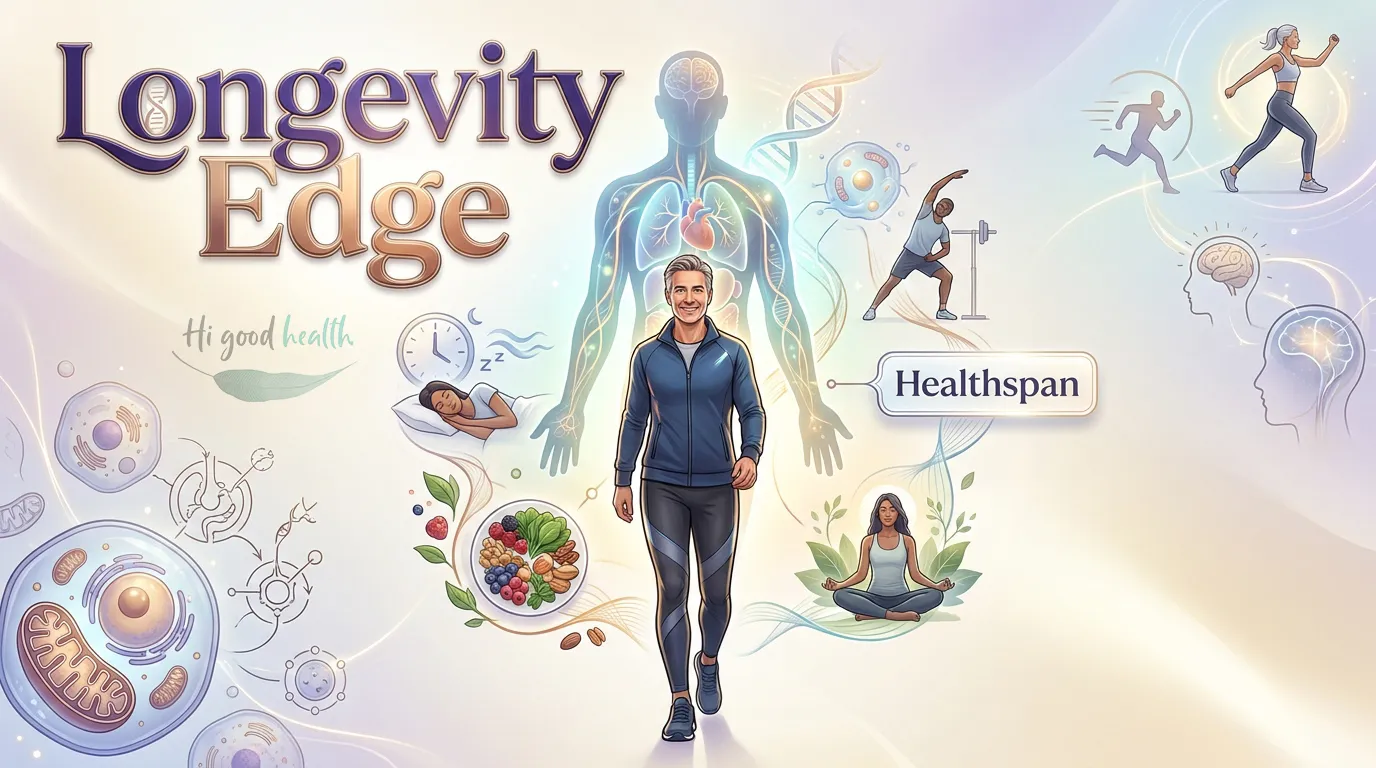
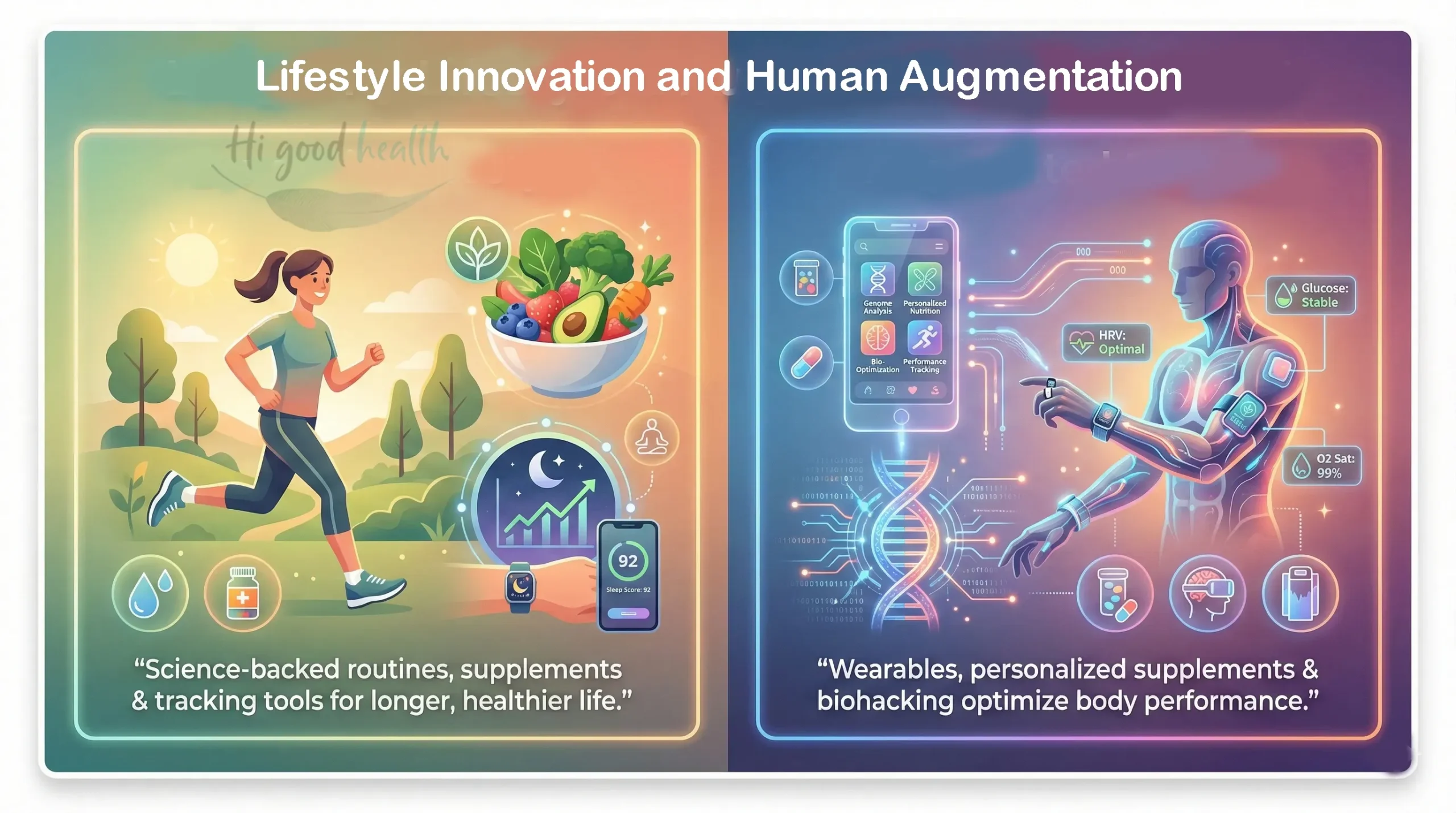
For centuries, humans have life searched for ways to extend life. In 2026, that quest is being rebranded as the longevity lifestyle—a mix of science-backed routines, supplements, and high-tech tracking tools designed not just to extend lifespan, but to maximize healthspan (the years spent healthy and independent).
At the heart of this movement is healthspan—the years you remain active, independent, and disease-free.
Parallel to this movement is the rise of “augmented biology”—the use of wearables, digital health apps, personalized supplements, and biohacking strategies to optimize the body’s cellular and metabolic performance.
From Silicon Valley billionaires funding anti-aging labs to everyday Americans downloading fasting apps, the longevity movement has gone mainstream. But does the science back the hype, and can the average person really afford to “biohack” their biology?
The Science of Longevity
Cellular Repair & Senescence
As we age, the body accumulates senescent cells, often called “zombie cells.” These cells no longer function properly but continue releasing inflammatory signals that damage surrounding tissue.
Senolytic drugs like Dasatinib plus Quercetin are designed to clear these cells. Early human trials, including small studies from Mayo Clinic, show they can reduce markers of senescent cells in patients with certain conditions like diabetic kidney disease. However, senolytics are still experimental—they are not approved for anti-aging use, and long-term safety data in healthy people is limited.
Senomorphics are a newer class of compounds being discussed in research circles. Instead of killing senescent cells, they aim to “silence” the toxic signals these cells send out. This area is even earlier in development than senolytics.
Bottom line: The science is promising, but these are not yet ready-for-prime-time longevity treatments for the general public.
Telomere Theory: Telomeres and Aging
Telomeres are protective caps on the ends of your DNA strands. They naturally shorten each time a cell divides, and when they get too short, cells stop working properly.
- Healthy habits—good nutrition, regular exercise, and stress management—appear to slow telomere shortening.
- Extreme stress, smoking, and poor diet may speed it up.
While telomere length is one marker of biological aging, it’s not the whole story.
Other Key Mechanisms of Aging
1. Epigenetic Alterations
Epigenetics refers to changes in gene expression without altering the DNA sequence itself.
- Chemical modifications (like DNA methylation) can turn genes “on” or “off”
- Aging is associated with progressive epigenetic drift, affecting cellular function
- Environmental factors—diet, toxins, stress—can influence these changes
Epigenetic clocks are now being studied as markers of biological age.
2. Mitochondrial Dysfunction
Mitochondria are the energy-producing structures within cells.
- With age, mitochondrial efficiency declines
- This leads to reduced energy production and increased oxidative stress
- Mitochondrial dysfunction is linked to fatigue, metabolic disorders, and neurodegenerative diseases
3. Stem Cell Exhaustion
Stem cells are responsible for tissue repair and regeneration.
- Over time, their number and function decline
- This contributes to slower healing, reduced immune response, and tissue degeneration
4. Impaired Autophagy: Why Cellular Cleanup Slows With Age
Autophagy is the body’s process of clearing damaged cellular components.
- It helps remove defective proteins and organelles
- With aging, autophagy becomes less efficient
- This leads to accumulation of cellular “waste,” contributing to diseases such as neurodegeneration
5. Dysregulated Nutrient Sensing
Cells rely on nutrient-sensing pathways to regulate growth and metabolism.
Key pathways include:
- Insulin/IGF-1 signaling
- mTOR pathway
- AMPK pathway
With aging:
- These pathways can become dysregulated
- This contributes to metabolic diseases, inflammation, and reduced longevity
Caloric balance and metabolic health play important roles in maintaining proper signaling.
Autophagy and Fasting: Caloric Restriction, Intermittent Fasting and Cellular Cleanup
Autophagy — from the Greek for “self-eating” — is the process by which cells break down and recycle damaged proteins and worn-out internal machinery.
It is the reason fasting keeps appearing in longevity research: nutrient scarcity suppresses the mTOR pathway, and suppressing mTOR releases the brake on autophagy. Yoshinori Ohsumi won the 2016 Nobel Prize in Physiology or Medicine for working out how it operates.
What is actually known about autophagy and fasting is narrower than the internet suggests. The widely repeated claim that autophagy switches on at the 16-hour mark comes largely from rodent studies, and mice run a metabolism several times faster than ours.
There is no home test that tells you whether your own autophagy has increased, and no established human dose-response curve for fasting duration.
What is reasonably established is that fasting periods, calorie restriction and exercise all raise autophagy markers, and all three independently track with better metabolic health. The practical version is unglamorous: a consistent 12 to 14 hour overnight fast, regular exercise, and not eating late at night captures most of what is measurable, without the risks that come with extended fasts.
Decades of animal research show that eating fewer calories (without malnutrition) can extend lifespan. In humans, we don’t yet have long-term proof that calorie restriction adds years, but it does improve metabolic markers like blood sugar and inflammation.
Intermittent fasting has surged in popularity, with apps like Zero and Fastic making it easy to track eating windows. The 2026 trend is “Protein-Sparing Fasting”—making sure you eat enough protein (around 1.2 to 1.6 grams per kilogram of body weight) during your eating window to protect muscle while fasting.
Discover how to choose the right protein, when to take it, and how it supports mental wellness in our complete guide, Which Protein Is Best for You—Find Your Match, Ideal Timing & Mental Wellness.
Important safety note: Intermittent fasting is not recommended for children, pregnant or nursing women, or people with a history of eating disorders. If you have diabetes or take medications that affect blood sugar, talk to your doctor before starting any fasting routine.
Exercise and Muscle Preservation: The Strongest Predictor of Healthy Aging
Resistance training (lifting weights, bodyweight exercises, resistance bands) is one of the strongest predictors of healthy aging. It helps prevent muscle loss, keeps bones strong, and improves balance and independence.
Cardiorespiratory fitness (CRF)—often measured as VO₂ max—reflects how well your heart, lungs, and muscles use oxygen during exercise. Higher fitness levels are strongly linked to longer life.
In fact, large studies show that moving from a low fitness level to even a below-average level can reduce the risk of dying by 30% to 50%. The benefit continues as you get fitter—there’s no upper limit where more fitness stops helping.
A recent overview of 26 systematic reviews covering more than 20 million people found that high cardiorespiratory fitness cuts all-cause mortality risk in half when compared to low fitness, and every 1-unit increase in fitness (measured in METs) lowers death risk by 11% to 17%.
Protein plus strength training: Research shows that older adults who combine higher protein intake (around 1.2 to 1.6 grams per kilogram of body weight) with regular resistance training see much greater improvements in muscle strength and physical function compared to those who only exercise. One meta-analysis found that this combination reduced markers of frailty significantly more than exercise alone.
- To learn more about preventing age-related muscle loss, read our detailed blog “Senior Nutrition 2026—Prevent Muscle Loss with the Latest Science
- To know more about appropriate exercise for you, read our detailed blog “Is Your Daily Walk Doing Enough? Debunking Myths & Finding Your Holistic Exercise Sweet Spot
Blue Zones Diet: What the Longest-Lived Populations Actually Eat
The blue zones are five regions identified as having unusually high numbers of people reaching very old age: Okinawa in Japan, Sardinia in Italy, Ikaria in Greece, Nicoya in Costa Rica, and Loma Linda in California — the only one in the United States.
The blue zones diet is the eating pattern they share, and it is far less exotic than the longevity industry tends to imply.
What the five diets have in common: roughly 90 to 95 percent of calories from plants; beans and lentils as the protein anchor, at around a cup a day; whole grains rather than refined; and nuts as the routine snack.
Also common to all five: very little meat, traditionally a few times a month rather than a few times a day; almost no ultra-processed food; and moderate wine with meals in some regions, though not all of them.
What usually gets left out is that the habits are not only dietary. Daily unstructured movement — gardening, walking hills, housework — rather than gym sessions. Eating to about 80 percent full, the Okinawan practice of hara hachi bu.
Strong family and community ties, and a stated sense of purpose. Loma Linda’s Seventh-day Adventists, who are largely non-smoking and non-drinking, make the point that no single food explains any of it.
An honest caveat: the blue zones work is observational, and it has been criticized. Some of the extreme-age records rest on weak birth registration, and later analyses have questioned how reliable the very oldest ages are.
That does not undo the dietary picture, which lines up with the wider evidence on plant-forward eating — but it is a reason to treat the blue zones as a well-supported pattern rather than a proven formula.
If you borrow one thing from the blue zones diet, make it beans. The daily legume habit is the single most consistent feature across all five regions, and it is the cheapest item on the list.
Augmented Biology: Tools of the Longevity Lifestyle
Wearables & Tracking
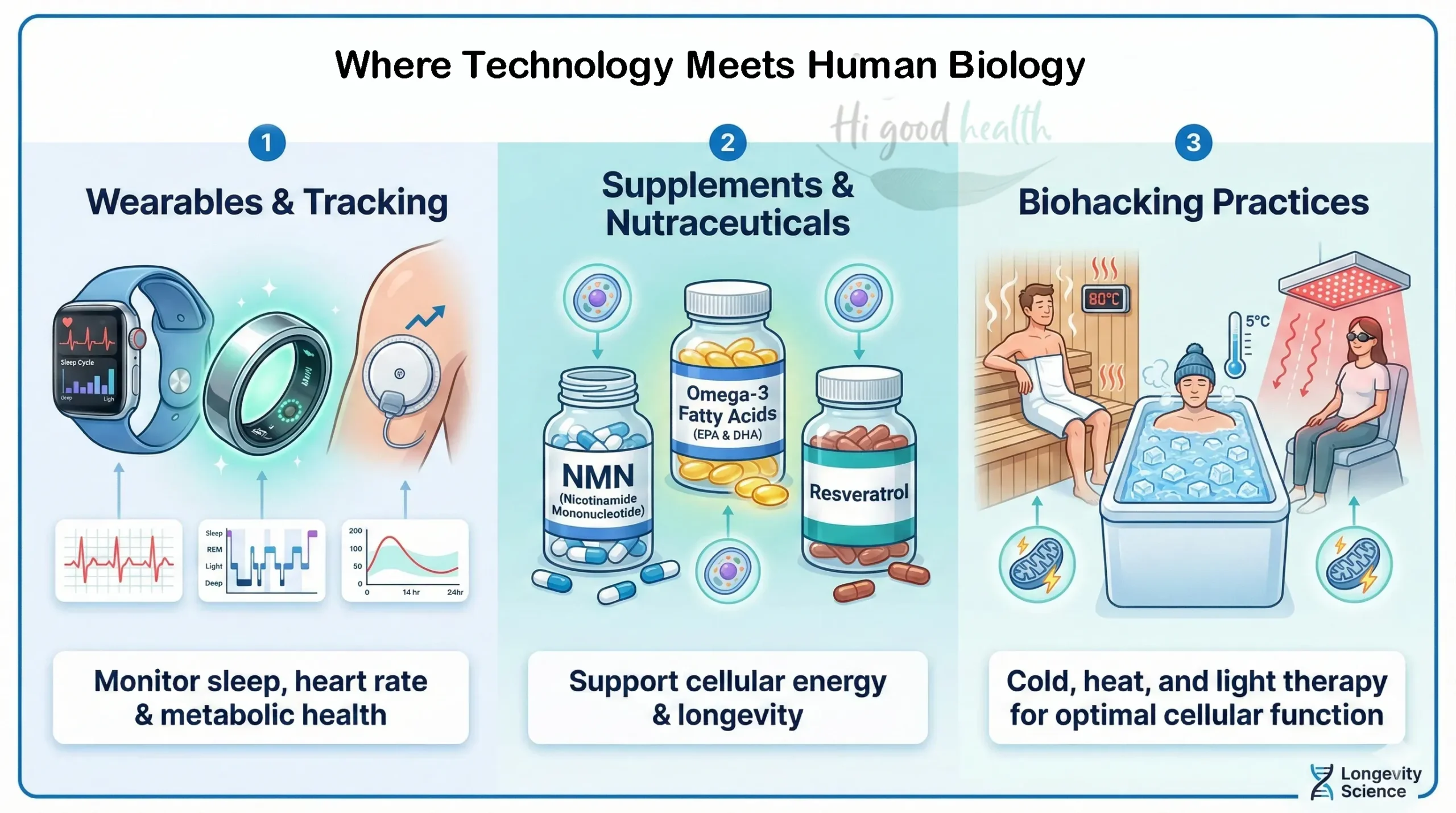
Modern longevity relies heavily on real-time data. Devices like the Oura Ring, Whoop, and Apple Watch track sleep quality, heart rate variability, resting heart rate, and daily activity. Many people use these “readiness scores” to decide when to push hard in a workout or when to take it easy.
Continuous glucose monitors (CGMs) were originally designed for people with diabetes, but in 2026, some non-diabetics are using them to see how different foods affect their blood sugar. This is a key part of “augmented biology”—using data to personalize your diet.
Note: Medical guidelines do not currently recommend CGMs for routine use in healthy people without diabetes, and insurance typically won’t cover them for non-diabetic use. Most people access them through direct-to-consumer programs.
Supplements & Nutraceuticals
The supplement industry has shifted from generic vitamins to personalized protocols The longevity supplement market is booming, but buyer beware—many products have more hype than hard science.
NMN and NAD+ boosters: These compounds play a role in cellular energy production and show interesting results in animal studies. However, human evidence remains limited, and no major health authority has approved them for anti-aging. They should not replace proven lifestyle basics.
Resveratrol & spermidine: Found in red wine, grapes, and wheat germ, these compounds have anti-aging effects in lab studies. Human trials are mixed, and benefits—if any—appear modest.
Omega-3s & Vitamin D: These have strong evidence for heart health, brain function, and immune support. Many Americans are deficient in vitamin D, especially in winter months.
Urolithin A: Increasingly popular for its ability to trigger mitophagy—the clearing out of old, dysfunctional mitochondria. But more long-term human data is needed to claim it extends lifespan.
Fisetin: A potent senolytic found in strawberries used to help clear “zombie cells” that drive chronic inflammation.
Creatine: Gaining mainstream recognition for its roles beyond muscle—specifically in cognitive health and cellular energy management.
Curious how antioxidants help slow aging and protect your body? Dive into our guide, The Antioxidant Shield—Your Body’s First Line of Defense Against Disease.
General advice: Focus on a nutrient-rich diet first. Supplements can fill gaps but shouldn’t be the foundation of a longevity plan. Always talk to your doctor before starting new supplements, especially if you have chronic conditions or take medications.
Biohacking Practices
“Biohacking” refers to self-experimenting with practices meant to optimize health:
- Cold exposure (ice baths, cold showers): May improve circulation and resilience to stress. Start slowly and avoid if you have heart disease or uncontrolled high blood pressure.
- Heat therapy (saunas): Regular sauna use is linked to better heart health in observational studies from Finland.
- Red light therapy: Claimed to boost mitochondrial function and skin health, but high-quality human studies are still limited.
These practices are generally safe when done in moderation, but they’re not miracle cures. Always listen to your body and consult a healthcare provider if you have pre-existing conditions.
Case Studies: Americans Living Longevity Lifestyles
Case 1: Brian, 38, California
Tech entrepreneur tracks everything: sleep, glucose, ketones. His regimen includes intermittent fasting, NMN supplements, and cold plunges. Reports improved focus and recovery.
Case 2: Patricia, 67, Florida
Retired teacher follows a plant-forward Mediterranean diet, practices yoga, and uses a smartwatch to track activity. Her goal is maintaining independence, not immortality.
Case 3: Jamal, 52, Chicago
Pre-diabetic father of three adopted time-restricted eating and strength training. Lost 20 pounds, lowered blood sugar, and says he feels “younger than at 40.”
Benefits of Longevity Lifestyle
- Reduced risk of chronic diseases (heart disease, type 2 diabetes, dementia)
- Improved energy and mental clarity
- Delayed frailty and disability
- Stronger immune function
- Increased healthspan, not just lifespan
Pitfalls & Risks
While the longevity movement offers exciting possibilities, it also comes with important limitations and risks that shouldn’t be overlooked.
Hype products: Many supplements and gadgets lack strong scientific backing. Don’t be swayed by celebrity endorsements or dramatic before-and-after photos.
Data overload: Constant tracking can cause anxiety. Some people develop “orthosomnia” (obsessing over sleep scores) or stress about daily “readiness” metrics. Remember: trends over weeks matter more than single-night data.
Equity gap: High-end biohacking tools, boutique longevity clinics, and experimental treatments remain accessible mostly to wealthy Americans. The good news is that the most effective longevity practices—exercise, good sleep, healthy eating, and social connection—are free or low-cost.
Unknown long-term effects: Senolytic drugs, NAD+ boosters, and many biohacks are still experimental. Don’t self-medicate with these compounds, especially if you have chronic health conditions.
The Business of Longevity in America
The longevity economy is massive. Analysts estimate that older adults (age 50+) contribute trillions of dollars annually to global economic activity. Some researchers describe it as an “eighth-continent-sized economy” because of its sheer scale. Within that, the Age-Tech segment—wearables, AI-powered care platforms, telemedicine, and digital health tools—is a fast-growing multi-trillion-dollar industry.
US investment in longevity biotech: Dozens of startups are racing to develop therapies that delay aging or treat age-related diseases:
- Altos Labs (backed by $3 billion in funding) has entered human clinical trials focusing on cellular rejuvenation.
- Insilico Medicine uses AI to discover new drugs for age-related diseases.
- LyGenesis is working on organ regeneration therapies.
- The other top companies leading life extension research are Calico labs, Retro Biosciences, NewLimit, Unity Biotechnology, Juvenescence, Insilico Medicine, Life Biosciences, Rejuvenate Bio, BioAge Labs, and Oisin Biotechnologies.
The investment focus in 2026 has shifted from “moonshot” goals (trying to live to 150) to Geroscience—developing therapies that delay the onset of multiple chronic diseases at once, thereby extending healthspan.
Insurance angle: Some U.S. insurers are piloting programs that reward healthy behaviors. For example, John Hancock’s Vitality program and similar plans offer discounts or benefits when customers share data from verified wearables showing consistent physical activity and healthy habits. Some high-net-worth life insurance policies now include annual “biological age” testing (using epigenetic clocks) to help policyholders manage their health proactively.
To understand how AI is transforming patient care, read our blog AI in Healthcare: Promise vs Pitfalls for Patients in 2025
To evaluate the real impact of wearables, read Wearable Health Tech for Seniors in 2025—Hype vs Reality
To discover essential diagnostics, read Hidden Blood Tests for Peak Health
Longevity for Everyday Americans
Not everyone can afford $5,000 smart beds or experimental pills. But the core longevity practices are accessible to nearly everyone:
- Regular exercise (especially strength training 2–3 times per week)
- Balanced diet (Mediterranean or DASH diet patterns)
- Quality sleep (7–9 hours per night)
- Stress management (mindfulness, therapy, hobbies)
- Social connection (linked to longer, healthier life)
Harvard’s Study of Adult Development, the world’s longest-running study on happiness and health, shows that strong social relationships are one of the most powerful predictors of long-term well-being and longevity.
Loneliness in older adults is more than an emotional issue—it’s a public health crisis. Learn more in our blog, Senior Loneliness—America’s $6.7 Billion Healthcare Crisis That’s Killing Our Parents.
Short- vs Long-Term Impacts
Short-Term Benefits
- More energy, better sleep quality, improved mood
- Weight loss and reduced inflammation markers
- Better blood sugar control
Long-Term Benefits
- Lower burden of chronic diseases (heart disease, diabetes, dementia)
- Healthier cognitive function as you age
- Greater physical independence in older age
To understand how to protect your brain as you age, explore our blog, Is Your Brain Getting Tired? Spot Early Signs & Prevent Alzheimer’s & Parkinson’s.
How to Live Longer: A Step-by-Step Longevity Lifestyle Plan for 2026
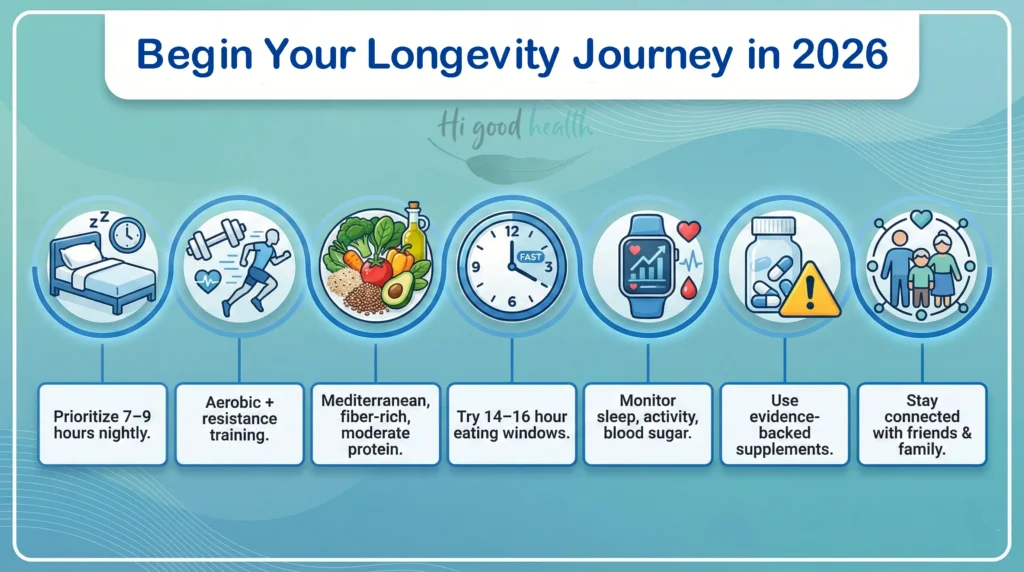
1. Start with Sleep
Prioritize 7–9 hours per night. Keep a consistent sleep schedule, limit screen time before bed, and create a cool, dark bedroom.
2. Train Smart
Mix aerobic activity (walking, jogging, cycling) with resistance training (weights, bands, bodyweight exercises). Aim for at least 150 minutes of moderate activity per week plus 2 strength sessions.
Don’t Forget Balance: As we age, stability becomes a “survival skill.” Incorporate 5 minutes of balance work (like standing on one leg while brushing your teeth) or mobility exercises (like Yoga or Tai Chi) to prevent future injury.
3. Eat for Longevity
Focus on whole foods: vegetables, fruits, whole grains, lean proteins, healthy fats (like olive oil and nuts). The Mediterranean diet is one of the most well-studied eating patterns for longevity.
To explore dietary strategies in depth, read our blog, Senior Nutrition in 2025—Protein, Supplements & Plant-Based Diets.
4. Experiment with Fasting (If Appropriate for You)
Try a 14- to 16-hour overnight fast (for example, finish dinner by 7 PM and don’t eat again until 9 or 11 AM).
Eat a bigger breakfast and a lighter, earlier dinner. This helps your body’s internal clock stay in sync, which improves metabolism and sleep quality. Avoid extreme fasting protocols, and check with your doctor if you have any medical conditions.
5. Track What Matters
Use a fitness tracker or smartwatch to monitor sleep, daily steps, and heart rate trends. Don’t obsess over every metric—focus on overall patterns over weeks and months.
To learn more about wearable technology for better sleep, read our detailed blog The Future of Wearable Sleep Tech—Beyond Smartwatches
And do track your hygiene including oral health and environmental health (clean living).
6. Be Skeptical of Hype
Stick with supplements and practices that have solid scientific backing. If something sounds too good to be true, it probably is.
7. Build Social Habits
Stay connected with friends, family, and community. Volunteer, join clubs, or simply make time for regular phone calls. Loneliness is as harmful to health as smoking 15 cigarettes a day, according to some studies.
To understand how antioxidants protect your body, read our blog, The Antioxidant Shield—Your Body’s First Line of Defense Against Disease.
What Experts Say
NIH: “Lifestyle interventions remain the most proven longevity strategy.” The National Institute on Aging emphasizes exercise, nutrition, social engagement, and cognitive stimulation.
Mayo Clinic: Warns against over-reliance on unproven supplements and experimental therapies. Foundation first—optimize sleep, diet, and exercise before adding exotic interventions.
Longevity scientists: Cautiously optimistic about senolytics, NAD+ boosters, and other emerging therapies, but stress that human trials are still in early stages and long-term safety is unknown.
Key Takeaways
- Longevity in 2026 means healthspan — years lived in good health. Nothing on the market has been shown to extend maximum human lifespan.
- The highest-evidence interventions are free: sleep, resistance training, cardiorespiratory fitness, a plant-forward diet, not smoking, and social connection.
- Cardiorespiratory fitness is the strongest single measurable predictor; moving from a low fitness level to even below-average substantially lowers mortality risk.
- Autophagy and fasting are real biology, but the precise timing claims come mostly from rodent studies. A consistent 12 to 14 hour overnight fast captures most of the benefit.
- The blue zones diet is roughly 90 percent plants with beans as the protein anchor — and the non-food habits, daily movement, purpose and community, matter as much as the menu.
- Senolytics, NAD+ and NMN boosters and biological-age clocks are research-stage, not approved anti-aging treatments. Do not self-medicate with them.
- Wearables and CGMs are useful for spotting trends, not for daily verdicts. Guidelines do not recommend CGMs for healthy non-diabetics, and constant tracking carries its own cost in anxiety.
Frequently Asked Questions
1. What is the difference between lifespan and healthspan?
Lifespan is the total number of years you live, while healthspan measures the years spent in good health without disability or chronic disease. The modern longevity goal is not just living longer, but maximizing independent, healthy years.
2. What is “augmented biology” and how does it work?
Augmented biology uses technology—wearables, apps, personalized supplements—to optimize the body’s performance. It’s about using data to “biohack” your biology for peak function. Think of it as using modern tools to fine-tune ancient biology.
3. Do anti-aging supplements like NMN really work?
Some compounds like NMN show promise in animal studies and early human research, but robust long-term human evidence is still lacking. Whether it actually turns back the clock or adds years to your life is still up for debate—the data just isn’t there yet Experts warn against hype. Supplements should support—not replace—proven lifestyle pillars like sleep, exercise, and good nutrition.
4. Is the longevity lifestyle expensive to maintain?
No. While billionaires fund expensive labs and boutique clinics, the core pillars of longevity in 2026 are actually some of the cheapest health interventions available: regular strength training, 7–9 hours of sleep, whole-food-based eating, stress management, and strong social ties.
5. Is intermittent fasting safe for everyone?
Fasting can improve metabolic health for many people, but it’s not for everyone. Beginners should try moderate 14- to 16-hour windows rather than extreme protocols. Intermittent fasting is generally not recommended for:
Children and teenagers
Pregnant or nursing women
People with a history of eating disorders
Those with diabetes or on blood-sugar-lowering medications (consult your doctor first)
6. What is the single best exercise for aging?
Resistance training is one of the strongest predictors of healthy aging, helping prevent muscle loss, maintain bone density, and reduce frailty. Studies show that older adults who combine strength training with adequate protein intake see significant improvements in strength and function. However, the ideal approach combines resistance work with aerobic exercise for heart, lung, and metabolic health.
Wondering if your daily walk is enough? Discover the right balance of exercise in our guide, Is Your Daily Walk Doing Enough? Debunking Myths & Finding Your Holistic Exercise Sweet Spot.
7. Why do non-diabetics use Continuous Glucose Monitors (CGMs)?
Non-diabetics use CGMs to see in real-time metabolic feedback how different foods, exercise, and sleep affect their blood sugar. It’s a key tool in “augmented biology,” helping users make immediate adjustments to diet and lifestyle. However, CGMs are not medically necessary for people without diabetes, and most use them through direct-to-consumer programs.
8. Are biohacking practices like cold plunges safe?
Practices like cold exposure and saunas are generally safe for healthy people when done in moderation. However, they carry risks if done to extremes or by people with certain health conditions (like heart disease or uncontrolled high blood pressure). Not recommended for children as they have a high surface-area-to-mass ratio, which causes rapid heat loss and higher hypothermia risk. Always start slowly, listen to your body, and consult your healthcare provider if you have any concerns.
9. How can I live longer without spending money?
Almost everything with strong human evidence behind it is free. Sleep seven to nine hours on a consistent schedule. Do resistance training twice a week, and enough aerobic work to raise your cardiorespiratory fitness, which is the strongest single predictor in the data. Eat mostly plants, with beans, whole grains and nuts. Do not smoke. Keep close relationships and a reason to get up in the morning: the Harvard Adult Development Study found relationship quality predicted late-life health better than cholesterol did. The paid tier of longevity, meaning supplements, wearables and clinics, sits well behind all of that.
10. What is autophagy, and does fasting really trigger it?
Autophagy is the cell’s recycling process for damaged proteins and worn-out components, and yes, fasting increases it: nutrient scarcity suppresses the mTOR pathway, which releases the brake on autophagy. The caution belongs on the numbers rather than the mechanism. The widely repeated claim that autophagy switches on at 16 hours comes largely from rodent work, and mice run a much faster metabolism than we do. There is no home test for it. A consistent 12 to 14 hour overnight fast plus regular exercise is the version supported by human data.
11. What is the blue zones diet, and does it actually work?
The blue zones diet describes what people eat in five regions with unusually many very old residents: about 90 to 95 percent plants, beans daily, whole grains, nuts, little meat and almost no ultra-processed food. It works in the sense that it matches everything else the evidence says about plant-forward eating. It is worth knowing that the blue zones research itself is observational and has been criticized over the reliability of the birth records behind some extreme ages, so treat it as a well-supported pattern rather than proof of a formula.
12. Do telomeres really control how fast I age?
Telomeres, the protective caps on the ends of chromosomes, shorten as cells divide, and short telomeres are associated with age-related disease. But the relationship is not simple and runs in both directions: telomere length varies widely between healthy people of the same age, and commercial telomere tests have little proven value for individuals. Nothing is approved to lengthen them safely, and telomerase, the enzyme that does, is also active in most cancers, which is exactly why the body keeps it switched off in most tissues.
Final Thoughts
The longevity lifestyle and augmented biology movement capture America’s hope for control over aging. While billionaires chase radical life extension, the real revolution lies in accessible practices: sleep, nutrition, exercise, and community.
The 2026 Expert Verdict
The NIH message: Lifestyle is no longer “alternative” medicine—it’s the primary clinical recommendation for longevity. Exercise, nutrition, social connection, and cognitive engagement are the foundation.
The Mayo Clinic caution: Foundation over supplementation. Don’t add a 50th pill until you’ve optimized your 7-hour sleep window and built a consistent exercise routine.
The science frontier: We are in the “Data, Not Hype” era. Senolytics and NAD+ boosters are showing early promise in controlled trials, but long-term safety and effectiveness in healthy people are still unknown. Epigenetic testing (biological age clocks) is an exciting research tool, but it’s not yet a clinical gold standard for individuals.
Remember: This article is for general education and not a substitute for personalized medical advice. Talk to your doctor before making major changes to your diet, supplements, exercise, or fasting routine—especially if you have chronic health conditions or take medications.
Glossary
Healthspan: Years lived in good health, free of disability and chronic disease.
Senolytics: Experimental drugs designed to clear senescent “zombie” cells.
NAD+: A molecule involved in cellular energy production that declines with age.
VO₂ max: A measure of aerobic fitness—how efficiently your body uses oxygen during intense exercise.
Biohacking: Self-experimentation with health and longevity practices, often using technology and data tracking.
References
All reference links valid and accessible on 4 June 2026
- 1. NIH—Longevity Research: https://www.nia.nih.gov/news/topics/longevity
- 2. Harvard Adult Development Study: https://www.lifespanresearch.org/harvard-study/
- 3. Mayo Clinic—Anti-Aging Medicine: https://www.mayo.edu/research/centers-programs/robert-arlene-kogod-center-aging
- 4. Journal of Gerontology—Senescence Studies: https://academic.oup.com/biomedgerontology/article/74/Supplement_1/S1/5625198
- 5. AARP—The Longevity Economy: https://www.aarp.org/pri/topics/work-finances-retirement/economics-aging/global-longevity-economy/
- 6. British Journal of Sports Medicine—Cardiorespiratory Fitness Meta-Analysis: https://bjsm.bmj.com/content/58/10/556
- 7. JAMA Network Open—Fitness and Mortality Study: https://jamanetwork.com/journals/jamanetworkopen/fullarticle/2707428
- 8. Mayo Clinic—Senolytics in Humans: https://pmc.ncbi.nlm.nih.gov/articles/PMC6796530/
- 9. Meta-Analysis—Protein and Resistance Training in Elderly: https://pmc.ncbi.nlm.nih.gov/articles/PMC12280458/
- The top 11 longevity companies leading the quest for life extension – Ross Dawson https://rossdawson.com/futurist/companies-creating-future/top-11-longevity-companies-life-extension-immortality/
- López-Otín C, et al. (2013). The Hallmarks of Aging. Cell
