Longevity in 2026: What Really Helps You Live Longer, Healthier
Everyone wants a longer life. But the real question in 2026 is not just how to live longer — it is how to stay healthy, active, and independent for more years.
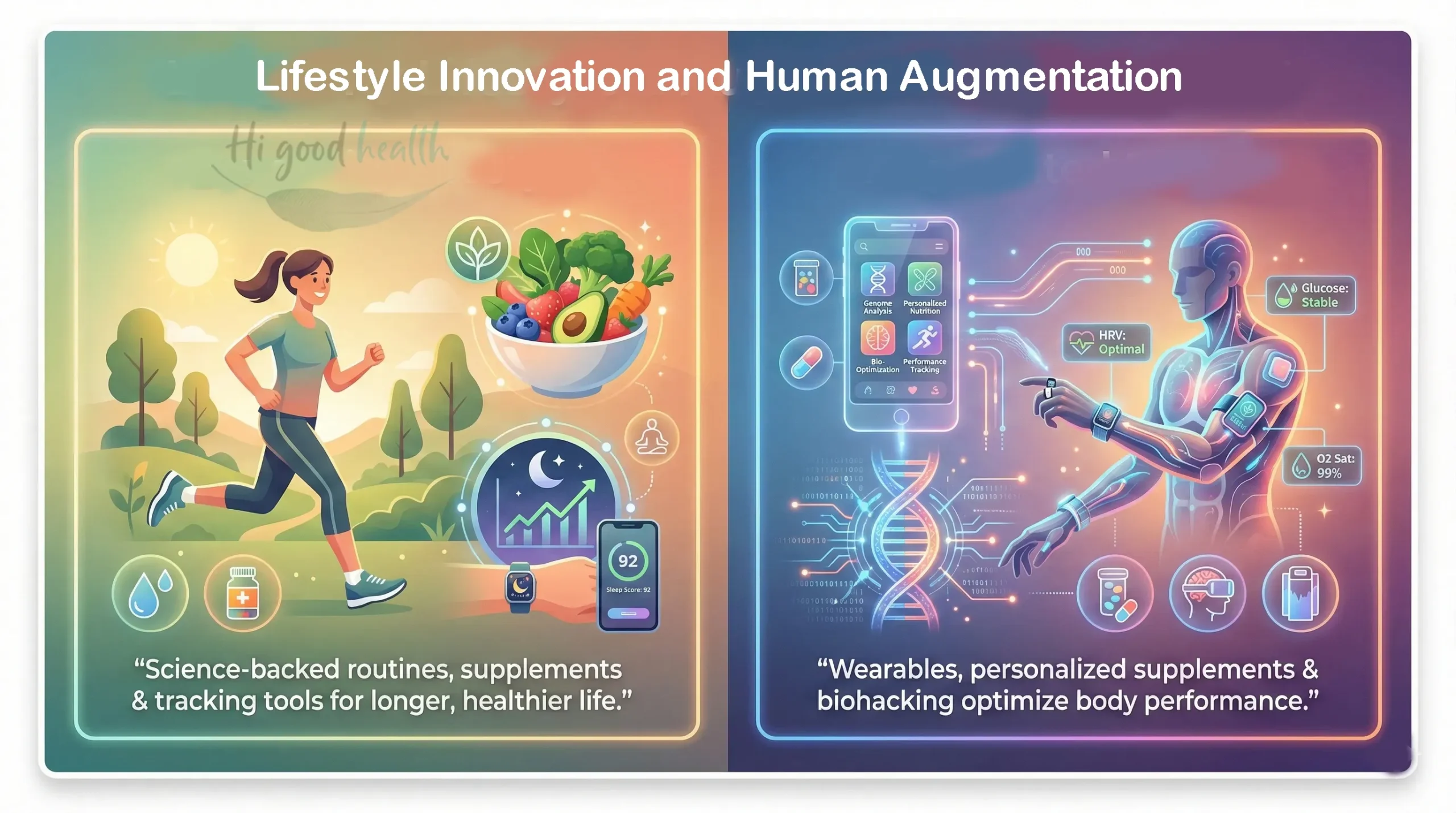
That is what the new longevity lifestyle is all about. From fasting apps and smartwatches to supplements and biohacking trends, the space has gone mainstream. But the biggest surprise is this: the most powerful longevity tools are still the simplest ones.
Regular exercise, especially strength training, can protect your muscles, bones, and balance as you age. Good sleep, a balanced diet, stress control, and staying socially connected all matter more than expensive gadgets or hype-filled pills.
Some experimental treatments, like senolytics or NAD boosters, are getting attention. But they are not ready to replace proven habits. For most people, the best path to healthy ageing is not extreme biohacking — it is consistency.
A practical longevity routine can start with a 14- to 16-hour overnight fast if your doctor says it is safe, 150 minutes of weekly movement, two strength sessions, better sleep, and more whole foods on your plate. In India, that can look as simple as dal, sabzi, fruits, nuts, curd, eggs, or fish — eaten in the right balance.
The promise of longevity is not immortality. It is more energy, fewer chronic diseases, and a better chance of staying independent later in life.
Bio: Dr. Laura Mitchell is an Oral and Maxillofacial Surgeon with experience in dental surgery, trauma management, and craniofacial procedures. She has worked on complex oral surgical treatments including dental implants, mandibular fracture management, cyst surgeries, and other advanced dental procedures. She is also actively involved in clinical research and scientific publications related to oral and maxillofacial surgery.
PhD in Life Sciences (Metabolic Disorders & Adipogenesis).
Job Role : Reviewer
Professional Role / Designation: Senior Metabolic Researcher & Health Educator.
Bio: With a Doctorate focused on how glucose and insulin regulate iron homeostasis, Diana brings deep scientific rigor to the study of obesity and metabolic health. Along with this she has worked on inflammation and cancer. As a Research associate at the prestigious Rajiv Gandhi Centre for Biotechnology, she is working on immune-cancer axis. She is passionate about translating complex laboratory findings into accessible knowledge that helps people prevent lifestyle diseases.
Special Skills: Expert in iron metabolism, glucose regulation, and obesity markers, Cancer, immunotherapy, inflammation. Skilled in breaking down complex biochemical processes for a general audience.
The content provided on higoodhealth.com is for general informational purposes only. While we strive to offer accurate and up-to-date content, much of the information is derived from publicly available sources and personal research. We do not make any warranties about the completeness, reliability, or accuracy of this information.