
Introduction: Why Senior Nutrition Matters More Than Ever
According to the ‘National Policy on Older Persons’ adopted by the Government of India in January 1999, ‘senior citizens’ or ‘elderly’ are those aged 60 yr and above. The population in India has nearly tripled in the last 50 yr, and the number of the elderly has increased over four-fold during the same time frame.
In 2019, of the estimated 1.366 billion population of India, the number of aged population (>65 yr) was 87 million, and by 2050, it is expected to reach 225 million. However, increased longevity is associated with non-communicable diseases (NCDs) and the average annual per capita out-of-pocket health spending in India is almost four times as high for older adults as that of younger adults. [18]
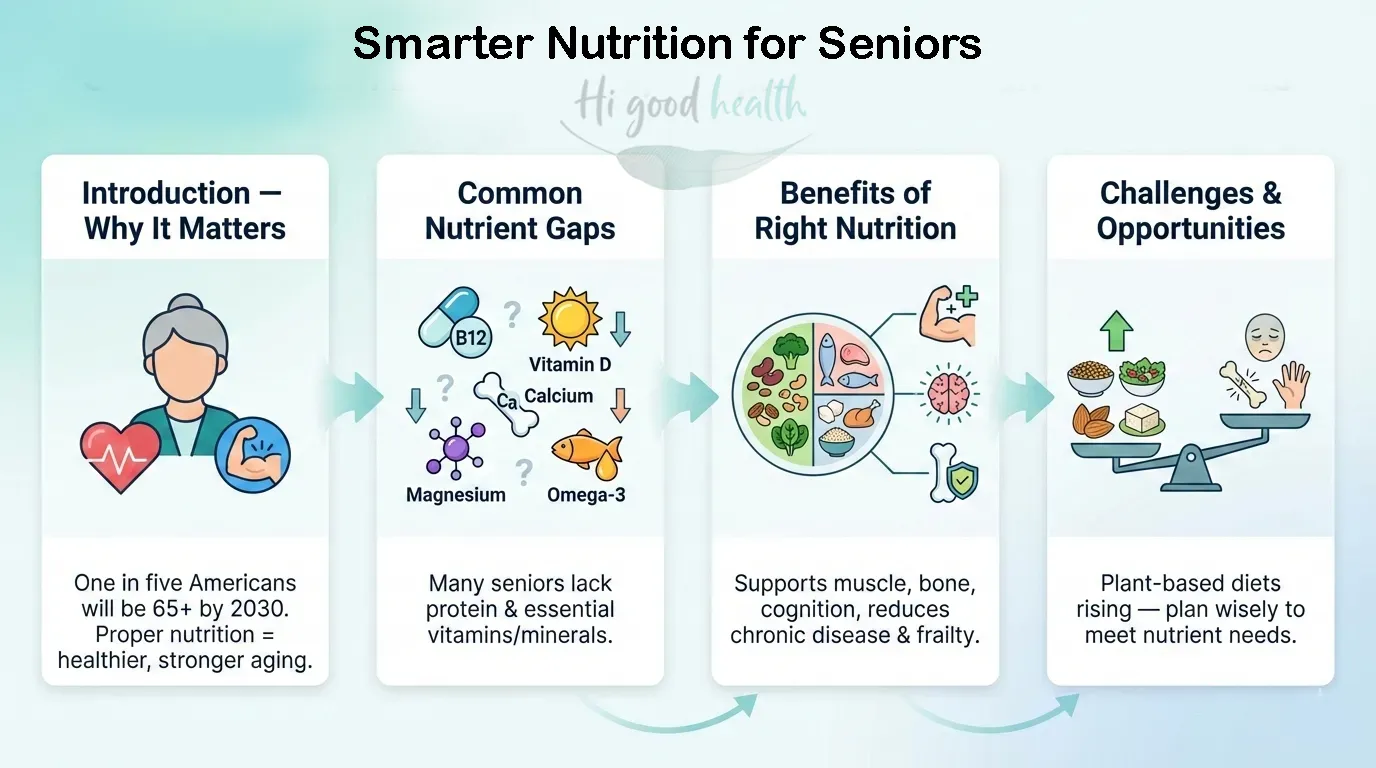
Malnutrition in older adults is often misunderstood. It does not only affect underweight individuals but can also occur in people who appear overweight or obese yet lack essential nutrition. Research suggests that protein, vitamin B12, vitamin D, calcium, magnesium, and omega-3 fatty acids are consistently lacking in senior diets[2]. Meanwhile, interest in plant-based eating has surged, raising both opportunities and challenges as such diet provide cardiovascular and metabolic benefits but they may also increase the risk of essential nutrients.
The right nutrition can help seniors maintain muscle, prevent fractures, support cognitive function, and reduce chronic disease risk. The wrong diet may accelerate frailty, illness, and dependence.
The Unique Nutrition Challenges of Seniors
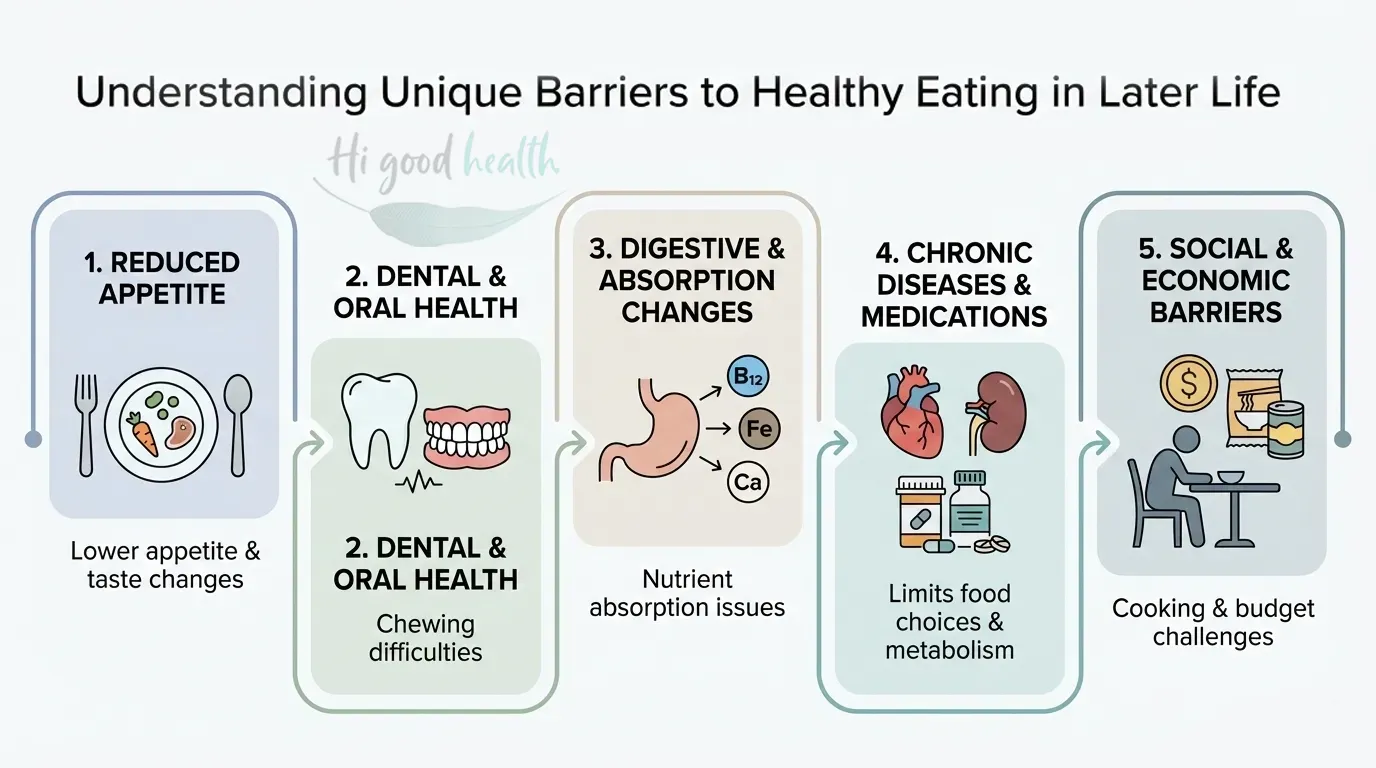
1. Reduced Appetite
- Aging is often associated with reduce appetite due to hormonal shifts and slower digestion.
- Certain medication can alter taste perception or cause nausea, further decreasing food intake.
2. Dental and Oral Health Issues
Oral health problems are common among older adults and can affect dietary quality.
- Missing teeth, dentures, and gum disease can make chewing difficult
- As a result, some seniors may rely on soft or highly processed food which are often lower in nutrients.
3. Digestive and Absorption Changes
- Stomach acid typically decreases with age, which can impair absorption of B12, iron, and calcium [3]
- Lactose intolerance may become more common, potentially lowering dairy intake and reduce calcium consumption.
4. Chronic Diseases and Medications
- Conditions such as Diabetes, kidney disease, and heart conditions may limit food choices may require dietary restrictions that limit certain food and nutrients.
- Polypharmacy (multiple medications) can interfere with nutrient metabolism, appetite and taste perception.
5. Social and Economic Barriers
Non-medical factors play a major role in nutrition among older adults.
- Seniors living alone may lack motivation to cook
- Fixed incomes may push many toward cheaper, ultra-processed foods
Why Protein Is Critical for Senior Health
Protein plays important role in maintaining muscle mass, strength, and independence. Inadequate protein consumption can contribute to Sarcopenia, age related loss of skeletal muscle mass and strength, which increase the risk of falls, frailty, disability and reduce quality of life.
- Recommended intake: The PROT-AGE Study Group recommends 1.0–1.2 g of protein per kg body weight daily for adults over 65 to support healthy ageing and muscle maintenance.[4]
- Reality: Research suggests many seniors consume less protein than recommended
Best Protein Sources for Seniors in the India
Older adults benefit from incorporating a variety of high-quality protein sources throughout the day, ideally distributed across meals.
- Animal-based proteins
- Lean meats such as chicken, turkey, and lean beef
- Fish and seafood (also provide beneficial omega-3 fatty acids)
- Eggs, which are nutrient-dense, affordable, and easy to chew
- Dairy and fortified alternatives
- Greek yogurt
- Cottage cheese
- Milk or fortified plant-based alternatives such as soy milk
- Plant-based proteins
- Beans and lentils
- Quinoa and other protein-rich grains
- Supplemental protein
- Protein powders (such as whey, soy, or pea protein) may be helpful for seniors experiencing reduced appetite, illness, or difficulty meeting protein needs through food alone.
The Role of Supplements
Dietary Supplements may help bridge nutritional gaps, but targeted supplementation is often more effective than generic multivitamins. Always consult your healthcare provider before starting any supplement regimen.
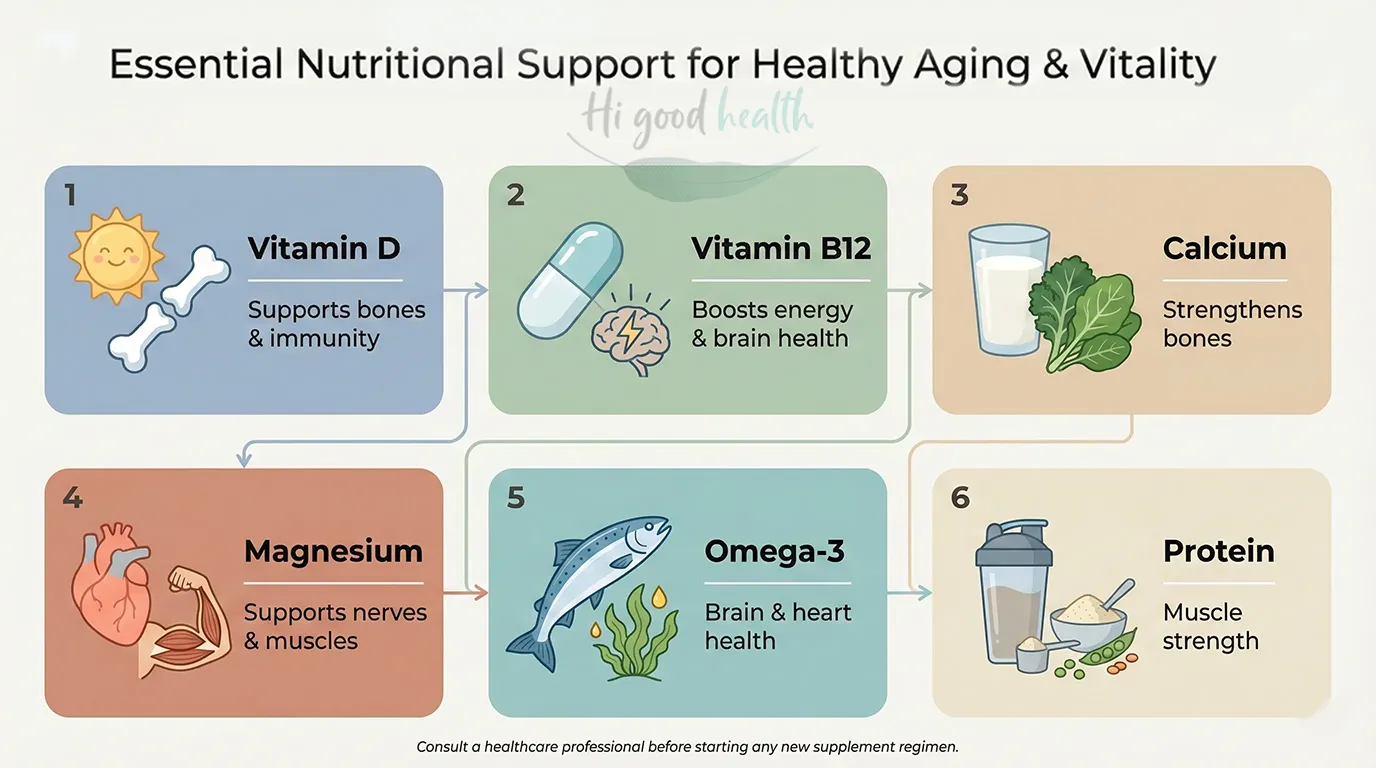
1. Vitamin D
- Deficiency is common in US seniors due to reduced sun exposure
- It plays Important role in bone health, immune function, and muscle function [6]
- Typical recommendation: 800–1000 IU daily (consult physician for personalized dosing)
2. Vitamin B12
- Absorption often declines with age due to reduced stomach acid production and decrease intrinsic factor availability.
- Deficiency may be linked to anemia, nerve damage, and cognitive concerns[7]
- Supplements or B12-fortified foods are often necessary for seniors which are easier to absorb than naturally occurring food sources.
3. Calcium
- Essential for bone density and prevention of osteoporosis.
- May be better absorbed from food sources (dairy, fortified plant milk, leafy greens) than from high-dose supplements
- Recommended daily intake: 1,000–1,200 mg for adults over 50[8]
4. Magnesium
- Magnesium plays a role in muscle contraction, nerve transmission, and cardiovascular function.
- Deficiency has been associated with sleep issues and heart rhythm concerns
5. Omega-3 Fatty Acids
- Omega-3 fatty acids contribute to brain, cardiovascular, and anti-inflammatory health. Important for brain and cardiovascular health[9]
- Found in fatty fish or algae-based supplements (suitable for plant-based seniors)
6. Protein Supplements
- Whey protein shakes may help those struggling to meet protein needs via food alone
- Plant-based protein powders are available for vegans
Plant-Based Diets: Opportunities and Considerations for Seniors
Plant-based eating has grown in popularity in the India, driven by health, ethical, and environmental concerns. For seniors, it may offer benefits but requires careful planning.
Potential Benefits
- High in fiber, which may help reduce constipation and support healthy cholesterol levels
- Rich in antioxidants, which may help lower inflammation[10]
- Research suggests plant-based diets may be associated with reduced risk of certain chronic diseases (heart disease, type 2 diabetes, some cancers)
Nutritional Considerations
- B12 deficiency risk (B12 is found naturally only in animal foods or fortified products)
- Possible lower intake of calcium, vitamin D, iron, and zinc without careful planning
- Protein quality: Plant proteins may lack one or more essential amino acids compared to animal proteins
Smart Plant-Based Strategies for Seniors
- Use fortified plant milks for calcium and B12
- Combine complementary protein sources (beans + rice, lentils + nuts)
- Include omega-3 from algae oil or ground flax/chia seeds
- Consider supplements tailored to vegans/seniors after consulting healthcare provider
Current recommendations and the need for deriving India-specific nutritional requirements for the elderly
The ICMR Expert Group on Nutrient Requirements35 has revised the nutrient requirements and recommended dietary allowances (RDA) for Indians by employing the latest state-of-the-art methodological framework in harmony with the dietary reference intake recommendations of international organizations like FAO/WHO/UNU (Food and Agriculture Organization/World Health Organization/United Nations University).
The latest ICMR-2020 recommendations include three important dietary reference values (specific to age, gender and physiological groups): estimated average requirements (EAR), RDA and tolerable upper intake level (TUL).[19]
The Science: How Nutrition Shapes Aging
1. Muscle and Bone Health
Adequate protein combined with vitamin D and calcium plays an important role in maintaining muscle mass and bone density and may help reduce the risk of sarcopenia and osteoporosis[12].
2. Brain Health
Certain nutrients—including omega-3 fatty acids, vitamin B12, and antioxidant compounds—have been associated with supporting cognitive function and brain health during aging[13].
3. Cardiovascular Health
Diets rich in dietary fiber, whole grains, fruits, and vegetables have been linked to improved cholesterol levels and better blood pressure regulation, which are important for cardiovascular health[14].
4. Immune Health
Adequate intake of zinc, vitamin C, protein, and other micronutrients supports normal immune function, which can become less efficient with age[15].
Short-Term vs Long-Term Impact of Good Nutrition
Short-Term Benefits May Include:
- Increased energy levels
- Better wound healing
- Improved mood and digestive function
Long-Term Benefits May Include:
- Reduced risk of falls and fractures
- Lower rates of certain chronic diseases
- Longer independence and healthier aging
Step-by-Step: Senior Nutrition Made Simple
1. Prioritize Protein
- Include a source of protein at each meal, not just dinner
- Older adults may benefit from ~1.0–1.2 g of protein per kg of body weight per day, depending on health status
2. Consider Supplements to Fill Nutrient Gaps
- Focus on vitamin D, B12, calcium, and omega-3 after consulting your doctor
- Periodic blood tests may help assess certain nutrient levels
3. Consider a Modified Plant-Based Approach
- Flexitarian diets (mostly plant-based with some animal foods) may support healthy aging when properly planned
- Ensure adequate B12, calcium, and complete protein sources
4. Use Available Support Programs
- Programs such as Meals on Wheels, senior centers, and SNAP may help improve access to nutritious meals
- Many communities offer senior focused nutrition programs
5. Stay Hydrated
- Dehydration can worsen nutrient absorption and contribute to frailty
- Aim for adequate fluid intake throughout the day, unless otherwise advised by a doctor.
6. Monitor With Your Healthcare Team
- Request annual blood tests to check vitamin and mineral levels
- Discuss any dietary changes or supplements with your doctor
What Health Organizations Recommend
- Academy of Nutrition and Dietetics : Notes that older adults may benefit from higher protein intake than the current Recommended Dietary Allowance (RDA) of 0.8 g/kg/day to help maintain muscle mass and function with aging [16].
- National Institutes of Health (NIH): Has identified widespread B12 and vitamin D deficiencies in the senior population [2] partly due to reduced absorption, lower dietary intake, and limited sun exposure [2].
- Harvard Health Publishing: States that plant-based diets can support healthy aging when they are well planned and include reliable sources of key nutrients such as vitamin B12, calcium, iron, and protein[17].
If you prefer a more visual version, check out our YouTube video here:
Frequently Asked Questions (FAQ)
Current guidelines from the PROT-AGE Study Group recommend 1.0–1.2 grams of protein per kilogram of body weight daily to help maintain muscle mass and independence[4]. Research suggests many seniors consume less than this recommended target.
Yes. While aging naturally involves some muscle loss (sarcopenia), research indicates that adequate protein intake combined with resistance exercise can help slow or even reverse this process in many individuals[5].
Supplements may help bridge gaps when absorption declines with age, specifically for vitamin D, B12, and calcium. However, targeted supplementation based on individual needs (assessed through blood work) is often more effective and safer than generic multivitamins. Always consult your healthcare provider[6][7].
Yes, plant-based diets can be appropriate for older adults, but they require careful planning to help prevent potential deficiencies in B12, iron, and calcium. Seniors following plant-based diets should use fortified foods and ensure they consume complementary protein sources. Regular monitoring by a healthcare provider is recommended[17].
Dental issues and medications may reduce intake. Consider soft, nutrient-dense options like Greek yogurt, eggs, smoothies, soups, and well-cooked vegetables. Protein powders (whey or plant-based) can also help meet nutritional needs when appetite is poor.
Research suggests that deficiencies in vitamin B12 and omega-3 fatty acids may be associated with cognitive concerns and increased dementia risk[13]. Proper nutrition, including adequate B vitamins and antioxidants, may support brain health as we age.
If eligible, utilize support programs like SNAP or Meals on Wheels. To save money, prioritize affordable, high-quality proteins such as eggs, canned fish, beans, and lentils rather than expensive cuts of meat. Frozen vegetables are often less expensive than fresh and equally nutritious. Buy in-season produce when possible.
Final Thoughts
Senior nutrition in 2026 is both a challenge and an opportunity. America’s aging population faces rising risks of malnutrition, yet the solutions are increasingly clear: prioritize adequate protein, supplement wisely based on individual needs, and embrace balanced eating patterns that may include plant-based foods.
Nutrition isn’t just about adding years to life—it’s about adding life to years. By investing in better dietary habits now, seniors can work toward maintaining independence, supporting health, and enjoying richer, more active aging.
Glossary
- Sarcopenia: Age-related loss of muscle mass and strength
- B12 Deficiency: Shortage of vitamin B12, which may cause anemia and neurological issues
- Flexitarian Diet: Eating pattern that is primarily plant-based but includes some animal foods
- Polypharmacy: The use of multiple medications by a single patient, common among seniors
- Omega-3 Fatty Acids: Essential fatty acids important for heart and brain health
- PROT-AGE: International study group providing evidence-based protein recommendations for older adults
- YMYL (Your Money or Your Life): Google’s classification for content that could impact health, financial stability, or safety
All reference links valid and accessible on 27 March 2026
[1] US Census Bureau. (2020). 2020 Census: 1 in 6 people in the United States were 65 and over. https://www.census.gov/
[2] National Institute on Aging. (2024). Nutrition and healthy aging. https://www.nia.nih.gov/health
[3] Linder, M. C. (2013). Nutritional biochemistry and metabolism with clinical applications. Elsevier Health Sciences.
[4] Bauer, J., et al. (2013). Evidence-based recommendations for optimal dietary protein intake in older people: a position paper from the PROT-AGE Study Group. Journal of the American Medical Directors Association, 14(8), 542-559. https://pubmed.ncbi.nlm.nih.gov/23867520/
[5] Stanford Lifestyle Medicine. (2024). Protein needs for adults 50+. https://lifestylemedicine.stanford.edu/protein-needs-for-adults-50/
[6] Institute of Medicine. (2011). Dietary reference intakes for calcium and vitamin D. National Academies Press.
[7] Office of Dietary Supplements, NIH. (2024). Vitamin B12 fact sheet for health professionals. https://ods.od.nih.gov/factsheets/VitaminB12-HealthProfessional/
[8] National Osteoporosis Foundation. (2024). Calcium and vitamin D. https://www.nof.org/
[9] Swanson, D., Block, R., & Mousa, S. A. (2012). Omega-3 fatty acids EPA and DHA: health benefits throughout life. Advances in Nutrition, 3(1), 1-7.
[10] Crowe, F. L., et al. (2013). Diet and risk of diverticular disease in Oxford cohort of European Prospective Investigation into Cancer and Nutrition. BMJ, 347, f4446.
[11] AARP Public Policy Institute. (2023). Malnutrition in older adults: The role of nutrition interventions. https://www.aarp.org/research/
[12] Dawson-Hughes, B. (2008). Serum 25-hydroxyvitamin D and functional outcomes in the elderly. American Journal of Clinical Nutrition, 88(2), 537S-540S.
[13] Morris, M. C., et al. (2015). MIND diet slows cognitive decline with aging. Alzheimer’s & Dementia, 11(9), 1015-1022.
[14] Reynolds, A., et al. (2019). Carbohydrate quality and human health: a series of systematic reviews and meta-analyses. The Lancet, 393(10170), 434-445.
[15] Maggini, S., Pierre, A., & Calder, P. C. (2018). Immune function and micronutrient requirements change over the life course. Nutrients, 10(10), 1531.
[16] Academy of Nutrition and Dietetics. (2024). Nutrition and healthy aging. https://www.eatright.org/
[17] Guasch-Ferré M, et al. (2025). Optimal dietary patterns for healthy aging. Nature Medicine. Harvard T.H. Chan School of Public Health. https://www.nature.com/articles/s41591-025-03570-5
[18] Ministry of Social Justice and Empowerment, Government of India. National policy for older persons. Available from: https://socialjustice.nic.in/writereaddata/UploadFile/ National%20Policy%20for%20Older%20Persons%20 Year%201999.pdf, accessed on June 21, 2022.
[19] National Institute of Nutrition. Indian Council of Medical Research. Department of Health Research. Ministry of Health and Family Welfare, Government of India. Nutrient requirements for Indians: Recommended dietary allowances & estimated average requirements for Indians-2020. New Delhi: ICMR-NIN, MoHFW, GoI; 2020.
Medical Disclaimer: This content is for informational and educational purposes only and is not intended as medical advice, diagnosis, or treatment. Always consult your physician or qualified healthcare provider before making changes to your diet, supplements, or health regimen.
