
Introduction: More Than Just a “Healthy” Pet
Have you ever looked at a slightly overweight dog and thought, “He looks healthy and well-fed”? In many Indian households, a chubby pet is often seen as a sign of love and good care. However, this perception can be misleading.
Pet obesity is an emerging health concern in India, particularly in urban settings. Veterinary observations indicate that nearly 30% of pet dogs presented to urban clinics are overweight, with higher prevalence among indoor pets, post-sterilized animals, and popular breeds such as Labrador Retrievers. Limited physical activity, calorie-rich diets, and overfeeding contribute significantly to this trend [1].
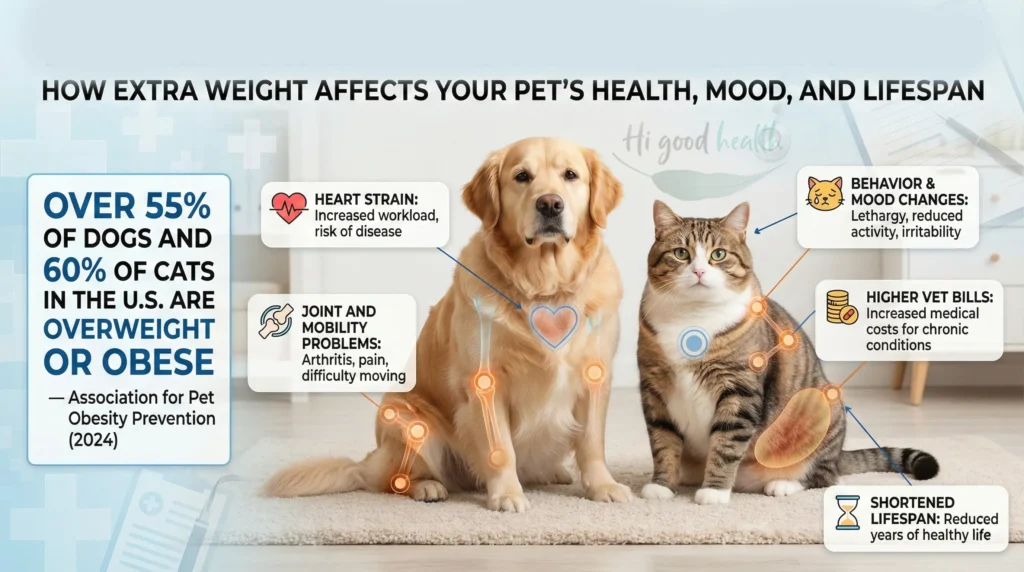
Beyond appearance, excess body weight predisposes pets to serious health issues, increases veterinary expenses, and can negatively affect behavior and quality of life. A major contributing factor is “normalcy bias,” where overweight pets are perceived as normal, and a healthy body condition is often mistaken for being underweight.
Thus, increasing awareness about ideal body condition and preventive care is essential to safeguard the long-term health and well-being of companion animals in India.
Beyond the Belly: The Diseases Caused by Pet Obesity
- Diabetes mellitus (especially in cats): Excess adipose tissue contributes to insulin resistance, leading to persistent hyperglycemia and eventual pancreatic dysfunction.
- Osteoarthritis (especially in dogs): Increased body weight places abnormal stress on joints, accelerating pain, inflammation, and progressive cartilage degeneration.
- Cardiovascular strain and heart disease: Obesity increases cardiac workload, potentially leading to reduced cardiac efficiency and exercise intolerance.
- Respiratory compromise: Fat deposition around the thorax and abdomen can restrict lung expansion, leading to difficulty in breathing and reduced stamina.
- Endocrine disorders exacerbation: Conditions like hypothyroidism in dogs accelerate weight gain, which aggravates the metabolic imbalance in obese dogs—creating a vicious cycle.
- Higher anesthetic and surgical risk: Obese animals have higher anesthetic risk, difficult airway management, and increased post-operative complications.
- Increased risk of cancer: Obesity has emerged as a significant health concern in companion animals, with growing evidence linking it to increased cancer risk, progression, and poorer outcomes [2].
The Financial Weight of Pet Obesity
Chronic Disease Management: Conditions like Diabetes (Cats) and Osteoarthritis (Labs/Goldens) can cost between ₹30,000 to ₹1.5 Lakh annually for insulin, monoclonal antibody injections (Librela), and specialized physiotherapy.
The “Surgical Surcharge”: Expect a 25–40% premium on any surgery, which can range from ₹ 40,000 to ₹ 4,50,000. Overweight pets require more anesthesia, advanced monitoring, and longer surgical time, leading many Indian surgeons to charge “high-risk” fees.
Emergency & Lifestyle Costs: Obese pets are prone to expensive heat stroke treatments (₹10k–₹25k per episode) and require prescription diets that can cost up to ₹9,000 per bag.
Emotional and Behavioral Costs: The Hidden Happiness Factor
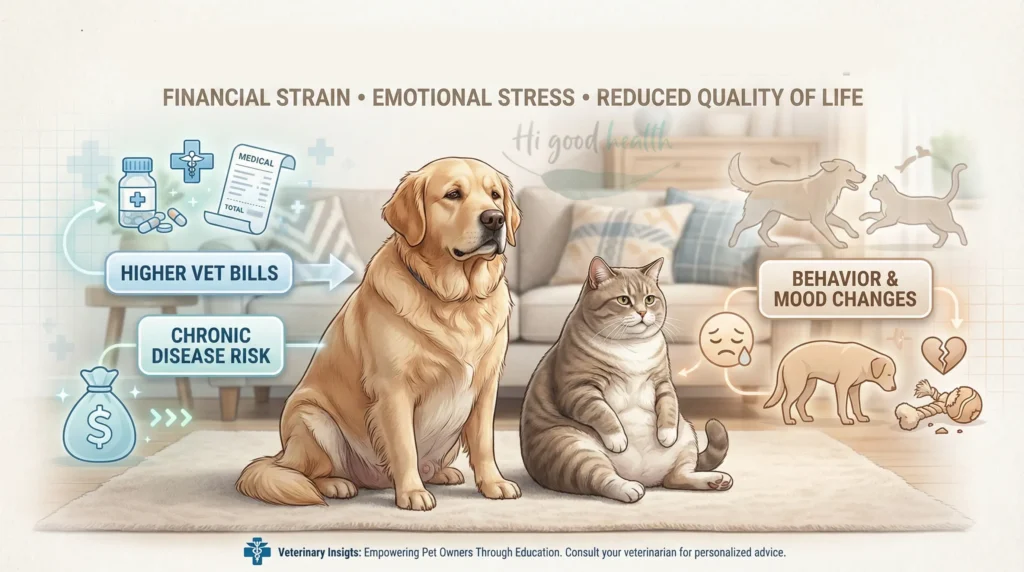
Here’s something many owners don’t realize: obesity doesn’t just slow your pet physically—it may impact their emotional well-being and behavior. Research in veterinary behavior science suggests that pets who maintain healthy activity levels tend to show more positive behavioral patterns.
Activity and Behavior Connection:
- Active pets often demonstrate calmer temperaments, increased playfulness, and reduced aggression.
- As weight increases, pets often exhibit decreased willingness to move, reduced play behavior, exercise intolerance and quicker fatigue.
- Overweight pets with reduced activity may also show signs of frustration, irritability and increased aggression a response to chronic joint discomfort and pain caused by excess weight.
- Weight loss and return to healthy activity levels can restore more positive personality traits.
This doesn’t just affect your pet. A stressed or unhappy dog is more likely to bark excessively, show aggression, or develop destructive habits—behaviors that ripple into family stress. By contrast, lean and active pets bring more joy, playfulness, and bonding moments to the entire household.
Research published in the Journal of Veterinary Behavior has shown that obesity in dogs is associated with behavioral changes, including reduced activity, increased stress-related behaviors, and lower overall quality of life, which may strain the human-pet bond [3].
Root Causes of Pet Obesity in India
1. Overfeeding and improper diet: Pet obesity in India is largely driven by excessive feeding and nutritionally imbalanced diets. Many pets are given high-carbohydrate home foods such as rice, chapati, and table scraps, along with frequent treats. Owners often associate overfeeding with affection, leading to excess calorie intake.
2. Lack of physical activity: Urban living conditions, particularly apartment lifestyles, limit opportunities for exercise. Dogs often receive inadequate walks, while indoor cats have minimal physical stimulation, contributing to weight gain.
3. Post-sterilization effects: Neutering leads to reduced metabolic rate and increased appetite. Without proper dietary adjustments, this hormonal change predisposes pets to obesity.
4. Owner awareness and normalcy bias: Many owners fail to recognize obesity and perceive overweight pets as healthy. This misperception delays intervention and allows weight gain to progress unnoticed.
5. Feeding of human food and treats: Regular feeding of calorie-dense food cooked for humans, snacks, and emotional feeding habits further increases caloric intake.
6. Lack of preventive veterinary guidance: Infrequent health check-ups and absence of structured diet or weight management plans contribute to poor monitoring and control of body condition.
How to Tell if Your Dog is Overweight
The first step to help an overweight or obese dog is to recognise and admit there is a problem. Media often shows overweight dogs, making it hard to judge what a healthy, fit dog looks like. Your veterinarian can help by assessing your pet [4]. While the weight on the scale is useful, vets mainly use the Body Condition Score (BCS) to check true health. It’s like a quick “hands-on” physical check. In 2026, the aim is for every pet to have a BCS of 5—the ideal balance of muscle with minimal fat..
- 1. The Rib Test (Feel): You should easily feel the ribs under a thin layer of fat, similar to feeling the knuckles on the back of your hand. If you have to press hard, there is excess fat.
- 2. The Overhead View (Shape): Looking down from above, the dog should have a clear “hourglass” figure with a noticeable waist. A rectangular or oval shape is a red flag.
- 3. The Profile View (Tuck): Looking from the side, the belly should slope upward toward the back legs (an “abdominal tuck”). A flat or sagging belly indicates internal fat.
Clinical Warning Signs: Watch for stubborn fat pads at the base of the tail or a thick crest on the neck, as these are indicators of chronic weight gain and inflammation.
The BCS chart as standardised by the Association for Pet Obesity Prevention is given below [4]
Practical Solutions for Healthier, Happier Pets
These daily play sessions burn calories, support healthy activity levels, and prevent boredom Over time, you may notice your pet not only losing weight but also becoming more affectionate, calmer, and happier.
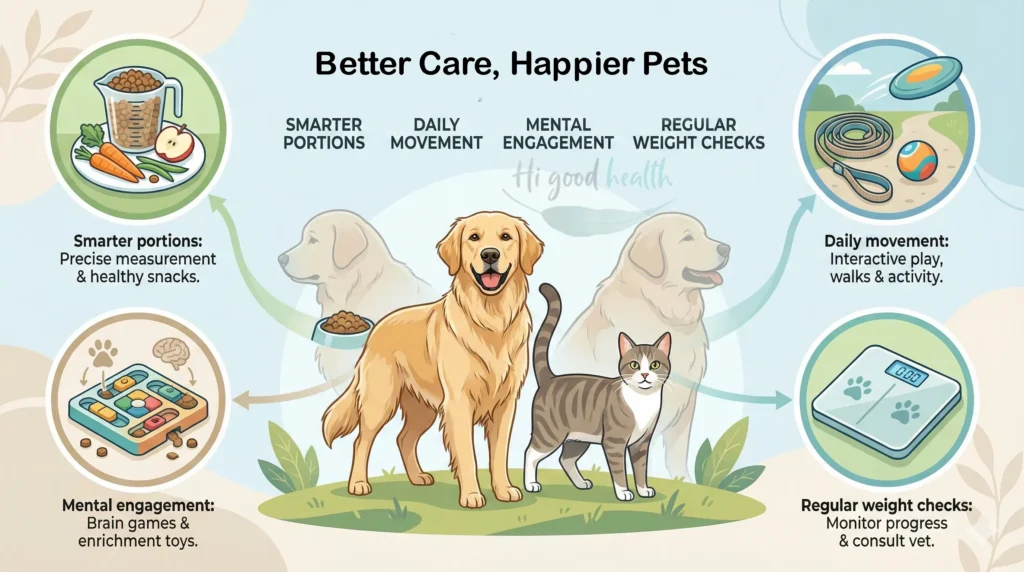
1. Portion Control and Smarter Treats
- Use measuring cups instead of guessing portions.
- Swap calorie-heavy treats for carrot sticks, apple slices, or pumpkin cubes (consult your veterinarian first, as some human foods may not be suitable for all pets).
2. Daily Exercise Routines and Play time
- Dogs: Aim for 2 brisk walks + short play sessions daily like backyard games- Fetch, tug-of-war, or agility setups using simple obstacles (adjust based on breed, age, and health status).
- Cats: Stimulate with laser toys, feather wands, or climbing trees.
3. Engage Their Minds
- Obesity is often linked to boredom. Puzzle feeders, snuffle mats, and training games keep pets mentally sharp and satisfied. Even if you’re busy, encourage your spouse or kids to join in. Pets love routine, and shared activity strengthens the pet-family bond.
4. Regular Weight Monitoring
Weigh monthly at home or during vet visits. Small adjustments early may help prevent costly medical issues later. Always consult your veterinarian before starting any weight loss program.
Important: Always consult your veterinarian before beginning an exercise program, especially for overweight pets or those with existing health conditions.
2026 is seeing a surge in tick-borne illnesses across the US. Don’t wait for symptoms to appear—read our 2026 Parasite Outlook: [Tick-Borne & Parasite Diseases in Pets – 2026 Outlook for Indian Pet Parents]”
Strategic Diets That Fight Pet Obesity
Dietary management is the cornerstone of treating and preventing obesity in companion animals. Calorie restriction alone is insufficient, which can lead to hunger, poor compliance, and muscle loss. Specialized diets help to control obesity-related comorbidities and improve satiety, reducing begging and food-seeking behavior. Always consult your veterinarian before making any dietary changes, as introducing a new diet should be tailored to your pet’s specific health needs.
- High-fiber diets: Increase food bulk without adding calories, promoting fullness and reducing hunger-driven behaviors; commonly used in dogs for better satiety and compliance.
- High-protein, low-carbohydrate diets: Support lean muscle preservation and improve metabolic efficiency; ideal for cats to enhance satiety and regulate glucose levels.
- Wet/canned diets: High moisture content lowers calorie density while maintaining portion size, helping control intake and improve satiety, especially useful in cats.
- Prescription veterinary weight-loss diets: Scientifically formulated with controlled calories, high protein, and functional nutrients to ensure safe fat loss while maintaining overall nutritional balance. These formulated diets should be used only under veterinary guidance, as they are carefully prescribed based on your pet’s individual health status, weight, and underlying medical conditions to ensure safe and effective outcomes.
What Science Says: Latest Research on Pet Obesity
• Impact on Lifespan: Studies based on large veterinary hospital data have shown that overweight dogs may live up to 2 years less than healthy-weight dogs, highlighting the serious long-term effects of obesity.
• Behavioural Changes: Research indicates that obese dogs often show reduced activity levels, more stress-related behaviour, and poorer overall quality of life.
• Advances in Nutrition: Modern veterinary nutrition now focuses on high-fibre, calorie-controlled diets that help pets feel full while maintaining proper nutrition—an approach increasingly recommended by veterinarians in India as well [5].
Overall, these findings support what veterinarians in India commonly observe: pet obesity affects not just physical health, but also behaviour, lifespan, and the bond between pets and their owners.
Real-Life Story: From Lazy to Lively Companion
Bruno, a 6-year-old Labrador from Pune, had become overweight at 42 kg and was showing signs of joint pain and low activity. On his veterinarian’s advice, his family started a structured weight management plan—measured home-cooked meals, daily walks in the park, and healthy low-calorie treats like carrots and cucumber.
Within 10 months, Bruno lost 7 kg. Today, he runs around happily, plays fetch with the children, and sleeps more peacefully at night. His owner says, “It feels like we got our energetic Bruno back.”
Note: Individual results may vary. Always consult your veterinarian to create a safe and suitable weight-loss plan for your pet.
Frequently Asked Questions on Pet Obesity
You should be able to feel your pet’s ribs without excessive pressure. A visible waistline from above is ideal. If your pet has a round belly or ribs are hard to feel, consult your veterinarian for a Body Condition Score (BCS) assessment.
Yes. Overweight pets may become less active, irritable, or stressed. With proper weight management under veterinary guidance, pets often become more playful, calm, and affectionate.
Healthy options include carrot sticks, cucumber slices, pumpkin, or apple pieces (without seeds). Avoid oily leftovers and spicy Indian foods. Always check with your vet before introducing new foods.
Most dogs need at least 30 minutes of daily activity like brisk walks or playtime. In Indian conditions, prefer early morning or evening walks to avoid heat stress. Needs vary by breed, age, and health.
Obesity can lead to costly conditions like diabetes, arthritis, and heart disease. Long-term treatment, medications, and vet visits can become expensive over time.
Yes. Overweight pets may live 2–2.5 years less than healthy pets and are more prone to chronic diseases.
Glossary
• Obesity: Excess body fat accumulation that negatively affects health.
• Body Condition Score (BCS): A simple veterinary method to assess body fat and ideal weight.
• Free-feeding: Leaving food available all day instead of fixed meal times.
• Satiety: Feeling of fullness after eating.
• Calorie-controlled diet: A balanced diet designed to manage calorie intake while meeting nutritional needs.
Conclusion and Call-to-Action
Pet obesity is not just about weight—it directly affects your pet’s health, comfort, and happiness. With small, consistent changes and proper veterinary guidance, you can help your pet live a longer, healthier, and more active life.
Encourage responsible pet care by sharing awareness among fellow pet owners. Your effort today can make a big difference in your pet’s future.
Medical Disclaimer
This content is for general educational purposes only and is not a substitute for professional veterinary advice, diagnosis, or treatment.
Always consult a qualified veterinarian before making changes to your pet’s diet, exercise, or health routine. If your pet shows signs of illness or emergency, seek immediate veterinary care.
The authors are not responsible for any consequences arising from the use of this information.
All reference links valid and accessible on 27 March 2026
- Chan, C., Obesity and Cancer in Dogs & Cats. https://vetscienceweek.com.au/Microsite/pdf/full-paper_277.pdf
- Journal of Veterinary Behavior: Clinical Applications and Research. Obesity and behavioral changes in dogs. https://www.sciencedirect.com/journal/journal-of-veterinary-behavior
- Body conditioning score chart by Association for Pet obesity prevention.
https://www.petobesityprevention.org/body-condition-score-charts#bcs-dog
- Ramesh, P., & Suresh, K. (2021). Feeding practices and obesity trends in urban pet dogs. Tamil Nadu Veterinary and Animal Sciences University Journal, 17(1), 30–35.
