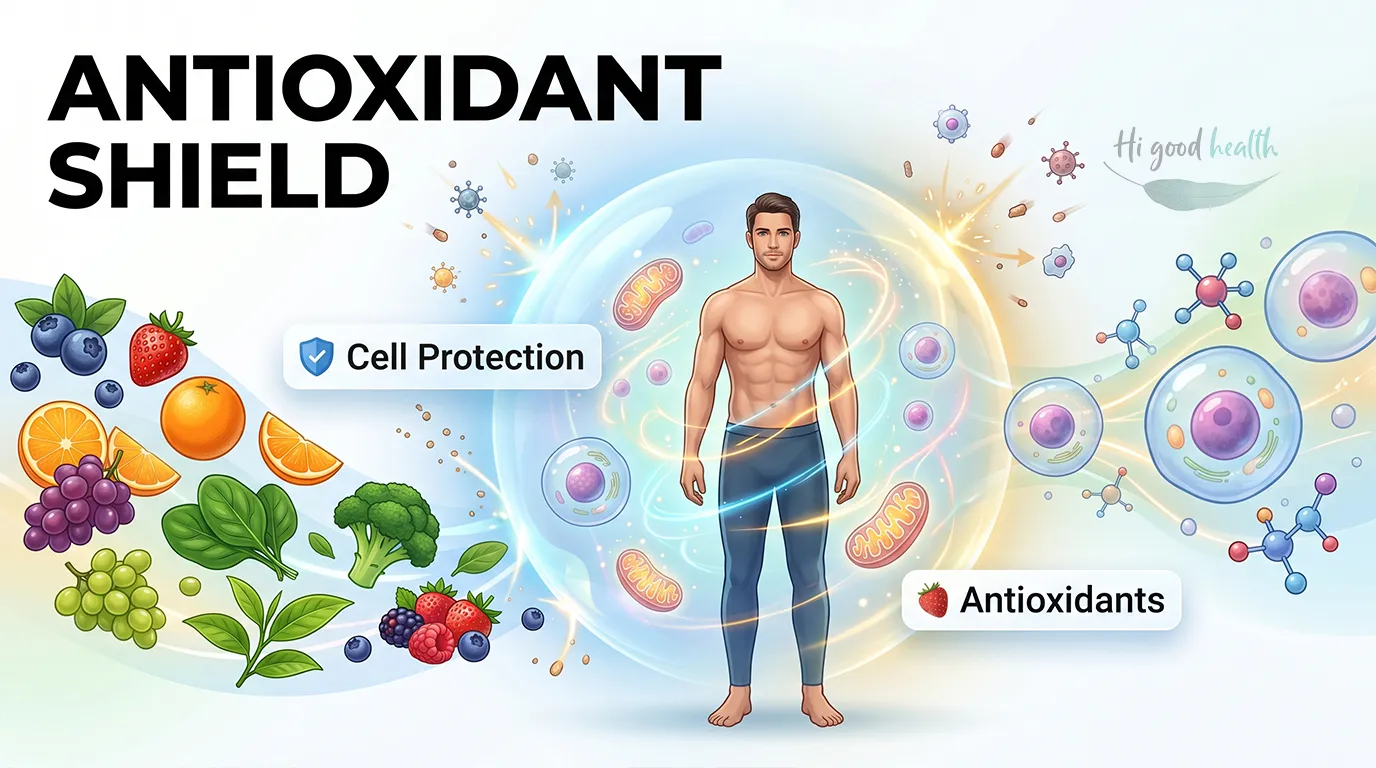
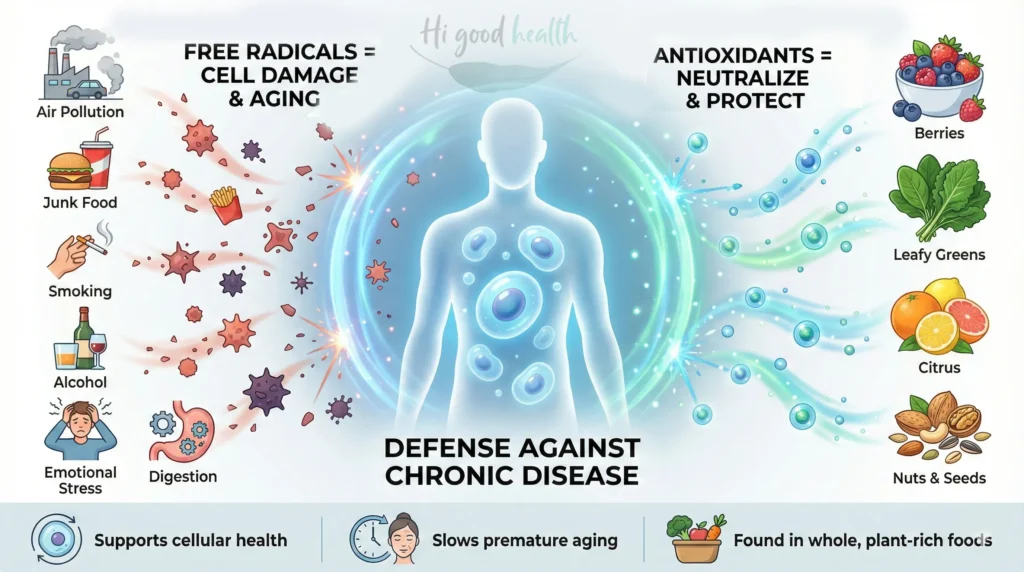
Every day, your body faces a steady stream of stressors: air pollution, processed food, smoking, alcohol, emotional stress, and even normal internal processes like digestion. These triggers produce unstable molecules called free radicals, which can damage your cells, speed up aging, and contribute to chronic disease over time. The good news is that your body has a built-in defense system known as antioxidants.[1]
At a glance
Antioxidants are compounds that neutralize free radicals and reduce oxidative stress, which protects your cells, supports your immune system, and lowers your long-term risk of chronic disease. The most reliable source of antioxidants benefits is a varied diet of antioxidant-rich fruits, vegetables, nuts, and spices—not high-dose supplements, which the U.S. National Institutes of Health (NIH) says have not been proven to prevent disease and may cause harm in large amounts.[5]
An antioxidant is a molecule that protects your cells by neutralizing free radicals before they can cause damage. A free radical is an unstable molecule with an unpaired electron that “steals” electrons from healthy cells. When free radicals outnumber your antioxidant defenses, the result is oxidative stress—a state of cellular wear-and-tear linked to aging and disease. So what are oxidants doing here? They are simply the reactive molecules, including free radicals, that antioxidants exist to keep in check.
These compounds help neutralize free radicals and keep your cells safe, and you get most of them from antioxidant rich foods like fruits, vegetables, and whole grains. This guide walks through what antioxidants do for your body, how they work, the signs you may be running low, and simple, food-first ways to restore this natural protection with everyday antioxidant rich foods.
What Do Antioxidants Do for Your Body? Roles and Responsibilities
So what can antioxidants do once they get to work? Your body uses many different ones, and each has a specific job. Their roles vary depending on where they act and which systems they support. Here is what antioxidants do for your body, one nutrient at a time:
- Vitamin C
Acts in water-based areas of the body, such as blood and tissues. It neutralizes free radicals, supports the immune system, helps regenerate other antioxidants, and aids collagen formation for skin and tissue repair. - Vitamin E
Works in fat-rich areas like cell membranes. It protects cells from lipid peroxidation (fat going rancid inside the body) and pairs with Vitamin C to reduce oxidative stress and inflammation. - Beta-Carotene (Provitamin A)
Converts into Vitamin A in the body. It supports vision, strengthens immune defense, and acts as a powerful antioxidant in skin and epithelial tissues. - Selenium
Supports antioxidant enzymes like glutathione peroxidase. It defends against oxidative stress, helps regulate thyroid function, and supports immune health. - Zinc
Helps stabilize cell membranes and activate antioxidant enzymes. It reduces oxidative stress, promotes wound healing, and supports healthy immune responses. - Glutathione
Often called the body’s “master antioxidant.”[4] Your body makes it naturally. It detoxifies harmful compounds, supports liver health, and regenerates other antioxidants such as Vitamins C and E. - Coenzyme Q10 (CoQ10)
Coenzyme Q10 produces energy in cells and also acts as an antioxidant. It protects the heart and muscles from oxidative stress and supports cellular energy metabolism. - Polyphenols and Flavonoids
These plant compounds have anti-inflammatory and antioxidant effects throughout the body. They support heart health, brain function, and cellular protection from oxidative stress. This is one reason vitamins and plant compounds work together as natural antioxidants in whole foods.
Want to understand how Vitamin C works in the body and how to use it safely? It is worth a closer look. Read our companion article, “When Vitamins Go Wrong: The Most Commonly Misdosed Nutrients and How to Stay Safe.”
Signs Your Body May Be Low on Antioxidants
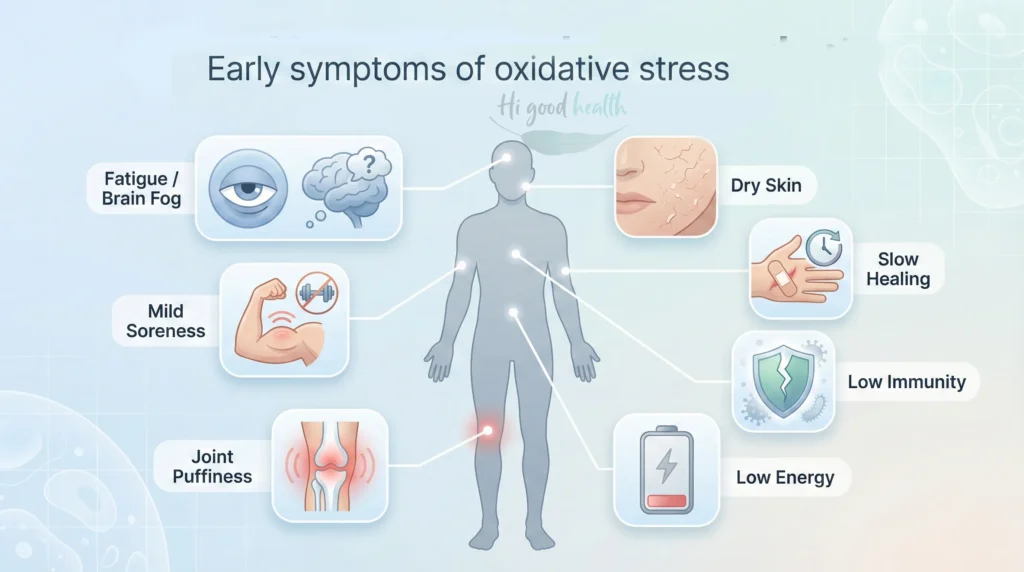
When your body does not have enough antioxidants, it shows up in small but noticeable ways. These signs are easy to miss at first, but they tend to become more obvious over time.
Common signs and symptoms include:
- Feeling tired more often than usual
- Skin looking dull, dry, or aging faster
- Slow healing from cuts, wounds, or infections
- Frequent colds or low immunity
- Unexplained aches or muscle soreness
- Trouble focusing or feeling mentally foggy
- More inflammation, puffiness, or redness in the body
These symptoms may suggest that your cells are not getting enough protection and may be under constant stress. They are general signs, not a diagnosis, so check with a healthcare professional if they persist.
Read more: Better Health Channel: Antioxidants
Antioxidant Rich Foods and Fruits High in Antioxidants to Eat
The best way to raise your levels is through a balanced diet built on antioxidant rich foods. Nature provides plenty of them to help your body fight damage and stay strong. If you are wondering which fruits have the most antioxidants, berries and pomegranates usually top the list.
Some top vegetarian sources include:
- Antioxidant-rich fruits: Berries (blueberries, strawberries, raspberries), oranges, grapes, and pomegranates are among the fruits high in antioxidants and easy to add to any meal.
- Vegetables: Spinach, kale, broccoli, carrots, red cabbage
- Nuts & Seeds: Almonds, walnuts, sunflower seeds, flaxseeds
- Whole Grains: Oats, brown rice, quinoa
- Legumes: Kidney beans, black beans, lentils
- Spices & Herbs: Turmeric, cinnamon, ginger, garlic
- Beverages: Green tea, black tea, coffee
- Dark Chocolate: Rich in flavonoids and a tasty antioxidant boost
Eating a mix of colorful, antioxidant rich foods each day gives your body the antioxidant support it needs, naturally. According to the U.S. Centers for Disease Control and Prevention (CDC), most adults fall short of the recommended daily servings of fruits and vegetables, so even small additions can help.
Superfoods like algae provide concentrated antioxidant compounds that support cellular protection. To learn more, read our article on spirulina’s brain-protective properties and preventive health benefits.
Diseases and Health Issues Linked to Antioxidant Deficiency
When your body lacks enough antioxidants, it struggles to fight the damage caused by free radicals. Over time, that raises your risk of chronic illness and speeds up aging.
Different deficiencies affect different parts of the body, and the impact can range from low immunity to serious conditions like heart disease or cognitive decline. Here is a breakdown:
| Antioxidant | Deficiency Can Contribute To | How It Affects the Body |
| Vitamin C | Frequent infections, scurvy, and slow wound healing | Weakens immune defense; causes bleeding gums and fatigue |
| Vitamin E | Nerve and muscle damage, vision problems | Affects nerve signals, leading to weakness and coordination issues |
| Beta-Carotene | Night blindness, dry skin, low immunity | Reduces Vitamin A levels needed for eye and skin health |
| Selenium | Hypothyroidism, heart disease risk | Impairs thyroid hormone function and antioxidant enzyme activity |
| Zinc | Skin issues, hair loss, poor immunity | Slows wound healing and weakens immune responses |
| Glutathione | Fatigue, poor detoxification, increased oxidative stress | Lowers the body’s ability to repair and detoxify |
| CoQ10 | Muscle weakness, heart issues, low energy | Affects energy production in cells, especially the heart |
| Polyphenols | Chronic inflammation, cognitive decline | Less protection for the brain and body from oxidative damage |
Note: these are general signs that require professional diagnosis.
Read more: Cleveland Clinic: Oxidative Stress
Supporting Your Antioxidant Levels Naturally
Raising your levels is not only about what you eat—it is also about how you live. Small, consistent changes to your daily routine can help your body absorb and use antioxidants more effectively.
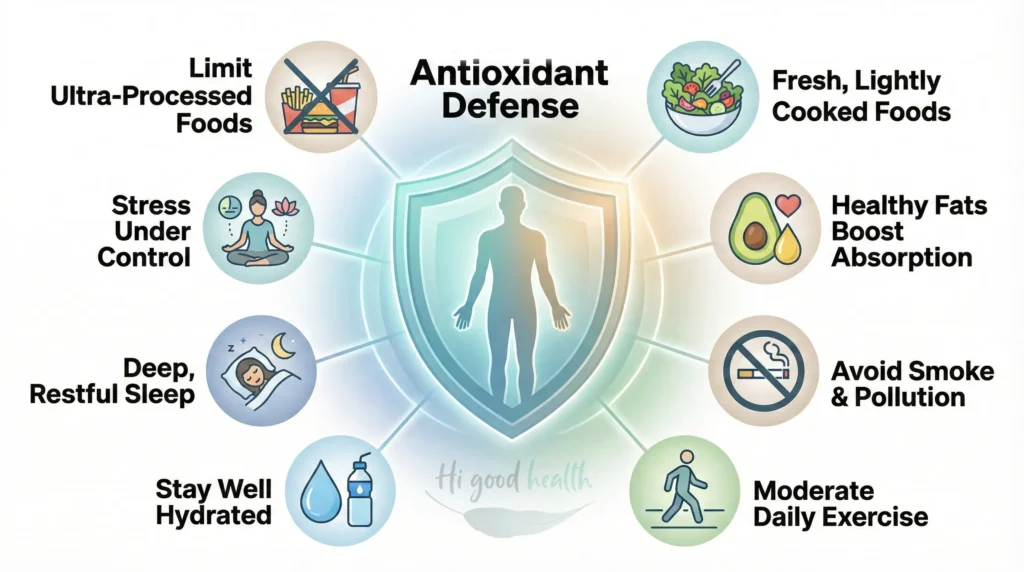
Here is how to support your antioxidant levels naturally, without relying on supplements:
- Choose fresh, minimally cooked meals. Overcooking can destroy antioxidants like Vitamin C and polyphenols. Light steaming or raw options preserve more nutrients.
- Combine antioxidants with healthy fats. Fat-soluble antioxidants like Vitamin E and beta-carotene absorb better when eaten with good fats such as olive oil or avocado.
- Avoid smoking and pollutant exposure. These sharply increase free radical production, putting more pressure on your antioxidant defenses.
- Exercise in moderation. Regular activity stimulates the body’s natural antioxidant enzymes, but very intense overtraining can temporarily increase oxidative stress.
- Stay hydrated. Proper hydration helps cells function well and supports antioxidant activity throughout the body.
- Get restful sleep. Your body repairs itself during deep sleep, and antioxidant enzyme activity is closely tied to circadian rhythms, peaking during rest.
- Manage daily stress. Chronic stress produces more free radicals. Simple habits like walking, journaling, or mindfulness can help restore balance.
- Cut back on ultra-processed foods. These tend to lack antioxidants and often contain additives that increase oxidative stress.[3]
By aligning your lifestyle with these small but meaningful habits, you give your body what it needs to rebuild its antioxidant shield—no pills required.
To use these nutrients safely and effectively, it helps to understand the right balance. Read our guide, “When Vitamins Go Wrong: The Most Commonly Misdosed Nutrients and How to Stay Safe.”
Smart Eating Tips: Cooking, Timing & Absorption
How you prepare, pair, and time your food affects how well your body can use antioxidants. Here are science-backed strategies to get the most out of every bite.
Cook with care
- Light steaming, sautéing, or blanching helps retain water-soluble antioxidants like Vitamin C and folate.
- Avoid deep frying or prolonged high-heat cooking, which destroys delicate compounds.[2]
- For tomatoes and carrots, gentle cooking actually increases antioxidant availability (such as lycopene and beta-carotene).
Time your meals wisely
- Spacing meals evenly allows your digestive system to absorb nutrients better.
- Eating antioxidant-rich foods during the day, especially at breakfast and lunch, helps fuel your body when oxidative stress peaks.
- Avoid heavy antioxidant meals late at night, when your metabolism slows down.
Pair with healthy fats for better absorption
- Some antioxidants (such as beta-carotene, Vitamin E, and lutein) are fat-soluble, meaning they need dietary fat to be absorbed.
- Add olive oil, avocado, nuts, or seeds to meals with leafy greens, spinach, or orange vegetables like carrots.
Add a citrus punch
- A little lemon juice or vinegar improves antioxidant activity and helps your body access iron and polyphenols from plant foods.
Choose your cookware
- Stainless steel, cast iron, or ceramic cookware is a safe choice for everyday cooking and pairs well with an antioxidant-rich diet.
With a few intentional adjustments in your kitchen and daily routine, you can meaningfully improve how your body absorbs and uses antioxidants—without overhauling your diet.
Read more: PubMed: Influence of cooking methods on antioxidant activity of vegetables
Protecting your brain from oxidative damage matters for long-term mental clarity. Learn how to recognize the early signs of cognitive decline and take proactive steps in our detailed guide.
Key Takeaways
- Antioxidants neutralize free radicals and reduce oxidative stress, protecting cells and lowering long-term disease risk.
- Whole foods beat pills: a varied diet of antioxidant rich foods—fruits high in antioxidants, vegetables, nuts, and spices—is the most reliable source of antioxidants benefits.
- High-dose antioxidant supplements have not been proven to prevent disease, and large doses can be harmful, per the NIH.
- Vitamins C and E, beta-carotene, selenium, zinc, glutathione, CoQ10, and polyphenols each protect different parts of the body.
- Cooking method and food pairing change how much antioxidant value you actually absorb.
- Sleep, hydration, moderate exercise, and stress management all support your body’s own antioxidant defenses.
Final Thoughts: Keep Your Body in Balance with Antioxidants
Antioxidants play a powerful, often overlooked role in your health. They work constantly to repair damage, reduce inflammation, and keep illness at bay. When your levels are strong, your body is more resilient, your energy is steadier, and your risk of chronic disease drops over time.
You do not need drastic changes or expensive fixes. Simple daily choices—eating fresh, seasonal produce, managing stress, sleeping well, and staying active—can naturally restore balance.
Treat antioxidants not as a trend, but as a long-term health strategy. Start today with one small habit. Your future self will thank you.
Concerned about brain health? Explore our article, Is Your Brain Getting Tired? Spot Early Signs & Prevent Alzheimer’s and Parkinson’s, to learn how to detect early warning signs and take preventive steps.
Frequently Asked Questions
If you prefer a more visual version, check out our YouTube video here:
1. What are the best antioxidant rich foods?
Answer: Focus on colorful whole foods. Top vegetarian sources include berries (blueberries, strawberries), dark leafy greens like kale, nuts, and spices such as turmeric. Even beverages like green tea and coffee provide a natural boost.
2. Can I take antioxidant supplements instead of eating vegetables?
Answer: It is better to get them from food. Whole foods provide a mix of nutrients that pills cannot replicate, and the NIH notes that high-dose antioxidant supplements have not been shown to prevent disease. Unless your doctor advises otherwise, a balanced diet is the safest and most effective method.
3. How do I know if I need more antioxidants?
Answer: Common signs include constant fatigue, dull skin, slow wound healing, and frequent colds. If you feel mentally foggy or have unexplained muscle soreness, your body might be struggling with oxidative stress. These are general signs, not a diagnosis, so see a healthcare professional if they persist.
4. Do antioxidants help with anti-aging?
Answer: Antioxidants cannot stop aging, but they neutralize the free radicals that damage cells. This may help slow visible signs like skin aging and reduce the risk of age-related chronic diseases. Diet-based antioxidants are the most reliable approach.
5. Does cooking destroy antioxidants in food?
Answer: High heat and deep frying can destroy nutrients, so light steaming is better for foods like leafy greens. However, gently cooking tomatoes and carrots actually helps your body absorb their specific antioxidants, such as lycopene and beta-carotene.
6. Do I need to eat fat with antioxidants?
Answer: For some, yes. Fat-soluble antioxidants like Vitamin E and beta-carotene need healthy fats to be absorbed. Pairing leafy greens or carrots with olive oil, nuts, or avocado helps you get the most from them.
7. Is it possible to have too many antioxidants?
Answer: Yes, but usually only from megadose supplements, which can upset your body’s natural balance. The U.S. NIH warns that high doses of antioxidant supplements may be harmful. Getting antioxidants from whole foods keeps the risk minimal and the benefits higher.
8. How fast will I see results from eating more antioxidants?
Answer: Some people notice improved energy or clearer skin within a few weeks. But antioxidants are a long-term strategy; their biggest benefit is building your body’s resilience and lowering disease risk over time.
9. What do antioxidants do for your body day to day?
Answer: Day to day, antioxidants neutralize free radicals created by normal processes like digestion, exercise, and stress, plus outside sources like pollution and UV light. By keeping oxidative stress in check, they help protect your cells, support immune function, aid wound healing, and reduce inflammation. Most of this protection comes quietly from the antioxidants in the food you eat.
10. Which fruits have the most antioxidants?
Answer: Among fruits high in antioxidants, berries usually lead, especially blueberries, strawberries, raspberries, and blackberries. Pomegranates, grapes (and red grape skins), oranges, and cherries are also rich sources. Eating a mix of brightly colored, antioxidant-rich fruits gives you a wider range of protective compounds than relying on any single fruit.
11. Are the best antioxidant supplements worth taking?
Answer: For most healthy people eating a varied diet, antioxidant support supplements are not necessary, and the NIH says high-dose antioxidant supplements have not been proven to prevent disease. Supplements can help when a doctor diagnoses a specific deficiency, such as low Vitamin C, E, or selenium. If you are considering one, talk to a healthcare professional first.
12. Can antioxidants fight aging from the inside out?
Answer: Antioxidants help fight aging by limiting the cellular damage that free radicals cause, but they are not a fountain of youth. A diet rich in antioxidant fruits and vegetables, combined with good sleep, sun protection, and not smoking, does more for healthy aging than any single supplement.
13. What can antioxidants do for whole-body health, not just skin?
Answer: Beyond skin, antioxidants defend every system in your body. They protect the heart and blood vessels, support brain and nerve function, help the immune system fight infection, and shield the liver during detox. That is why what antioxidants do matters most as whole-body disease defense, and why a varied diet beats any single skin-focused product.
14. What are oxidants, and how are they different from antioxidants?
Answer: Oxidants are reactive molecules, including free radicals, that can pull electrons from your cells and cause oxidative stress. Antioxidants are the opposite team: they donate electrons to neutralize oxidants before damage spreads. Your body needs a balance, and a diet full of natural antioxidants helps keep oxidants in check.
15. What are the best natural antioxidants I can add to my diet today?
Answer: The strongest natural antioxidants come from everyday foods: berries, pomegranates, dark leafy greens, nuts, green tea, turmeric, and dark chocolate. Rotating a few of these into your meals gives you a broad mix of protective compounds, which works better than relying on one so-called superfood or supplement.
References
All reference links were valid and accessible on 29 April 2026.
- Pham-Huy, L. A., He, H., & Pham-Huy, C. (2008). Free radicals, antioxidants in disease and health. International Journal of Biomedical Science: IJBS, 4(2), 89–96. https://pmc.ncbi.nlm.nih.gov/articles/PMC3614697/
- Jiménez-Monreal, A. M., García-Diz, L., Martínez-Tomé, M., Mariscal, M., & Murcia, M. A. (2009). Influence of cooking methods on antioxidant activity of vegetables. Journal of Food Science, 74(3), H97–H103. https://doi.org/10.1111/j.1750-3841.2009.01091.x
- Martínez Leo, E. E., Peñafiel, A. M., Hernández Escalante, V. M., & Cabrera Araujo, Z. M. (2021). Ultra-processed diet, systemic oxidative stress, and breach of immunologic tolerance. Nutrition (Burbank, Los Angeles County, Calif.), 91-92, 111419. https://doi.org/10.1016/j.nut.2021.111419
- Pizzorno, J. (2014). Glutathione! Integrative Medicine (Encinitas, Calif.), 13(1), 8–12. https://pmc.ncbi.nlm.nih.gov/articles/PMC4684116/
- National Institutes of Health, Office of Dietary Supplements / National Cancer Institute. Antioxidants and Cancer Prevention. https://www.cancer.gov/about-cancer/causes-prevention/risk/diet/antioxidants-fact-sheet
