Introduction: More Than Just a “Chubby Pet”
At a glance
Pet obesity is one of the most common and most expensive health problems in U.S. dogs and cats, yet it is largely preventable. The simplest home check is the rib test plus a Body Condition Score (BCS): if you cannot easily feel your pet’s ribs and there is no visible waist, your pet is likely overweight. Knowing how to tell if your dog is overweight and acting early, through portion control, daily exercise, and vet-guided weight loss for dogs, can add years to your pet’s life and save thousands in future vet bills.
Have you ever smiled at a pudgy dog or cat and thought, “Oh, how cute!”? You’re not alone.
Many U.S. pet owners associate extra weight with extra love. But here’s the truth: behind those round bellies lie serious health risks, unexpected vet bills, and even shifts in your pet’s mood and behavior. Pet obesity isn’t just a cosmetic issue. It affects your pet’s happiness, health, and your family’s well-being, often in ways we don’t immediately see.
According to the Association for Pet Obesity Prevention’s (APOP) 2024 survey, 35% of dog owners and 33% of cat owners report their pets as overweight or obese.
That figure likely understates the problem, because veterinary assessments routinely identify obesity rates higher than owners perceive. Many pet parents fall into a “normalcy bias”: we have seen so many overweight pets that a healthy, lean pet can look “too thin.” The result is millions of furry companions at risk.
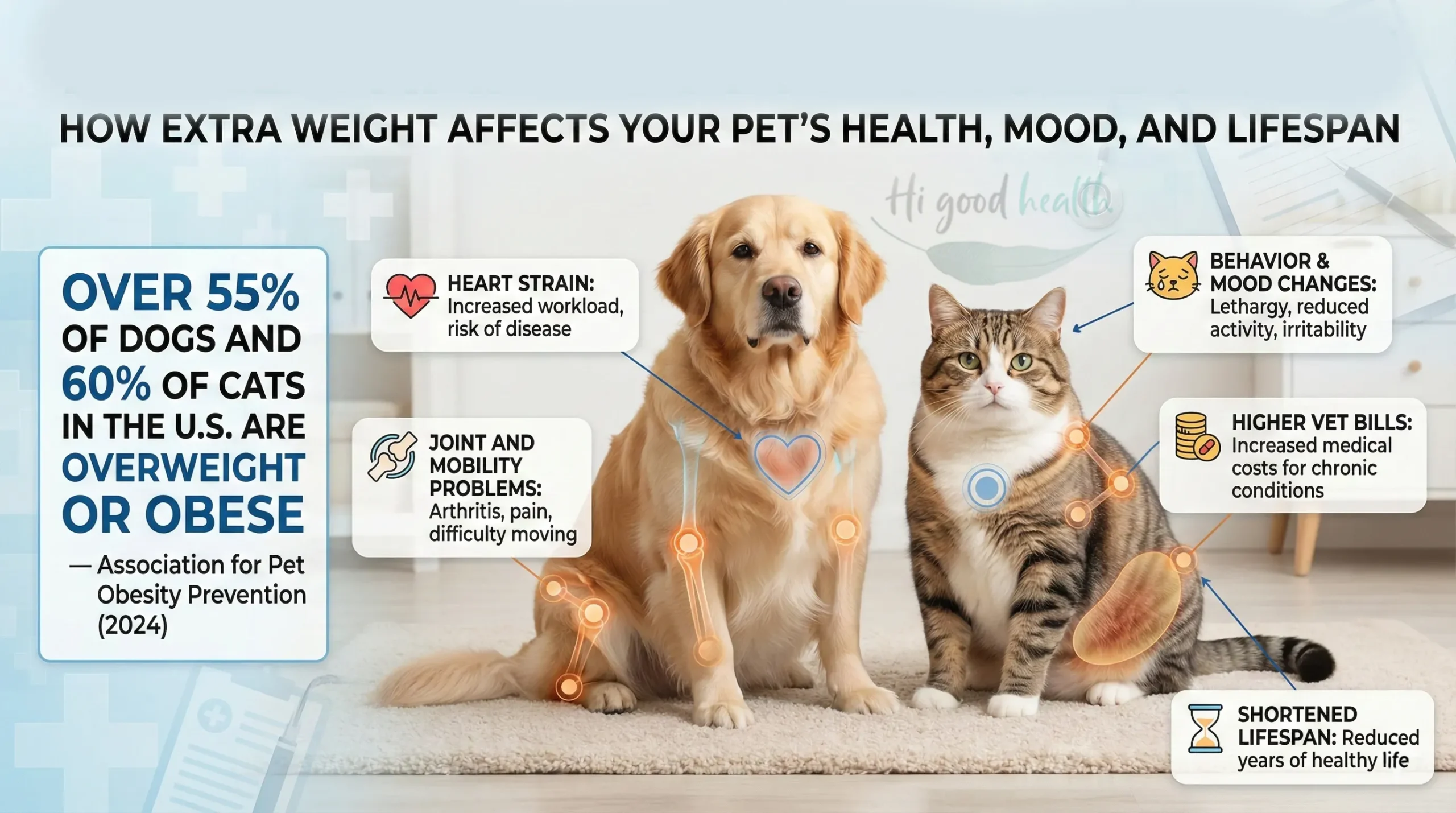
Figure 1: Pet obesity impacts health, finances, and family wellbeing
Beyond the Belly: The Diseases Caused by Pet Obesity
Excess body fat is biologically active tissue, not just padding. It releases inflammatory signals that strain nearly every organ system, which is why obesity in pets is linked to a long list of chronic diseases.
- Diabetes mellitus (especially in cats): Excess adipose tissue contributes to insulin resistance (the body’s reduced response to its own insulin), leading to persistent high blood sugar and eventual pancreatic dysfunction.
- Osteoarthritis (especially in dogs): Increased body weight places abnormal stress on joints, accelerating pain, inflammation, and progressive cartilage degeneration.
- Cardiovascular strain and heart disease: Obesity increases the heart’s workload, which can reduce cardiac efficiency and cause exercise intolerance.
- Respiratory compromise: Fat deposited around the chest and abdomen can restrict the lungs from fully expanding, leading to laboured breathing and reduced stamina.
- Endocrine disorders made worse: Conditions like hypothyroidism in dogs speed up weight gain, which in turn worsens the metabolic imbalance in obese dogs, creating a vicious cycle.
- Higher anesthetic and surgical risk: Obese animals face higher anesthetic risk, more difficult airway management, and more post-operative complications.
- Increased risk of cancer: Obesity has emerged as a significant health concern in companion animals, with growing evidence linking it to higher cancer risk, faster progression, and poorer outcomes [7].
The Financial Weight of Pet Obesity
Excess weight quietly drives up long-term veterinary expenses and shortens your pet’s lifespan. Treating chronic, obesity-related conditions means expensive, ongoing care, not one-time fixes.
Common obesity-related expenses:
- Diabetes (cats): $240–$1,200 annually (the first year often exceeds $1,500 with diagnostics).
- Osteoarthritis (dogs): Ongoing treatments, medications, and surgeries costing $1,000–$4,000+.
- Heart & lung issues: Diagnostic imaging ($100–$500) plus lifelong medications.
- Cancer: Diagnostics, surgery, and chemotherapy ranging from $1,000–$5,000+.
- Surgical penalties: 20–50% higher surgical and anesthetic fees due to the increased health risks.
- Hidden costs: Expensive prescription diets, supportive care, and more frequent vet visits.
Here is the part that should change how you budget for your pet: while managing obesity-related diseases can cost thousands, preventative care (balanced nutrition, portion control, and routine screening) typically costs less than $150 a year. Early intervention is the smartest financial and medical choice you can make.
A safety net helps when bills do arrive. To get the 2026 verdict on whether pet insurance is worth the investment, read our detailed article.
Emotional and Behavioral Costs: The Hidden Happiness Factor
Here’s something many owners don’t realize: obesity doesn’t just slow your pet down physically. It may affect their emotional well-being and behavior too. Research in veterinary behavior science suggests that pets who keep healthy activity levels tend to show more positive behavioral patterns.
The activity and behavior connection:
- Active pets often show calmer temperaments, more playfulness, and less aggression.
- As weight climbs, pets often become less willing to move, play less, tire faster, and show exercise intolerance.
- Overweight pets with reduced activity may also show frustration, irritability, and increased aggression, often a response to the chronic joint discomfort and pain that excess weight causes.
- Weight loss and a return to healthy activity levels can restore those more positive personality traits.
This doesn’t just affect your pet. A stressed or unhappy dog is more likely to bark excessively, show aggression, or develop destructive habits, and that stress ripples through the whole family. Lean, active pets bring more joy, playfulness, and bonding moments to the household.
The science backs this up. Research published in the Journal of Veterinary Behavior reports that obesity in dogs is associated with behavioral changes, including reduced activity, increased stress-related behaviors, and lower overall quality of life, all of which can strain the human-pet bond [2].
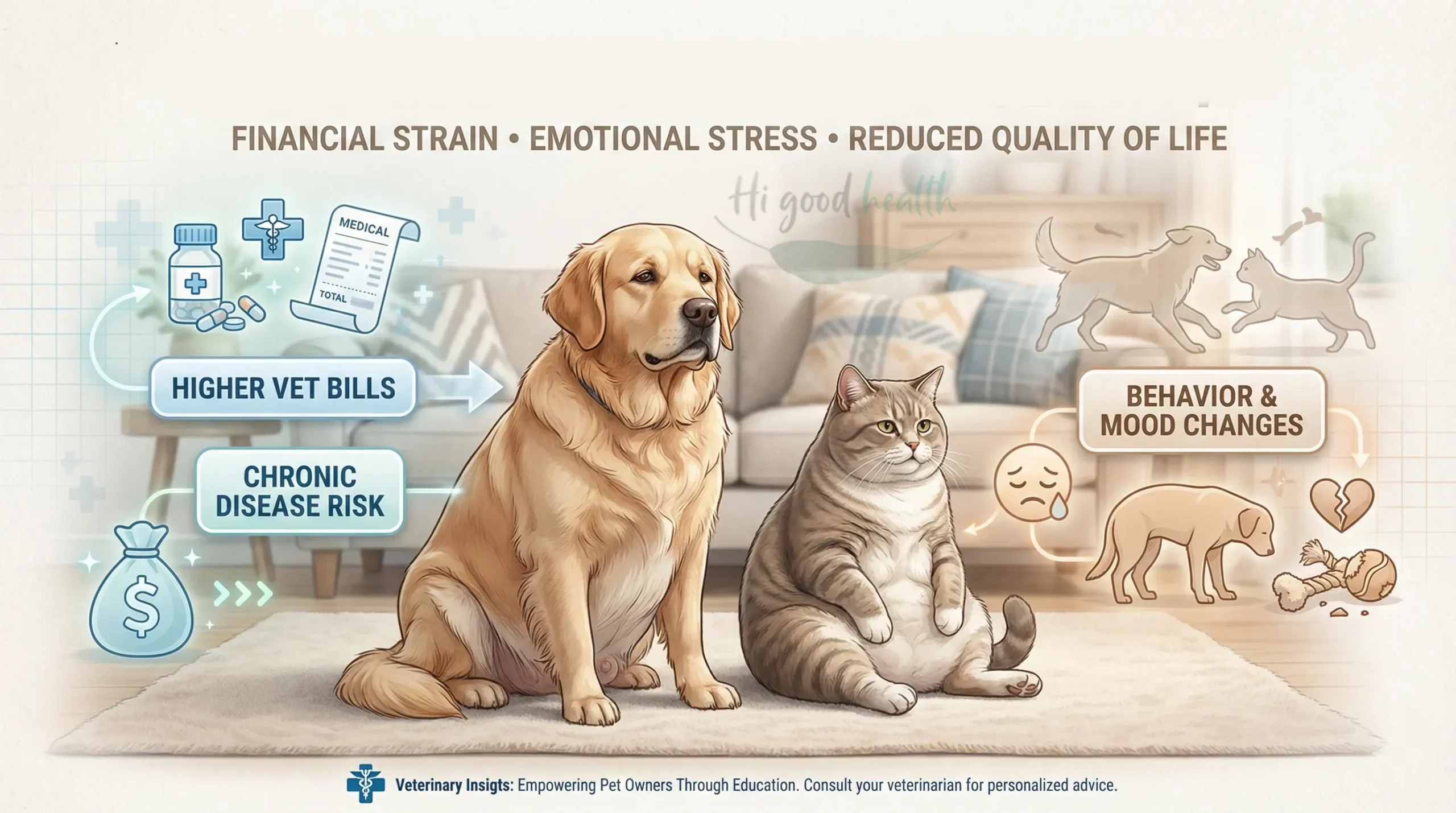
Figure 2: Obesity affects pet behavior and family dynamics
Root Causes of Pet Obesity in America
Understanding why pets put on weight makes prevention far easier. Most cases trace back to a handful of everyday habits.
- Free-feeding & over-treating — Leaving bowls full all day or handing out too many calorie-dense treats.
- Sedentary lifestyle — Indoor pets often lack daily structured exercise.
- Breed predisposition — Breeds like the Labrador Retriever, Beagle, and Dachshund carry genetic tendencies toward bigger appetites and easier fat accumulation. A landmark 2016 University of Cambridge study identified a POMC gene deletion that drives food obsession in many Labradors [8].
- Misconceptions about “healthy” food — Some foods marketed as “premium” are calorie-dense and can add weight if portions aren’t controlled.
- Owner awareness gap — Many pet parents don’t realize their pet is overweight until the vet points it out. The 2024 APOP survey found that only about one-third of owners recognize their pets as overweight, which points to widespread underestimation of the issue.
How to Tell if Your Dog Is Overweight: The Body Condition Score
The first step in helping an overweight or obese dog is to recognize and accept that there is a problem.
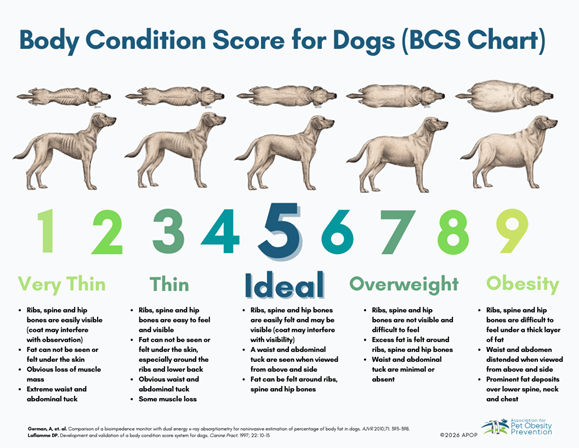
We are surrounded by images of chubby pets, which makes it hard to picture what good health and a fit body shape actually look like. Your veterinarian and veterinary healthcare team can help by giving your pet a proper assessment [5]. The number on the scale is a useful data point, but veterinarians rely on the Body Condition Score (BCS), a standardized 1-to-9 scale that rates a pet’s fat and muscle, to judge true health. Think of it as a hands-on physical exam you can do in seconds. The goal is a BCS of “5”: the ideal balance of muscle and minimal fat. Here is how to tell if your dog is overweight at home.
- 1. The rib test (feel): You should easily feel the ribs under a thin layer of fat, much like feeling the knuckles on the back of your hand. If you have to press hard, there is excess fat.
- 2. The overhead view (shape): Looking down from above, your dog should show a clear “hourglass” figure with a noticeable waist. A rectangular or oval shape is a red flag.
- 3. The profile view (tuck): From the side, the belly should slope upward toward the back legs (an “abdominal tuck”). A flat or sagging belly points to internal fat.
Clinical warning signs: Watch for stubborn fat pads at the base of the tail or a thick crest on the neck, both signs of chronic weight gain and inflammation.
The BCS chart standardized by the Association for Pet Obesity Prevention is shown below [6].
How to Help Your Dog Lose Weight: Practical Solutions for Healthier, Happier Pets
Once you know your pet is carrying extra weight, a few consistent habits do most of the work. Daily play sessions burn calories, support healthy activity levels, and prevent boredom. Over time, you may notice your pet not only losing weight but also becoming more affectionate, calmer, and happier.
1. Portion control and smarter treats
- Use measuring cups instead of guessing portions.
- Swap calorie-heavy treats for carrot sticks, apple slices, or pumpkin cubes (consult your veterinarian first, as some human foods aren’t suitable for every pet).
2. Daily exercise routines and play time
- Dogs: Aim for 2 brisk walks plus short daily play sessions like backyard games — fetch, tug-of-war, or simple agility setups (adjust for breed, age, and health status).
- Cats: Keep them moving with laser toys, feather wands, or climbing trees.
3. Engage their minds
- Weight gain is often linked to boredom. Puzzle feeders, snuffle mats, and training games keep pets mentally sharp and satisfied. Even when you’re busy, encourage your spouse or kids to join in. Pets love routine, and shared activity strengthens the pet-family bond.
4. Regular weight monitoring
Weigh your pet monthly at home or during vet visits. Small adjustments early can prevent costly medical issues later. Always consult your veterinarian before starting any weight loss program.
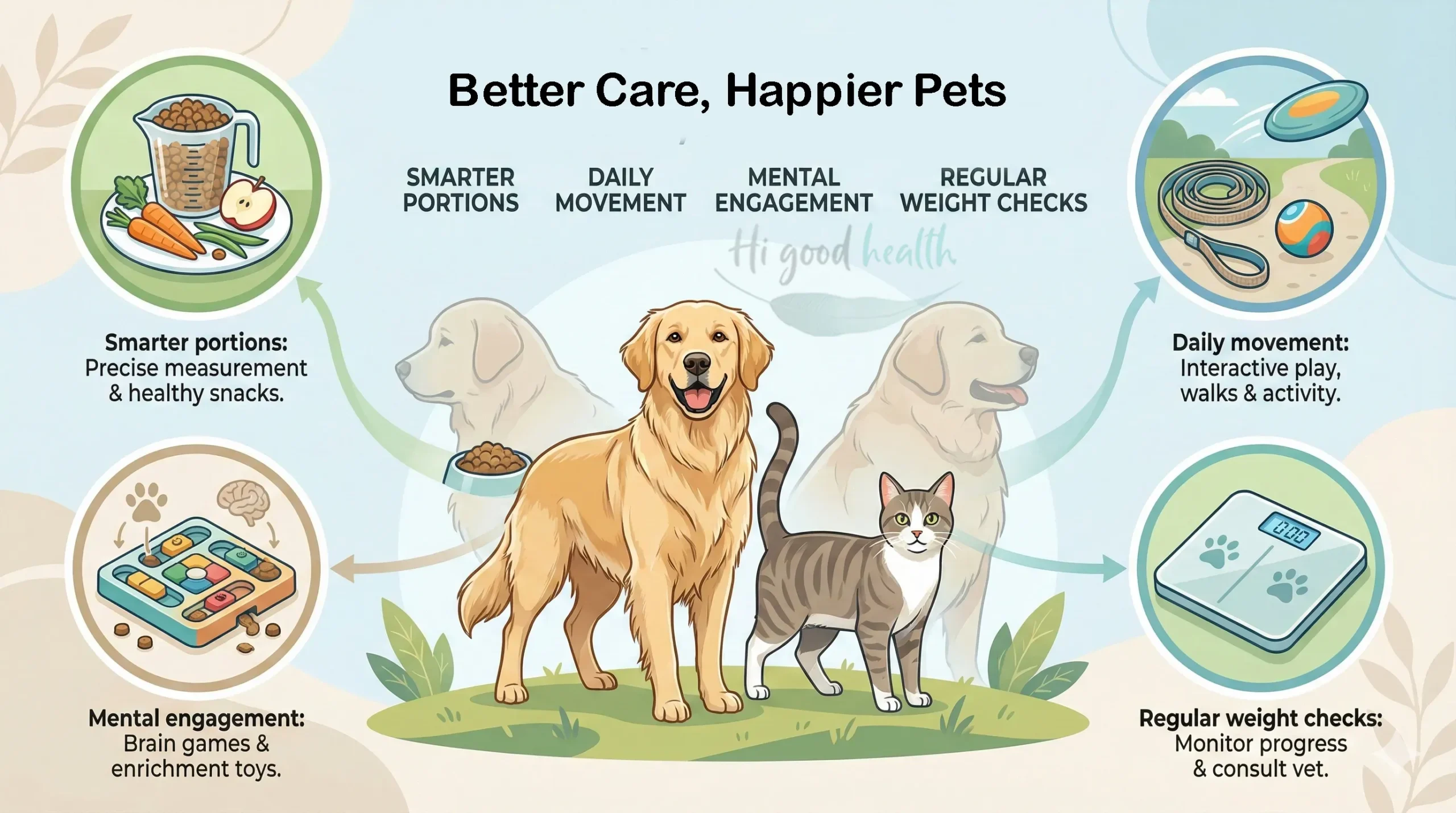
Figure 3: Regular exercise and portion control are key prevention strategies
Important: Always consult your veterinarian before beginning an exercise program, especially for overweight pets or those with existing health conditions.
2026 is seeing a surge in tick-borne illnesses across the US. Don’t wait for symptoms to appear — read our 2026 Parasite Outlook: Tick-Borne & Parasite Diseases in Pets – 2026 Outlook for US Pet Parents.
Strategic Dog Diets for Weight Loss
Dietary management is the cornerstone of treating and preventing obesity in companion animals, so choosing the right dog diets for weight loss matters as much as how much you feed. Calorie restriction alone is not enough and can backfire, causing hunger, poor compliance, and muscle loss. Well-designed weight loss food for dogs and cats helps control obesity-related conditions and improves satiety (the feeling of fullness after eating), which cuts down on begging and food-seeking. Always consult your veterinarian before changing your pet’s diet, since any new food should be matched to your pet’s specific health needs.
- High-fiber diets: Add bulk to food without adding calories, promoting fullness and reducing hunger-driven behaviors; commonly used in dogs for better satiety and compliance.
- High-protein, low-carbohydrate diets: Help preserve lean muscle and improve metabolic efficiency; ideal for cats to boost satiety and steady glucose levels.
- Wet/canned diets: High moisture content lowers calorie density while keeping portion size satisfying, helping control intake, especially useful for cats.
- Prescription veterinary weight-loss diets: Scientifically formulated with controlled calories, high protein, and functional nutrients for safe fat loss while keeping nutrition complete. These vet-recommended dog food options for weight loss should be used only under veterinary guidance, prescribed around your pet’s individual health status, weight, and any underlying conditions.
A healthy weight is vital, but so is year-round protection against expanding parasite threats. For the 2026 parasite outlook and protection strategies for US pet parents, read our detailed article.
What Science Says: Latest Research on Pet Obesity
- Lifespan impact: A large-scale analysis of Banfield Pet Hospital data found that overweight dogs may live up to 2 years less than their lean counterparts, underscoring the long-term toll of excess weight [3].
- Behavioral changes: Research in the Journal of Veterinary Behavior links obesity in dogs to reduced activity, more stress-related behaviors, and lower overall quality of life [2].
- Nutritional advances: Modern veterinary nutrition, including guidance from the Tufts Cummings School of Veterinary Medicine, now emphasizes fiber-rich, calorie-controlled diets that increase satiety while keeping nutrition complete and balanced, helping pets feel full without excess calories [4].
Together these findings reinforce what veterinarians have long observed: pet obesity may affect not only physical health, but also behavior, longevity, and the emotional connection between pets and their families.
Real-Life Story: From Couch Potato to Playful Pup
Max, a 7-year-old Labrador from Ohio, weighed 105 pounds and struggled with arthritis.
After his family followed a vet-recommended weight plan — portioned meals, daily walks, and low-calorie vegetable snacks — Max lost 18 pounds in a year. Today he plays fetch with the kids again, barks less at night, and is far more affectionate. His owner says, “It’s like we got our happy dog back.”
Note: Individual results may vary. Always consult your veterinarian to develop a safe, appropriate weight loss plan for your pet.
Key Takeaways
- Pet obesity is common and underestimated: About 1 in 3 U.S. dogs and cats are overweight, and most owners don’t notice until a vet says so (APOP, 2024).
- The home test is simple: If you can’t easily feel the ribs and there’s no visible waist, your pet is likely overweight. Confirm with a vet Body Condition Score.
- Prevention is far cheaper than treatment: Preventative care runs under $150 a year, while obesity-related diseases can cost thousands.
- It’s a lifespan and happiness issue: Overweight dogs may live up to 2 years less and show more stress-related behavior (Banfield; Journal of Veterinary Behavior).
- Diet plus movement works: Portion control, vet-guided dog diets for weight loss, and daily exercise are the proven path to healthy weight loss for dogs and cats.
Frequently Asked Questions on Pet Obesity
1. How do I know if my pet is overweight?
You should be able to feel your pet’s ribs without excessive pressure. A healthy pet should have a visible waistline when viewed from above. If you see a round belly or cannot easily feel the ribs, schedule a veterinary checkup. Your veterinarian can assess your pet’s body condition score and recommend appropriate actions.
2. Can obesity affect my pet’s personality and happiness?
Yes. Research suggests that overweight pets with reduced activity may show signs of irritability, anxiety, and stress-related behaviors. Weight loss, under veterinary supervision, may help restore a calmer, more affectionate, and playful demeanor.
3. What can I feed my dog instead of high-calorie treats?
Consider vet-approved, low-calorie options like carrot sticks, apple slices (without seeds), or pumpkin cubes. Always consult your veterinarian first, as some human foods can be or may be toxic, cause gastrointestinal upset, or trigger allergic reactions.
4. How much exercise does my pet really need?
General guidelines suggest at least 30 minutes of active playtime daily. For dogs, mix brisk walks with fetch; for indoor cats, use laser toys, feather wands, or climbing trees to keep them moving. Exercise needs vary by breed, age, and health status—consult your veterinarian for personalized recommendations.
5. What are the potential financial costs of an overweight pet?
Obesity may lead to expensive chronic conditions. Diabetes treatment for cats can cost up to $1,200 annually, while arthritis management and emergency care for obesity-related issues can reach thousands of dollars over a pet’s lifetime.
6. Does being overweight shorten a pet’s lifespan?
Research indicates that overweight pets may live up to 2.5 years less than their lean counterparts. Excess weight also increases the risk of heart problems, diabetes, and painful conditions like arthritis.
Glossary
- Obesity: A condition in which excess body fat accumulates to the point that health is adversely affected.
- Body Condition Score (BCS): A veterinary assessment tool used to evaluate a pet’s weight and body fat distribution.
- Free-feeding: Leaving food out all day instead of serving scheduled meals.
- Satiety: The feeling of fullness after eating.
- Calorie-controlled diet: A nutritionally complete diet designed to provide essential nutrients while managing caloric intake.
Conclusion and Call-to-Action
Pet obesity is more than a health issue — it’s a quality-of-life issue. With small, consistent changes under veterinary guidance, you can lower disease risk, cut long-term costs, and give your pet a longer, healthier, more joyful life.
Explore more guides on higoodhealth.com, where we share clean, credible, and simple health insights to help families (and pets!) thrive.
Share your pet’s weight journey in the comments — your story could inspire another family to take action today.
Medical Disclaimer
This blog provides general educational information only and is not intended as veterinary medical advice, diagnosis, or treatment. The content should not be used to diagnose or treat health problems or diseases. Pet health information changes regularly, and individual pets have unique needs.
Always consult your licensed veterinarian before making any changes to your pet’s diet, exercise routine, or health regimen. If you think your pet has a medical emergency, contact your veterinarian or emergency veterinary clinic immediately.
The authors and publishers are not responsible for any adverse effects or consequences resulting from the use of any suggestions, preparations, or procedures discussed in this blog.
References — all reference links valid and accessible on 20 March 2026
- Journal of Veterinary Behavior: Clinical Applications and Research. Obesity and behavioral changes in dogs. https://www.sciencedirect.com/journal/journal-of-veterinary-behavior
- Journal of Veterinary Behavior: Clinical Applications and Research. Obesity and behavioral changes in dogs. https://www.sciencedirect.com/journal/journal-of-veterinary-behavior
- Banfield Pet Hospital. (2023). State of Pet Health Report. https://www.banfield.com/state-of-pet-health
- Tufts Cummings School of Veterinary Medicine. Petfoodology: Veterinary Nutrition Resources. https://vetnutrition.tufts.edu/
- Obesity in Dogs. Canadian Academy of Veterinary Nutrition (CAVN), Sarah K. Abood, DVM, PhD; Malcolm Weir, DVM, MSc, MPH; Krista Williams, BSc, DVM; Robin Downing, DVM, CVPP, CCRP, DAAPM. https://vcahospitals.com/know-your-pet/obesity-in-dogs
- Body Condition Score chart by the Association for Pet Obesity Prevention. https://www.petobesityprevention.org/body-condition-score-charts#bcs-dog
- Chan, C. Obesity and Cancer in Dogs & Cats. https://vetscienceweek.com.au/Microsite/pdf/full-paper_277.pdf
- Raffan E, Dennis RJ, O’Donovan CJ, et al. A Deletion in the Canine POMC Gene Is Associated with Weight and Appetite in Obesity-Prone Labrador Retriever Dogs. Cell Metab. 2016;23(5):893-900. doi:10.1016/j.cmet.2016.04.012 https://pubmed.ncbi.nlm.nih.gov/27157046/
