Common Health Problems & Symptoms
A practical reference to identify early signs of common illnesses in pets such as digestive troubles, skin issues, or lethargy—paired with advice on when to consult a veterinarian.

How Wearables Help Track the Effects of GLP-1 Drugs
At a Glance Smartwatches, rings, fitness bands, connected scales and continuous glucose monitors (CGMs) are increasingly becoming part of the GLP-1 treatment landscape. They can continuously track weight, glucose, heart rate, activity, sleep and fitness, giving users a picture of what is happening between clinical appointments. But there is an important distinction between tracking a…
Interdental Brushes: Uses, Benefits, Types, Disadvantages, and the Best Interdental Brush for Gum Health
At a Glance An interdental brush is a small bristled brush that cleans the space between two teeth, where a toothbrush cannot reach. Used once a day alongside brushing, it removes the plaque that causes gingivitis, bleeding gums and, if left, periodontitis. The single rule that matters most: the brush must pass between the teeth…
Water Flosser for Tonsil Stones: Does It Work, and Is It Safe?
A water flosser can shift small, loosely attached tonsil stones on the lowest pressure setting. It is not a cure, and pressure is where the real risk lies.
Peptides: What They Are, How They Work, and Where They Stand in 2026
At a Glance Peptides are molecules made from short chains of amino acids linked together by peptide bonds. They are smaller than proteins and frequently act as biological signalling molecules, allowing cells to communicate and regulate essential physiological processes. Some of the world’s most important medicines — including insulin, semaglutide (Ozempic, Wegovy), tirzepatide (Mounjaro, Zepbound)…

How to Floss Correctly: A Step-by-Step Guide for Healthier Teeth and Gums
In 2025, researchers who had followed more than 6,000 American adults for 25 years reported something unexpected: people who flossed at least once a week had a 22% lower risk of ischemic stroke, and a 44% lower risk of stroke caused by a clot from the heart (American Heart Association). It is an observational finding,…

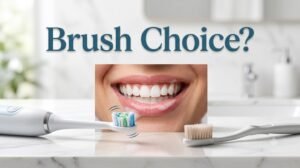
Electric vs Manual Toothbrush: Which Is Better for Your Teeth and Gums?
Two people brush twice a day for eleven years. One ends up keeping more teeth. In a study that tracked nearly 2,900 adults over a decade, part of the difference came down to something small: the toothbrush they picked. Should you choose an electric toothbrush or stick with a manual toothbrush? It is one of…
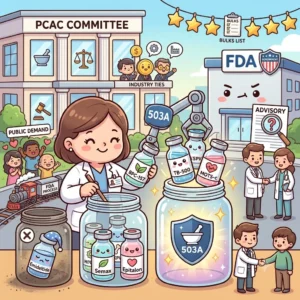
FDA Advisory Committee Votes on Peptides: What Changed—and What Didn’t
At a glance On 23–24 July 2026, the FDA’s Pharmacy Compounding Advisory Committee (PCAC) voted to recommend that six peptides—BPC-157, KPV, TB-500, MOTS-c, Semax, and Epitalon to be considered for inclusion on the 503A bulk substances list used by compounding pharmacies. Emideltide was not recommended. Importantly, these recommendations are advisory only and do not constitute…
If Aging Slows Down, Will Retirement Even Exist? | Reverse Aging | Part 3
“For more than a century, retirement has been viewed as life’s final chapter. But what happens if that chapter suddenly becomes twice as long?” For generations, the script of adult life has been remarkably predictable. We spend our early years in education, build a career through adulthood, retire around the age of 60 or 65,…
Will We Really Live to 100+ and Stay Young While Doing It? | Reverse Aging | Part 2
“Living to 100 used to be extraordinary. Today, the bigger question isn’t whether we’ll reach that milestone—it’s what kind of life we’ll be living when we get there.” At a Glance A century ago, reaching the age of 100 was so uncommon that centenarians often made newspaper headlines. Today, they are the fastest-growing age group…
How Close Are We to Reversing Aging in Humans? | Part 1
“What if the first person who will live to 120 has already been born?” Not long ago, that question belonged to science fiction. Today, it is being discussed in laboratories at Harvard, Stanford, MIT, and some of the world’s best-funded biotechnology companies. Billionaires are investing billions of dollars into longevity research. Nobel Prize-winning discoveries are…