
RECENT RESEARCH: Scientists Have Detected Microplastics in Human Brain Tissue – Raising New Concerns About Long-Term Neurological Effects
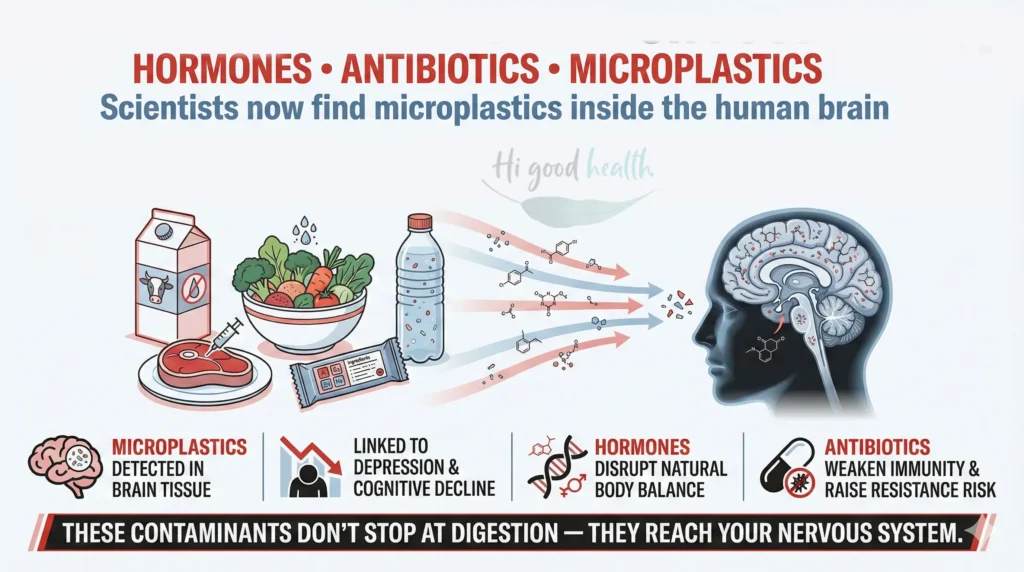
Emerging research has uncovered a concerning development that extends beyond the digestive system. Studies published in 2024 and early 2025 reveal measurable quantities of microplastics accumulating in human brain tissue, with researchers actively investigating the health implications.
These microscopic plastic particles, especially from ultra-processed foods, are increasingly being investigated for their potential neurological effects. Experimental studies in laboratory and animal models suggest possible associations with inflammation and cognitive changes. However, researchers emphasize that direct connections to conditions like depression or dementia in humans require further study, and current evidence does not establish definitive causal relationships. The contamination pathway has extended beyond dietary intake to reach various organs, including brain tissue.
Introduction
You prepare healthy meals, filter your water, and try to make conscious lifestyle choices, yet unseen contaminants may still find their way into your home. From dairy and meat to produce and tap water, trace amounts of hormones and antibiotics are finding their way into our food chain.
These “silent invaders” may seem insignificant at first glance, but mounting scientific evidence suggests they can disrupt your body’s natural hormone balance, contribute to antimicrobial resistance, and potentially affect developmental processes in children.
In this blog, we’ll explore:
- How these substances enter the food supply
- What current research reveals about potential health effects
- The steps governments and regulators are taking
- Practical, evidence-based ways you can reduce exposure for your family
Addressing these challenges requires not only personal awareness but also stronger systems that prioritize food safety, environmental protection, and long-term public health.
1. Where These Contaminants Come From
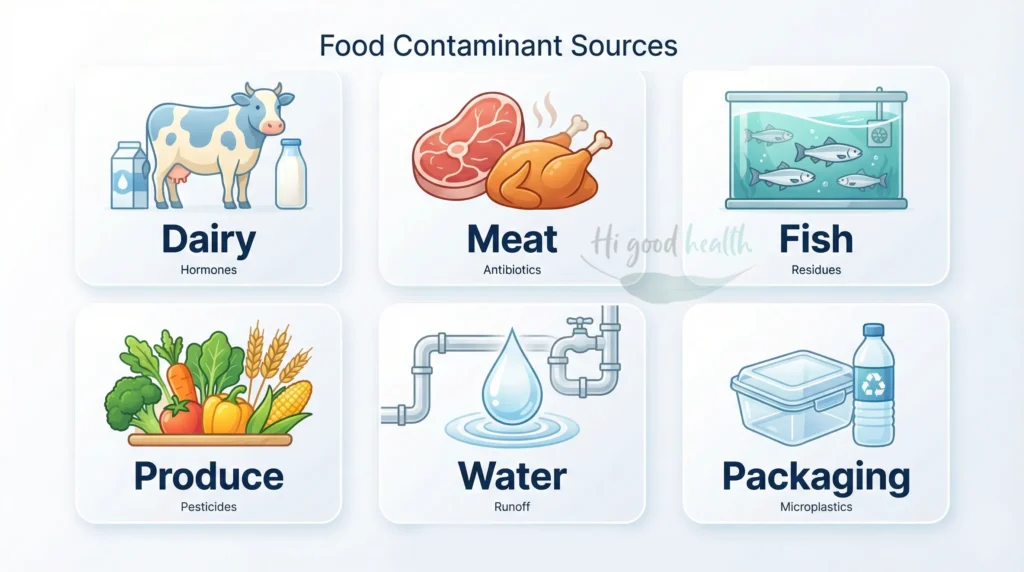
The following table details where these substances are commonly found:
| Food/Source | Drugs & Chemicals Found | Why They Are Used | Explanation |
| Milk/Dairy | rBST (growth hormone), IGF-1, estrogen, antibiotics like amoxicillin and oxytetracycline | To boost milk production and treat infections like mastitis | Cows may be injected with hormones to increase milk yield and are often treated with antibiotics. |
| Meat (Beef/Poultry) | Growth hormones, tetracyclines, sulfonamides, penicillin | To accelerate animal growth and prevent disease in crowded spaces | In intensive farming systems (high-density environments), animals may require routine medication. |
| Fish (Farmed) | Antibiotics, estrogen-like chemicals | To prevent disease outbreaks in overcrowded tanks | Aquaculture farms often use medicated feed or water additives to reduce infections. |
| Vegetables & Grains | Pesticides, herbicides, soil-borne antibiotic residues | To kill pests, fungi, and weeds | These chemicals can seep into soil and water, potentially contaminating crops and produce. |
| Water Supply | Hormonal residues, antibiotics from farm runoff, and sewage | Byproducts of farming and waste disposal | These substances can enter groundwater and rivers, and may persist even after standard treatment. |
| Processed Foods/Packaging | Microplastics, Nanoplastics | From packaging degradation, processing equipment, and environmental contamination | Plastic particles from food containers, processing lines, and the environment can migrate into food, particularly ultra-processed items. |
Table 1: Common Sources of Food Contaminants
What Are Intensive Systems?
Intensive farming systems are methods where animals are raised in high-density, confined environments designed to maximize output. These environments may compromise hygiene and animal welfare, often necessitating pharmaceutical interventions to control disease.
Due to the close living conditions, infections can spread more easily among animals. As a result, pharmaceutical interventions such as antibiotics are sometimes used to prevent or manage disease. This has raised ongoing concerns among researchers and public health experts about potential downstream effects on food quality and human health.
2. Evidence of Contamination: Organic vs. Conventional
A peer-reviewed U.S. study published in Public Health Nutrition (2019) analyzed retail milk samples collected from multiple regions to assess the difference between organic and conventional dairy products. The research found that antibiotic residues were detected in 26-60% of conventional milk samples, but were not detected in organic milk.
Key findings from the study include:
- Antibiotic residues were detected in approximately 26% to 60% of conventional milk samples, while none were detected in organic samples
- Levels of bovine growth hormone (bGH) were found to be around 20 times higher in conventional milk
- Insulin-like growth factor-1 (IGF-1) levels were approximately three times higher in conventional milk compared to organic milk.
- In a small number of cases, residue levels in conventional milk exceeded established regulatory limits.
The researchers concluded that choosing organic milk may reduce exposure to certain contaminants. However, they also emphasized that the long-term health implications of these differences are still not fully understood and require further investigation.
Sources:
- Emory University summary (2019): https://news.emory.edu/stories/2019/06/welsh_milk_study/index.html
- Public Health Nutrition (peer-reviewed study): https://pubmed.ncbi.nlm.nih.gov/31238996/
3. Human Health Impacts: What Current Research Indicates
The following table summarizes potential health concerns based on current scientific understanding:
| Source | Potential Health Impact | Scientific Backing |
| Antibiotics (milk/meat) | Overuse in livestock contributes to antibiotic-resistant bacteria; allergic reactions are possible in sensitive individuals | WHO; The Lancet |
| Residual Drugs | Long-term exposure to medications can alter gut microbiota; effects of trace food residues remain under study | NIH |
| Hormones (dairy/meat) | IGF-1 has been studied for associations with hormone-sensitive conditions, but direct causation from dietary dairy hormones is not established | EU & U.S. regulatory reviews |
| Contaminated Water | Continuous low-level exposure to pharmaceuticals may accumulate over time; health significance under investigation | EPA; USGS |
| Microplastics | Microplastics have been detected in human brain tissue; experimental studies suggest potential effects on inflammation and cellular function. | Peer-reviewed studies (2024-2025) |
Table 2: Potential Health Impacts of Food Contaminants
Key Scientific Context and References
Antibiotic Resistance
The World Health Organization identifies antimicrobial resistance (AMR) as one of the most serious global health threats. A significant contributing factor is widespread antibiotic use in food-animal production, which accelerates the development of drug-resistant infections.
- The Lancet AMR Series: https://www.thelancet.com/series-do/antibiotic-resistance
Pharmaceuticals in Water
U.S. environmental monitoring programs have detected trace pharmaceuticals and personal-care chemicals in numerous rivers and streams, reflecting widespread environmental contamination patterns.
- EPA overview: https://www.epa.gov/wqc/contaminants-emerging-concern-including-pharmaceuticals-and-personal-care-products
- USGS findings: https://www.usgs.gov/special-topics/water-science-school/science/pharmaceuticals-water
Microplastics and the Brain
Recent Research published in 2024 and early 2025 has confirmed the presence of microplastics and nanoplastics in human brain tissue, with concentrations appearing to increase over time. A study from the University of New Mexico (2024) found concentrations approximately 50% higher than samples from 2016.
While laboratory and animal studies suggest possible associations with inflammation and oxidative stress, human health impacts remain under active investigation, and causal relationships have not been definitively established.
- University of New Mexico (2024): https://hscnews.unm.edu/news/hsc-newsroom-post-microplastics-human-brains
- Nature Medicine study (2024): https://www.nature.com/articles/s41591-024-03453-1
Expert Perspective
Research in endocrinologists, including studies by Dr. Ana Soto (Tufts University) and colleagues, has explored how chronic, low-level exposure to hormone-mimicking chemicals may potentially interfere with natural hormonal signaling, particularly during sensitive developmental stages. The scientific community continues to investigate how these exposures translate into measurable health risks at typical dietary exposure levels.
For a deeper understanding of dairy contamination and its potential health effects, explore our comprehensive guide: “Is Your Milk Really Safe? Hidden Animal Byproducts in Cattle Feed + Health Risks.”
4. What About Vegetarians and Vegans?
Many vegetarians and vegans assume that avoiding meat and dairy fully protects them from these contaminants. However, current research suggests that complete avoidance through diet alone may not be possible.
- Soil & water contamination: Pesticides, antibiotics, and hormone residues can seep into soil and irrigation water, which may affect vegetables and grains.
- Processed foods: Plant-based products may be grown using resources from contaminated environments.
- Environmental interconnection: Contaminants circulate through air, water, and soil, affecting the entire food system.
Research suggests that reducing exposure requires addressing contamination at the source, not just through individual dietary choices.
5. Government Response: Regulatory Actions Worldwide
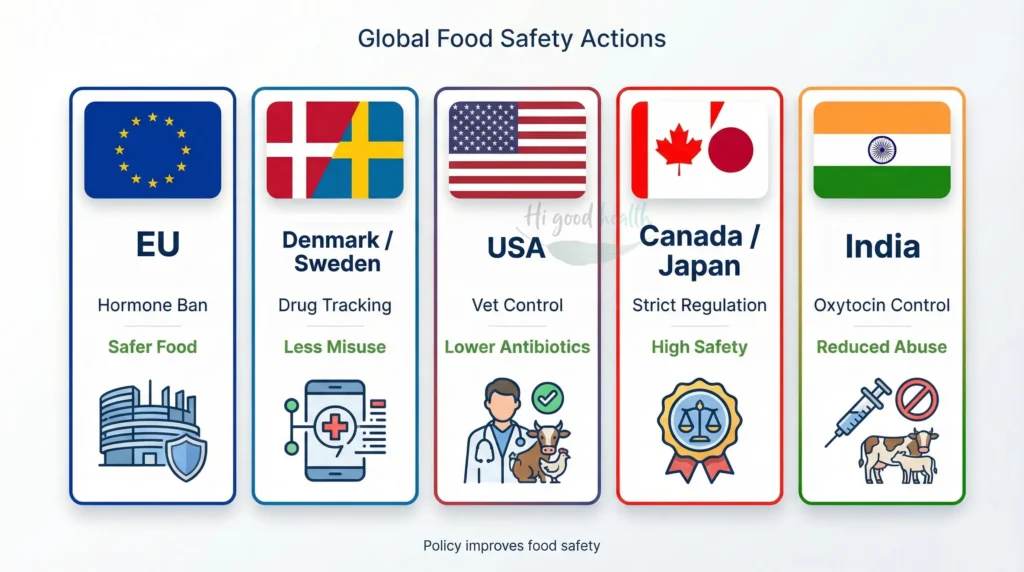
The following table outlines key regulatory measures implemented by various countries:
| Country | Key Action | Impact |
| EU | Banned rBST & non-therapeutic antibiotic use in livestock | Reduced food contamination and contributed to lower antimicrobial resistance rates |
| Denmark/Sweden | Real-time digital drug tracking; strict farm penalties | Significant reduction in antibiotic misuse; production levels maintained |
| USA | Limited growth hormones in some livestock; veterinary feed directive (VFD) requiring prescriptions | 30-50% reduction in animal antibiotic use; resistant infections remain a public health concern |
| Canada/Japan | Ban rBST; control animal drugs via veterinary prescription | Enhanced food safety standards; improved animal health outcomes |
| India | Oxytocin sale restricted to government-approved channels | Reduced abuse in dairy operations; enforcement challenges persist in some regions |
Table 3: Government Regulatory Actions by Country
6. Measures to Curb Misuse
Governments and regulatory bodies worldwide have introduced multiple safeguards to reduce the misuse of pharmaceuticals in food production and protect public health:
- Mandatory veterinary prescriptions for livestock drugs
- Annual food residue monitoring by agencies like the United States Department of Agriculture and the European Food Safety Authority (USDA and EFSA)
- Digital surveillance systems for drug use (e.g., Denmark’s Yellow Card system)
- Import bans on hormone-treated beef (e.g., EU regulations)
- Public awareness campaigns to educate farmers and consumers
- Maximum residue limits (MRLs) for contaminants in food products
7. Animal Welfare: An Important Consideration
Animal welfare plays a critical role in both food quality and pharmaceutical use.
Misuse of oxytocin injections to stimulate milk release has been associated with animal stress and health concerns, leading to regulatory restrictions in several countries, including India.
Overuse of antibiotics is often linked to suboptimal housing conditions and hygiene in intensive farming systems. Research indicates that improved animal welfare standards can contribute to reduced pharmaceutical dependency while maintaining production. Animals raised in less stressful, more hygienic environments typically require fewer medical interventions, which may result in lower contamination levels in food products.
8. Evidence-Based Steps to Reduce Exposure
While systemic changes are essential, individuals can take practical steps to reduce everyday exposure to contaminants.
Reducing Microplastics Exposure
- Minimize single-use plastics: Reduce plastic bottles, bags, and food containers. Use reusable alternatives made of glass, stainless steel, or silicone.
- Avoid heating food in plastic: Never microwave food in plastic containers. Heat can accelerate the migration of plastic particles and chemicals into food. Transfer to glass or ceramic containers before heating.
- Choose whole, minimally packaged foods: Select fresh fruits, vegetables, and grains that are not heavily processed or pre-packaged in plastic when possible.
- Filter drinking water: Install a quality water filtration system (reverse osmosis or activated carbon filters) to reduce microplastic content in drinking water.
- Select natural fiber clothing: Choose natural fabrics (cotton, wool, linen) over synthetic materials (polyester, nylon), as synthetic textiles release microplastic fibers during washing that enter water systems.
Concerned about your drinking water? Explore our in-depth guide: “Are Plastic Bottles Safe for Drinking Water? What You Need to Be Aware Of” to understand the risks and safer alternatives.
Additional Protective Measures
- Purchase certified organic products or items labeled “no antibiotics/hormones added.”
- Use water filtration systems with activated carbon or reverse osmosis technology.
- Support local, transparent farming operations when feasible
- Prioritize whole foods over heavily processed products
- Advocate for regulations limiting routine drug use in farming
- Join Community Supported Agriculture (CSA) programs for direct farm relationships
- Share evidence-based information within your community
Conclusion
Hormones, antibiotics, and microplastics in food represent a complex public health concern that extends from farming practices to household exposure. Current research indicates these contaminants may affect immune function, hormonal balance, and antimicrobial resistance patterns. While they are not entirely within individual control, informed choices about food sourcing, preparation, and storage can help reduce exposure levels.
Every purchase decision, what you eat, where you buy, and which farming practices you support can contribute to systemic change toward greater food safety and environmental sustainability. Protecting health for future generations requires both individual action and collective advocacy for stronger food safety regulations and sustainable agricultural practices.
FAQ: Common Questions About Food Contaminants
Research published in 2024-2025 has confirmed that microplastics can accumulate in human brain tissue. Laboratory and animal studies suggest potential neurological effects, including inflammation and oxidative stress. However, scientists are still investigating whether and how this exposure translates into specific conditions like depression or dementia in humans. Current evidence does not establish definitive causal relationships, and research is ongoing.
No. Many hormone and antibiotic residues are relatively heat-stable, meaning standard cooking temperatures do not reliably eliminate them. While cooking kills bacteria, it does not consistently remove chemical residues that are embedded in food tissue.
No. Heating food in plastic containers can accelerate the migration of microplastics and chemical additives into food. Research indicates that heat increases the rate of chemical leaching from plastic. Always transfer food to glass or ceramic containers before heating.
Yes, vegetarians are not immune to these contaminants. Drug residues and bacteria from farming operations can seep into soil and irrigation water. This contamination can be absorbed by crops, grains, and vegetables through environmental pathways.
Look for “USDA Organic” or “No Added Hormones” labels. Note that terms like “Natural” are not specifically regulated for hormone content. USDA Organic certification specifically prohibits synthetic hormones, GMOs, and non-therapeutic antibiotics, providing clearer assurance.
Basic pitcher filters may be less effective. To significantly reduce dissolved hormones, pharmaceuticals, and microplastics from tap water, consider a high-quality Reverse Osmosis (RO) system or an activated carbon block filter. Check product specifications for removal rates of specific contaminants.
Not completely, but organic products typically contain significantly lower levels. Organic standards prohibit synthetic hormones and non-therapeutic antibiotics, which substantially reduces exposure compared to conventional farming methods. However, environmental contamination (airborne, water) can still occur at lower levels.
Children’s immune and endocrine systems are still developing, making them potentially more sensitive to hormone-disrupting chemicals. Research suggests that early-life exposure during critical developmental windows may have a greater impact than adult exposure. Some studies have examined associations between early exposure and developmental changes, though direct causal relationships require further investigation.
Glossary
- rBST: Recombinant Bovine Somatotropin (growth hormone)
- IGF-1: Insulin-like Growth Factor-1, a hormone involved in growth processes
- AMR: Antimicrobial Resistance (development of drug-resistant bacteria)
- Oxytocin: A hormone that can stimulate milk release in cows
- CSA: Community Supported Agriculture (direct farm-to-consumer programs)
- Intensive Systems: High-density farming environments that may require increased pharmaceutical use
- MRL: Maximum Residue Limit (regulatory threshold for contaminant levels)
- YMYL: Your Money or Your Life (content category requiring high accuracy standards)
Further Reading and Sources
- U.S. Environmental Protection Agency: Emerging Contaminants in Water
- European Food Safety Authority: Food Contaminant Monitoring
- World Health Organization: Antimicrobial Resistance Fact Sheets
- PubMed Research Portal: Peer-reviewed scientific studies
- USDA Organic Standards: Certification requirements and regulations
