
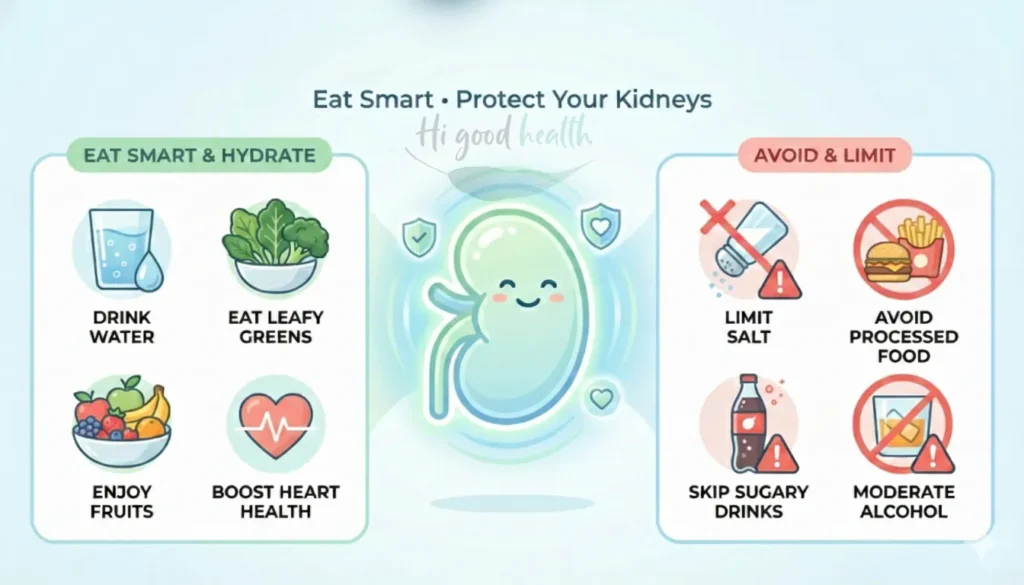
Are you worried about your kidneys or recent high creatinine levels? You’re not alone. Often silent, our kidneys are vital health guardians. This guide reveals critical foods and habits to embrace or avoid, empowering you to protect these essential organs and live a vibrant life.
1. Spotting the Warning Signs: Do You Have a Kidney Issue?
Your kidneys often whisper before they shout. Early signs can be elusive, emerging only after significant damage. Watch for persistent fatigue, swollen ankles or feet, unexplained changes in urination frequency or color, muscle cramps, or dry, itchy skin. Don’t dismiss these subtle signals—they’re your body’s urgent call for attention, making proactive care absolutely essential.
2. Diagnosing Kidney Health: The Key Tests
If kidney concerns arise, your doctor will likely recommend a battery of tests. A serum creatinine blood test and glomerular filtration rate (GFR) calculation are primary indicators of how effectively your kidneys filter waste. A urinalysis checks for protein or blood in your urine—early indicators of damage. Imaging tests like ultrasounds can also assess kidney structure and pinpoint blockages.
3. The Stakes Are High: Why Early Action Matters
Ignoring kidney issues can lead to a cascade of serious health complications. Untreated, kidney disease can escalate to end-stage renal disease (ESRD), demanding life-sustaining dialysis or a kidney transplant. Beyond that, compromised kidney function elevates your risk of heart disease, stroke, anemia, nerve damage, and brittle bones. Early intervention is your best defense against this downward spiral.
4. Busting Kidney Myths: What You Need to Know
Misinformation abounds when it comes to kidney health. A common myth? That pain is always present with kidney trouble—it often isn’t. Another? That only the elderly or those with pre-existing conditions are at risk; lifestyle factors can impact anyone. And no, excessive water intake isn’t a magic “flush” for kidney problems and can even be dangerous for some. Rely on medical facts, not folklore.
5. The Power of Healthy Kidneys: Your Body’s Best Friend
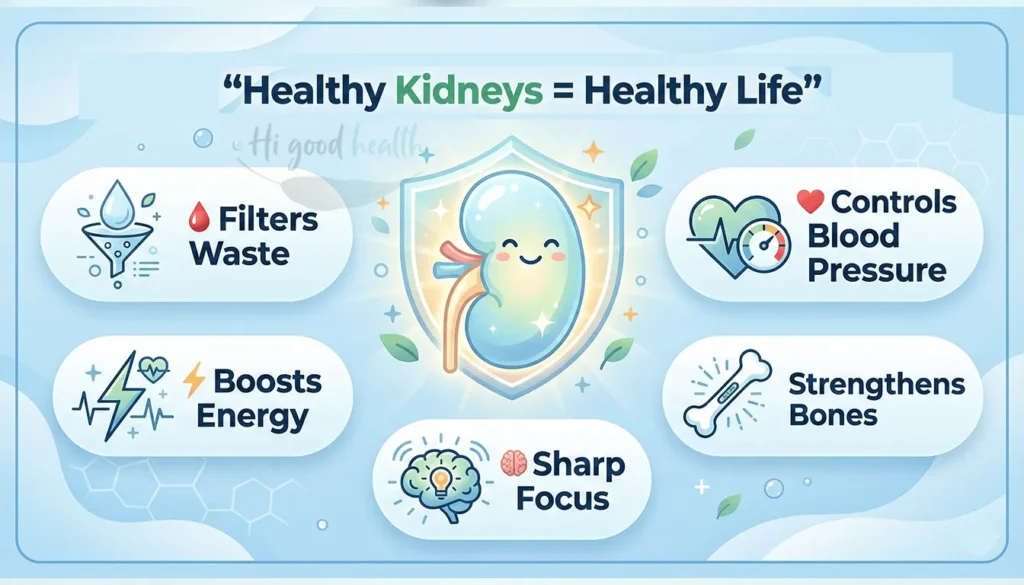
Healthy kidneys are indispensable for your overall well-being. They tirelessly filter waste and excess water, balance vital electrolytes, regulate blood pressure, stimulate red blood cell production, and maintain bone strength. When your kidneys thrive, so does your entire body, leading to better energy, sharper focus, and a significantly reduced risk of chronic illness.
6. Navigating Kidney Treatments: What to Expect
Kidney treatment varies based on the cause and severity. For early-stage disease, the focus is often on managing blood pressure and blood sugar, making dietary adjustments, and sometimes prescribing protective medications. Advanced cases may involve specific medications, dialysis (hemodialysis or peritoneal dialysis), or, in severe situations, a kidney transplant. The overarching goal is always to slow progression and enhance your quality of life.
7. Can Kidney Issues Be Cured Without Medication?
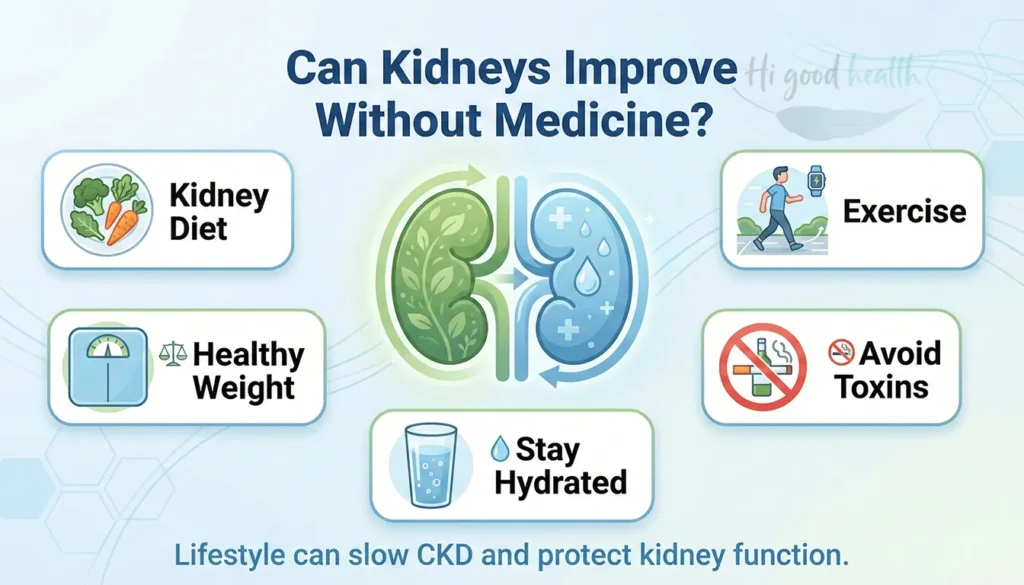
While some acute kidney injuries can resolve, chronic kidney disease (CKD) typically isn’t “cured.” However, its progression can be dramatically slowed, and function can even improve through powerful lifestyle changes. A kidney-friendly diet, consistent exercise, weight management, and avoiding harmful substances are potent tools that can complement or even reduce the need for medication.
8. Fueling Your Kidneys: What to Eat and What to Avoid
Diet is your kidney’s best friend or worst enemy.
Foods and Supplements to Limit or Avoid (Especially if directed by your doctor):
- High-Sodium Foods: Processed foods, canned goods, fast food, and salty snacks can elevate blood pressure, straining kidneys.
- Source: National Kidney Foundation
- Excessive Phosphorus: Found in dark sodas (colas), many processed foods with phosphate additives (check labels for “phos” in ingredients), and certain whole grains. High phosphorus levels can weaken bones and harden blood vessels when kidneys can’t remove it effectively.
- Source: National Kidney Foundation, Mayo Clinic
- High Potassium Foods: If your potassium levels are elevated, your doctor may advise limiting items like bananas, oranges, potatoes, tomatoes, avocados, and certain dried fruits.
- Source: National Kidney Foundation
- Dairy Products: Milk, cheese, and yogurt are significant sources of protein, phosphorus, and potassium. While beneficial for healthy kidneys, moderation or alternatives may be advised in later stages of kidney disease to manage these levels. Your specific dietary needs for dairy will depend on your kidney function and lab results.
- Source: National Kidney Foundation, Healthline
- High-Protein Supplements & Excessive Protein Intake: While essential, very high protein intake, especially from animal sources, can increase the workload on kidneys. Always consult your doctor or a renal dietitian.
To learn more about vitamin safety to protect your organs, refer to our detailed blog
Foods to Embrace:
- Lean proteins (in appropriate amounts)
- Fresh fruits (lower potassium options if needed, such as apples, berries, grapes)
- Vibrant vegetables (lower potassium options like cauliflower, green beans, carrots)
- Whole grains (in moderation, considering phosphorus content)
- Healthy fats (e.g., olive oil)
Your doctor or a registered dietitian specializing in kidney health is your go-to for tailored advice, as specific restrictions vary based on your individual kidney function and lab results.
To know more about choosing the right protein for your health needs, check our our in-depth blog
9. Future-Proofing Your Kidneys: Ongoing Monitoring
Consistent monitoring is non-negotiable for kidney health. This typically involves regular blood tests (creatinine, GFR, electrolytes), urine tests for protein, and meticulous blood pressure checks. Your doctor will create a personalized schedule. Stay vigilant for new symptoms and report them promptly. A healthy lifestyle, including a kidney-friendly diet and exercise, remains critical for long-term management.
10. Your Kidney Health: A Summary
Taking charge of your kidney health empowers you to build a healthier future. By recognizing the subtle signs, undergoing timely tests, and making informed lifestyle choices, you can profoundly impact your kidney function. Remember, while chronic kidney disease may not always be reversible, its progression can often be managed effectively. Don’t underestimate the power of proactive care in safeguarding these vital organs. Take the first step: consult your doctor or a renal dietitian today to create a personalized kidney health plan.
To develop a better understanding of which diagnostic tests you really need, read our in-depth blog (Are frequent blood & other diagnostic tests really necessary)
If you prefer a more visual version, check out our YouTube video here:
FAQ
Here are some frequently asked questions about kidney health, based on common Google searches:
Early signs are often subtle. Watch for persistent fatigue, swollen ankles or feet, muscle cramps, dry and itchy skin, or unexplained changes in urination frequency or color. Don’t dismiss these signals; they are urgent calls for attention.
While chronic kidney disease (CKD) typically isn’t “cured,” its progression can be dramatically slowed. Powerful lifestyle changes—like a kidney-friendly diet, exercise, and weight management—can improve function and complement medical treatment.
You may need to limit high-sodium processed foods, which strain kidneys. Doctors might also advise restricting phosphorus (found in dark sodas) and high-potassium foods like bananas, potatoes, and avocados, depending on your lab results.
It is a myth that excessive water intake is a magic “flush” for kidney problems. In fact, for some people with kidney issues, drinking too much water can be dangerous. Rely on medical advice, not folklore.
While protein is essential, very high intake—especially from animal sources or supplements—can increase the workload on your kidneys. Always consult a doctor or renal dietitian to determine the safe amount for your specific condition.
No. A common myth is that pain is always present, but it often isn’t. Kidneys “whisper before they shout,” so symptoms often emerge only after significant damage has occurred, making testing vital.
Doctors use blood tests to check creatinine and GFR, which measure filtration efficiency. A urinalysis checks for early damage like protein or blood, while imaging tests like ultrasounds can pinpoint blockages or structural issues.
Yes. Consistent exercise is a potent tool for managing kidney health. Along with weight management and a healthy diet, staying active helps slow disease progression and can improve your overall quality of life.

