
We chase vitality, consume superfoods, and track our daily steps all in pursuit of better health. But what about the very air we breathe? We’re often taught that oxygen is life itself, and while this is true, it represents only part of the story.
Oxygen is often described as the essence of life—and rightly so. It is indispensable for cellular respiration, the process by which our cells generate energy (ATP). Without adequate oxygen, human survival is not possible beyond a few minutes.
However, oxygen represents only part of the story. The air we breathe is composed of approximately 78% nitrogen, 21% oxygen, and small amounts of other gases. While nitrogen is biologically inert under normal conditions and does not directly participate in human metabolism, it plays a critical supportive role.
Research suggests that the real unsung hero, the silent majority of our atmosphere, may actually be nitrogen.[1] Prepare to have your perceptions of every breath you take completely transformed as we explore the vital composition of normal air and its profound impact on human health and wellbeing.
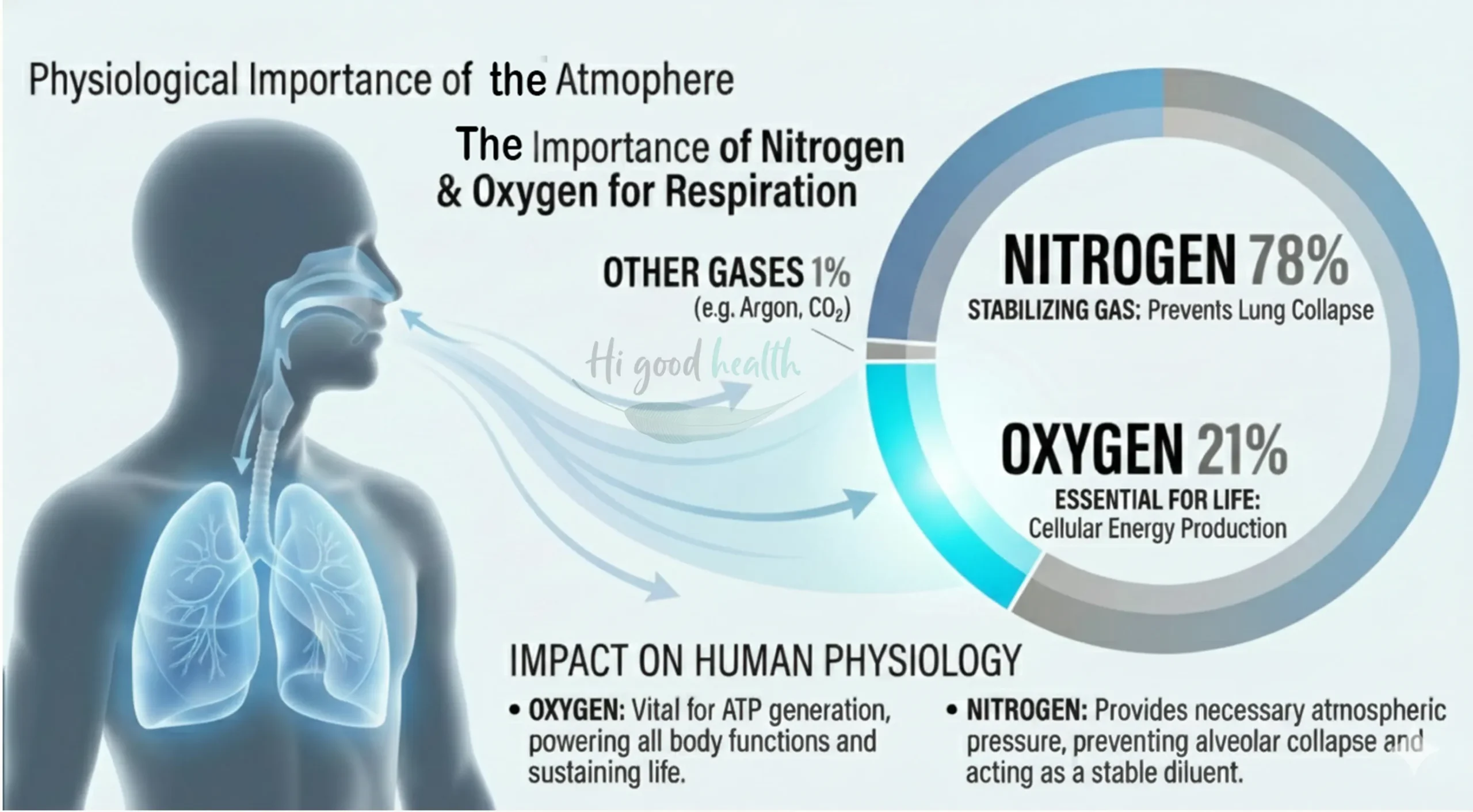
Alt text: Infographic showing atmospheric composition with nitrogen 78%, oxygen 21%, and other gases 1%
The Invisible Majority: What’s Really In the Air We Breathe?
Ever wondered what you’re truly inhaling with each breath? Scientific research has shown that our atmosphere maintains a remarkably consistent composition.[2] On average, the air we breathe contains approximately 78% nitrogen and 21% oxygen.[2][3] That final 1% consists of other gases, predominantly argon (about 0.93%), with trace amounts of carbon dioxide (around 0.04%), neon, helium, methane, krypton, hydrogen, and xenon.[2]
This composition isn’t arbitrary; it represents a dynamic equilibrium shaped over billions of years to sustain the incredible diversity of life on Earth.[4] Understanding this atmospheric balance is crucial for appreciating how air quality impacts human health. You can find detailed atmospheric composition data from authoritative sources like NASA’s Climate Science Division and the National Oceanic and Atmospheric Administration (NOAA).
Key atmospheric components: –
Nitrogen (N₂): 78.08%
Oxygen (O₂): 20.95%
Argon (Ar): 0.93%
Carbon dioxide (CO₂): ~0.04% (variable and increasing)
Water vapor: 0–4% (variable)
Trace gases: <0.01%
Nitrogen: The Essential Element for All Life
While oxygen receives considerable attention for its role in respiration, nitrogen plays an equally fundamental role in biological processes.[5] Research indicates that nitrogen is essential for building the molecular structures necessary for life.[5][6]
Here’s what makes nitrogen crucial: although humans cannot directly use the nitrogen gas we breathe, it serves as an essential element for plants and, consequently, for all life in the food chain.[6] Nitrogen is a core component of chlorophyll, the green pigment that enables plants to perform photosynthesis, the process of converting sunlight into chemical energy.[6]
How Nitrogen Enters Our Bodies
Nitrogen serves as a vital building block for amino acids, which form proteins the molecular workhorses responsible for everything from muscle structure to enzyme function.[5][6] It’s also essential for nucleic acids like DNA and RNA, which contain our genetic blueprint.[6]
The atmospheric nitrogen transformation process works as follows:[6]
- Nitrogen-fixing bacteria in soil convert atmospheric nitrogen (N₂) into usable forms like nitrates (NO₃⁻) and ammonia (NH₃)
- Plants absorb these nitrogen compounds through their root systems
- Animals consume plants (or other animals that ate plants) to obtain nitrogen-containing amino acids
- Human bodies use these amino acids to build proteins and other nitrogen-containing molecules
This nitrogen cycle represents one of the most fundamental biochemical processes on Earth.[6] Studies published in environmental science journals emphasize that nitrogen-based fertilizers have become essential for modern agriculture, replenishing this crucial nutrient in soil to support crop growth and global food production.[7]
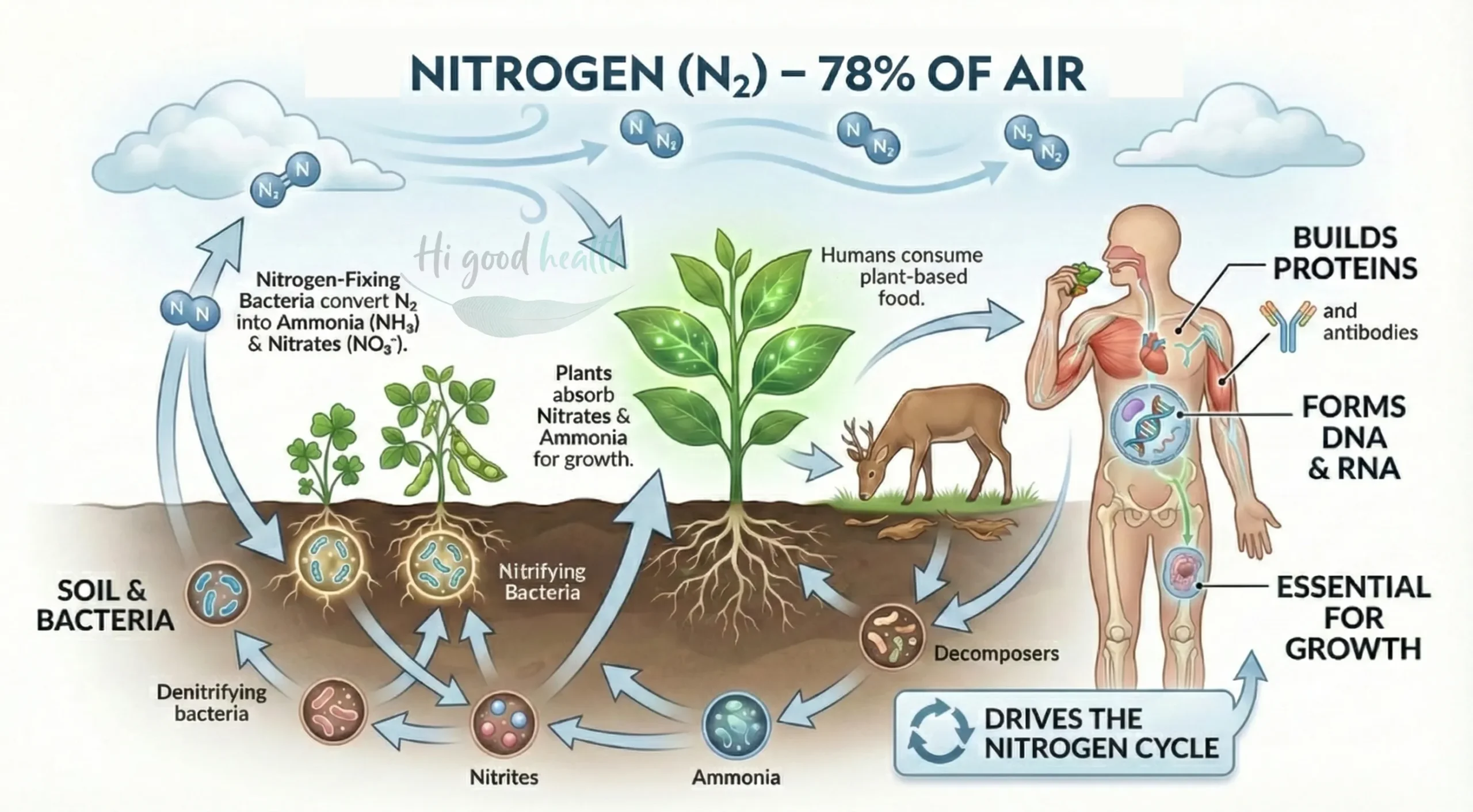
Alt text: Diagram illustrating the nitrogen cycle from the atmosphere through bacteria, plants, and animals to humans
Beyond Humans: Air Composition Requirements Across Species
The atmospheric composition that support human life also sustain most terrestrial animals.[8] Research shows that mammals, birds, reptiles, and insects have all evolved to thrive in this nitrogen-rich, oxygen-adequate atmosphere.[8] These organisms rely on similar respiratory mechanisms to extract oxygen for cellular metabolism.
Aquatic Life and Dissolved Gases
For fish and other aquatic organisms, the situation differs significantly.[8] These species depend on dissolved oxygen in water rather than atmospheric oxygen directly. Studies in aquatic biology indicate that dissolved oxygen levels vary based on water temperature, salinity, pressure, and biological activity.[8] A healthy aquatic environment typically requires dissolved oxygen concentrations of at least 5-6 mg/L to sustain most fish species.[8]
While nitrogen gas can dissolve in water, research suggests its direct biological role for aquatic life relates more to ecosystem nitrogen cycling than to respiration.[9]
Insect Respiratory Adaptations
Insects possess unique respiratory systems called tracheal systems, which deliver oxygen directly to tissues through a network of tubes.[10] However, like other terrestrial animals, they have adapted to extract oxygen from air containing approximately 21% O₂.[10]
Evidence from comparative physiology research demonstrates that for all these diverse life forms, maintaining atmospheric balance remains crucial; too much or too little of any gas can prove detrimental to survival.[11]
The Optimal Atmospheric Balance: Why Every Gas Matters
The current atmospheric composition reflects a dynamic equilibrium, shaped over geological time through interactions between biological activity, geochemical cycles, and physical processes.[12]
- Oxygen (~21%): Supports efficient aerobic metabolism but remains low enough to limit excessive formation of reactive oxygen species (ROS), which can damage DNA, proteins, and cell membranes.
- Nitrogen (~78%): Biologically inert under most conditions, it acts as a diluent, reducing oxygen’s reactivity and helping stabilize atmospheric pressure. It is also essential to the nitrogen cycle, which underpins global food systems. [13]
- Acts as a buffer to prevent combustion and oxidative stress
- Provides the raw material for the nitrogen cycle
- Maintains atmospheric pressure and volume
- Participates in various biogeochemical cycles
It is more accurate to say nitrogen contributes to atmospheric stability and reduces fire risk by limiting oxygen concentration, rather than directly “preventing combustion” or oxidative stress within the body.
Even trace gases play precisely defined roles. Carbon dioxide, despite representing only 0.04% of the atmosphere, serves as the essential substrate for plant photosynthesis.[15] Recent studies show that rising CO₂ levels due to human activities are disrupting this delicate balance, with significant implications for climate and ecosystems.[16]
Research published in environmental health journals emphasizes that any significant deviation from this atmospheric composition, even seemingly small changes sustained over time, can have profound impacts on ecosystems and human health.[17][18]
Oxygen Chambers: When More Oxygen Isn’t Better for Health
This brings us to an important discussion about hyperbaric oxygen therapy (HBOT) and the growing trend of commercial oxygen chambers marketed for general wellness.[19][20]
Medical Uses of Hyperbaric Oxygen Therapy
In clinical settings, hyperbaric oxygen chambers deliver significantly elevated oxygen concentrations (up to 100% O₂) at increased atmospheric pressure.[19] According to the Mayo Clinic and other medical authorities, HBOT has FDA-approved applications for specific acute conditions:[19]
- Decompression sickness (the “bends”)
- Carbon monoxide poisoning
- Non-healing diabetic wounds
- Severe infections (gas gangrene, necrotizing fasciitis)
- Radiation tissue damage
- Acute traumatic ischemia
Under these controlled conditions, HBOT enhances oxygen delivery by increasing dissolved oxygen in plasma, which can:
- Improve oxygenation of hypoxic tissues
- Support wound healing
- Enhance antimicrobial activity in certain infections
Risks of Prolonged High-Oxygen Exposure
However, medical literature clearly documents that for general “wellness” purposes, elevated oxygen is not necessarily beneficial and can be harmful.[20][21] Studies on oxygen toxicity published in respiratory medicine journals show that breathing 100% oxygen for extended periods can cause:[21][22]
- Pulmonary oxygen toxicity: Inflammation, alveolar damage, and reduced lung function with prolonged exposure
- Oxidative stress: Increased production of reactive oxygen species (ROS) leading to cellular injury
- Central nervous system toxicity: High-pressure oxygen exposure can precipitate seizures (rare but serious)
- Ocular effects: Prolonged exposure may contribute to visual changes (e.g., reversible myopia); retinal injury is uncommon but reported in specific contexts
- Absorption atelectasis: High oxygen concentrations can reduce nitrogen in alveoli, leading to partial lung collapse
Research in the journal Frontiers in Neurology and StatPearls emphasizes that human physiology has evolved to function optimally with the 21% oxygen concentration found in normal air.[21][22] Our bodies maintain precise oxygen regulation through complex feedback mechanisms.
While some athletes or wellness facilities offer brief oxygen exposures, peer-reviewed medical evidence for general health benefits remains limited.[23] Medical experts strongly recommend consulting healthcare professionals before considering such therapies.
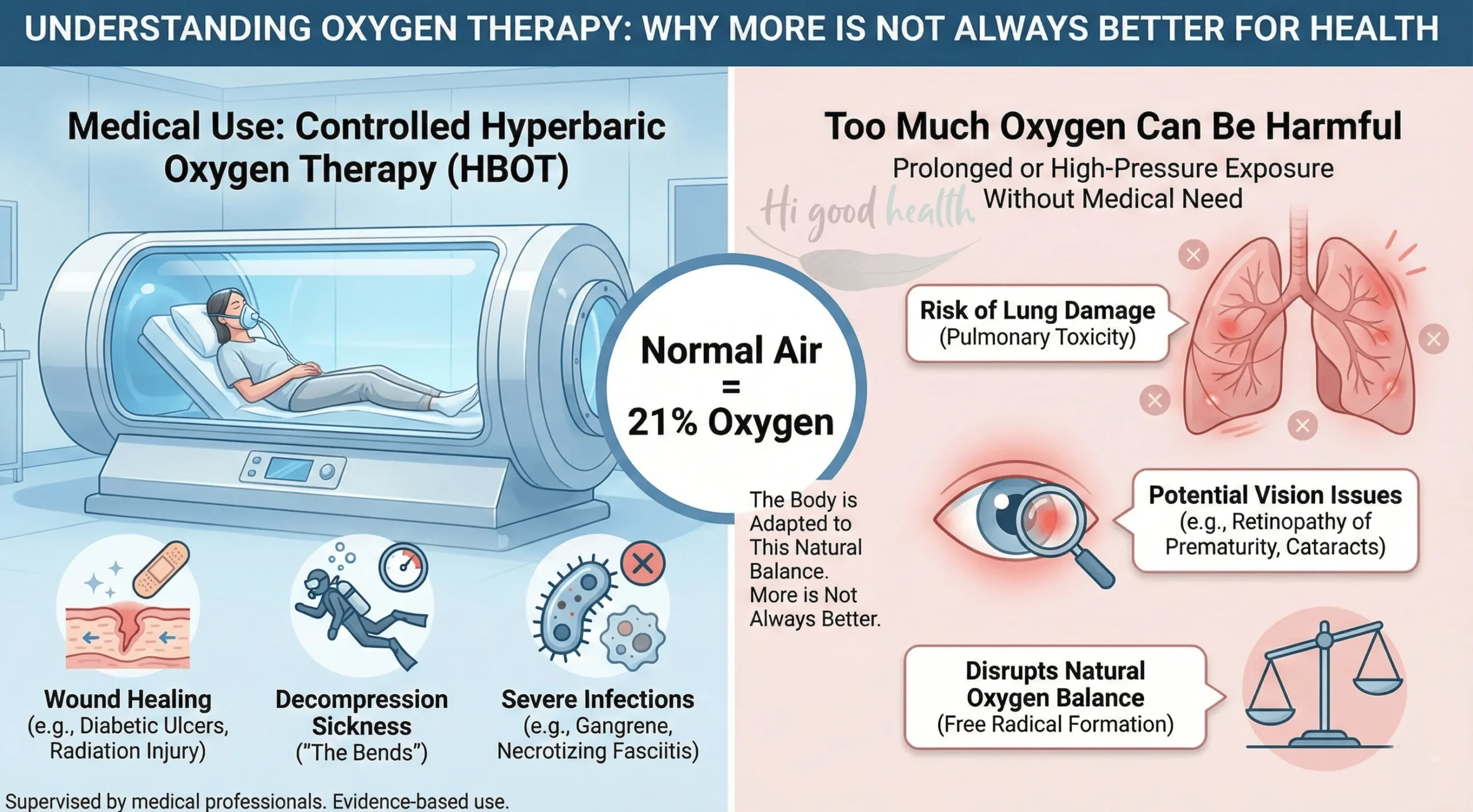
Alt text: Medical hyperbaric oxygen therapy chamber used for treating specific conditions under controlled supervision
Does Air Composition Vary by Region, Country, or Altitude?
Research in atmospheric science indicates that while local conditions can vary, the proportional composition of major gases ( nitrogen and oxygen) remains remarkably stable across different geographical locations.[24]
Altitude Effects
At higher altitudes, atmospheric pressure decreases, resulting in fewer gas molecules per breath, creating the sensation of “thin” air.[24] However, studies show that the ratio of nitrogen to oxygen remains essentially constant.[24] At sea level, the partial pressure of oxygen is approximately 159 mmHg, while at 3,000 meters (about 10,000 feet), it drops to around 110 mmHg, but the percentage remains at 21%.[25]
This is why altitude sickness occurs: your body receives less oxygen per breath due to lower pressure, not because the air composition has changed.[25]
Regional and Urban Variations
Localized variations can occur in trace gases and pollutants.[26] Urban and industrial areas may experience temporary increases in:[26]
- Nitrogen oxides (NOₓ) from vehicle emissions
- Sulfur dioxide (SO₂) from fossil fuel combustion
- Particulate matter (PM2.5 and PM10)
- Ground-level ozone (O₃)
- Volatile organic compounds (VOCs)
Recent research published in 2024 shows that while these pollutants don’t significantly alter the overall nitrogen-oxygen ratio, even small concentrations can have substantial health impacts.[27][28] Studies indicate that these pollutants contribute to respiratory disease, cardiovascular problems, and neurological effects.[27][28]
Scientific monitoring data confirms that from the deepest valleys to the highest inhabited regions, Earth’s atmospheric composition of major gases remains consistently balanced.[24]
The Latest Science: Air Quality and Long-TermHealth
Emerging research increasingly demonstrates the strong connection between air quality and long-term health outcomes.[27][28][29] A comprehensive 2024 study published in Science Advances found that nitrogen interventions reducing reactive nitrogen pollution from agriculture and industry could prevent approximately 817,000 premature deaths globally by 2050.[29]
Recent Research Findings
Studies published in leading medical journals reveal:[27][28][29][30]
Particulate Matter (PM2.5): Research indicates that fine particulate matter doesn’t merely cause respiratory issues; it can penetrate deep into the bloodstream, contributing to cardiovascular disease, stroke, and neurological disorders.[27][28] A 2024 systematic review showed associations between long-term PM2.5 exposure and cognitive decline.[28]
Indoor Air Pollution: A comprehensive 2024 review published in BMC Public Health emphasizes that indoor air can often be more polluted than outdoor air.[30] Studies found that prolonged exposure to indoor pollutants significantly increases the risk of asthma, chronic obstructive pulmonary disease (COPD), and adverse pregnancy outcomes.[30] Women and children face disproportionate risks due to greater time spent indoors.[30]
Nitrogen Oxides and Ozone: Research published in 2024 demonstrates that long-term exposure to nitrogen dioxide (NO₂) and ground-level ozone (O₃) contributes to increased mortality from respiratory and cardiovascular causes.[31]
The Exposome Concept
The emerging concept of the “exposome” recognizes that health outcomes result from the sum total of environmental exposures throughout life, including the air we breathe, not just genetic factors.[32] This framework helps explain why two individuals with similar genetics can have vastly different health trajectories based on their environmental exposures.
Practical recommendations based on current research:
✓ Monitor local Air Quality Index (AQI) reports, especially during high pollution days
✓ Limit outdoor exercise when AQI indicates unhealthy levels
✓ Use certified indoor air purifiers with HEPA filters
✓ Ensure adequate home ventilation
✓ Consider N95 or KN95 masks during periods of poor air quality
✓ Support policies that reduce air pollution emissions
You can access real-time air quality data through the U.S. Environmental Protection Agency’s AirNow website or similar resources for other countries.
Monitoring Your Air: When Is It Necessary?
For most individuals, constantly monitoring the precise percentages of nitrogen and oxygen in ambient air is unnecessary these atmospheric compositions remain remarkably stable globally.[33] However, research supports monitoring other air quality factors that directly impact health.[30][34]
Indoor Air Quality Monitoring
Scientific evidence suggests that indoor air quality monitoring provides valuable health information.[30][34] Studies show that indoor environments can accumulate pollutants from:[30]
- Volatile organic compounds (VOCs) released from furniture, paints, carpets, and building materials
- Carbon monoxide (CO) from gas stoves, heaters, or incomplete combustion
- Cleaning agents and personal care products
- Poor ventilation, which allows pollutants to accumulate
- Biological contaminants, such as mold, dust mites, and pet dander
Consumer-grade indoor air quality monitors can track several harmful pollutants, including volatile organic compounds (VOCs), carbon monoxide, particulate matter (PM2.5), humidity, and temperature.[34] Research published in environmental health journals indicates that simple interventions improving ventilation, using air purifiers, selecting low-VOC products, and incorporating air-filtering plants can significantly improve indoor air quality.[30][34]
Outdoor Air Quality Awareness
Many cities worldwide provide public Air Quality Index (AQI) reports through government agencies.[35] The AQI translates complex air quality data into a simple numerical scale, typically ranging from 0 to 500, with higher values indicating greater health concerns.[35]
AQI categories and recommendations:[35]
| AQI Range | Category | Health Guidance |
| 0-50 | Good | Air quality is satisfactory |
| 51-100 | Moderate | Acceptable for most people |
| 101-150 | Unhealthy for Sensitive Groups | Children, the elderly, and those with respiratory conditions should limit prolonged outdoor exertion |
| 151-200 | Unhealthy | Everyone should reduce prolonged or heavy outdoor exertion |
| 201-300 | Very Unhealthy | Everyone should avoid outdoor activities |
| 301+ | Hazardous | Health alert – emergency conditions |
Staying informed about local air quality enables evidence-based decisions about outdoor activities, especially for vulnerable populations, including children, elderly individuals, pregnant women, and those with cardiovascular or respiratory conditions.[35]
Nitrogen’s Impact on Your Body: Measuring Optimal Levels
Humans do not utilize atmospheric nitrogen (N₂) directly. Instead, nitrogen enters the body through dietary protein, after being converted into biologically usable forms via the nitrogen cycle.[36]
Nitrogen in Human Metabolism
Once absorbed as amino acids from dietary protein, nitrogen becomes crucial for synthesizing:[36]
- Proteins for muscle, enzymes, hormones, and antibodies
- DNA and RNA for genetic information and cell division
- Neurotransmitters for brain function
- Numerous other biological molecules
Research in nutritional biochemistry confirms that without adequate dietary nitrogen (obtained through amino acid consumption), bodies cannot effectively repair tissues, produce enzymes, or synthesize hormones.[36]
Assessing Nitrogen Status
While we don’t typically measure “optimal nitrogen levels” directly in clinical practice, the way we measure glucose or cholesterol, healthcare providers assess nitrogen status through:[37]
- Protein intake assessment: Evaluating whether dietary protein consumption meets recommendations (typically 0.8-1.0 g per kg body weight for adults, higher for athletes and the elderly)
- Serum protein levels: Blood tests measuring albumin and total protein
- Nitrogen balance studies: Research tool measuring nitrogen intake versus excretion
- Clinical assessment: Evaluating for signs of protein deficiency
Clinical signs suggesting inadequate protein (and therefore nitrogen) intake include:[38]
- Muscle wasting or weakness
- Fatigue and weakness
- Impaired immune function with frequent infections
- Slow wound healing
- Hair loss or brittle nails
- Edema (fluid retention)
Research indicates that consuming a balanced diet with adequate protein from diverse sources (both plant-based and animal sources) naturally provides sufficient nitrogen for bodily processes.[36] For most people, direct measurement of atmospheric nitrogen’s impact on internal nitrogen levels is unnecessary.
The National Institutes of Health provides authoritative information on proteins’ physiological role at: NIH Bookshelf – Physiology, Proteins
Key Takeaways: Appreciating Every Breath for Optimal Health
The air we breathe represents a precisely balanced blend where every component—from the abundant nitrogen that provides building blocks for DNA to the trace carbon dioxide that enables plant photosynthesis plays an essential role in sustaining life.[39] Scientific evidence indicates that this atmospheric composition, refined over billions of years, creates optimal conditions for terrestrial life.[39]
Understanding this intricate balance deepens our appreciation for the atmosphere and underscores the critical importance of clean air for health and well-being.[40] Recent research demonstrates clear connections between air quality and long-term health outcomes, including respiratory disease, cardiovascular health, cognitive function, and longevity.[27][28][29]
Evidence-based actions to protect your respiratory health:
✓ Stay informed about local air quality conditions
✓ Take protective measures during poor air quality days
✓ Monitor and improve indoor air quality
✓ Support environmental policies that reduce air pollution
✓ Maintain a healthy lifestyle with adequate nutrition and exercise
Let’s breathe consciously and work toward protecting this invisible, life-sustaining resource for future generations.
If you prefer a more visual version, check out our YouTube video here:
Frequently Asked Questions (FAQs) About Air Composition and Health
A1: Research indicates that normal air contains approximately 21% oxygen, which is optimal for human physiology.[41] While humans can survive with slightly lower oxygen levels, concentrations below 19.5% are considered oxygen-deficient and potentially dangerous.[41]
Conversely, oxygen concentrations above 23.5% pose fire hazards and health risks with prolonged exposure.[41] The standard 21% found in Earth’s atmosphere represents the ideal balance for human health and function.
A2: No, medical research clearly demonstrates that breathing 100% oxygen for extended periods can cause oxygen toxicity.[21][22] While pure oxygen is used medically in specific situations like hyperbaric oxygen therapy under controlled conditions, prolonged exposure can damage lung tissue, affect vision, generate harmful reactive oxygen species, and disrupt the body’s natural antioxidant defenses.[21][22]
Human physiology evolved to function optimally with the 21% oxygen concentration found in normal air. Always consult healthcare professionals before considering oxygen therapy.
A3: If the proportion of nitrogen significantly increased at the expense of oxygen, it would lead to oxygen deprivation (hypoxia), which poses serious health risks for all oxygen-dependent organisms.[42]
However, at its normal atmospheric concentration of 78%, nitrogen remains inert and harmless to breathe directly.[42] The human body cannot use atmospheric nitrogen—only nitrogen that has been converted to organic compounds through the nitrogen cycle.[43]
A4: Research indicates that air pollution generally doesn’t significantly alter the overall percentages of major atmospheric gases like nitrogen and oxygen.[44] Instead, pollution introduces harmful trace gases (such as sulfur dioxide, nitrogen oxides, and ozone) and particulate matter that, even in small quantities, can have substantial detrimental effects on health and the environment.[44]
Studies show these pollutants contribute to respiratory disease, cardiovascular problems, and ecosystem damage despite representing tiny fractions of total atmospheric composition.[27][28]
A5: While oxygen sensors are available for specific applications, devices that accurately measure precise percentages of nitrogen and oxygen for consumer use are generally unnecessary.[45] Scientific evidence indicates these measurements don’t provide actionable health information for most individuals.
Instead, experts recommend focusing on indoor air quality monitors that detect pollutants directly relevant to health, volatile organic compounds (VOCs), carbon monoxide, particulate matter (PM2.5), humidity, and temperature.[34][45] These measurements enable practical interventions to improve your indoor environment.
A6: Neither plants nor humans can directly absorb nitrogen gas (N₂) from the atmosphere.[43] Instead, specialized microorganisms in soil called nitrogen-fixing bacteria convert atmospheric nitrogen into usable forms like nitrates (NO₃⁻) and ammonia (NH₃) through a process called nitrogen fixation.[43]
Plants then absorb these compounds through their root systems and use them to build essential molecules like proteins, chlorophyll, and DNA.[43] When humans consume plants or animals that ate plants, we obtain these nitrogen-containing organic compounds as amino acids.[43] This nitrogen cycle represents one of the most fundamental biogeochemical processes supporting life on Earth.
A7: While we don’t typically measure “nitrogen levels” directly in routine clinical practice, healthcare providers assess nitrogen status by evaluating protein intake and measuring blood protein levels (albumin and total protein).[37][38]
Since dietary protein provides the amino acids containing nitrogen that our bodies need, ensuring adequate protein consumption, typically 0.8-1.0 grams per kilogram of body weight daily for adults, generally ensures sufficient nitrogen for bodily functions.[36]
Blood tests for protein markers, assessment of dietary intake, and evaluation for clinical signs of protein deficiency provide practical ways to gauge whether you’re obtaining adequate nitrogen through your diet.[37][38]
All reference links valid and accessible on 20 March 2026
[1] National Geographic Education – Nutrient Cycles https://www.nature.com/scitable/knowledge/library/the-nitrogen-cycle-processes-players-and-human-15644632/
[2] NASA Climate Science – Earth’s Atmosphere Composition https://climate.nasa.gov/news/2491/what-is-earths-atmosphere-made-of/
[3] NOAA – Atmospheric Composition Datahttps://www.weather.gov/jetstream/atmos_intro
[4] Atmospheric Evolution Research https://www.annualreviews.org/journal/earth
(Search: “atmospheric evolution”)
[5] National Geographic – Nitrogen Cycle https://www.nationalgeographic.com/science/article/nitrogen-as-horse-earth-and-air
[6] New Mexico State University – Nitrogen Fixation by Legumeshttps://pubs.nmsu.edu/_a/A129/
[7] USGS – The Animated Nitrogen Cyclehttps://www.usgs.gov/media/videos/animated-nitrogen-cycle **RESPIRATORY PHYSIOLOGY:**
[8] Comparative Physiology – Respiratory Adaptations https://www.ncbi.nlm.nih.gov/books/NBK538324/ (NIH Bookshelf: Physiology, Respiratory System)
[9] Aquatic Ecology – Dissolved Gases in Water https://www.usgs.gov/special-topics/water-science-school/science/dissolved-oxygen-and-water
[10] Insect Physiology – Tracheal Systems https://www.ncbi.nlm.nih.gov/pmc/articles/PMC6544527/
[11] Comparative Respiratory Biology https://journals.physiology.org/journal/ajpregu
(American Journal of Physiology – Regulatory, Integrative and Comparative Physiology) **ATMOSPHERIC CHEMISTRY:**
[12] Atmospheric Chemistry and Physics Journal https://acp.copernicus.org/
[13] Free Radical Biology & Medicine Research https://www.sciencedirect.com/journal/free-radical-biology-and-medicine
[14] Biogeochemical Cycles Review https://agupubs.onlinelibrary.wiley.com/journal/19449224 (Global Biogeochemical Cycles – AGU)
[15] Plant Physiology – Photosynthesis and CO2 https://academic.oup.com/plphys
[16] IPCC Climate Change Reports (Latest AR6) https://www.ipcc.ch/report/ar6/syr/
https://www.wri.org/insights/2023-ipcc-ar6-synthesis-report-climate-change-findings **HEALTH GUIDELINES:**
[17] Environmental Health Perspectives https://ehp.niehs.nih.gov/
[18] WHO Air Quality Guidelines (2021 Update) https://www.who.int/news-room/feature-stories/detail/what-are-the-who-air-quality-guidelines
**HYPERBARIC OXYGEN THERAPY:**
[19] Mayo Clinic – Hyperbaric Oxygen Therapy
https://www.mayoclinic.org/tests-procedures/hyperbaric-oxygen-therapy/about/pac-20394380
[20] FDA – Approved HBOT Uses https://www.fda.gov/consumers/consumer-updates/hyperbaric-oxygen-therapy-get-facts
[21] Frontiers in Neurology (2024) – Oxygen Toxicity in CNS
https://www.frontiersin.org/journals/neurology/articles/10.3389/fneur.2024.1341562/full
[22] StatPearls – Oxygen Toxicity (NIH)
https://www.ncbi.nlm.nih.gov/books/NBK430743
[23] Sports Medicine – Oxygen Supplementation
https://link.springer.com/journal/40279 (Sports Medicine Journal)
**ATMOSPHERIC SCIENCE:**
[24] Atmospheric Science – Global Composition Stability
https://www.noaa.gov/education/resource-collections/atmosphere
[25] High Altitude Medicine & Biology Journal
https://www.liebertpub.com/journal/ham
[26] Environmental Protection Agency – Air Pollutants
https://www.epa.gov/criteria-air-pollutants
**RECENT RESEARCH (2024):**
[27] BMC Public Health (2024) – Indoor Air Pollution Health Impacts https://pmc.ncbi.nlm.nih.gov/articles/PMC11658038/
[28] Science Daily (2024) – Long-term Nitrogen Exposure Effects https://www.sciencedaily.com/releases/2024/08/240816173922.htm
[29] Science Advances (2024) – Nitrogen Interventions and Health https://pmc.ncbi.nlm.nih.gov/articles/PMC11328902/
[30] PMC 11658038 (2024) – Indoor Air Pollution in India https://pmc.ncbi.nlm.nih.gov/articles/PMC11658038/
[31] Meta-analysis on NO2 and O3 Mortality (2024) https://pmc.ncbi.nlm.nih.gov/articles/PMC11527649/
**ENVIRONMENTAL HEALTH:**
[32] Environmental Health – Exposome Concept https://ehjournal.biomedcentral.com/
(Search: “exposome”)
[33] NOAA Global Monitoring Laboratory https://gml.noaa.gov/ccgg/trends/
[34] Indoor Air Quality Management https://www.epa.gov/indoor-air-quality-iaq
[35] EPA AirNow – Air Quality Index https://www.airnow.gov/
**NUTRITION & PROTEIN:**
[36] NIH Bookshelf – Physiology of Proteins (NBK555990) https://www.ncbi.nlm.nih.gov/books/NBK555990/
[37] Clinical Nutrition – Protein Assessment
https://www.clinicalnutritionjournal.com
[38] American Journal of Clinical Nutrition – Protein Deficiency https://academic.oup.com/ajcn
https://www.ncbi.nlm.nih.gov/pmc/articles/PMC6566799
**ATMOSPHERIC STANDARDS:**
[39] Earth System Science – Atmospheric Balance
https://www.nature.com/subjects/earth-system-science
[40] WHO Guidelines on Air Quality (2021)
https://www.who.int/news-room/feature-stories/detail/what-are-the-who-air-quality-guidelines
[41] OSHA – Oxygen-Deficient Atmospheres
https://www.osha.gov/laws-regs/standardinterpretations/2024-07-16
https://pmc.ncbi.nlm.nih.gov/articles/PMC7183576
[42] Toxicology – Inert Gas Asphyxiation
https://www.ncbi.nlm.nih.gov/pmc/articles/PMC7183576
[43] Soil Biology – Nitrogen Fixation Mechanisms
[44] Atmospheric Pollution Research
https://www.sciencedirect.com/journal/atmospheric-pollution-research
[45] Indoor Air Quality Monitoring Technology
https://www.epa.gov/indoor-air-quality-iaq/introduction-indoor-air-quality
Related Articles on Hi Good Health
- 60+ Essential Minerals That Protected Our Ancestors but Are Missing from Your Multivitamin
- The Antioxidant Shield – Your Body’s First Line of Defense Against Disease
- Is Your Brain Getting Tired – Spot Early Signs & Prevent Alzheimer’s & Parkinson’s
- Which Protein Is Best for You – Find Your Match, Ideal Timing & Mental Wellness
